Magazine

Things to Do in the NYC: Ultimate Luxury Guide to New York City
DESTINATIONS
New York City does not simply receive its visitors; it absorbs them. Few cities exert this quality, this peculiar gravitational pull that bends schedules, rewires ambitions and leaves guests certain they have only scratched the surface. Among the top things to do in New York City is simply to inhabit it properly, and for discerning travelers arriving at a private townhouse on the Upper East Side or a Central Park South apartment with unobstructed views over Wollman Rink, the experience of this iconic city reveals itself on entirely different terms.
The 30 Michelin-starred restaurants within a single drive, the world's greatest concentration of museum collections, Broadway, the Metropolitan Opera, Madison Avenue, the High Line, the electric hum of Bemelmans Bar on a Friday evening is not a list to be checked, but to be sampled at one's own pace from the comfort of one's own home. There is always something new to see, always a new neighborhood to explore, always a table or a performance or a gallery opening rewarding curious guests.
This guide covers both exciting and relaxing experiences in New York. Whether visiting the city for the first time or returning after years, this guide treats the city as it deserves to be treated and tells you where to find the finest museums, prime shopping spots, the best tables on the Upper East Side and bars locals keep secret.
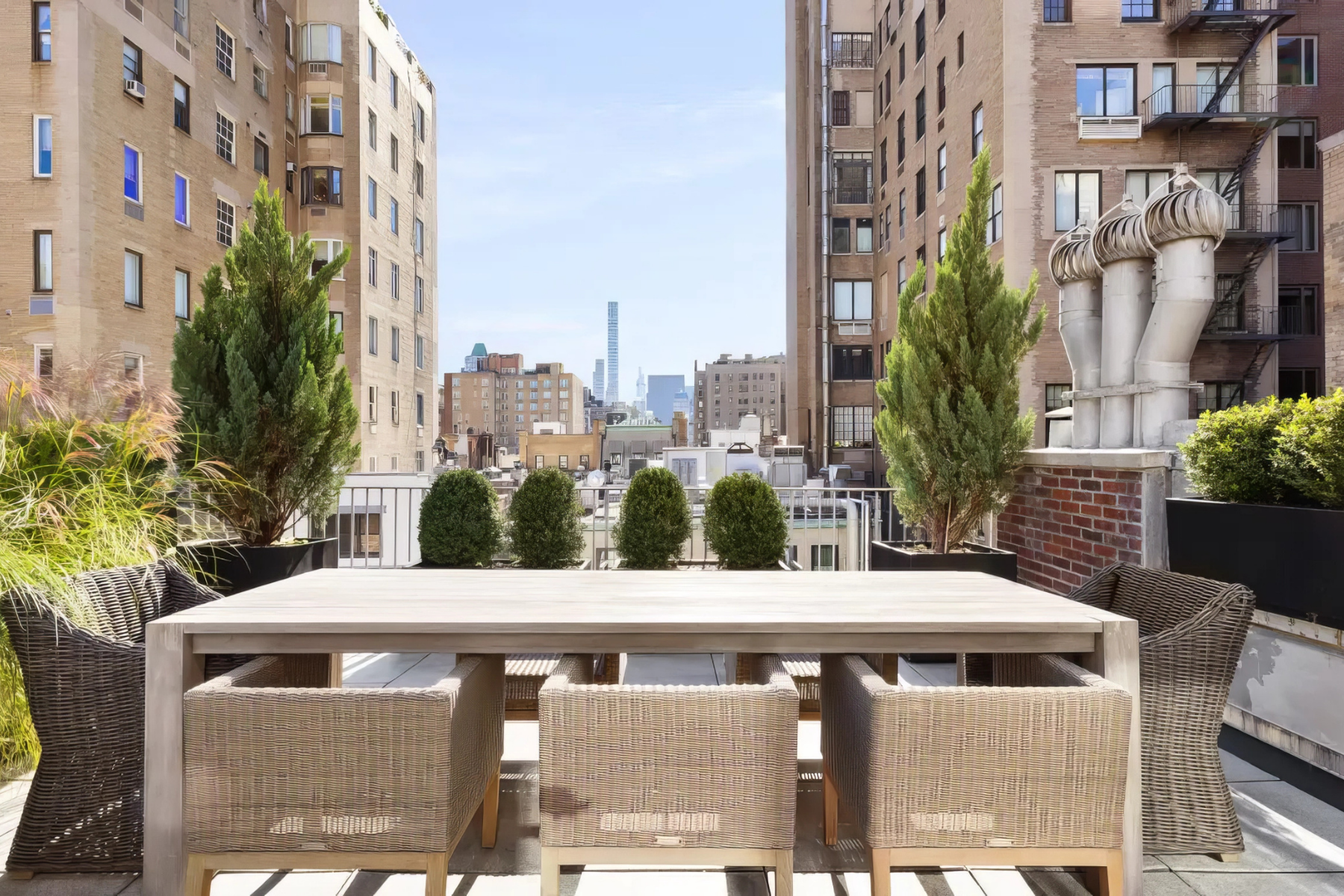
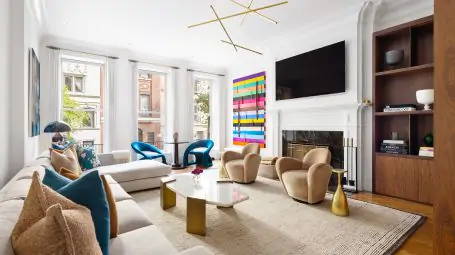
Choose a luxury home in NYC that best fits your needs.
Table Of Contents
- Neighborhoods of New York City
- Museums & Culture
- Theaters & Performing Arts
- Fine Dining in New York City
- Bars & Nightlife
- Shopping in New York City
- Landmarks of New York City
- Parks & Outdoor Life
- Family Activities in New York City
- Sports Experiences in New York City
- Wellness in New York City
- Elevate Your Wellness Experience
- Getting to New York City
- Frequently Asked Questions
- Plan Your NYC Luxury Stay
Neighborhoods of New York City
The enormous scale of New York has humbled first-time visitors for generations. Five boroughs are located near the Hudson River and the Atlantic Ocean and the central peninsula of Manhattan alone constitutes what amounts to the world's most significant commercial, financial and cultural district. This grid of skyscrapers and brownstones is so organized that a single wrong turn can deposit you in what feels like an entirely different city.
Each neighborhood carries its own dialect, its own ambiance, its own governing logic. Understanding the distinctions between them is the first act of any serious New York visit and one of the most ideal things to do before a trip to New York is simply to study the map. No two neighborhoods are alike.
Financial District
The Financial District is where the city began and where certain of its deepest energies concentrate. Wall Street and the New York Stock Exchange anchor an area of remarkable architectural density with narrow lanes dating to the colonial era pressed against the towers of contemporary finance. Stone Street, the cobblestone alley considered the first paved street in the city, is an outdoor dining corridor of particular character and the Charging Bull statue at Bowling Green is one of the most photographed landmarks in all five boroughs. LVH maintains a portfolio of private homes here, available upon inquiry.
Tribeca
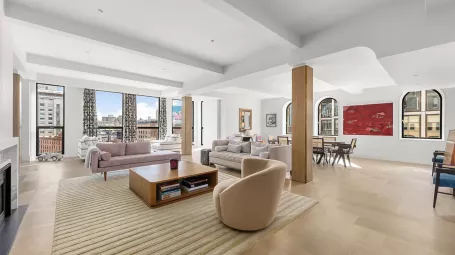
Tribeca, or the triangle below Canal Street, earned its reputation through the transformation of old industrial buildings and warehouses into some of Manhattan's most coveted residential spaces. Cobblestone city streets lined with considered boutiques and acclaimed restaurants give the neighborhood a texture absent from more polished districts, while Washington Market Park and Hudson River Park make weekends quiet and conducive to families. Frenchette and Torrisi Bar & Restaurant, two of the city's most talked-about tables, both call Tribeca home. LVH homes in this area are available upon inquiry.
Soho
South of Houston Street (SoHo) has been the city's luxury retail heartland for decades. High-end art galleries, designer boutiques and flagship stores line its cast-iron-fronted blocks in a density that can feel both overwhelming and exhilarating. The Corner Store at the corner of Houston and West Broadway has brought a new kind of considered American dining to the neighborhood and Sartiano's at the Mercer Hotel gives SoHo a fine dining destination worthy of its location. LVH private homes in SoHo are available upon inquiry.
Chelsea
Chelsea serves as the setting for iconic moments in American cultural history. Andy Warhol worked here and the neighborhood has retained that creative charge. Home to more than 200 galleries, Chelsea is one of New York City's great art districts, exhibiting work from established and emerging artists across every conceivable medium. The southern entrance to the High Line sits in its heart and the Living Room at The Faena Hotel brings extraordinary glamour to West Chelsea.
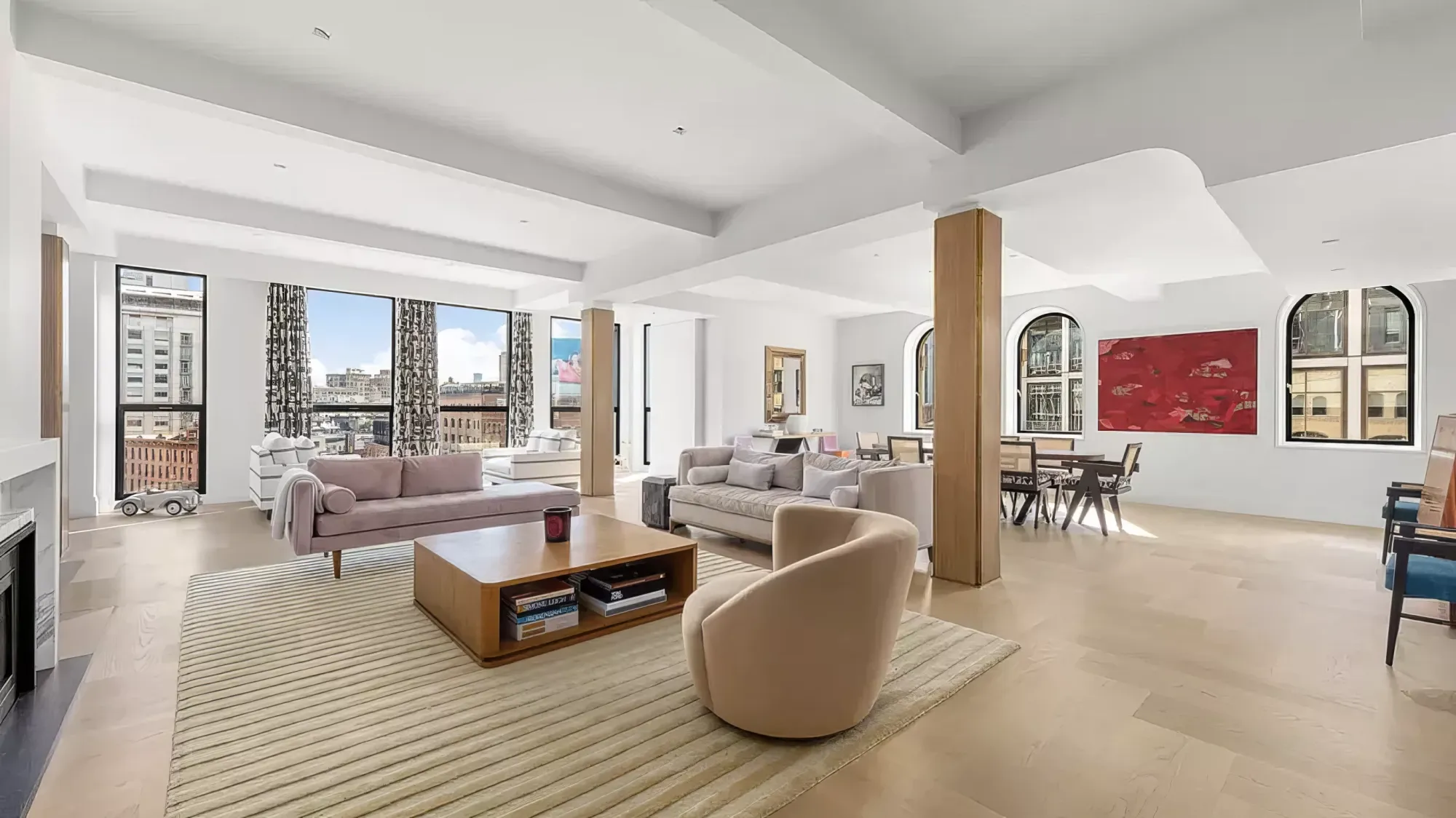
Apartment Louis
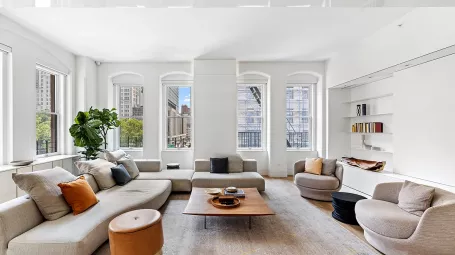
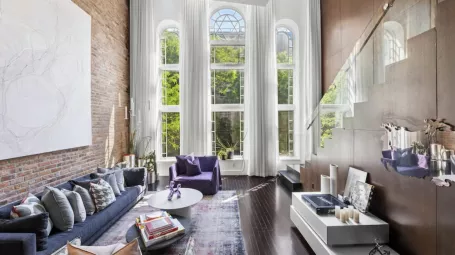
Apartment Louis is an outstanding Manhattan luxury rental belonging to the storied neighborhood of Chelsea. This architectural masterwork is the work of the legendary firm Eric Sheffield Architects and the design force of Paris Forino and master builders, effectively re-envisioning urban luxury living. This lavish Chelsea Apartment rental has four exquisite bedroom suites and an additional staff quarter.
The Flatiron District
The Flatiron District takes its name from the iconic New York wedge-shaped Flatiron Building, one of the most photographed structures in Manhattan. The neighborhood around it has developed a personality to match with public art installations, Madison Square Park with its rotating exhibitions and the original Shake Shack, Eataly's sprawling Italian culinary marketplace, Michelin-starred dining at Casa Mono and Noda and a retail scene that offers texture beyond the flagship luxury of Fifth Avenue. Apartment Dexter is an LVH luxury property here, available upon inquiry.
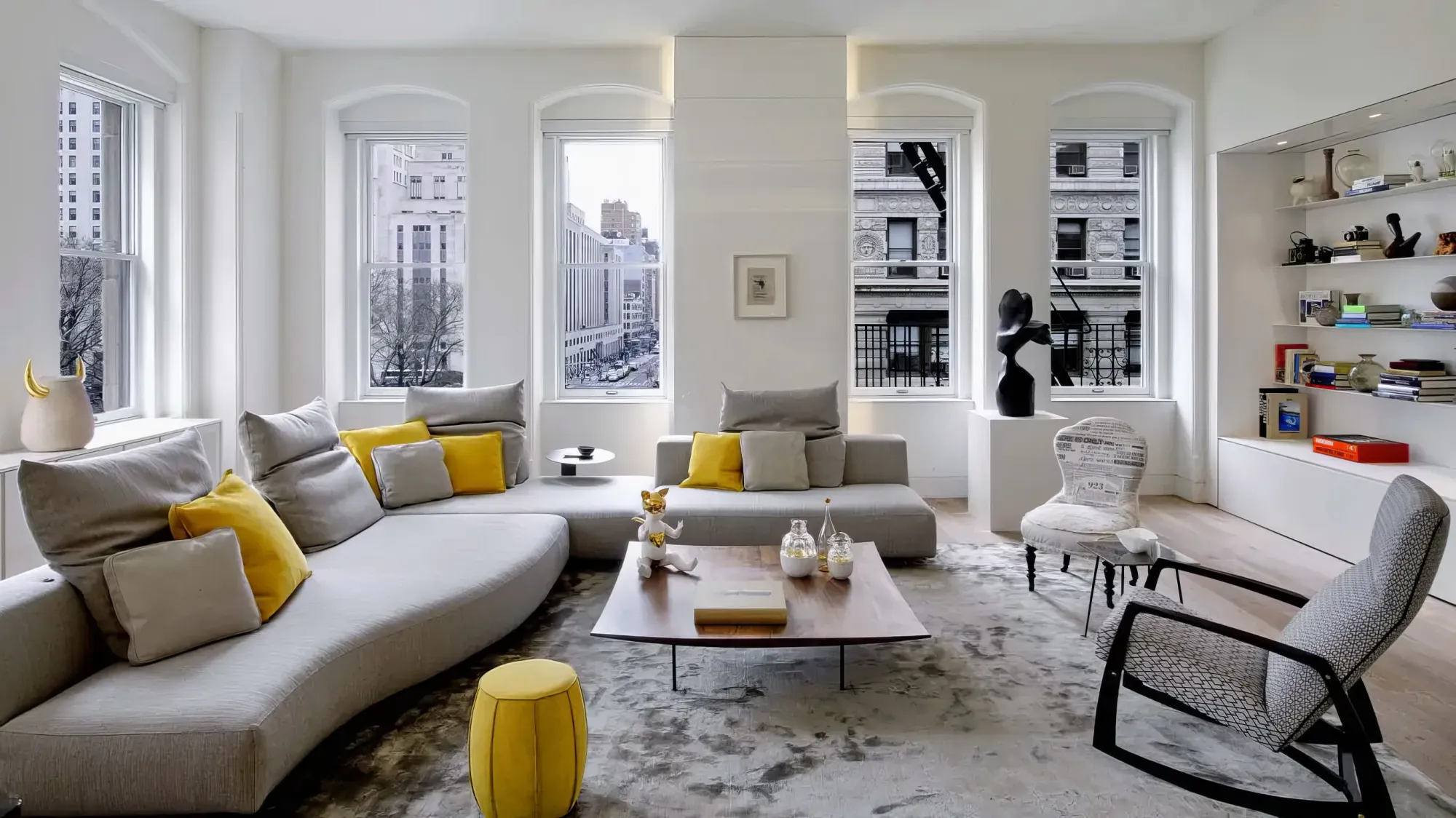
Apartment Dexter
Apartment Dexter is a stunning luxury residence doused in urban chic sophistication and glamor. Perched in the heart of the historic Flatiron district, all the spoils of New York City are placed at your fingertips. Three fantastic ensuite bedrooms offer the utmost discretion, comfort and luxury, with spa-inspired baths, custom cabinetry, and incredible city views.
Midtown Manhattan
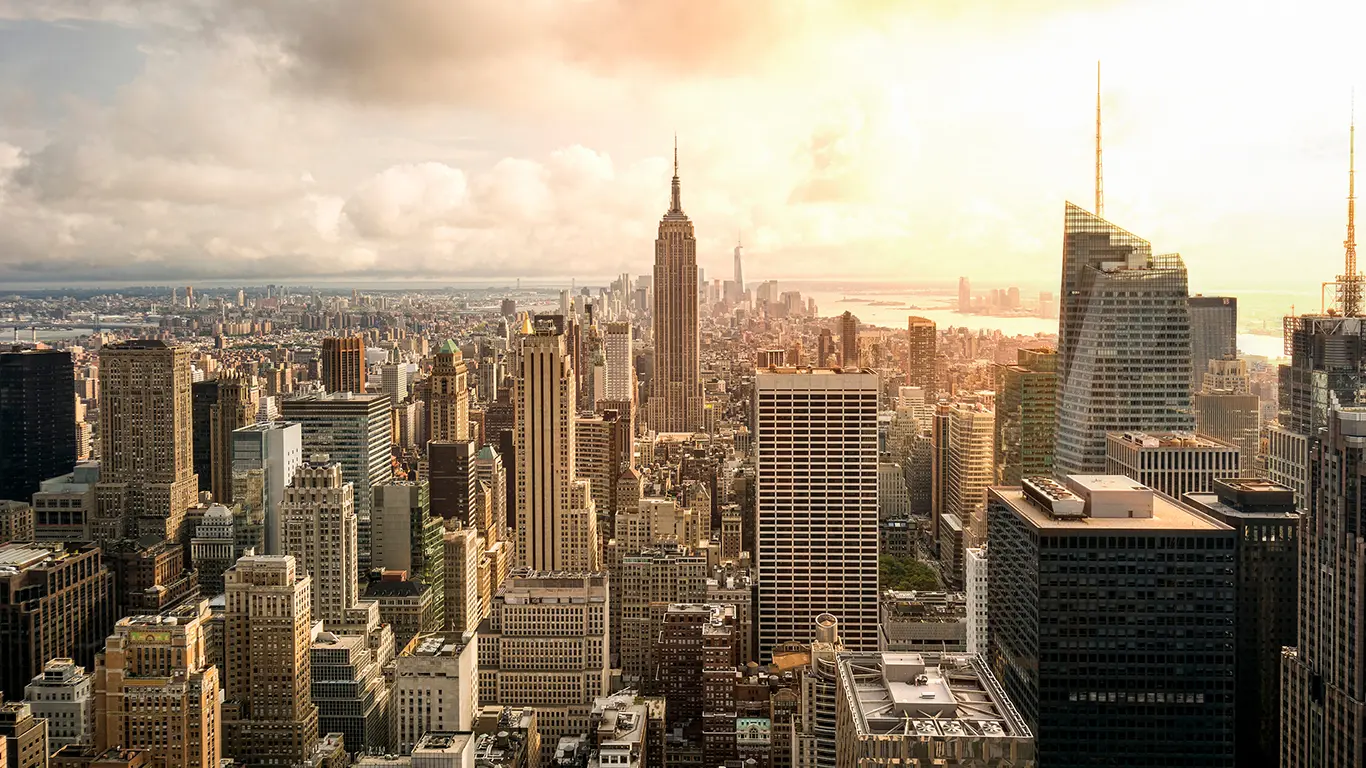
Midtown Manhattan carries images most people have when they imagine New York. The Empire State Building, Times Square, Rockefeller Center, the great mid-century hotels comprise the commercial and theatrical center of the city of New York. This area is home to Le Bernardin and The Polo Bar and to 41 Broadway theaters. The scale is tremendous and the energy relentless, which makes its quieter side streets all the more surprising. LVH maintains private homes in Midtown and surrounding sub-neighborhoods, all available upon inquiry.
Upper East Side
The Upper East Side is the most affluent residential neighborhood in New York City. Its leafy avenues and Renaissance-style townhouses with many dating to the 19th century, are addresses the Rockefellers, Vanderbilts and Carnegies once called home and the density of wealth along its blocks has produced what is known as Billionaire's Row. Museum Mile runs along Fifth Avenue here, placing the Guggenheim, the Met and the Whitney within walking distance of one another. Townhouse Narcissa, an eight-bedroom, 10,000-square-foot townhouse steps from the park, with a rooftop terrace commanding Manhattan's most iconic skyline is the flagship LVH property in this neighborhood and one of the finest private homes in the city.
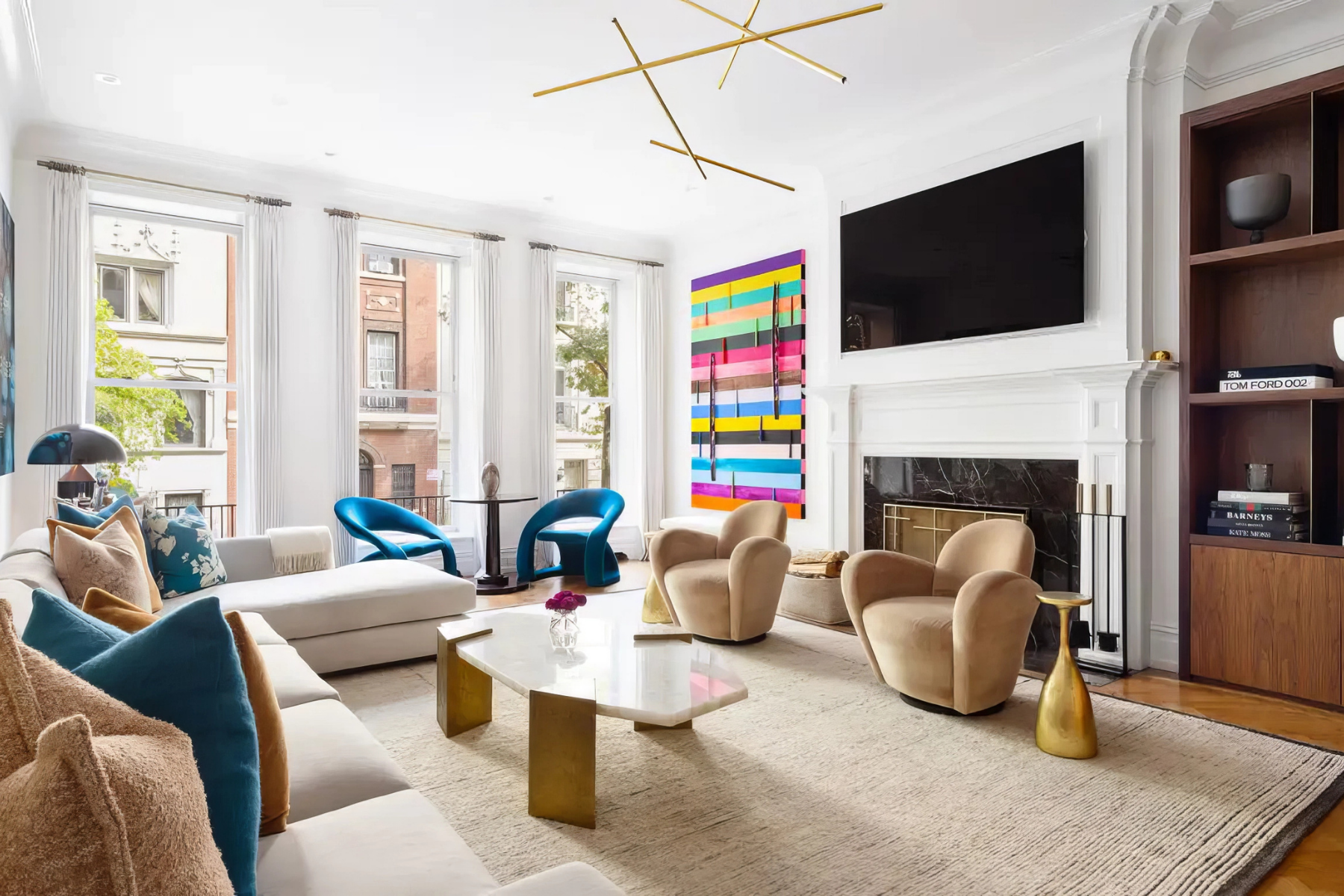
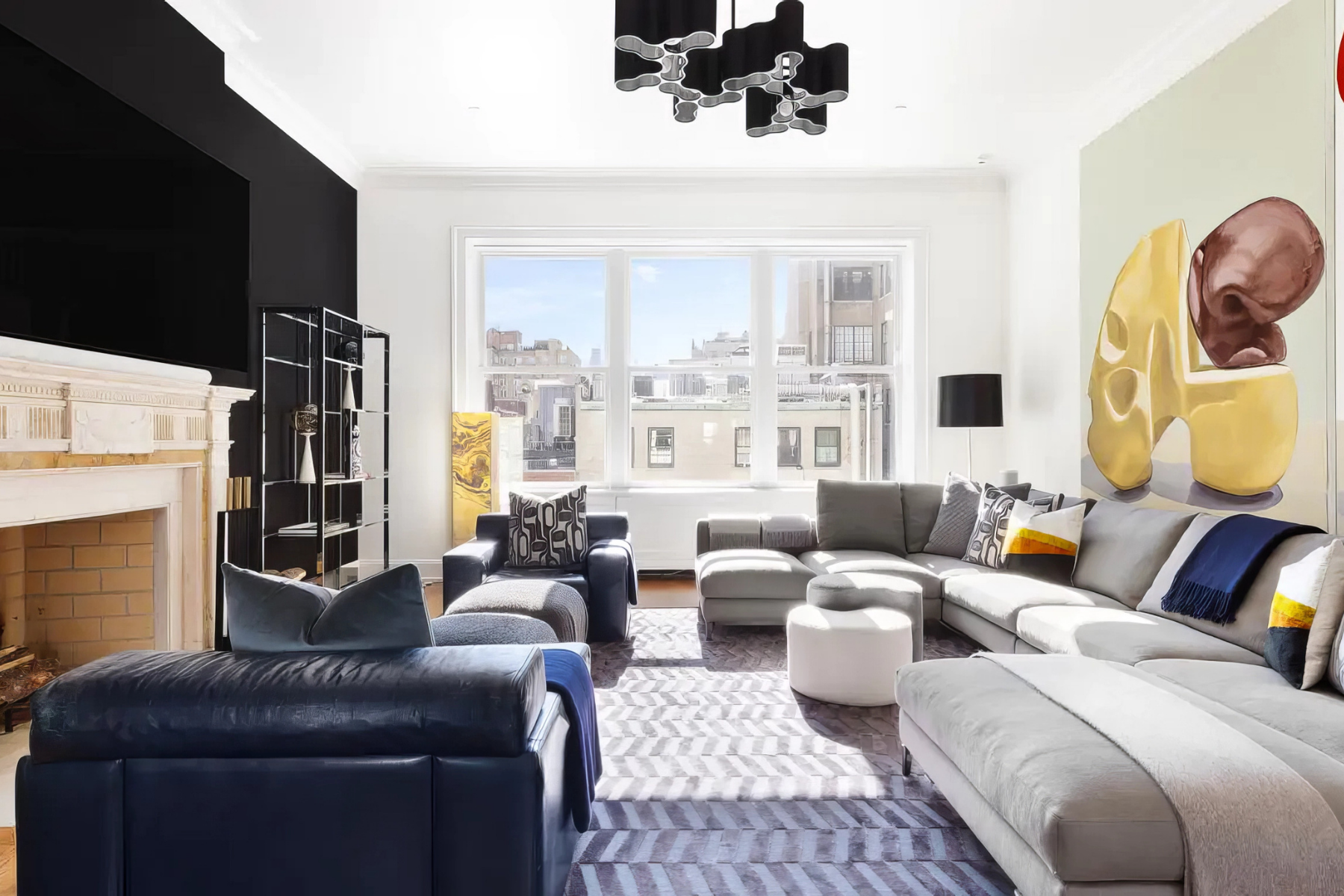
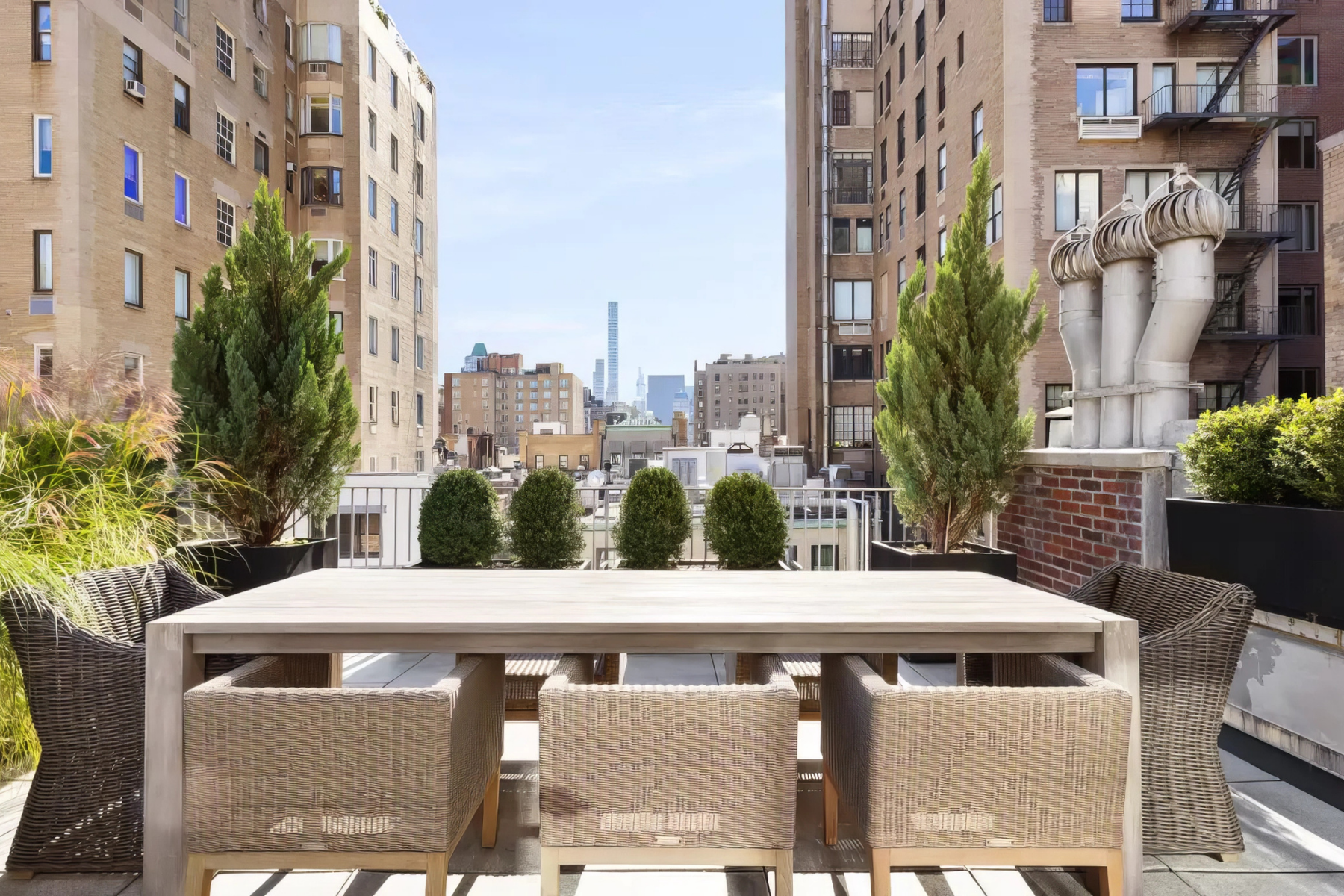
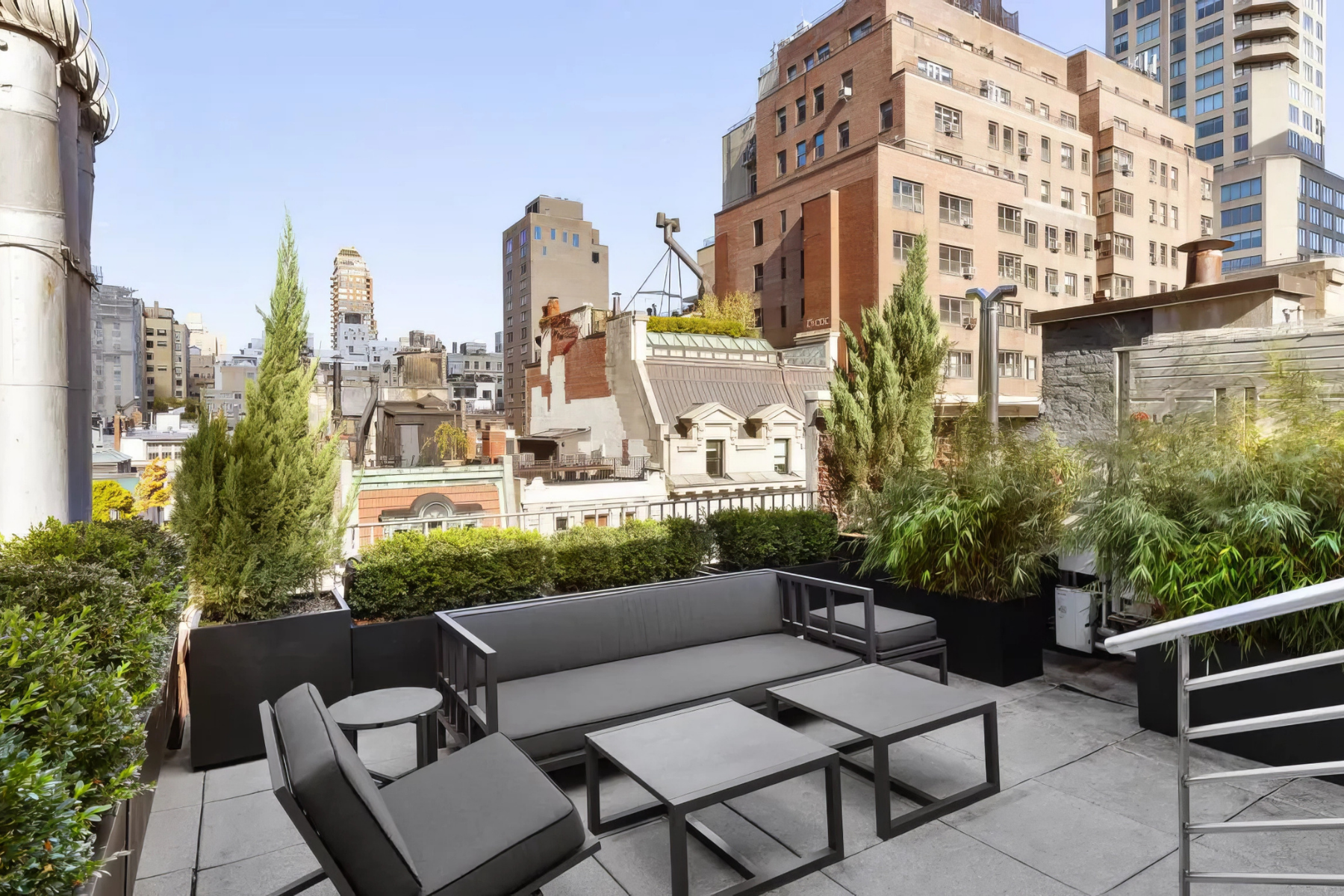
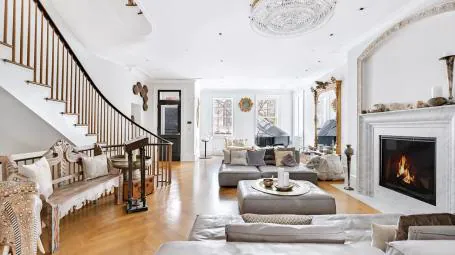
Townhouse Narcissa in Upper East Side
Upper West Side
The Upper West Side has long attracted a culturally aware, intellectually curious population with artists, professors, writers and filmmakers who have helped it develop into an urban village of a particular kind. Lincoln Center sits at its southern edge, the American Museum of Natural History commands its middle stretch and Riverside Park offers long views over the Hudson. The neighborhood has a warmth and feeling that contrasts with the grandeur of its cross-park counterpart. LVH maintains private homes on the Upper West Side, available upon inquiry.
West Village, Greenwich Village, Noho And Nolita
The West Village, Greenwich Village, NoHo and Nolita form a continuous arc of some of Manhattan's most visually distinguished and humanly scaled streetscapes. These are neighborhoods of cobblestones and brownstones, of independent wine shops and celebrated restaurants tucked into ground-floor spaces operating for decades. Le Chêne and Libertine represent the West Village's finest French dining. Il Buco carries its Mediterranean-Italian tradition on Bond Street and The Nines, on Great Jones Street in NoHo, has become one of the city's most cherished piano bar experiences. Townhouse Neri, an LVH home in Nolita, is available upon inquiry, with additional private homes across all surrounding areas.
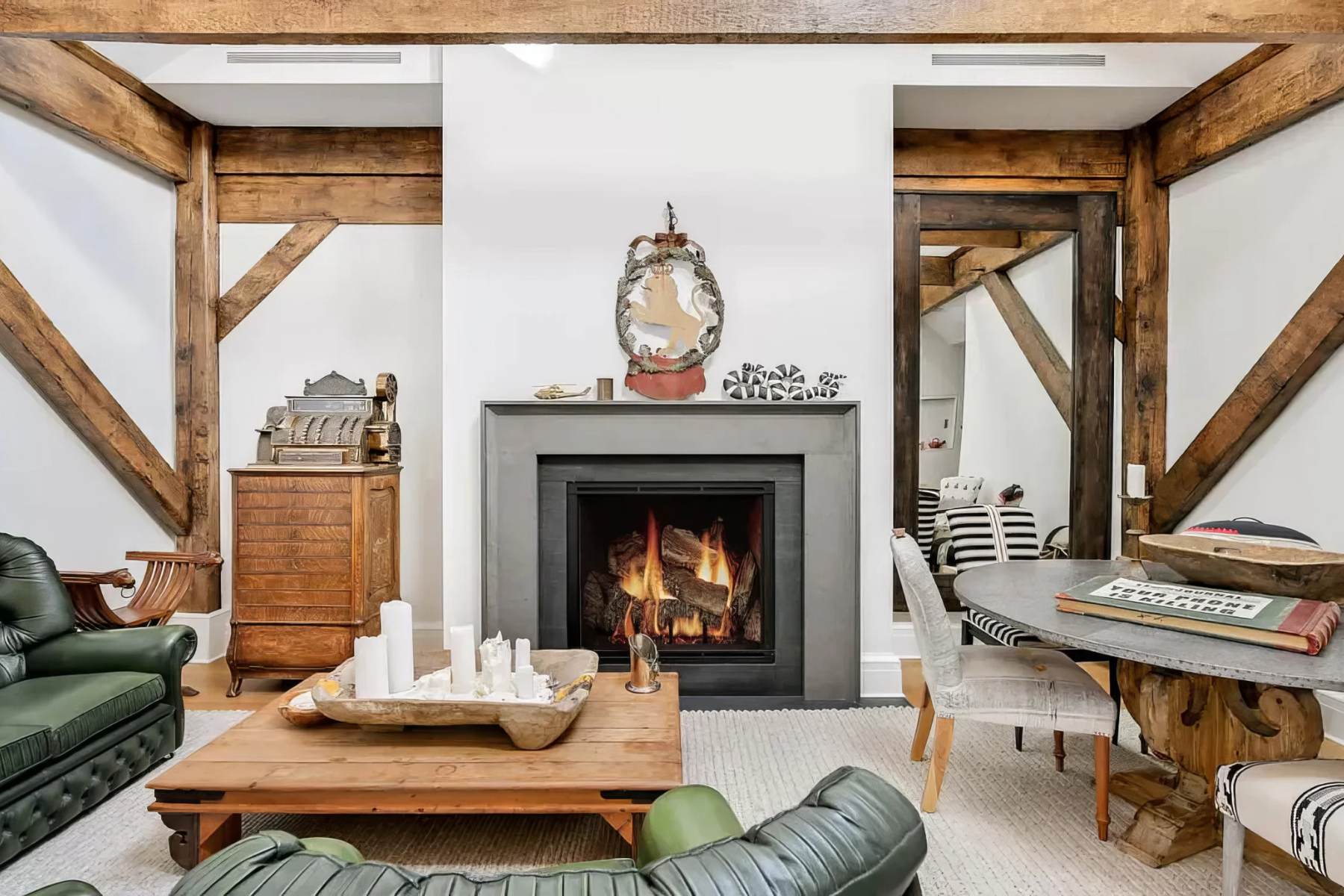
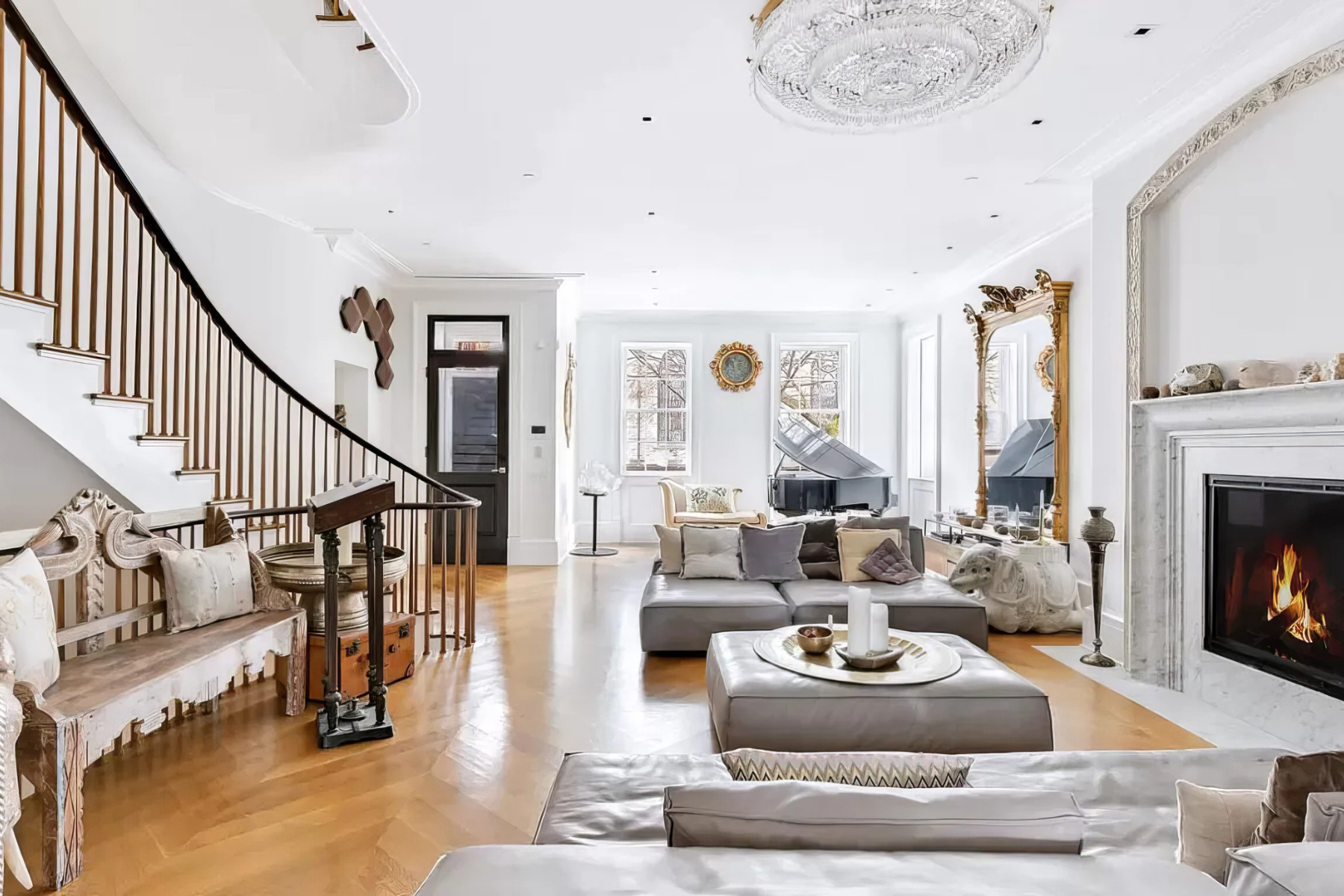
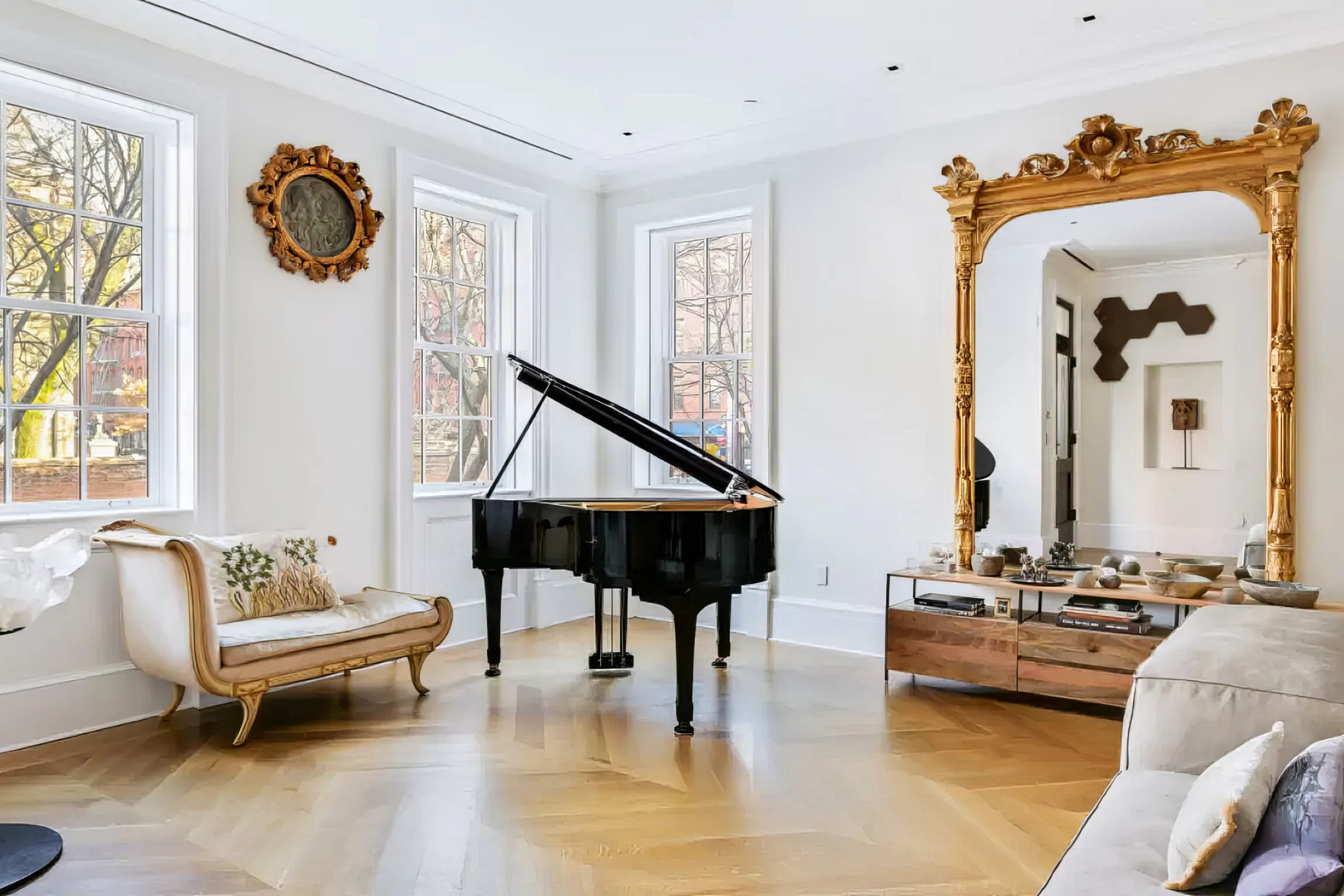
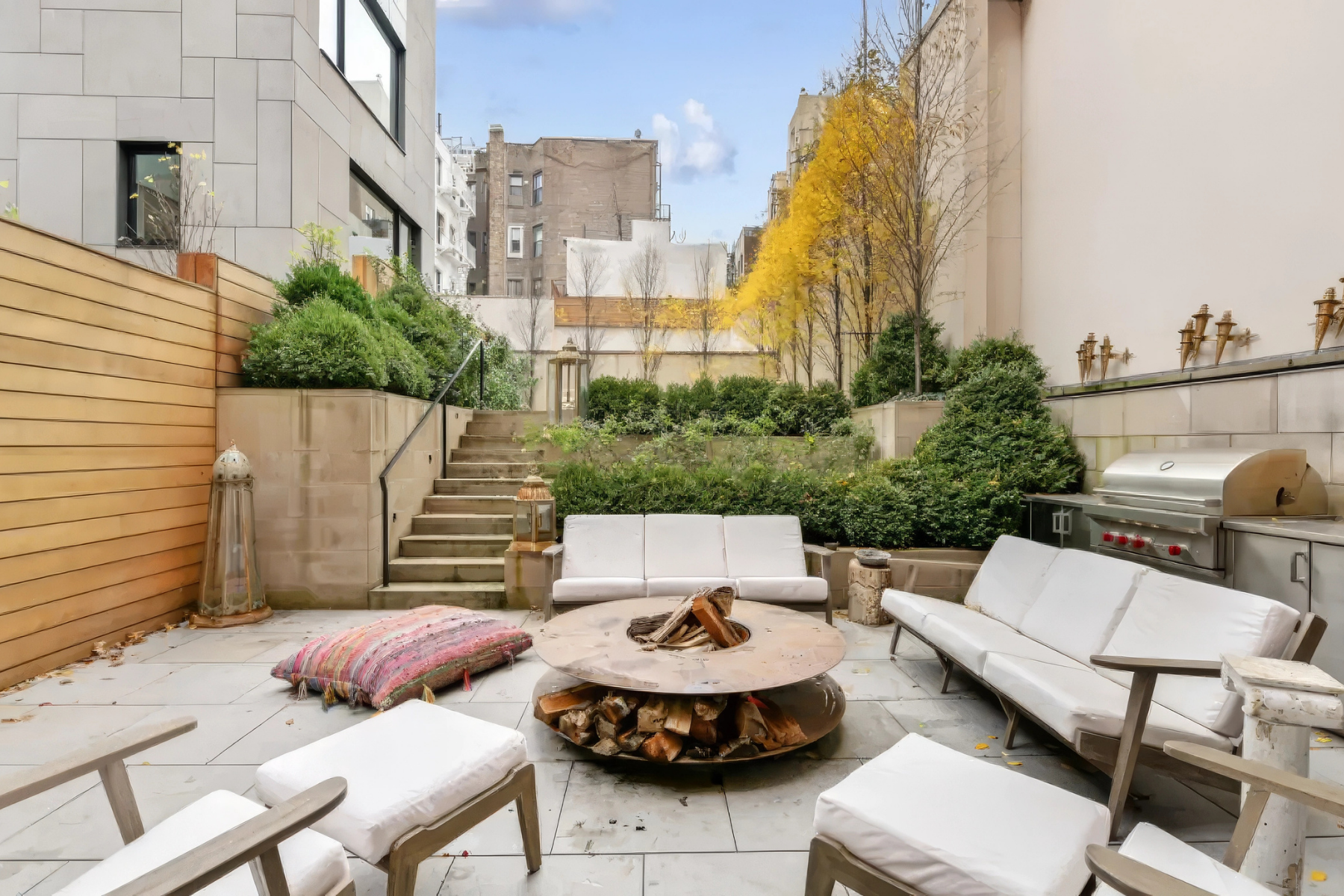
Townhouse Neri
East Village, Gramercy, Nomad And Murray Hill
The East Village, Gramercy, NoMad and Murray Hill offer a different register of Manhattan. The area is energetic, diverse and home to some of the city's most enduring restaurants. Gramercy Tavern has been a Michelin-starred institution for years, while Casa Mono holds court east of Union Square with some of the most precise Spanish cooking in Manhattan. Townhouse Esme is an LVH home in the East Village, available upon inquiry.
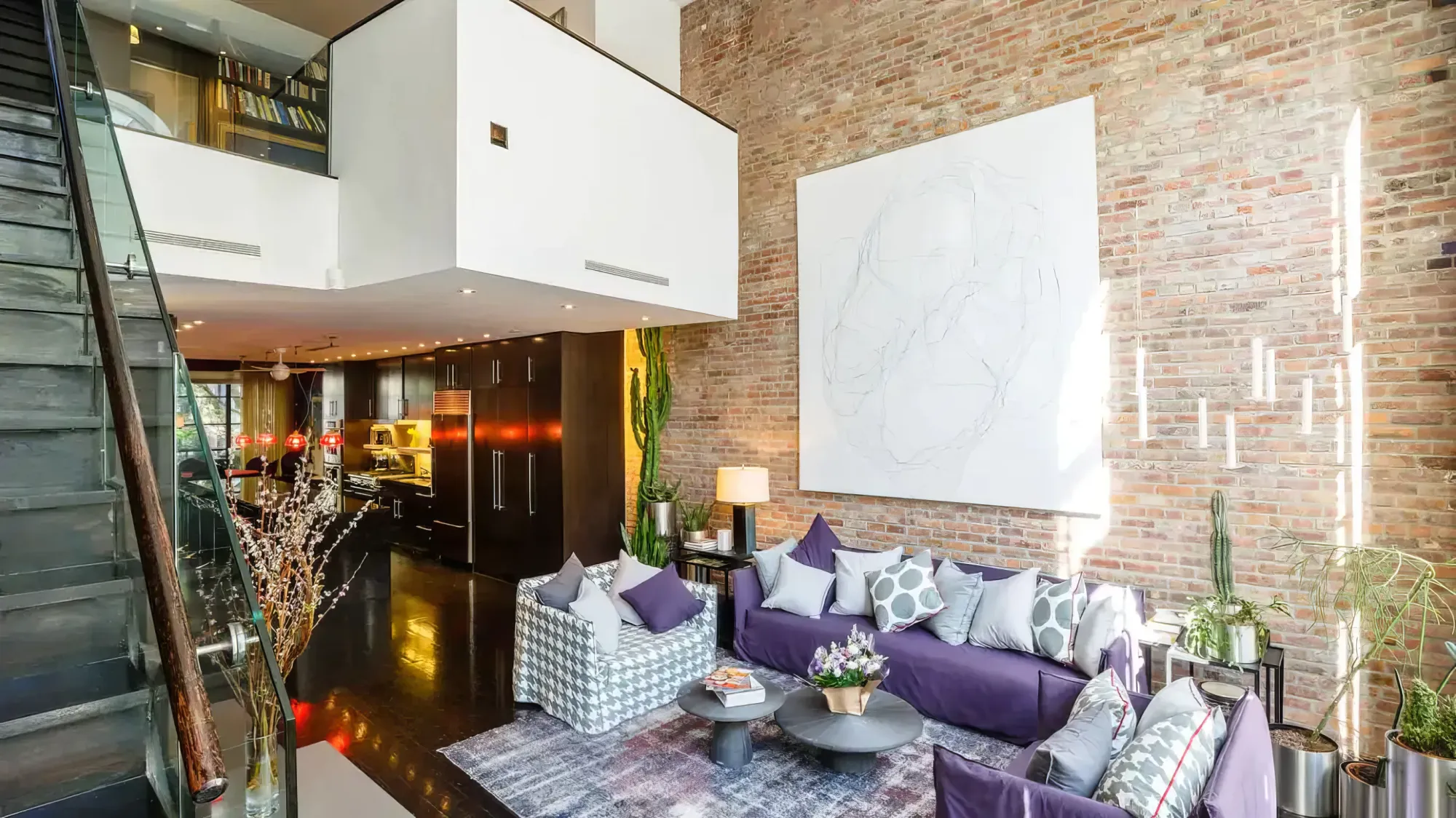
Townhouse Esme
Townhouse Esme is a spectacular residence perched in the iconic East Village. This distinct property brims with historical intrigue, the building formerly used as a synagogue before its adaptation by world-renowned designers. Four individually designed bedrooms accommodate eight in comfort and discretion.
Brooklyn And Williamsburg
Beyond Manhattan, Brooklyn and Williamsburg offer their own compelling gravity. The Brooklyn Bridge provides one of the great urban walks in the world and Barclays Center has brought major-league sport and world-class concerts to the waterfront. LVH maintains private homes in Williamsburg, available upon inquiry.
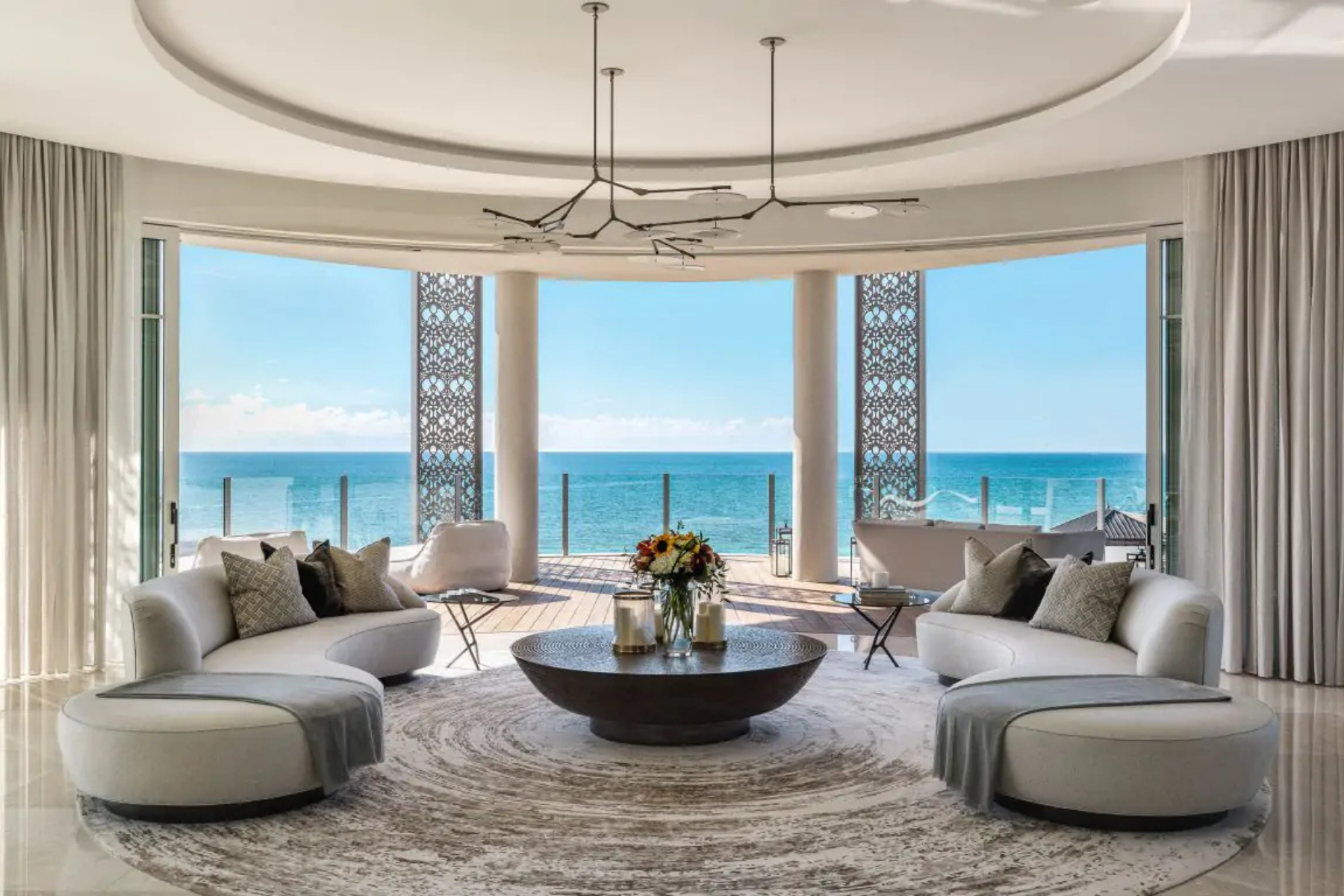
Discover the world's most luxurious penthouses
Browse our Penthouses CollectionMuseums & Culture
The history of New York's cultural institutions is inseparable from the history of American wealth. In the closing decades of the 19th century and the opening decades of the 20th, the great industrialist dynasties such as Vanderbilt, Carnegie, Guggenheim, Morgan, channeled fortunes into patronage on a scale not seen since the Medicis of 15th-century Florence. The result is a concentration of world-class New York City museums in a single city unmatched anywhere else. The Whitney Museum alone stands as an expression of the Vanderbilt legacy. Museum Mile, five world-renowned institutions arranged along a single mile of Fifth Avenue, is a civic achievement without parallel. Exploring New York City's museums is among the most rewarding things to do in NYC, whether you arrive for a week or a month.
The Metropolitan Museum Of Art
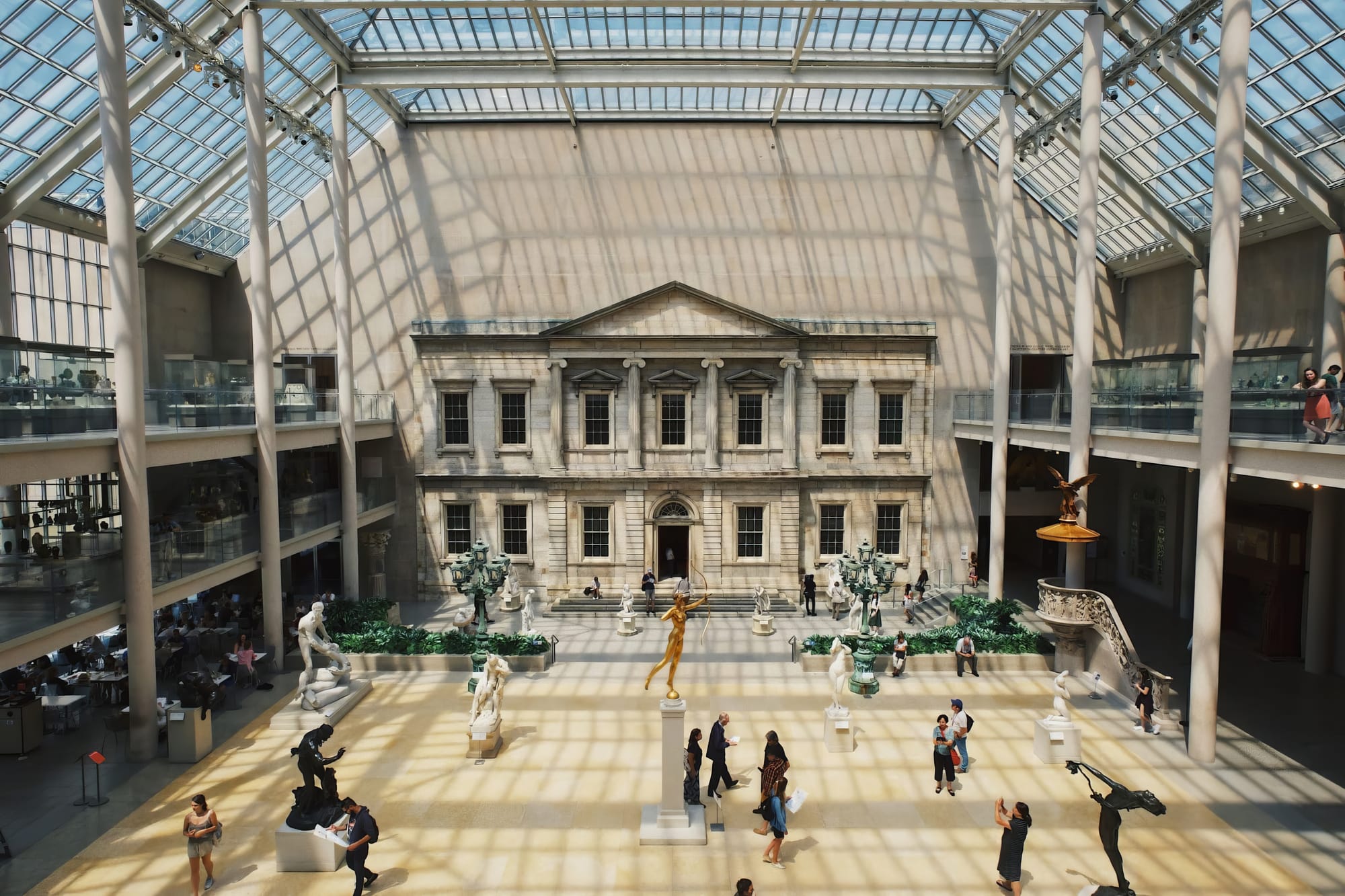
The Met is the largest and most encyclopedic art museum in the Western Hemisphere. Opened in 1880 and situated at the eastern edge of Central Park, the Met holds more than two million objects spanning 5,000 years of human civilization,from Old Master paintings of the Italian Renaissance to the complete Ancient Egyptian Temple of Dendur, transplanted block by block from the banks of the Nile. A single visit cannot do justice to the collection. Most guests with serious interests in particular periods find it productive to return multiple times, focusing each visit on a different wing. It is the greatest museum in the world for sheer encyclopedic range.
The Museum Of Modern Art
Since its founding in 1929, MoMA, in Midtown Manhattan, has played a defining role in shaping how the world understands and talks about modern art. It holds permanent collections of Cézanne, Picasso, Matisse, Pollock and Warhol alongside a film archive, architecture and design collection and one of the world's most active exhibition programs. As an institution it has as much claim to having invented the language of artistic discourse as any gallery in Paris or London and its Midtown location makes it a natural anchor for an afternoon in the neighborhood.
The Solomon R. Guggenheim Museum
The Solomon R. Guggenheim Museum is as much an architectural pilgrimage as a gallery visit. Frank Lloyd Wright's 1959 building is a radical, spiraling coil of smooth white concrete that ascends like an inverted ziggurat, The buidling was a departure so complete from conventional museum design that it remains startling 65 years later. The collection inside rewards the journey. The Guggenheim holds the world's largest assembly of Kandinsky's paintings and substantial holdings of Picasso, Paul Klee and Joan Miró, and the building's unique geometry means the experience of moving through the collection, spiraling gently upward along the central ramp, is unlike that of any other museum.
The Whitney Museum Of American Art
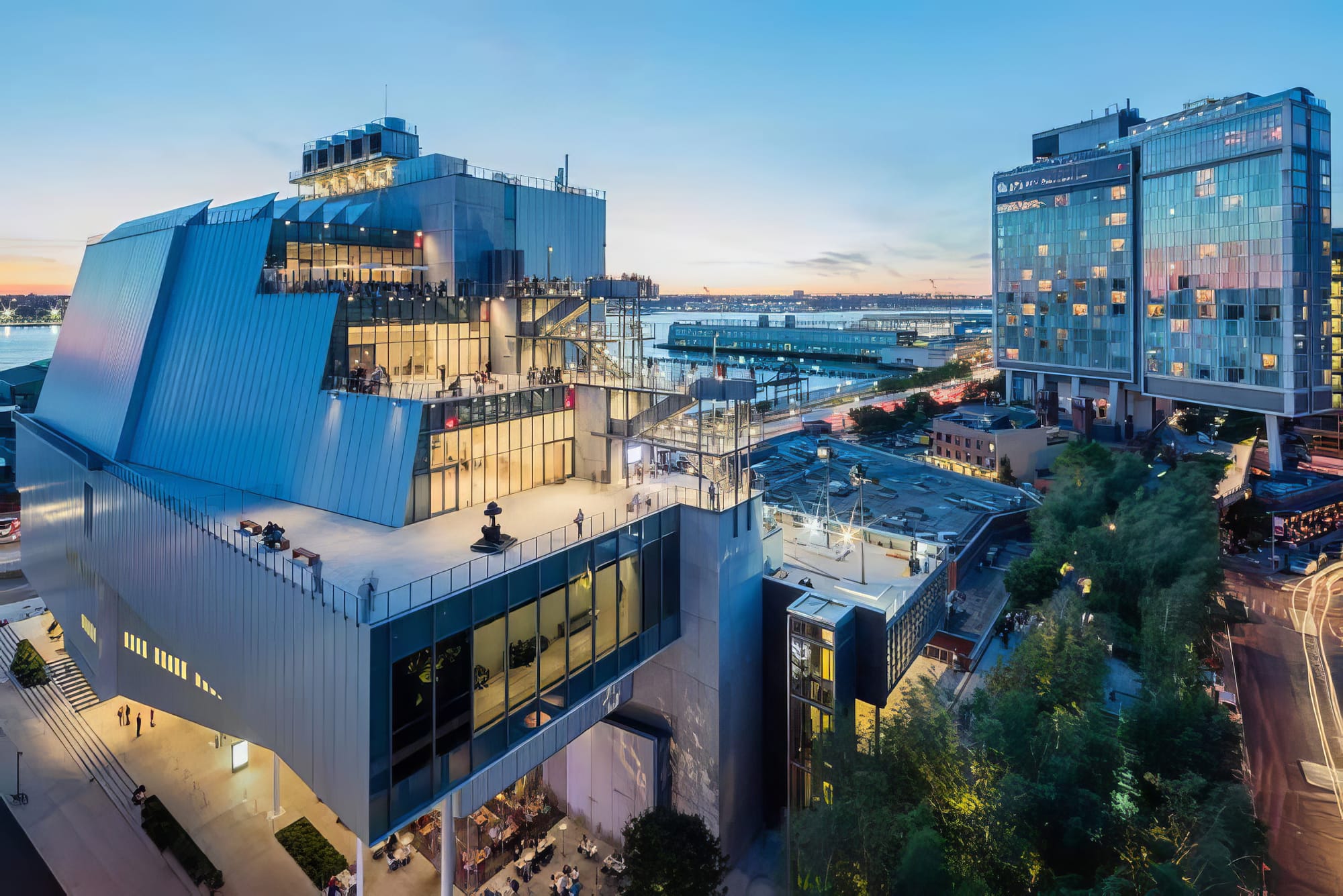
The Whitney Museum of American Art, founded in 1930 by Gertrude Vanderbilt Whitney, focuses exclusively on 20th and 21st-century American art and for nearly a century has beenthe most important institutional champion of American artists working in the present tense. Relocated to its striking Renzo Piano-designed building in the Meatpacking District in 2015, the Whitney now enjoys Hudson River views from its outdoor terraces and a gallery experience tailored to the enormous, ambitious canvases that define so much American post-war painting.
American Museum Of Natural History
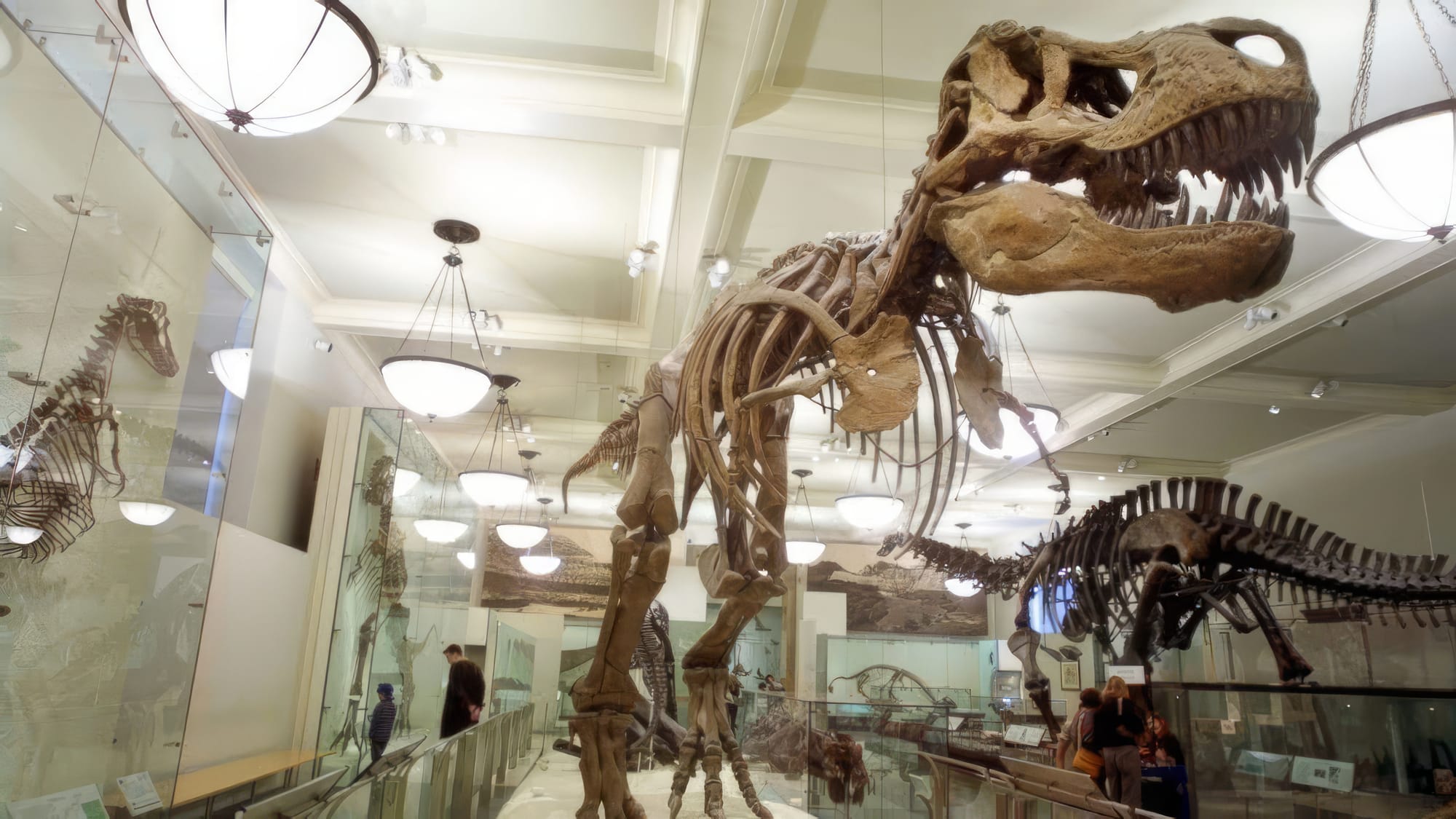
The American Museum of Natural History on the Upper West Side occupies a different position in the landscape with less art, more inquiry. One of the world's preeminent scientific institutions, the museum maintains more than 45 permanent exhibition halls covering the full span of the natural world and the known universe. The Hayden Planetarium, the Hall of Ocean Life and the Theodore Roosevelt Memorial Hall are among the most impressive public spaces in the city. The museum is equally rewarding for guests with children.
Matthew Marks Gallery
For contemporary and cutting-edge work, Matthew Marks Gallery operates across three Chelsea spaces, more than 18,000 square feet since its founding in 1991. The venue represents artists across painting, sculpture, photography and printmaking and consistently stages some of the most important gallery exhibitions in the city.
Artechouse
At the opposite end of the experiential spectrum, Artechouse in Chelsea creates large-scale immersive light environments. It pushes the boundaries of what an exhibition can be, making it one of the more genuinely surprising attractions in New York City for guests who believe they have seen everything the cultural calendar has to offer.
Theaters & Performing Arts
Theater is encoded in the DNA of New York in a way not true of any other city, or at least not in the same register. London has the West End, New York has Broadway and the difference is not merely one of geography but of cultural weight. The city's stages provided the early 20th-century groundwork of its cultural life and Broadway show titles and iconic vintage-bulb signage have shaped global views on glamour and celebrity for generations. To attend a performance here, in one of the 41 large theaters concentrated near Times Square, is to participate in something central to Manhattan's cultural life for more than a century. For a city so committed to the future, its performance culture remains one of the most enduring and meaningful ways to understand where it has come from.
Broadway
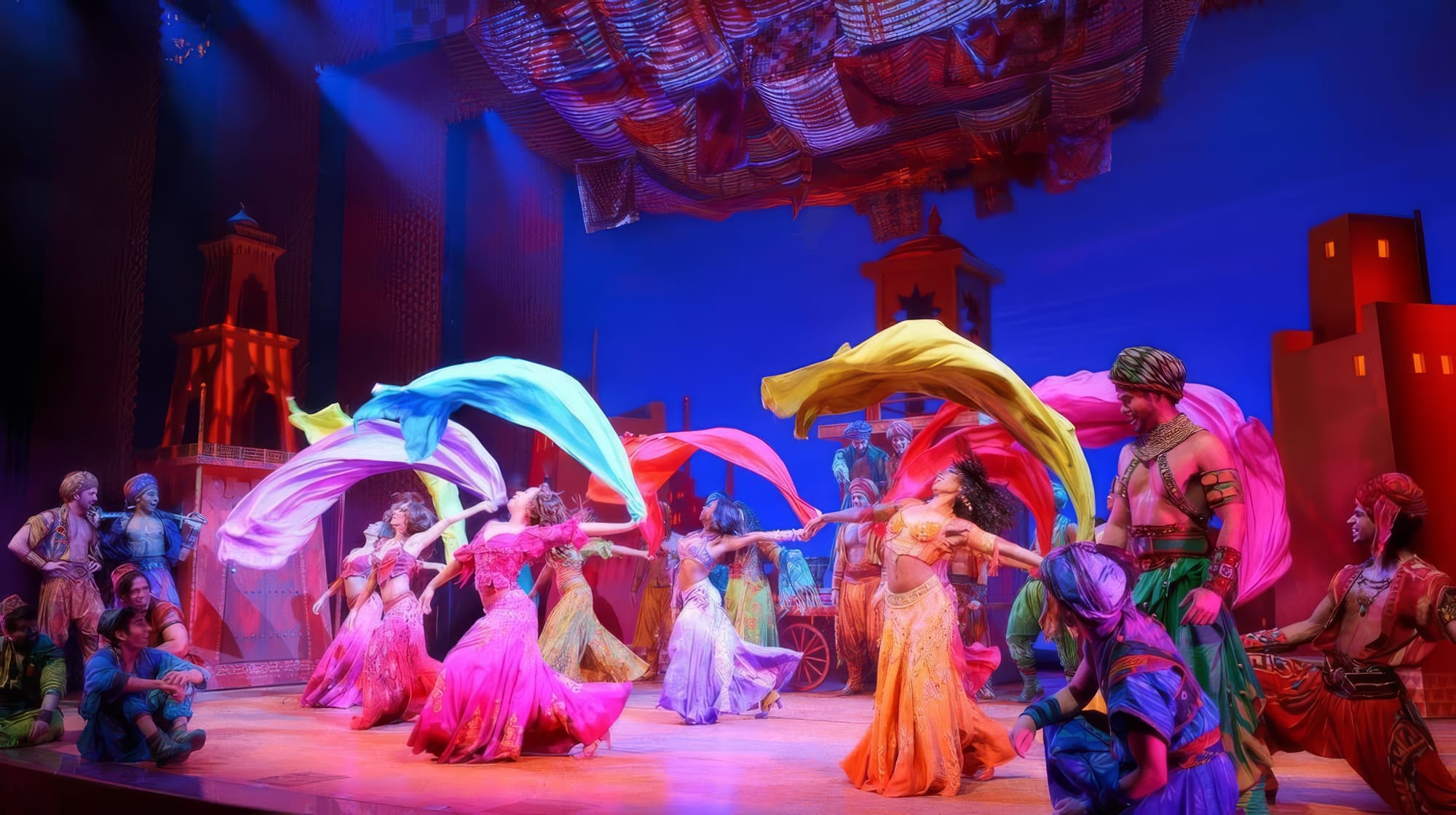
Broadway takes its name from the thoroughfare that bisects Manhattan diagonally, but the word itself has become shorthand for live theatrical production at the highest level. The Great White Way, named for the spectacular vintage-bulb marquees that illuminate the neighborhood after dark, offers an extraordinary range at any given moment. Long-running musicals that have become institutions in their own right sit alongside newly opened productions representing the most adventurous work in contemporary theater. The choice runs from revivals of mid-century classics to productions that premiered elsewhere in the world and found their permanent home here. Theater-goers can see intimate dramatic pieces of such technological and theatrical ambition that the stagecraft alone justifies the ticket. Securing premium seats, whether for opening nights, specific runs or sold-out productions, is a request that rewards advance planning and knowledgeable assistance. Seeing a Broadway show is one of the most satisfying outings in New York for first-time and returning visitors alike.
The Metropolitan Opera
Founded in 1883, The Metropolitan Opera, in its current Lincoln Center building since 1966, remains one of the two or three greatest opera companies in the world. The roster of artists who have developed their careers under its roof reads like a catalog of 20th-century vocal greatness. The company's production values, chorus, orchestra and willingness to stage challenging contemporary work alongside the canonical repertoire give it a vitality older institutions sometimes lose. The season runs September through May with productions in the main house mounted on an enormous scale. The building itself, designed by Wallace Harrison and opened in 1966, is worth experiencing as architecture. The broad plaza of Lincoln Center at night and the great windows of the Met lobby illuminated from within, constitute one of the most beautiful views in a city not short of beautiful views.
American Ballet Theatre
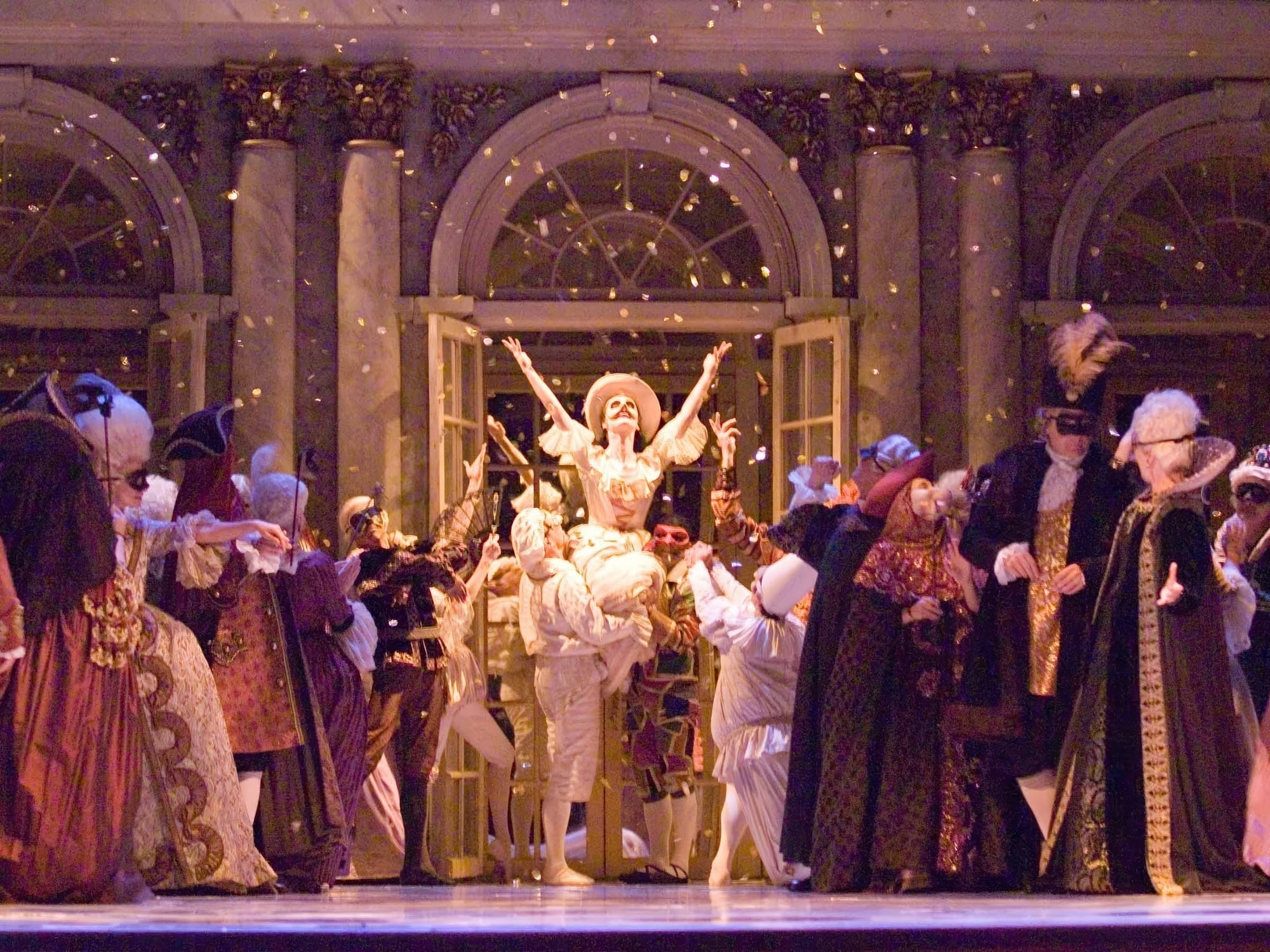
American Ballet Theatre, whose home at Lincoln Center places it steps from the Upper East Side LVH luxury property portfolio, is an internationally celebrated institution maintaining artistic and professional standards at the highest level for decades. Its roster of principal dancers has included the most celebrated figures in the art form, and the productions it mounts, from the full-length 19th-century classics to more contemporary commissions, are executed with a combination of technical precision and interpretive freedom genuinely difficult to find at this level anywhere else. It is one of the finest places in the world to experience classical ballet. The experience requires no prior engagement with the form to be immediately and completely captivating.
Fine Dining in New York City
No serious assessment of New York City's position in the world can ignore what happened to its restaurant scene over the past two decades. The city entered what food critics and historians are increasingly willing to call a golden age or a period of creative ferment, critical recognition and relentless novelty that has kept even most well-traveled guests constantly surprised. Manhattan holds more Michelin-starred restaurants than almost any other city anywhere and the range of what those stars represent, from three-generation Roman institutions to Afro-Caribbean chronicles of a New York childhood, reflects the city's singular culinary synthesis. New York has any cuisine, any tradition and any price point and will have it well. Dining well is one of the great things to do in New York for 2026 and options have never been richer.
Daniel
Daniel, on the Upper East Side, is the city's most formally magnificent French restaurant. Two Michelin stars recognize the kitchen's consistent mastery of contemporary French technique. A jacket is required for gentlemen and elegant dress for ladies is recommended. The Bellecour Room is a private dining space of unusual beauty and can be reserved for groups, while the main dining room and lounge offer the full experience to guests arriving from Townhouse Narcissa, only blocks away. This is dining as an occasion, with all the ceremony it implies.
Le Bernardin
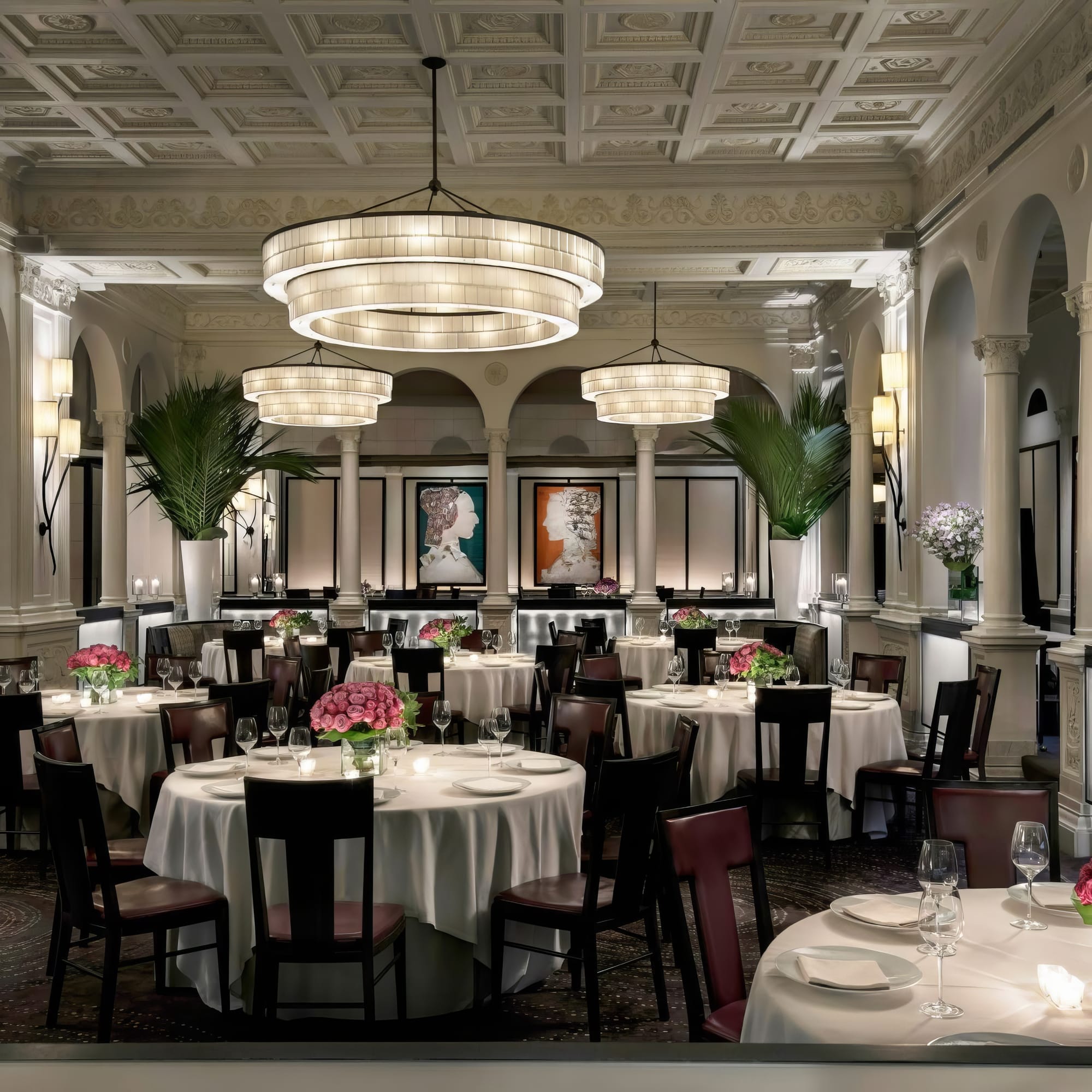
Le Bernardin in Midtown represents perhaps the purest expression of seafood fine dining anywhere in the world. Its Michelin recognition endures as an acknowledgment of sustained excellence rather than fashion and the kitchen's ability to elevate fish and shellfish into the canon of classical French cuisine, while never losing sight of the essential character of the ingredient, has made it a benchmark that other seafood restaurants measure themselves against. The room is elegant and hushed, the service unhurried and precise.
Gramercy Tavern
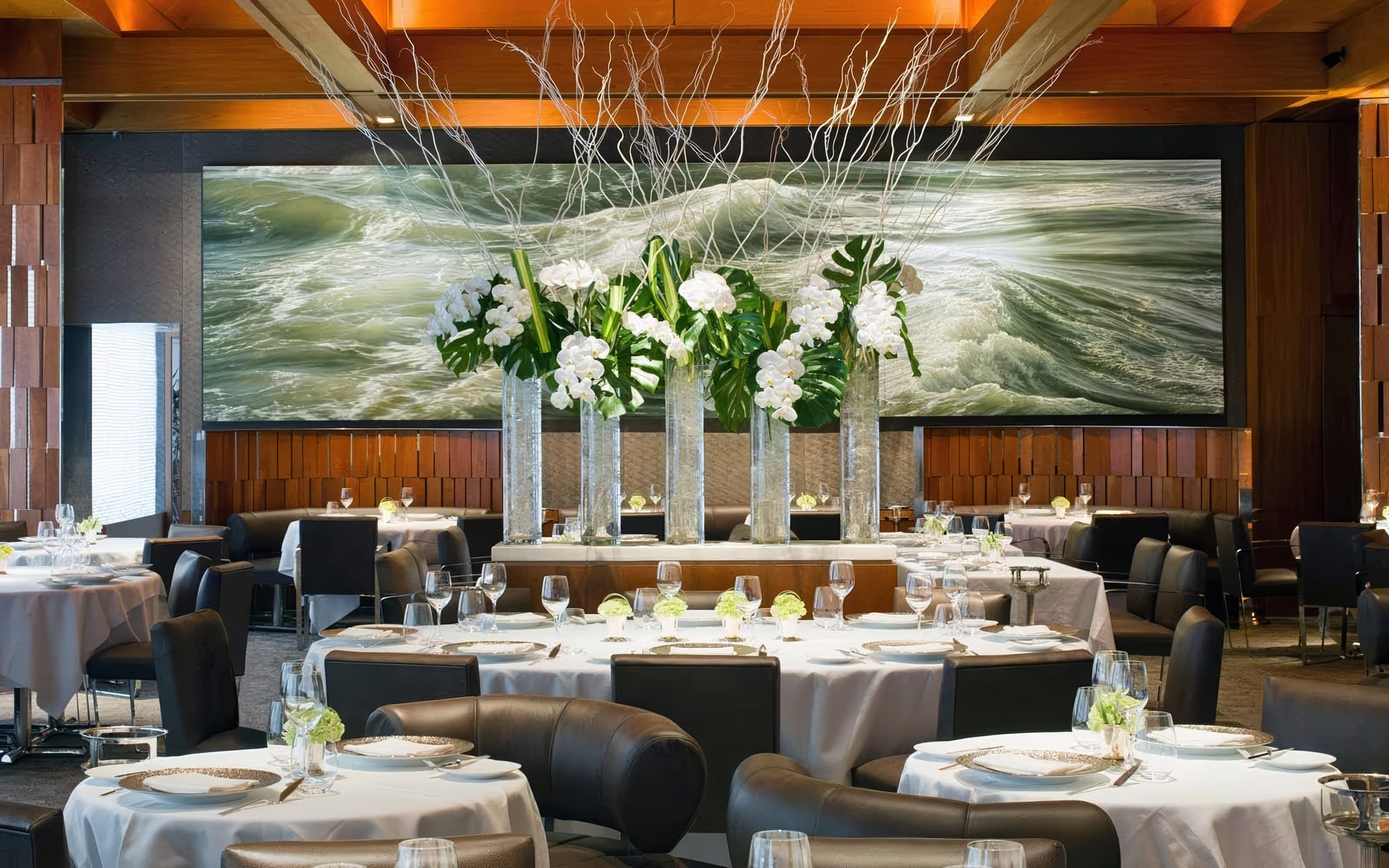
Michelin-starred Gramercy Tavern holds a particular position in the affections of New Yorkers that goes beyond its critical reputation. The dining room, with its wide wooden tables and walls that absorb the warmth of long evenings, has a quality of a settled, confident welcome newer restaurants spend years trying to achieve. A sophisticated dress code is recommended. The contemporary American menu changes seasonally reflecting the kitchen's deep commitment to sourcing and craft.
Casa Mono
Casa Mono, east of Union Square, earned its Michelin star with a menu wholly devoted to the flavors of Spain, not the tourism-brochure version, but the real thing. Cuisine from the bars and tabernas of Madrid and Barcelona, executed with the precision of a kitchen that takes its subject seriously is what is found at Casa Mono. The wine list tilts heavily Spanish and rewards exploration; for guests with a genuine interest in Iberian food and wine culture. A meal at Casa Mono is among the most satisfying evenings the city offers.
Carbone
Carbone, in Greenwich Village, has achieved something that few restaurants manage. It has become a genuine cultural phenomenon without losing its identity as a restaurant. The retro glamour of the room with red leather banquettes, tuxedoed waiters, the particular quality of the light, creates an atmosphere of theatrical pleasure entirely its own. The famous red sauce dishes are one reason to go and they deliver. Securing a reservation requires patience or assistance.
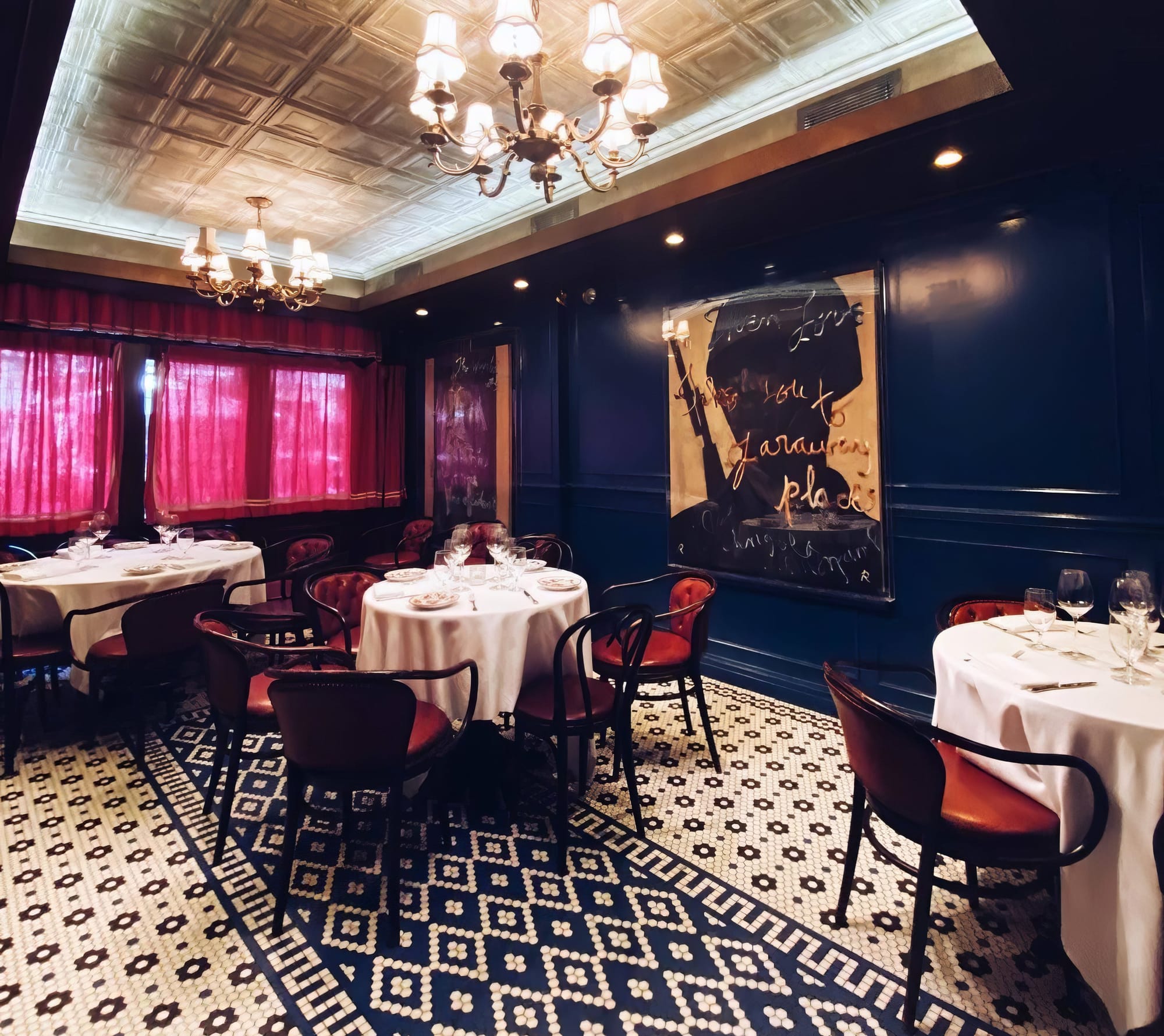
Frenchette
Frenchette in Tribeca arrived in 2018 and won the James Beard Foundation's Best New Restaurant award the following year. The recognition merely confirmed what the neighborhood had already discovered. Chefs Riad Nasr and Lee Hanson created a restaurant that honors French bistro tradition with genuine understanding. Here, guests will find escargots, tortilla española and spaghetti with shaved bottarga on the menu with first-rate desserts and a wine list designed for curious drinking rather than label-hunting.
Sartiano's
Sartiano's at the Mercer Hotel in SoHo is the vision of lifestyle architect Scott Sartiano, who has assembled around him a room, a team and a menu collectively representing modern Italian dining at its most considered. The culinary direction comes from Chef Alfred Portale, a three-time James Beard Award winner whose approach to New American and Italian cuisine earned him a Michelin Star. The hotel setting lends the restaurant a discretion and an ease of service free-standing restaurants sometimes struggle to achieve.
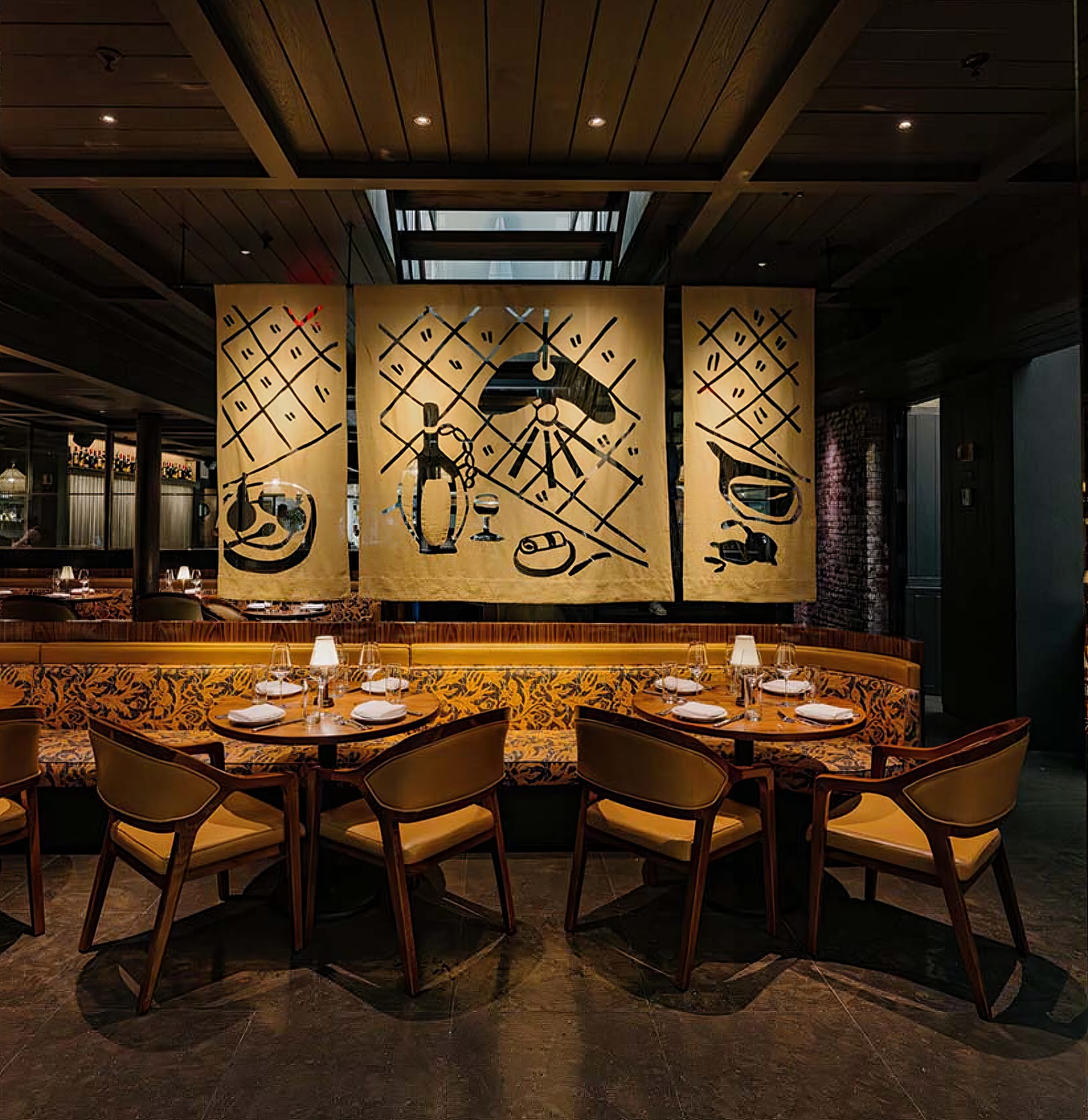
Torrisi Bar & Restaurant
Torrisi Bar & Restaurant, housed within the historic Puck Building in Nolita, is the creation of Major Food Group of Rich Torrisi, Jeff Zalaznick and Mario Carbone who have shaped the direction of New York dining for more than a decade. An open kitchen, the first thing that greets the eye on arrival, adds theatrical dimension to a room already commanding attention. The food is a serious reconsideration of what Italian-American cuisine is, has been and what it might become.
Tatiana By Kwame Onwuachi
Tatiana by Kwame Onwuachi is one of the most engaging restaurants in the city. Onwuachi has created a menu that draws on his Afro-Caribbean heritage and his New York upbringing including flavors of Italian bakeries, Chinese takeout, Caribbean roti shops and bodegas. These are distilled into dishes of remarkable warmth and precision. The restaurant has attracted as much critical attention as any New York opening in recent memory and it has earned it.
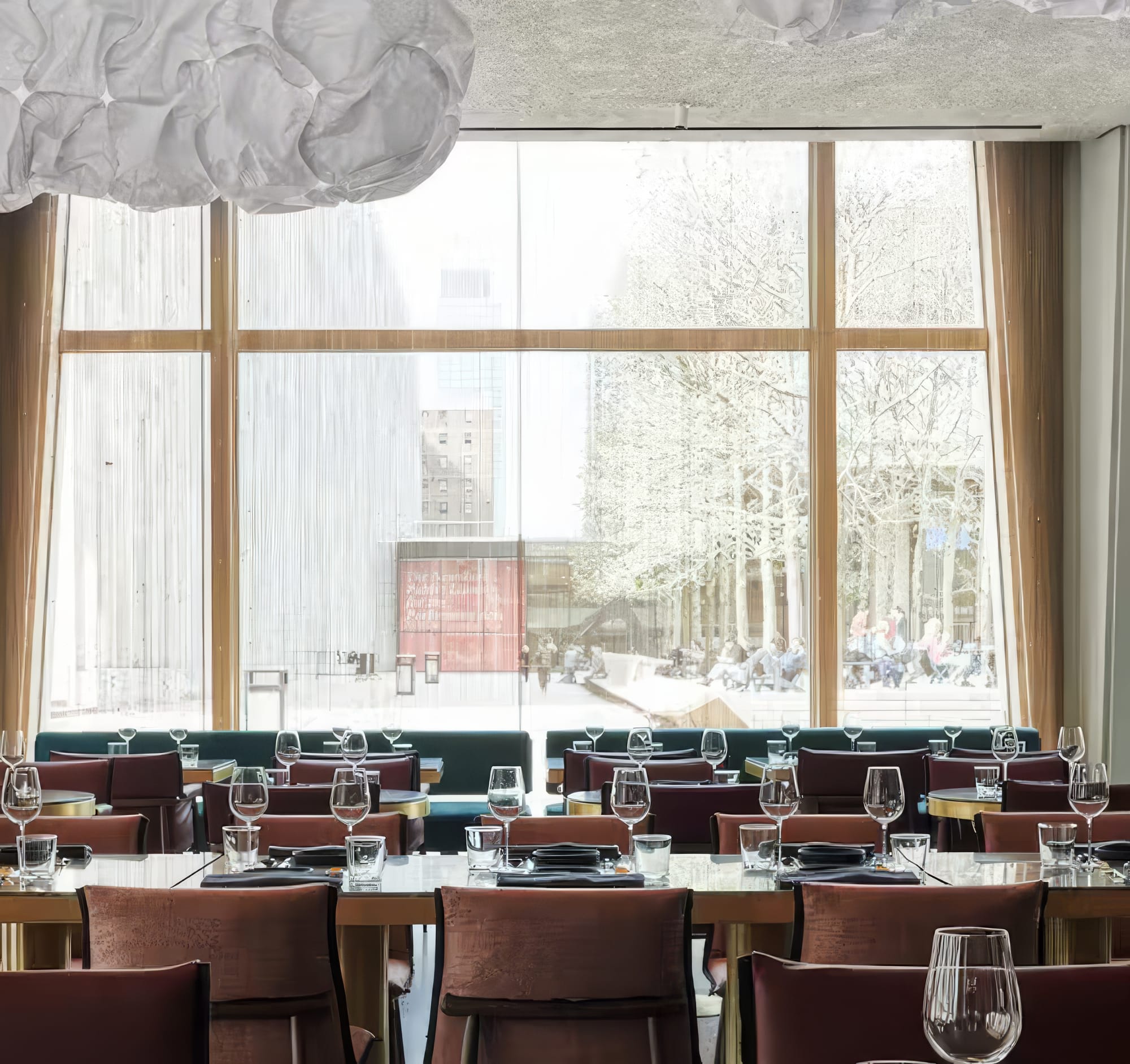
Theodora
Theodora, the newest venture from Chef Tomer Blechman, refines the Mediterranean cooking style he developed over his career with a deeper focus on open-fire techniques and dry-aged fish. The room is alive with energy, rustic warmth and balanced against modern precision. The natural wine program has been assembled with genuine intelligence. It represents exactly the kind of restaurant that makes New York's dining scene permanently interesting: ambitious and personal.
Other Restaurants
Among restaurants not featured at length but worth noting for guests planning an extended stay include Bungalow in the West Village offering a sophisticated journey through the culinary traditions of all 28 Indian states, drawing on the opulent vintage clubhouses of India as its aesthetic reference. Cote in the Flatiron District brings Michelin-starred craft to the Korean barbecue format, complete with an in-house meat aging room. Noda in the Flatiron District offers refined Japanese cuisine in a romantically dim room. Le Chêne in the West Village brings Parisian sophistication and technical precision to a serene, contemporary interior and Indochine, operating since 1984 on Lafayette Street, remains one of the most atmospherically consistent restaurants in the city. It is a Vietnamese-French institution that has outlasted countless trends.
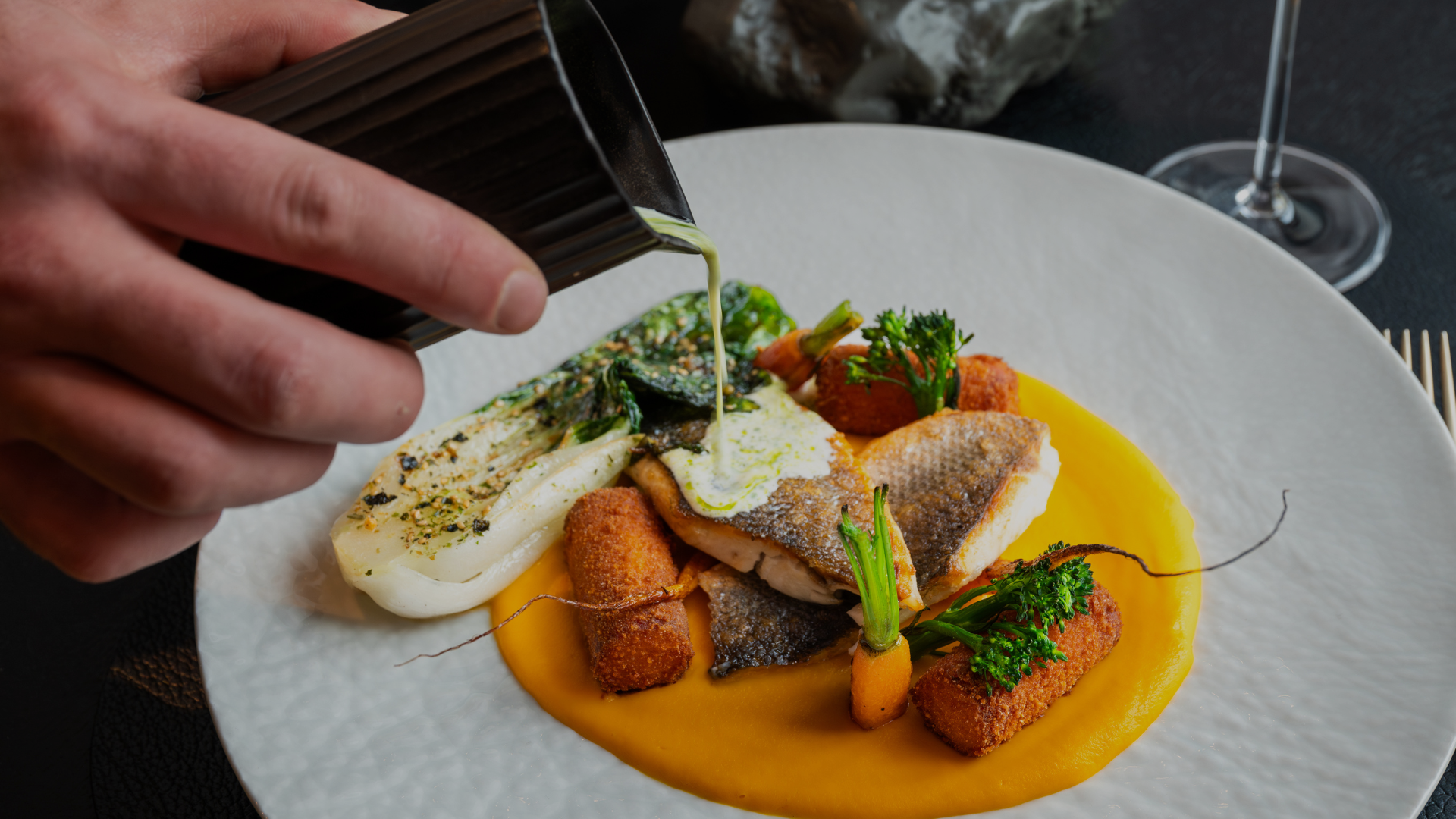
To elevate your NYC experience, let our concierge team arrange a private chef dinner to sample local flavors.
LVH ServicesBars & Nightlife
They don't call it the city that never sleeps without reason. New York's nightlife carries a mythology, built layer by layer from the speakeasy culture of Prohibition., Supper clubs of the 1940s and 1950s, the velvet-roped exclusivity of the 1980s and the more knowing, piano-inflected renaissance of the present day make Manhattan after dark a different city. Lit from within, streets become alive with a specific kind of purposeful pleasure, the sense that something significant might happen around any given corner. Bars in New York listed below are not merely places to have a beverage. They are rooms with histories, character andunderstand what they are. Visiting them is among the most purely pleasurable things to do in New York City.
Bemelmans Bar
Bemelmans Bar, at The Carlyle Hotel on the Upper East Side, has been a New York institution since 1947 and represents the pinnacle of Manhattan cocktail culture. It takes its name from Ludwig Bemelmans, creator of the beloved Madeline children's books, who painted his only remaining public murals here. These whimsical, warmly observed park scenes line every wall. The Art Deco interior with a 24-karat gold leaf ceiling, chocolate-brown leather banquettes, a black granite bar trimmed in nickel, creates a backdrop of immense refinement for meticulously crafted cocktails that have attracted socialites, world leaders and celebrities for generations. Nightly live piano enhances the atmosphere. For guests staying at Townhouse Narcissa, a few blocks away, it is the natural choice for an evening in the city.
The Nines
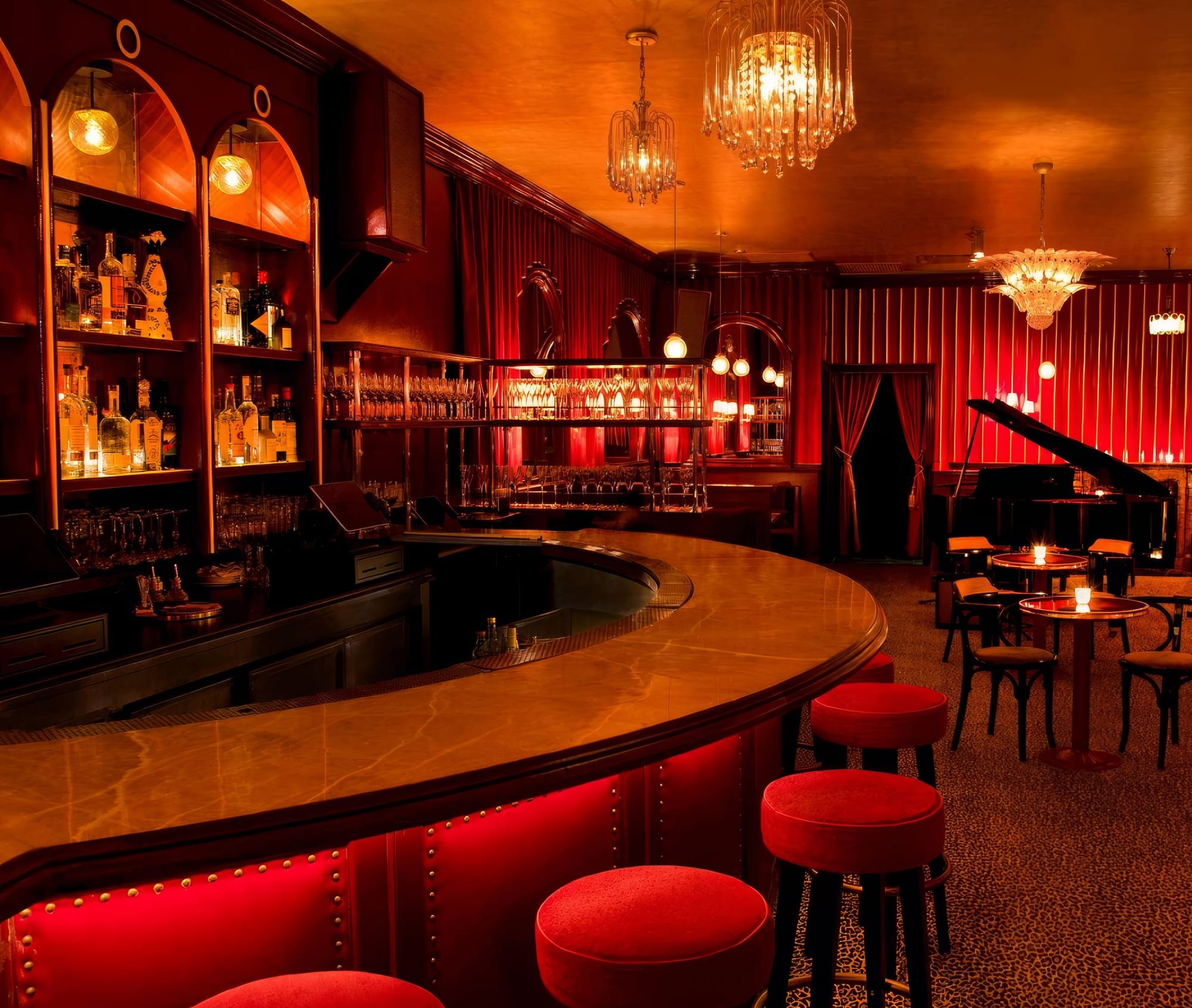
The Nines, on Great Jones Street in NoHo, feels both newly discovered and ancient. Crimson velvet curtains part to reveal a room draped in burgundy, leopard-print carpeting and glittering chandeliers. This is the aesthetic of a golden-age supper club, executed with contemporary conviction. Live piano runs from 6 p.m. to midnight, moving through mellow Motown and into more spirited vocal sets as the evening deepens.
The Living Room At The Faena
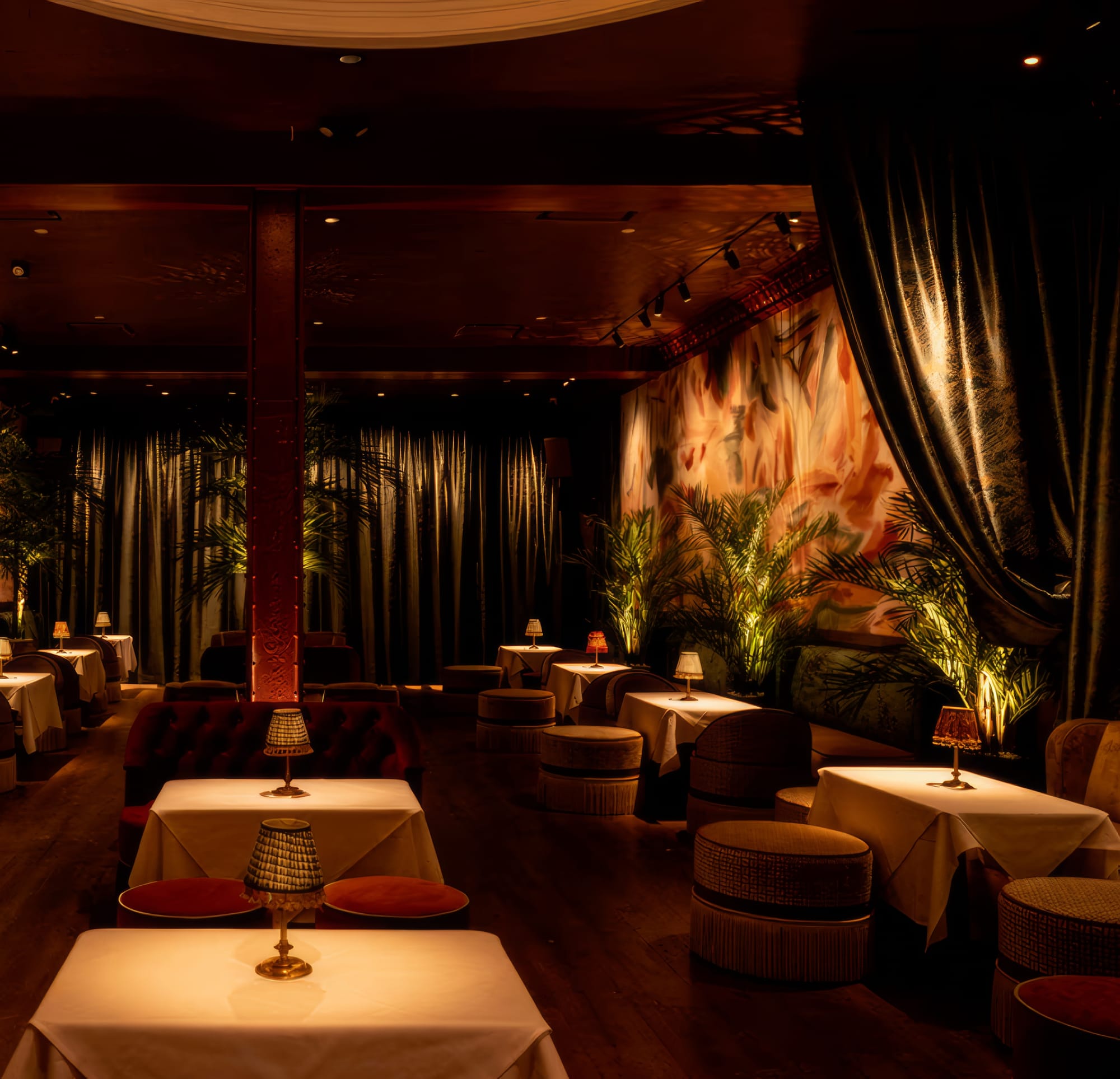
The Living Room at The Faena brings the signature golden-age glamour of the Faena brand to West Chelsea with breathtaking scale. The 160-foot-long gallery space features twin Art Deco-inspired bars at each end, backed by original murals from creative director Juan Gatti. Leopard-print sofas, glass tables supported by botanical gold legs and nightly curated entertainment fill the space between. It is a room of considerable ambition offering an experience unlike anything else in the city.
Drai's Supper Club
Drai's Supper Club, in the historic location that once held Up & Down and Nell's, has been transformed by Victor and Dustin Drai into something that manages to be both retrospective and alive. The upstairs dining room with red velvet booths, floral chairs and gilded accents beneath grand chandeliers, serves French-inflected dishes alongside live jazz. Downstairs, a cocktail lounge with cheetah-print details and replicas of Tamara de Lempicka paintings creates a more club-oriented atmosphere. Open Wednesday through Saturday from 6 p.m., it captures the elegance of the grand European piano bar while remaining unmistakably New York.
Le Bar Penelope
Le Bar Penelope on the Upper East Side transports guests with considerable conviction to old-world Europe, specifically the Paris of heavy drapery, crystal chandeliers and a certain kind of opulent languor. Rich red velvet, damask prints and lush foliage throughout create a garden-like quality unusual in Manhattan. The menu presents assorted caviars, raw bar selections and elevated Asian-inspired cuisine, alongside a champagne list of a quality befitting the room's aesthetic ambitions. Live entertainment runs Tuesday through Saturday.
Other Noteworthy Bars
The Club Room at Soho Grand Hotel blends uptown elegance with downtown energy across two rooms of cocktail bar and live music, with Wednesday through Saturday performances ranging from electric pianists to Manhattan's most coveted DJs. So & So's Piano Bar, within the Romer Hell's Kitchen Hotel, honors the area's Broadway legacy through performances by Juilliard-trained pianists and celebrated cabaret artists.
Shopping in New York City
New York City is the birthplace of modern advertising and a world economic center. If these facts alone do not explain its status as the planet's most significant luxury shopping destination, the density of what exists here will. Whatever a guest's retail preferences whether independent, auction house, bespoke tailor, New York has it and has it at a depth and quality that exhausts comparison. The three primary shopping districts each offer a distinct experience and the most satisfying days typically move between all three. Shopping is one of the classic New York activities in New York City with nowhere else doing it at this level.
Fifth Avenue
Fifth Avenue, known to a previous generation as Millionaire's Row, runs the full length of Manhattan from north to south and concentrates its most extraordinary retail on the blocks between the 50s and the 60s. The world's most expensive retail real estate is here and the reasons are visible. Visitors will find Louis Vuitton, Tiffany & Co., Gucci, Prada, Valentino, Armani and Fendi maintaining flagship presences whose scale and design investment reflect the commercial importance they assign to this particular stretch of pavement. Walking Fifth Avenue is not merely shopping, it is an encounter with the physical expression of how the world's most significant luxury brands understand themselves.
Madison Avenue
Madison Avenue, running north through the Upper East Side, offers something more refined and more personal than the spectacle of Fifth. On more than a mile-and-a-half of street, more than 150 designer boutiques create a shopping environment for people who have been coming to the same Hermès, the same Brunello Cucinelli, the same Ralph Lauren for years. Jimmy Choo, Chanel, Cartier, Louis Vuitton and Fendi are among names represented alongside smaller, more specialist houses. Guests staying at Townhouse Narcissa can reach the heart of Madison Avenue on foot in minutes.
The Flatiron District
The Flatiron District provides the counterpoint to the pure luxury of the two avenues. This is a shopping neighborhood of greater authenticity, more local character and more surprises. The Marimekko flagship makes this its home, while the Chelsea Flea Market brings an entirely different kind of acquisition to the neighborhood on weekends.Rizzoli Bookstore, one of the most beautiful bookshops in the world, occupies a space that commands a particular kind of loyalty from those who discover it. A morning here, followed by lunch at Eataly and an afternoon in Madison Square Park, constitutes one of the more complete Manhattan days.
Landmarks of New York City
New York's landmarks have been reproduced so many times in films, on television and in advertising. Seeing them in person can feel like reality is finally catching up to the image. But images are inadequate here. The Statue of Liberty is not diminished by familiarity. She is overwhelming in person The Empire State Building is not merely a silhouette, but is an engineering achievement of the first order, built in 410 days during the depths of the Depression. Each of New York's great landmarks tells a story of steadfast resolve and enterprising ambition that survives any number of reproductions. Visiting them is central to any list of things to do in New York.
Statue Of Liberty
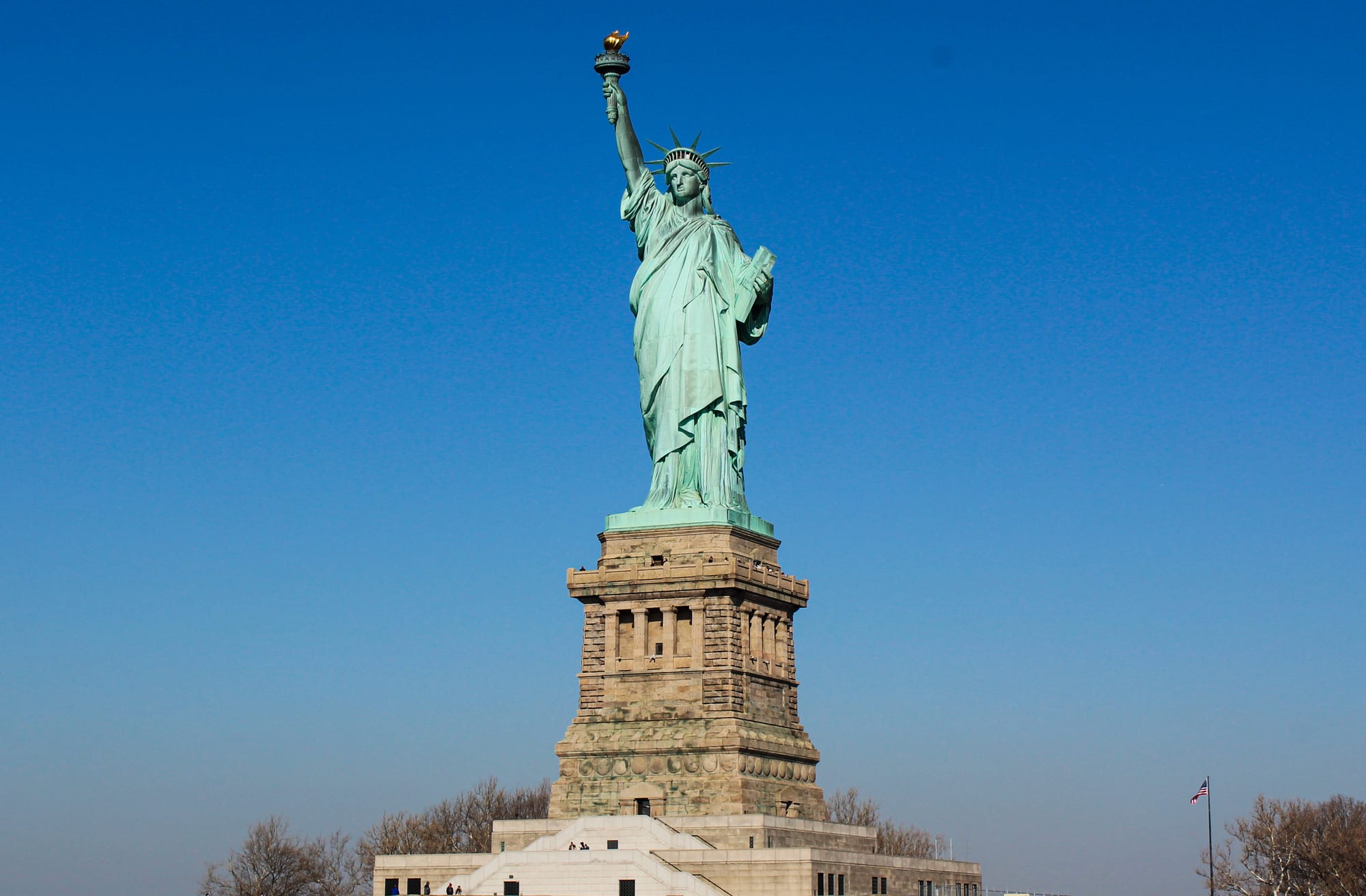
The Statue of Liberty stands 305 feet above Liberty Island in New York Harbor. This gift from France was dedicated in 1886 and still carries the emotional charge of its original purpose. The figure is a personification of liberty with her torch raised in the right hand, a tablet inscribed with the date of American independence clasped in the left, the broken shackles of tyranny at her feet. To see the Statue of Liberty from the water is to understand why this island in New York Harbor has meant so much to so many millions of people. Visiting at dawn by private charter, before the public ferries begin their runs, is the finest way to experience it and is unlike anything else the city offers. The view of the statue from the water and the view of the New York City skyline behind it, are among the most stunning views available anytime.
The Empire State Building
The 102-story Empire State Building was completed in 1931. Art Deco steel and Indiana limestone, designed by Shreve, Lamb & Harmon was built in just more than a year by a workforce of up to 3,400 men per day. At 1,454 feet including its antenna, it was the tallest building in the world at completion and remains the most recognizable element of the iconic New York Midtown skyline. Observation decks on the 86th and 102nd floors offer views of the island of Manhattan in its entirety including bridges connecting it to its neighbors and water surrounding it on all sides.
The Brooklyn Bridge
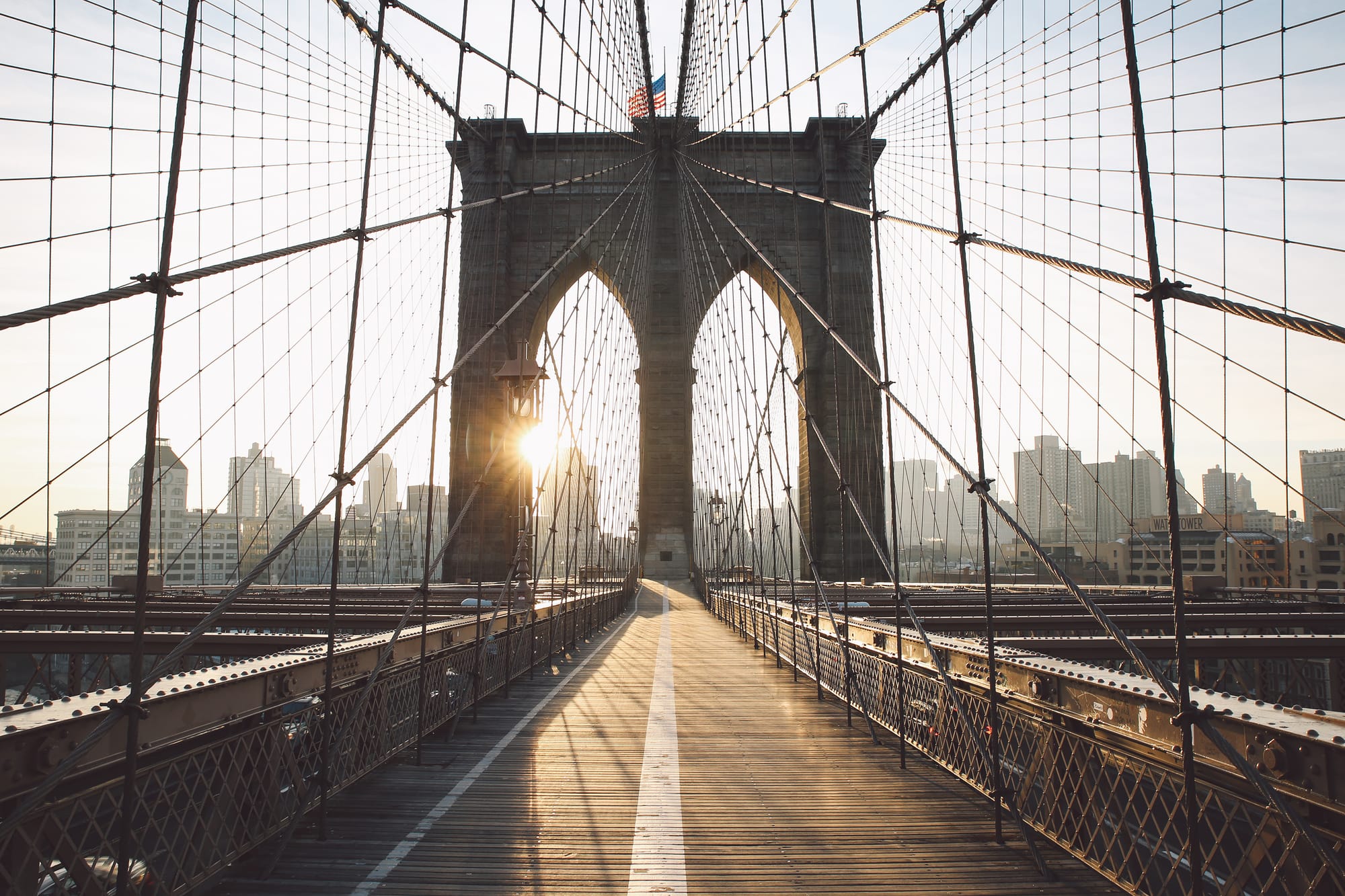
The Brooklyn Bridge opened on May 24, 1883, after 14 years of construction that claimed the lives of 27 workers and permanently damaged the health of its chief engineer Washington Roebling, who directed the final stages of the project from a chair in his apartment overlooking the bridge using a telescope. The result is a hybrid cable-stayed suspension bridge spanning 1,595 feet across the East River. It was the longest suspension bridge in the world at the time of its completion and remains one of the most elegantly engineered structures in the city. Walking the bridge at sunrise, when Manhattan's towers are still silhouetted against a lightening sky, is one an experience guests tend to return to on every visit.
Times Square
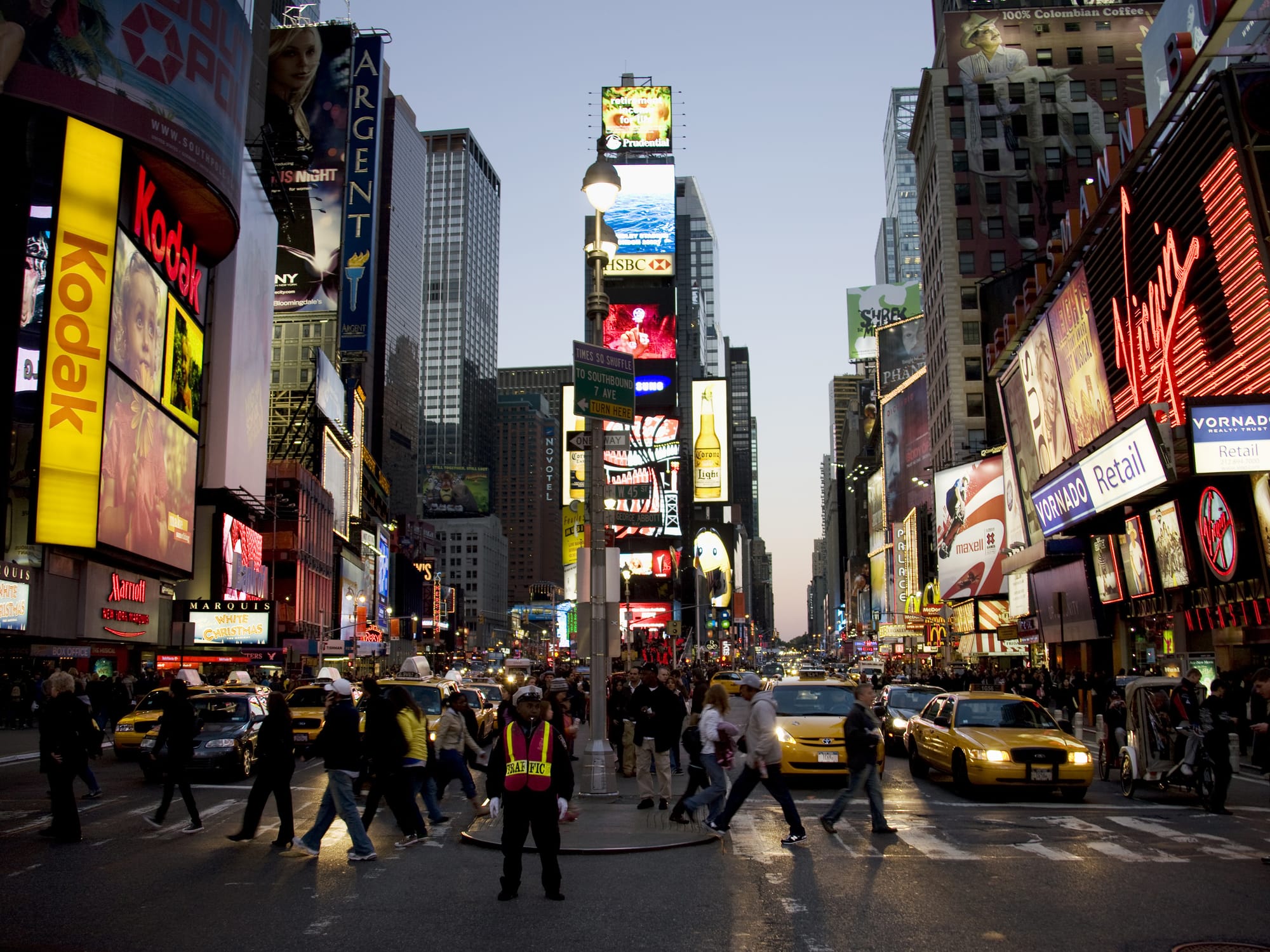
Times Square, at the intersection of Broadway and Seventh Avenue in Midtown, is the most commercially intense public space in the world. The city's residents call it the Crossroads of the World. Brilliant with electronic signage and advertising at every hour of day and night, it is also the center of Broadway's theater district and the location of the most-watched New Year's celebrations on earth. It is best approached on its own terms as spectacle, as energy, as an expression of the city's undiluted confidence in its own significance. Nearby, Radio City Music Hall. home to the Radio City Rockettes and one of New York City's most recognizable performance venues, adds another dimension to the Midtown cultural landscape.
The 9/11 Memorial & Museum
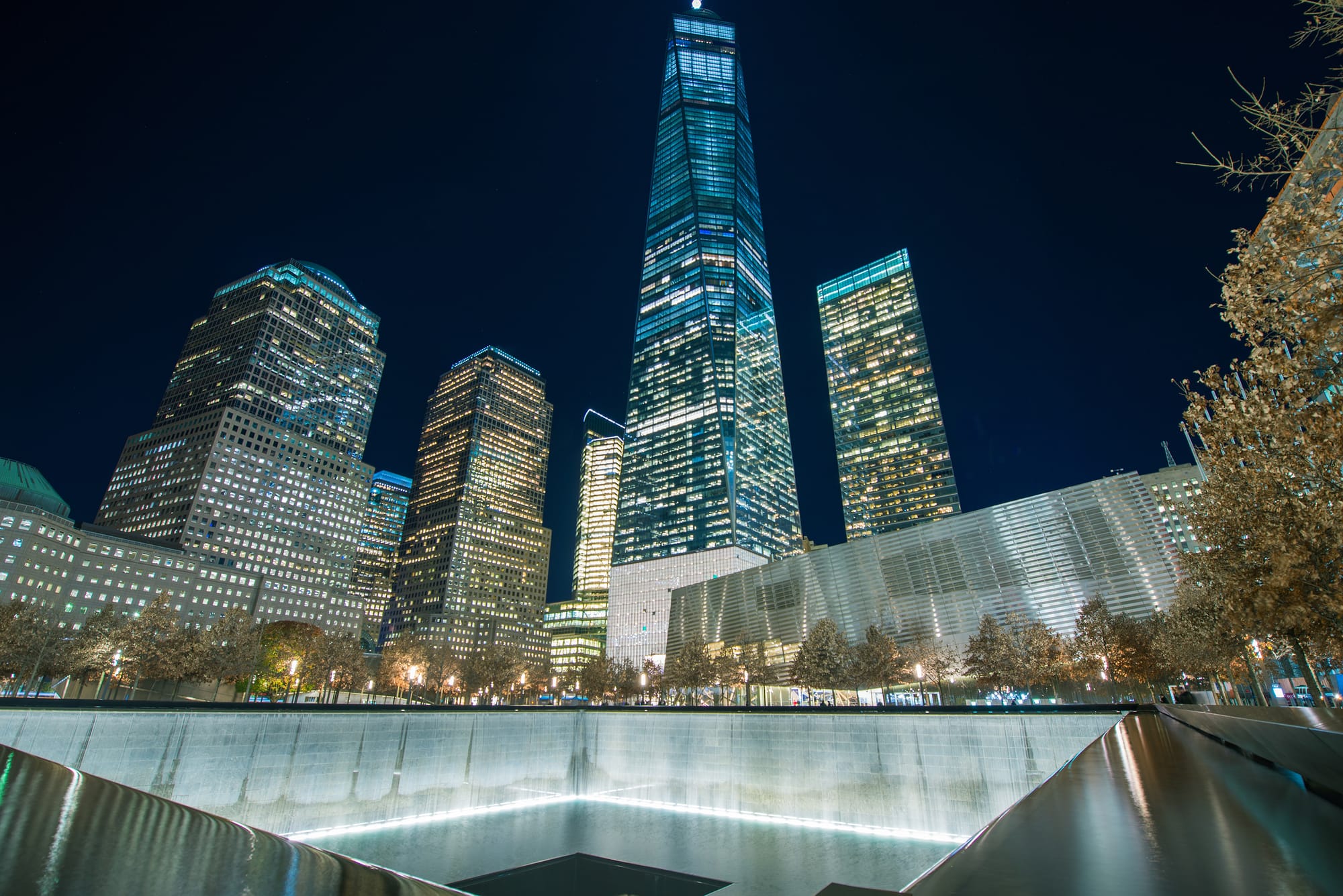
The 9/11 Memorial & Museum occupies the 16 acres at the southern tip of Lower Manhattan where the Twin Towers once stood. The two reflecting pools, each nearly an acre in size, their surfaces broken only by the water that falls ceaselessly into the voids below, represent what the National Sept. 11 Memorial's designer Michael Arad called "an absence made visible." Names of all people killed in the attacks of Sept. 11, 2001, and Feb. 26, 1993, are inscribed on bronze parapets surrounding the pools. No visitor leaves unchanged. It is a reminder that, in the midst of a city so fully committed to the present and the future, of the cost and the meaning of what it means to endure.
One World Observatory And Top Of The Rock
One World Observatory, at the summit of One World Trade Center, offers the SkyPod elevator experience and 102 stories climbed in 47 seconds, the city spreading in every direction from the highest observation point in the Western Hemisphere. Equally iconic is the Top of the Rock observation deck, one of New York City's most beloved elevated viewpoints, with views of the New York skyline that encompass the park to the north and Lower Manhattan to the south. The Top of the Rock platform is the place to see New York in its full extraordinary sweep and a visit to Rockefeller Center during the winter months, when the great holiday tree stands in the plaza, is one of the most classically New York experiences the city offers.
Parks & Outdoor Life
In a city of this density, the relentless noise and motion, New York's parks serve a purpose that goes beyond recreation. They are, for residents and guests alike, breathing spaces, pockets of green the city's founders had the wisdom to preserve against the encroachments of development and that subsequent generations have had the sense to protect. To understand New York fully is to understand its parks, which have been serving as the city's living rooms, performance venues, athletic fields and places of quiet for more than a century. Among the most rewarding things to do in New York is spending time in its great parks.
Central Park
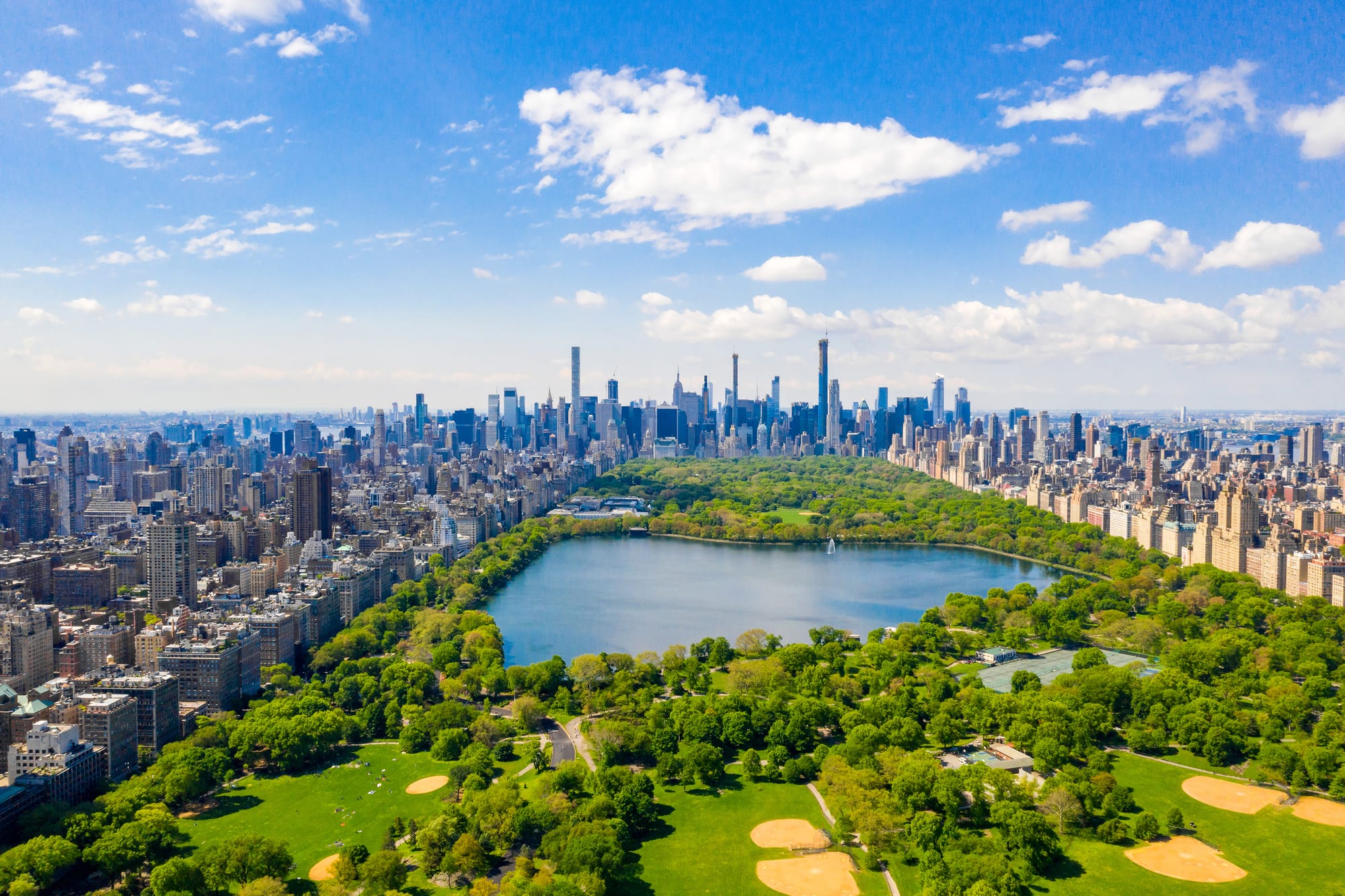
Central Park is the most famous urban park in the world and one of the most intensively used. At 843 acres, it occupies the full width of Manhattan from 59th to 110th Streets and contains within it a wilderness area, a zoo, a conservatory garden, several lakes and ponds, an amphitheater, a carousel, a skating rink and Sheep's Meadow. Add to this the great open lawn where New Yorkers spread blankets and play frisbee and collectively pretend, for an afternoon, that the city does not exist just beyond the treeline. The 38-acre Ramble on the park's west side offers wilderness walking, with birds and trees that would not look out of place in a rural landscape.
Horse-drawn carriage rides through the park, designed for carriage travel in Frederick Law Olmsted's original 1858 plan, remain one of the most nostalgic and visually rewarding ways to experience the landscape. The zoo here, home to more than 130 species, is immediately accessible from both Apartment Dennis on Central Park South and Townhouse Narcissa on the Upper East Side.
The High Line
The High Line is the most celebrated piece of urban infrastructure created in New York in the past 50 years. Built on an elevated railway line that carried freight trains through the neighborhood from 1934 until 1980. It was reclaimed from dereliction and opened as a public park in 2009, running 1.45 miles through Chelsea and the Meatpacking District with views of the New York skyline and the Hudson River, the rooftops of the neighborhoods below and, at certain angles, completely unobstructed sightlines across to New Jersey. It is unusually quiet for a park so centrally located. Dogs are not permitted but the planting design, by Piet Oudolf, makes it worth visiting in every season.
Washington Square Park
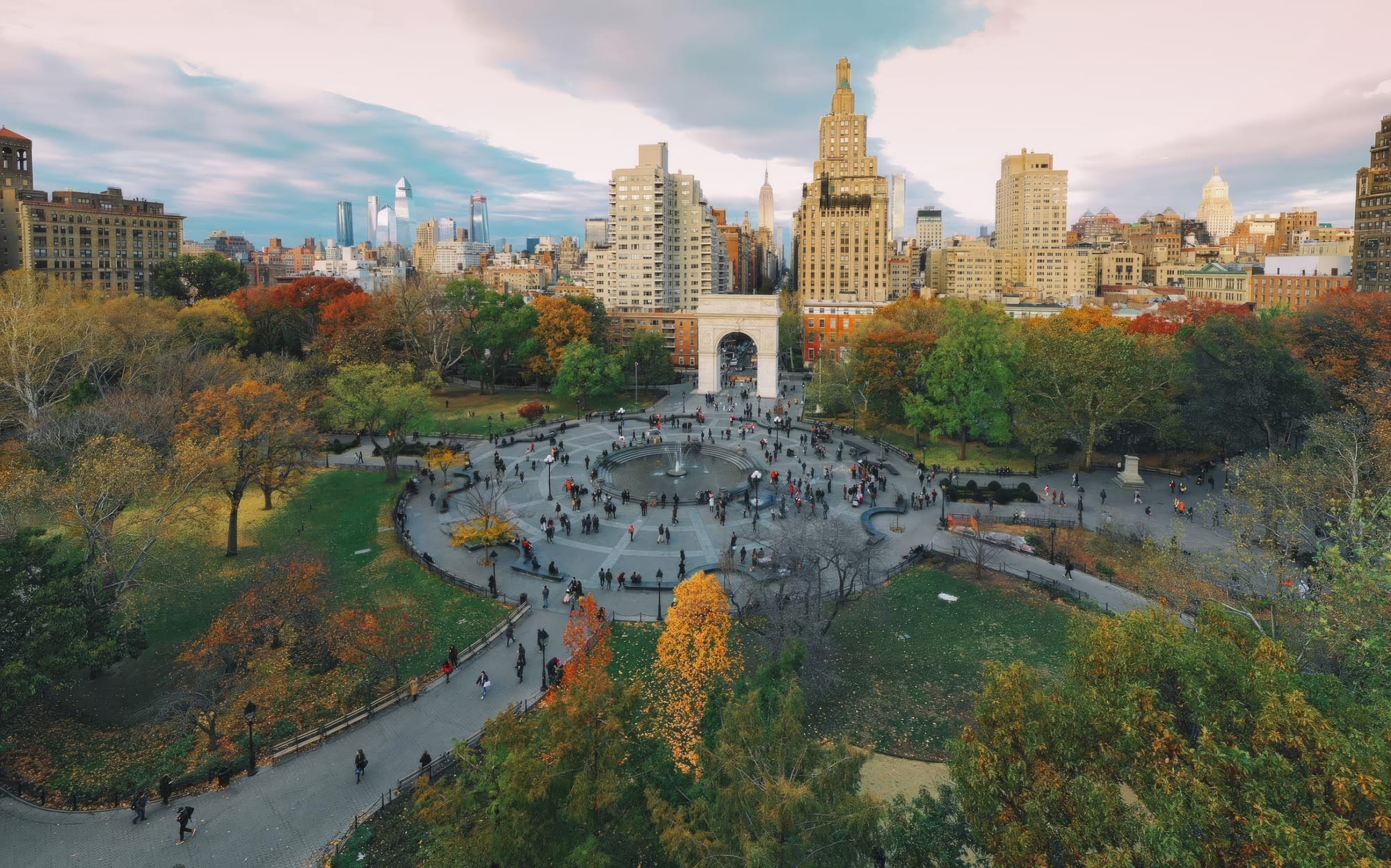
Washington Square Park, nearly four acres in the heart of Greenwich Village, is perhaps the most democratic public space in Manhattan. Chess players, street musicians, students from New York University and families with young children share the space with an easy generosity that reflects the neighborhood's long history of intellectual and social openness. The Washington Square Arch at its north end frames Fifth Avenue in a composition photographed as many times as any other view in the village. Sitting, watching and absorbing the city's street life throughout, is one of the most relaxing things to do here..
East River Park
East River Park, one of the largest in the city, stretches along the East River waterfront from the Lower East Side to East Harlem. It offers stunning views of the skyline alongside both the Manhattan and Brooklyn Bridges few visitors discover. Baseball fields, basketball courts and tennis courts occupy its length. In summer, the amphitheater stages musical performances that bring a cross-section of the neighborhood together in a way more curated venues rarely achieve.
Madison Square Park
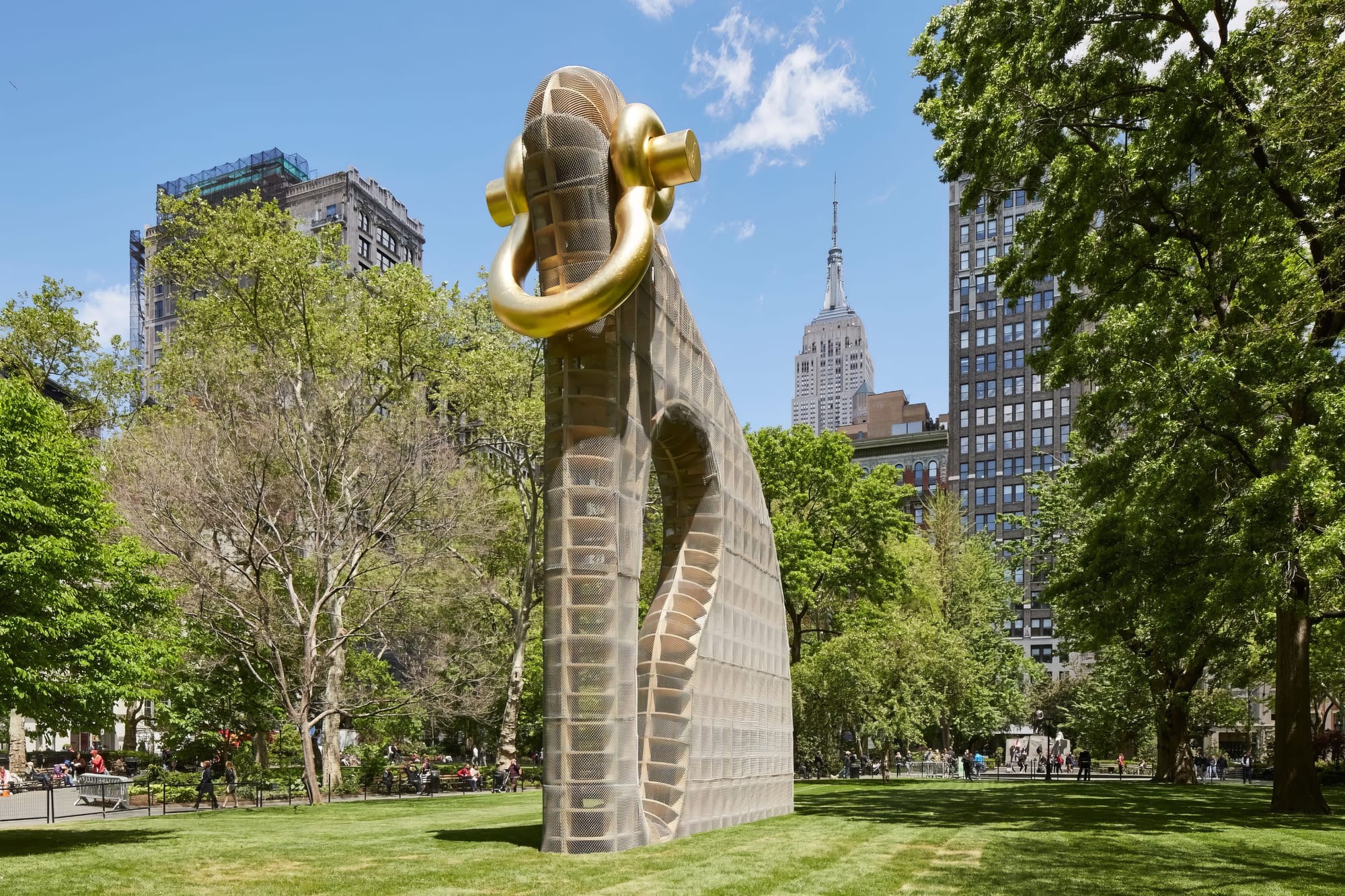
Madison Square Park, at the intersection of Broadway and Fifth Avenue in the Flatiron District, provides what a busy mid-Manhattan neighborhood needs most. This is a place to sit down, watch the world pass and eat the original Shake Shack burger without entirely surrendering to the city around it. The park rotates public art installations on a regular basis, giving a return on multiple occasions, providing a different experience each time.
Beyond the parks, New York offers outdoor experiences of a more adventurous kind. Open cockpit helicopter rides, genuinely open to the sky, not merely glass-fronted observation capsules, provide the most exhilarating aerial perspective on the city that exists, The downtown skyline and harbor are laid out in their full extraordinary geometry. Cycling along the more than 1,200 miles of bike lanes the city maintains, is both practical transport and genuine pleasure. Guests who take to two wheels typically discover more of the city in a morning than those who rely on car travel can cover in a day. The Skyline Drive-In, with its unobstructed New York City skyline as backdrop, offers cinema under the open sky in a genuinely romantic setting.
Family Activities in New York City
New York is an exceptionally ideal city for families. The range and quality of experiences designed for, or perfectly suited to, children is remarkable., The scale of the city means there is no possibility of exhausting what it offers regardless of the length of stay. New York with children is a genuinely different experience from New York alone and one the city handles with characteristic abundance. For larger groups booking a property such as Townhouse Narcissa, which accommodates up to 16 guests, the combination of Manhattan's family programming and the ability to retreat to a private home of genuine size and comfort, makes an extended family visit both practical and memorable.
Coney Island Wonder Wheel
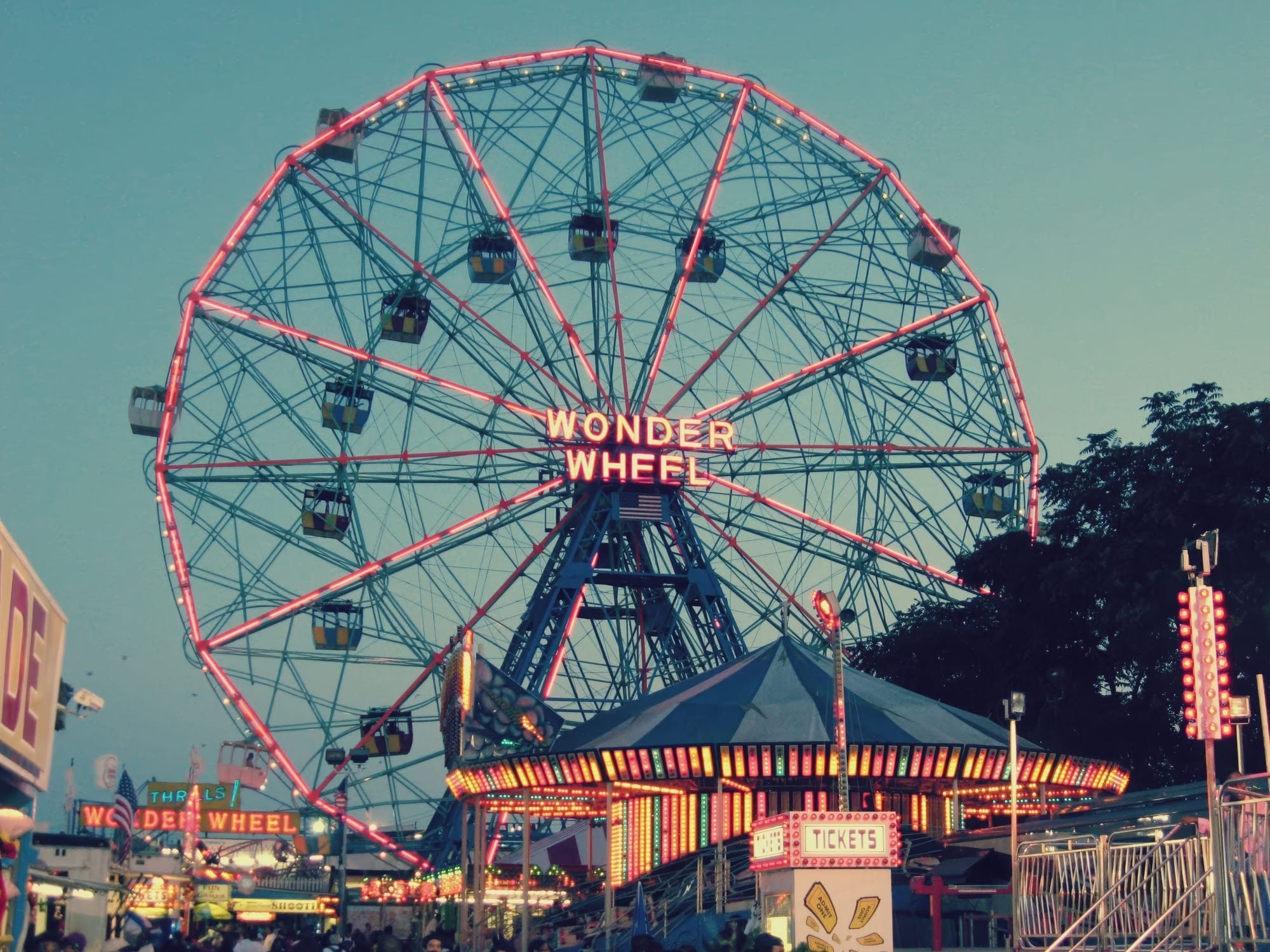
Coney Island's Wonder Wheel is the most sentimental of the city's family landmarks. The Ferris wheel has been creating memories for New York childhoods since its construction in 1920, with its highest point reaching 150 feet above the boardwalk providing views across lower New York Bay. The amusement park surroundings have changed considerably over the decades, but the Wonder Wheel itself endures and is as beloved as it has ever been.
Chelsea Piers
Chelsea Piers, sprawling across 80,000 square feet along the Hudson River waterfront, is the most comprehensively equipped sports and recreation complex in Manhattan. Gymnastics, rock climbing, basketball and volleyball facilities are designed explicitly for all-ages participation and are available throughout the day. The area occupies a working pier with river views, giving indoor activities an unusual quality of openness and light.
Children's Museum Of Manhattan
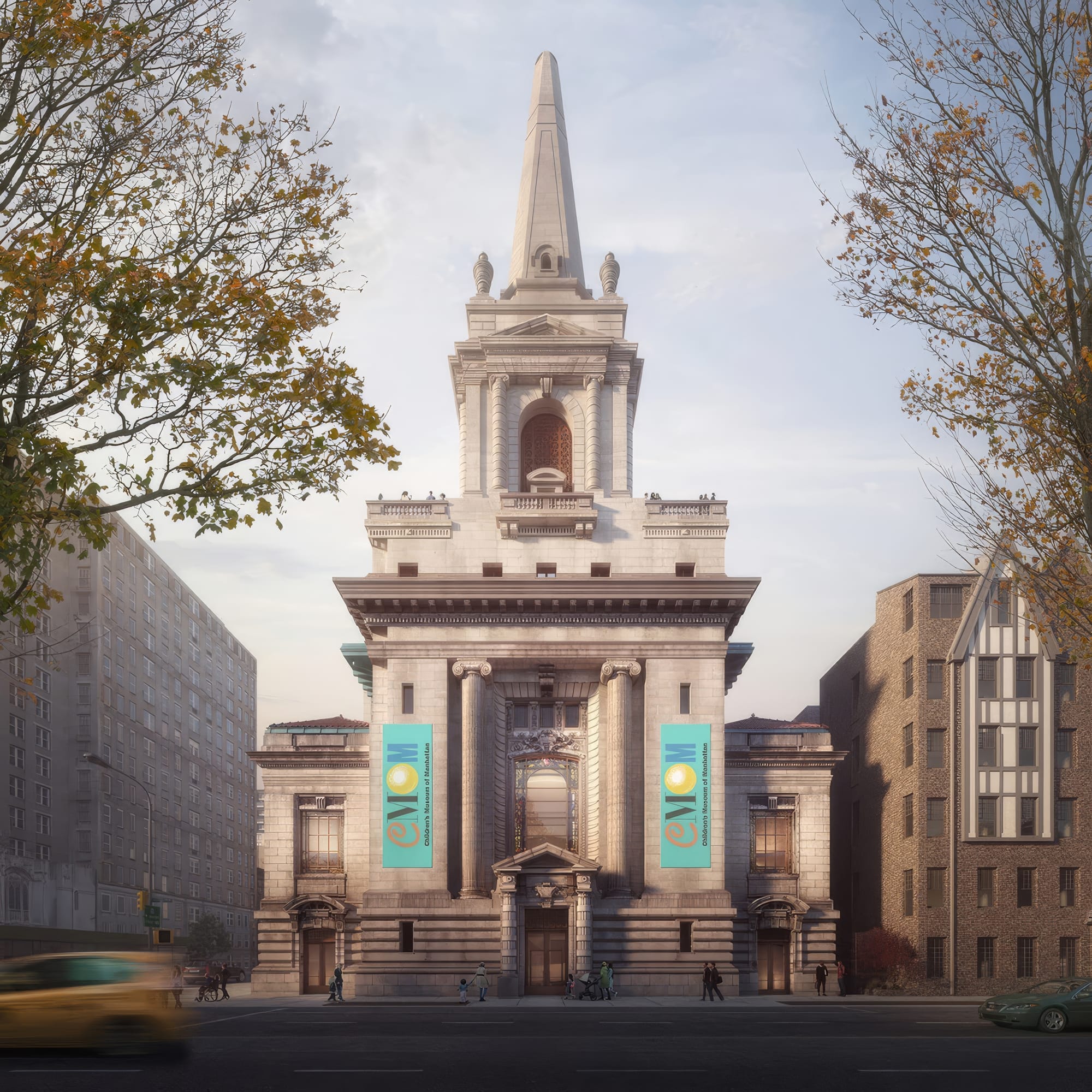
The Children's Museum of Manhattan engages young visitors through interactive exhibitions, classes, workshops, performances and museum-sponsored festivals with the explicit aim of developing creativity and helping children understand the world through play. The quality of programming reflects the serious attention New York's cultural institutions consistently bring to their younger audiences. It is one of the top things to do in NYC for families visiting with children of all ages.
Central Park Zoo
Central Park Zoo, with its more than 130 species in habitats arranged around the park's southeast corner, offers a genuine wildlife encounter within walking distance of the most urban part of the city. The zoo retains the capacity to surprise regardless of how many times guests return.
Gulliver's Gate
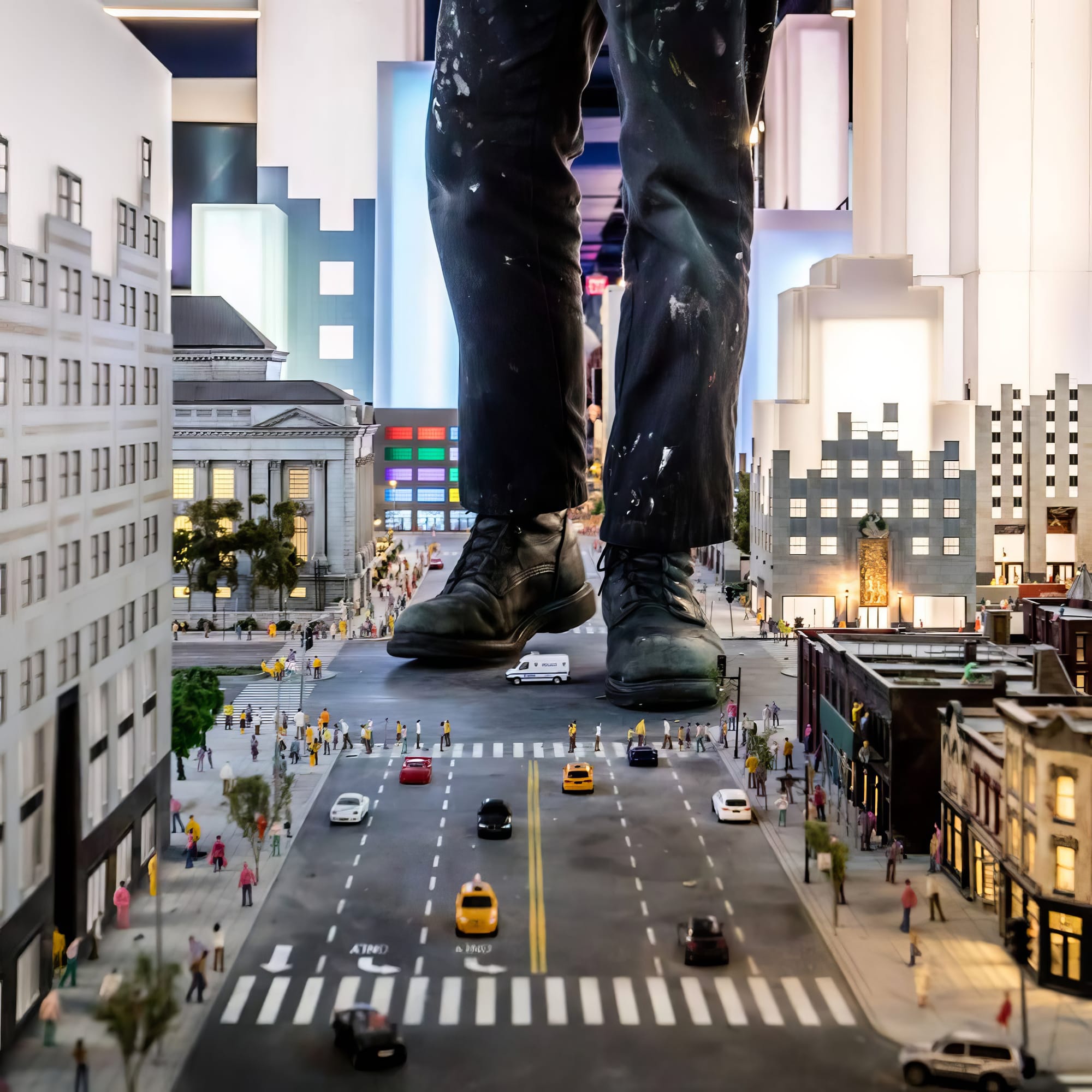
Gulliver's Gate, a 50,000-square-foot interactive exhibit, presents 300 miniature scenes of landmarks and towns from 50 countries including moving model trains, highways and waterways in a display that allows children (and their parents) to consider the whole world from the perspective of a few city blocks. It is among the more genuinely original attractions in a city not short of them.
Ny Cake Academy
NY Cake Academy offers children the satisfaction of a real skill developed in real time in classes that move from technique to decoration, with edible results guests bring home.
The Color Factory
The Color Factory takes a different approach to sensory experience, collaborating with artists, illustrators and designers to create immersive color environments as affecting for adults as they are for children.
Loot / Carroll Garden
Loot / Carroll Garden, a library and haven for comic book readers maintaining more than 3,000 volumes, bridges generations and sustains the kind of imaginative engagement that Manhattan's more spectacular attractions sometimes crowd out.
Sports Experiences in New York City
New York's sports franchises are among the most storied in American professional sport. Arenas built to house them are among the finest in the world. The rivalries are legendary with the Yankees versus the Red Sox, the Knicks versus the Celtics and the passion of New York crowds, through both the victories and the failures, is an experience that belongs to no other city. The culture here is not merely entertainment. It is a form of civic identity, a shared emotional language cutting across every demographic distinction the city otherwise maintains. For guests with an interest in experiencing American sport at its most culturally significant, options are extensive, and the level of premium hospitality available at each venue is commensurate with the expectations of a city that does nothing by half-measures.
Madison Square Garden
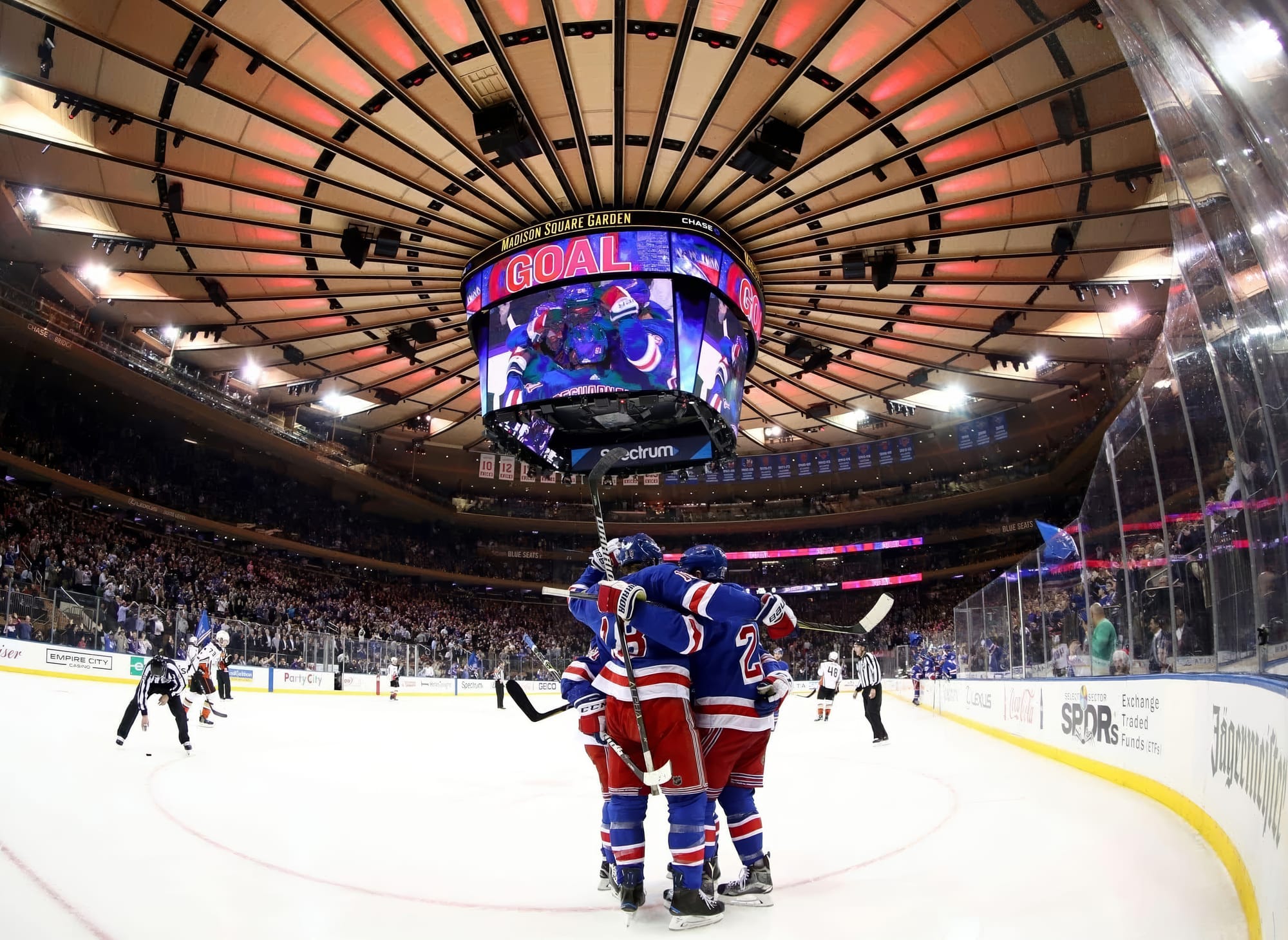
Madison Square Garden, sitting above Penn Station in Midtown, is one of the most famous indoor arenas in the world. It is home to the New York Knicks of the NBA, the New York Rangers of the NHL and a concert calendar that has hosted the most significant live performances of the past 50 years. MSG Entertainment's premium hospitality options are among the most comprehensive of any venue in the country. Private suites with dedicated service, club-level seating, courtside and rinkside seating, are all supported by food and beverage programs of genuine quality. The arena has hosted championship fights, sold-out residencies by the world's most celebrated musicians and playoff games of extraordinary drama. An evening here, whatever the event, carries a quality of occasion difficult to replicate elsewhere. Guests with specific preferences or groups requiring suite-level arrangements benefit from early advance planning given the consistent demand for the Garden's premium inventory.
Yankee Stadium
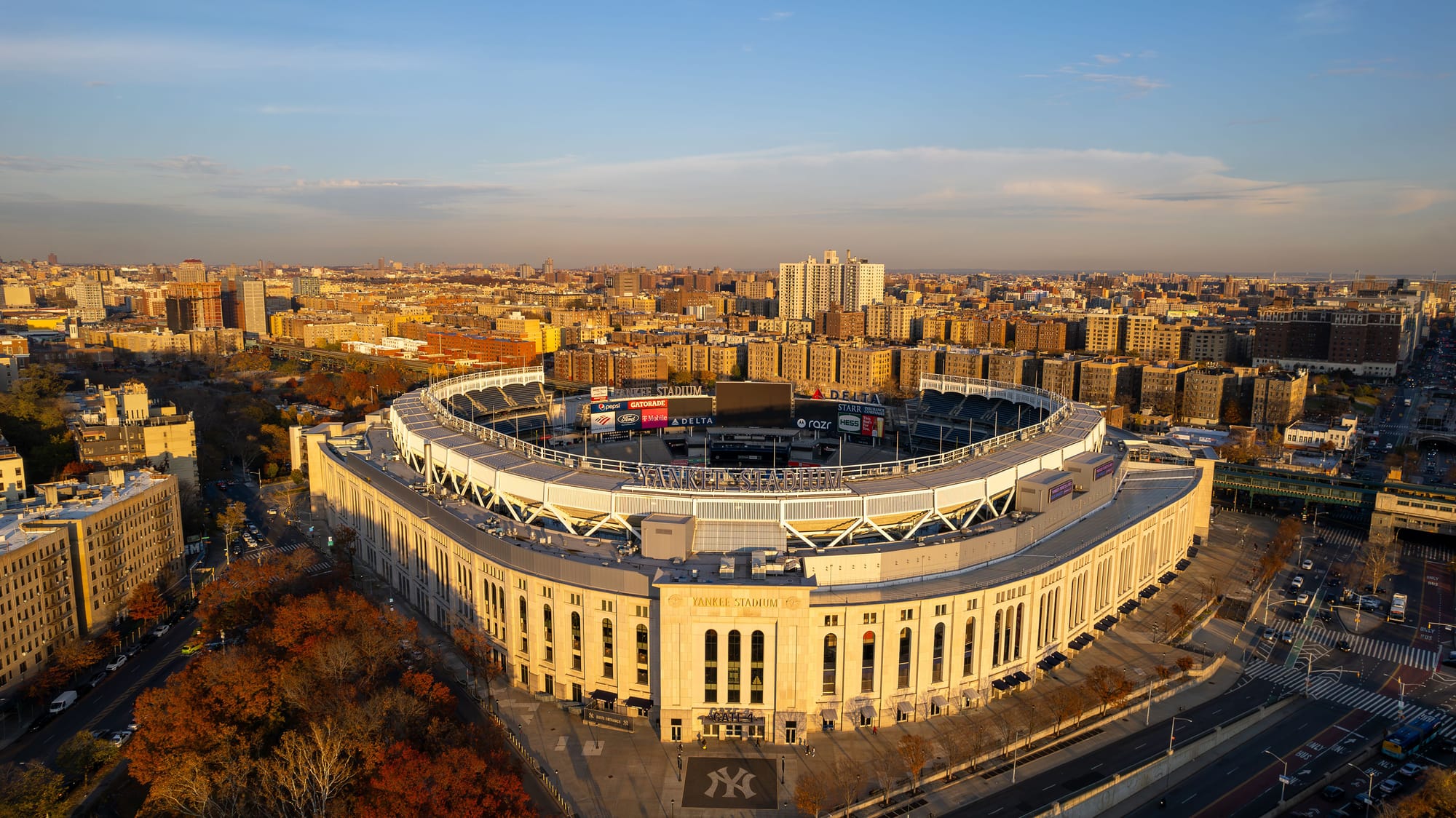
Yankee Stadium in the Bronx is the home of baseball's most successful and most discussed franchise. The current stadium, opened in 2009, replacing the beloved original across the street, was designed with a premium experience in mind from the outset. VIP ticketing options allow guests to watch from positions close enough to observe the athletes at work and a Major League Baseball game, experienced from a field-level seat, rewards guests with a quality of athletic detail television cannot capture. The stadium's Monument Park, honoring the Yankees' greatest figures, is worth a visit in its own right for guests with any interest in the history of American sport.
Barclays Center
Barclays Center in Brooklyn, home to the Brooklyn Nets and the New York Liberty, has transformed the area around Atlantic Yards since its opening in 2012. The arena's design by firm SHoP Architects is among the more architecturally considered in American professional sport and its position at the convergence of multiple subway lines makes it one of the most accessible major venues in the metropolitan area. The Nets' home court has played host to some of the most significant NBA games of recent seasons and premium seating options across the arena provide clear sightlines from any position.
Wellness in New York City
The pace of New York, part of what makes it extraordinary, is also something the body registers. The city's energy is not restful, and the most satisfying luxury vacations here are those that build in deliberate counterweight to the intensity of what the city offers. Over an extended stay, LVH's in-home wellness and spa services provide that counterbalance in the most convenient possible form with world-class practitioners delivering their expertise directly to any LVH property, at any hour, without the guest needing to leave the building. Living in New York City at the level LVH offers means having the full apparatus of personal care available in-residence without appointments at distant addresses, without transit, without the exposure of a hotel spa corridor. This is a genuine distinction.
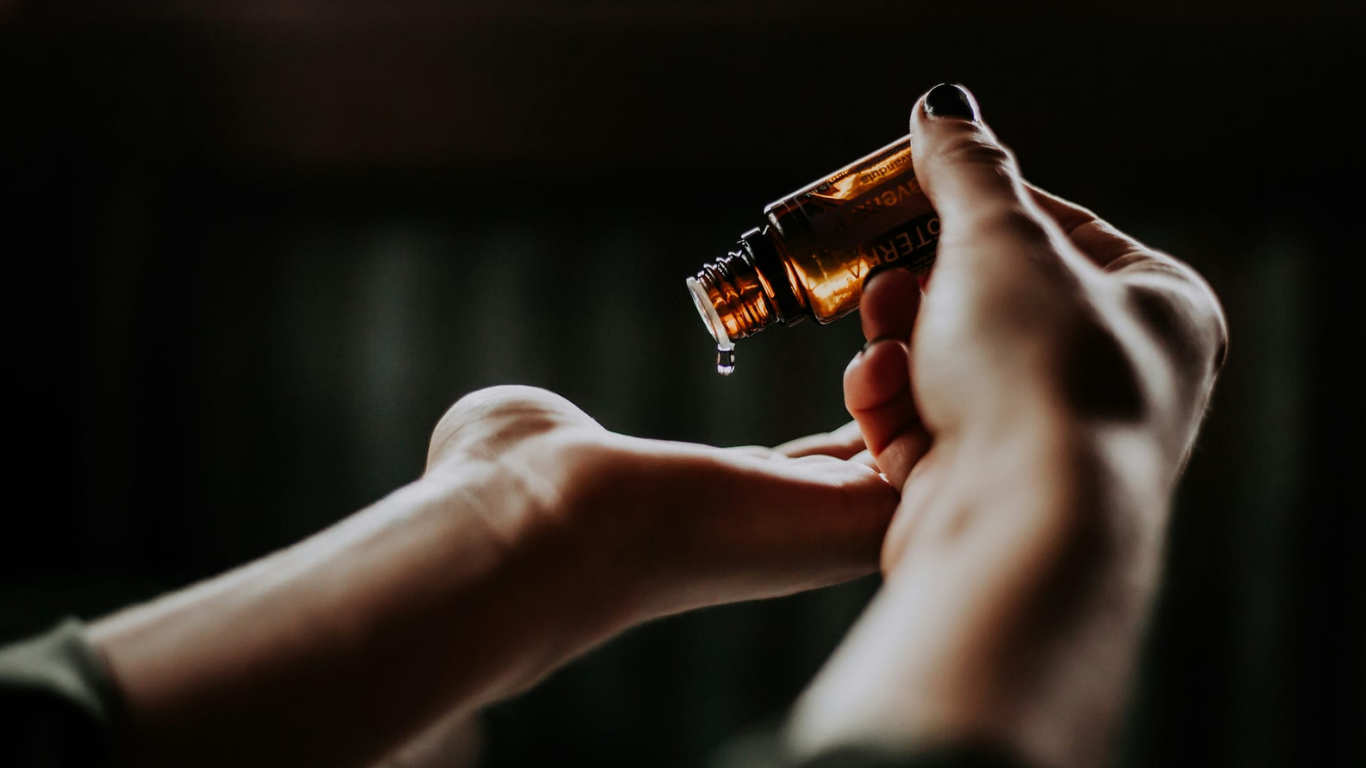
The in-home spa menu covers the full range of physical care. Certified massage therapists bring therapeutic, sports, prenatal and four-hand massage to any LVH property, beginning each session with a conversation calibrated to the guest's specific needs and pulling from modalities to address them. Nail technicians provide spa manicures and pedicures, gel services and nail art, with all equipment sanitized to clinical standards and all products professional grade. Personal hair and makeup artists deliver blowouts, braids, extensions and dry styling which is particularly valuable for guests on New York's events calendar in any season. Beauty services extend to makeup application, eyebrow shaping, eyelash extensions and spray tanning. Certified barbers, skilled in all hair types and lengths and with years of experience in the full range of men's grooming, offer haircuts, close shaves, trims and dry styling, providing the quality of finish the city demands.
Fitness and wellness programming is equally broad. NSCA-certified personal trainers, additionally qualified as USA Boxing coaches, ISCA Kickboxing instructors and American Association Healthcare Providers with International Human Performance certification, deliver structured programming in bootcamp, cardio endurance, strength training, boxing, core conditioning and water exercise directly to any property. Private tennis instruction, tailored to the individual's current level and specific development goals, covers power, footwork, spins and direction with the kind of focused attention that group classes cannot replicate. PMA-certified Pilates teaching is available across classical, mat, contemporary and clinical disciplines. Private yoga instruction from practitioners working across Vinyasa, Hatha, Power, Restorative and Prenatal disciplines completes a wellness offering comprehensive enough to sustain a demanding personal routine through an extended stay, entirely on the guest's schedule and entirely within the privacy of their own home.
Elevate Your Wellness Experience
Bring NYC's world-class spa experience directly to your villa
LVH In-home Spa ServicesGetting to New York City
New York is served by one of the most comprehensively developed private aviation infrastructures in the world, with three airports handling private jet arrivals and departures. Fixed Base Operators at each offer the level of service guests traveling at this standard expect. The decision between airports is principally one of proximity, preference and practical circumstance. Each has distinct characteristics that make it suited to particular situations.
John F. Kennedy International Airport (Jfk)
John F. Kennedy International Airport (JFK) is the primary international gateway and handles the largest volume of private aviation traffic in the metropolitan area. Located in Queens, it serves the widest range of services and the most extensive network of direct connections. The FBO is operated by SheltAir Aviation Services, providing dedicated private terminal facilities, transportation coordination and the full range of support services for arriving and departing guests. Journey time to Manhattan varies considerably with traffic conditions. Guests arriving in the evening or early morning, outside peak congestion periods, typically reach their property in less than an hour.
Laguardia Airport (Lga)
LaGuardia Airport (LGA) is closer to Midtown Manhattan than JFK and offers advantages that make it the preferred choice for guests whose schedules require minimum transit time from wheels-down to front door. SheltAir Aviation Services operates the FBO here as well, providing the same standard of private terminal experience. LaGuardia serves a more concentrated range of North American routes than JFK. Guests arriving from international origins typically connect through JFK but may find LaGuardia preferable for departure on domestic legs within a longer itinerary.
Long Island Macarthur Airport
Long Island MacArthur Airport, in Ronkonkoma on Long Island, offers an entirely different quality of arrival experience for guests who prioritize discretion and minimal exposure to larger commercial airport environments. Three FBOs serve private aviation here: Hawthorne Global Aviation Services, New York Jet and SheltAir Aviation Services, providing choice and availability even during busy periods. MacArthur is further from central Manhattan, but for guests whose LVH property is on the eastern side or for those arriving by helicopter for a final leg into the city, it represents a useful alternative.
Private Jet Charter
LVH jet charter services provide direct access to a comprehensive fleet of private aircraft for charter service to and from New York, with aircraft selection calibrated to group size, requirement and preference. For orientation: flying times from major departure cities are about five hours from Los Angeles; eight-and-a-half hours from Amsterdam; 10 hours and 50 minutes from Buenos Aires and 16 hours from Hong Kong.
Ground transportation from any of the three airports is provided via a luxury fleet such as the Cadillac Escalade, accommodating six passengers and six suitcases comfortably. It is ideal for families or groups. The Chevy Suburban is equally spacious and equally adept at the demands of metropolitan traffic. LVH chauffeurs maintain standards of discretion and professionalism throughout the journey, ensuring the experience of arrival in New York matches what follows.
Frequently Asked Questions
What are the best neighborhoods in New York City for a luxury private home stay?
The Upper East Side, Central Park South and the West Village offer the most compelling combinations of location, tranquility and access. The Upper East Side places guests within walking distance of Museum Mile, Central Park and the finest restaurants and bars in New York on the eastern side of Manhattan. Central Park South provides the most iconic views in the city and the West Village offers the city's most atmospheric residential streets alongside a concentration of outstanding dining and nightlife. LVH maintains properties in all three areas and across more than 25 additional Manhattan neighborhoods.
Which Michelin-starred restaurants should be prioritized for a first visit to New York City?
Daniel and Le Bernardin represent the most formally elevated experiences with French cuisine and seafood respectively, each Michelin-recognized. For guests with a preference for American cuisine, Gramercy Tavern's Michelin star reflects years of sustained excellence in a room that feels settled and assured. Casa Mono, east of Union Square, is the most precise and most personal expression of Spanish cooking in the city. Cote, in the Flatiron District, is the most considered marriage of Korean and American dining traditions currently available.
Is New York City suitable for families with children?
Thoroughly. Central Park alone with its zoo, Wollman Rink, the Ramble and Sheep's Meadow, can absorb days. Chelsea Piers offers sports and athletics for all ages; Gulliver's Gate, the Children's Museum of Manhattan and the Color Factory provide more structured entertainment. Coney Island's Wonder Wheel is a rite of passage. When you're in New York with children, you will never run out of things to do. Townhouse Narcissa, with eight bedrooms and space for up to 16 guests, is purpose-suited for larger family groups.
When is the best time to visit New York City?
New York rewards visiting in every season, each of which has a distinct character. April through May brings mild temperatures, flowering trees in Central Park and the reactivation of the city's outdoor life after winter. September through October is widely considered the city at its finest with clear skies, comfortable temperatures, the theater season under way and Central Park at its most spectacular as the foliage turns. Summer concentrates outdoor events, rooftop culture and a particular energy in the parks. Winter transforms the city with the Rockefeller Center Christmas tree, holiday markets throughout the boroughs and a quality of contained warmth in the city's restaurants and bars that belongs to no other time of year.
What is the most efficient way to move around Manhattan as a private guest?
A combination of chauffeur service and walking is the most effective approach. LVH's chauffeur service with a Cadillac Escalade and Chevy Suburban, both available throughout the stay, handles all airport transfers and longer journeys around the city. Manhattan's exceptional walkability makes many journeys between neighborhoods faster and more rewarding on foot. The city's more than 1,200 miles of cycling routes are an increasingly popular alternative for guests who prefer to cover ground at their own pace. There is no more intriguing way to discover the place in New York that becomes your own than to explore it on foot or by bicycle.
Can LVH assist with securing theater tickets and cultural access?
LVH concierge teams regularly assist guests in securing premium seats for Broadway productions, Metropolitan Opera performances and American Ballet Theatre programs. Private after-hours access to specific museum collections and curated gallery tours can also be arranged on request. Whatever is on your list of things to do in NYC, the LVH team will have handled it before and will have handled it well.
Plan Your NYC Luxury Stay
New York City does not offer itself to the passive traveler. It requires engagement and readiness for the unexpected. Visitors who follow a street corner into an entirely different world, a curiosity about the layers of history and culture and ambition compressed into a relatively small island will have the most complete experiences. What NYC gives in return is proportional to what the guest brings. The more closely the city is attended to, the more fully it reveals itself. To stay in New York properly is one of the great experiences of modern life and in 2026, with the city's cultural and culinary calendar at full strength, there has never been a better time to visit.
A private home like a Tribeca loft above cobblestone streets, a south-facing apartment with its unobstructed view of Wollman Rink and the treeline, an eight-bedroom Upper East Side townhouse steps from the Guggenheim and Bemelmans Bar, changes the terms of the experience entirely. When choosing an LVH luxury, private residence, the city becomes the context for a life, however temporary, that unfolds on the guest's own terms, at the guest's own pace, with resources and privacy that distinguish a genuinely memorable stay from merely a visit.
From the moment of arrival at a private terminal to the departure ceremony at the end of the stay, every detail of an LVH New York experience is managed with discretion, professionalism and attention to every detail.
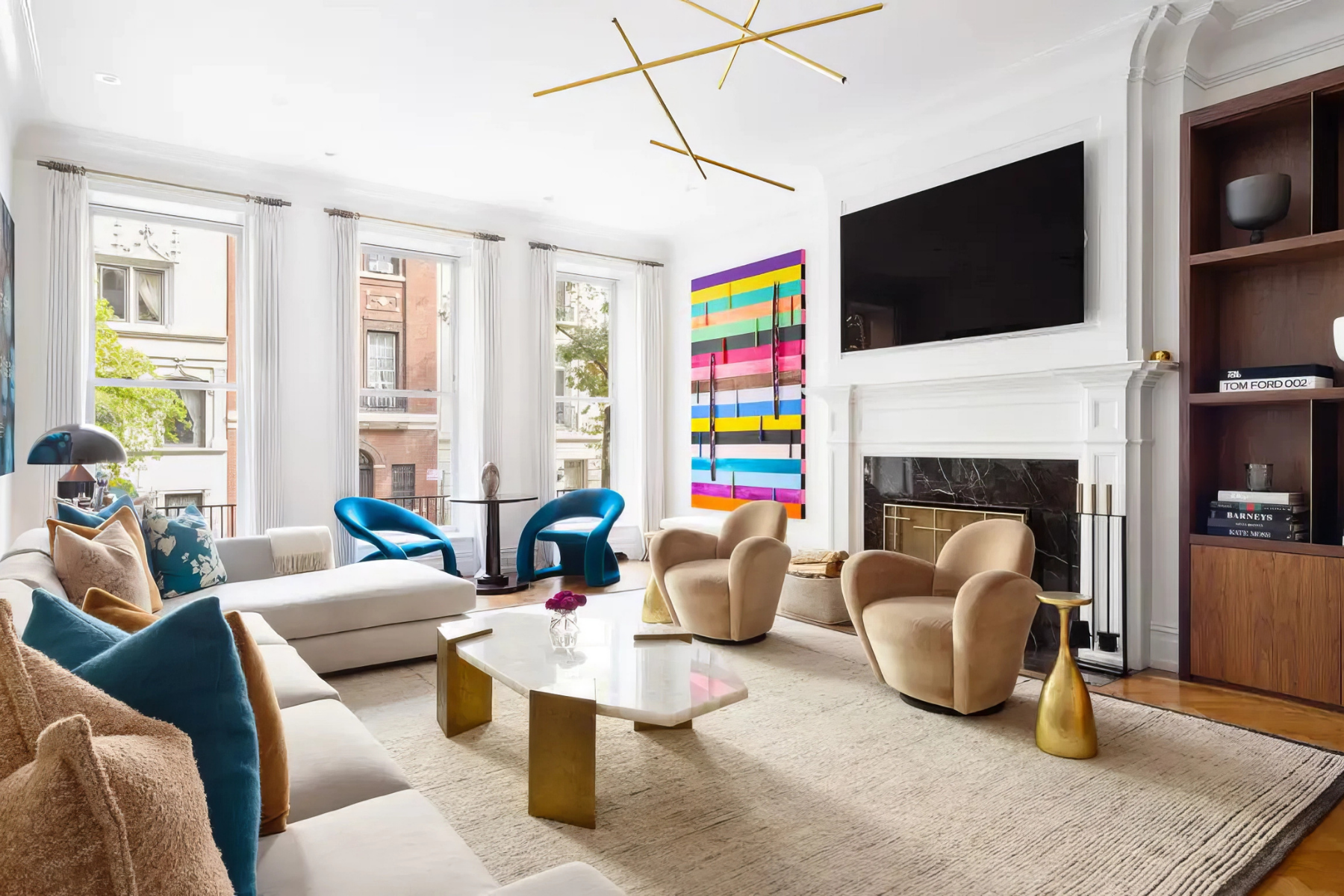
Your NYC Luxury Home Awaits
Browse our curated collection of ultra-luxury homes in NYC
 Share
Share