Magazine

Things to Do in Saint-Jean-Cap-Ferrat, France: Ultimate Luxury Guide to SJCF
DESTINATIONS
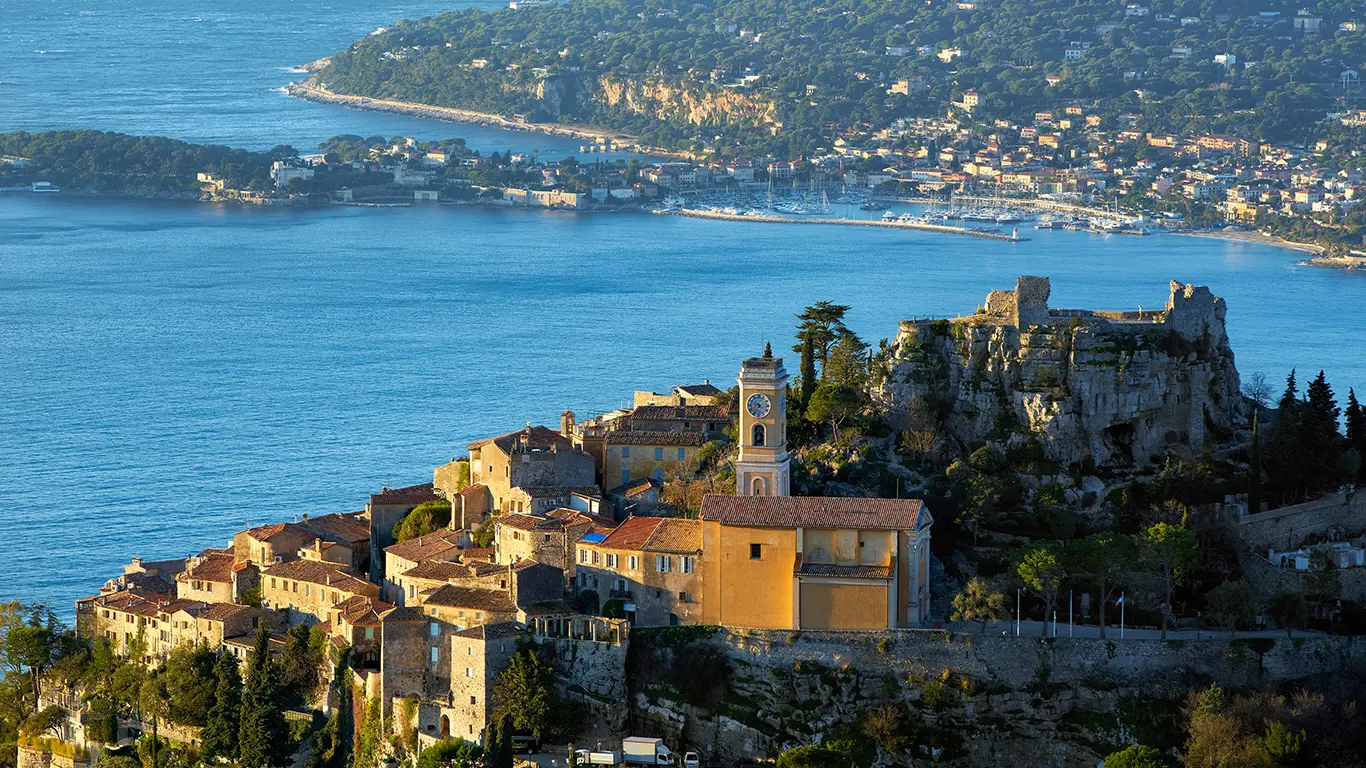
Where other Riviera destinations compete for attention with nightclubs and mega-events, Saint-Jean-Cap-Ferrat has built its reputation on what it withholds. This former fishing village, between two of the Riviera's most famous cities at the heart of the French Riviera, has attracted European royalty, international financiers and those who measure luxury in privacy for more than a century. King Leopold II of Belgium was among the first to recognize the potential of this exceptional area, acquiring substantial property here in the late 19th century and setting a transformation in motion that would make the cap one of the most coveted addresses in Europe.
The appeal lies in contrasts with opulent Belle Epoque estates peek through lush vegetation along narrow lanes, while centuries-old chapels stand within walking distance of contemporary fine dining. The landscape itself tells the story, with dramatic cliffs giving way to sheltered coves where the sea shifts between shades of turquoise and deep sapphire. Saint-Jean-Cap-Ferrat is one of the French Riviera's most exclusive destinations, offering a depth of cultural richness, natural beauty and gastronomic excellence few places along the coast can match. Keep reading to discover the finest things to do here while staying at the most luxurious villas on the cap.
Choose an LVH luxury villa in Saint-Jean-Cap-Ferrat that best fits your needs.
Table Of Contents
Neighborhoods and Areas
Saint-Jean-Cap-Ferrat extends into the sea as a narrow, pine-covered promontory roughly 10 kilometers east of Nice and 15 kilometers west of the principality. The geography creates a rare sense of seclusion. The cap is connected to the mainland by a slender isthmus, with the Baie de Villefranche opening to the west and the Baie de Beaulieu stretching to the east.
Despite being close to two of the Riviera's most prominent cities, Saint-Jean-Cap-Ferrat maintains a residential tranquility making it one of the most coveted addresses in southern France. Three distinct areas provide access to this extraordinary stretch of shoreline, each with its own character and appeal for the discerning traveler.
Mont Boron
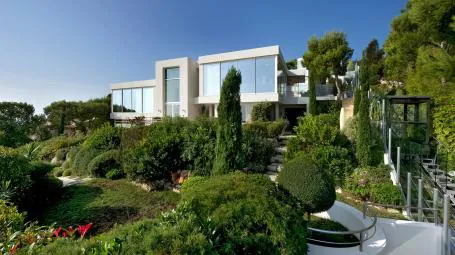
Rising above the eastern edge of Nice, Mont Boron is on a hillside between the city and the neighboring harbor town, commanding sweeping panoramic views over the Baie des Anges in one direction and toward the cap in the other. The neighborhood is defined by both Belle Epoque and contemporary grand estates, concealed among dense pines and manicured gardens. The residential character is decidedly quiet, with winding roads climbing through a protected forest park serving as a natural buffer from the urban energy below.
What distinguishes Mont Boron is the rare combination of hillside seclusion and immediate access to Nice's cultural and dining scene. The old port of Nice lies just minutes downhill and the Promenade des Anglais stretches west along the coast. For those who want the sophistication of a major city paired with the privacy of a gated hillside enclave, this neighborhood delivers on both counts.
For private luxury residences in Mont Boron, contact LVH to explore available options tailored to your requirements.
Saint Jean Cap Ferrat
The Cap itself represents the pinnacle of French Riviera real estate, where properties rank among the most expensive residential holdings in the world. Cap Ferrat has far fewer tourists than any other destination on this stretch of the Riviera. Opulent homes, many hidden behind stone walls and dense subtropical vegetation, line narrow roads that wind between two shorelines.
Daily life revolves around the charming port village, where a handful of restaurants and shops serve residents and visitors without any of the commercial intensity found in Nice or Monaco. Beaches, walking trails and cultural attractions are all reachable on foot, creating an unhurried rhythm that defines daily life on the cap.
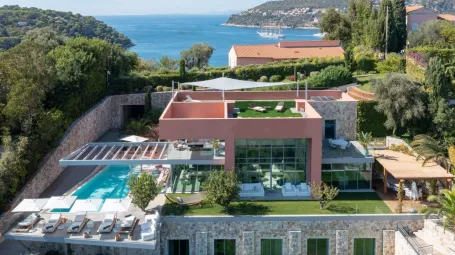
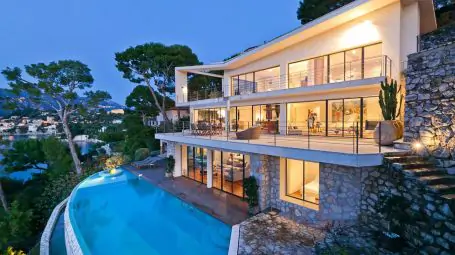
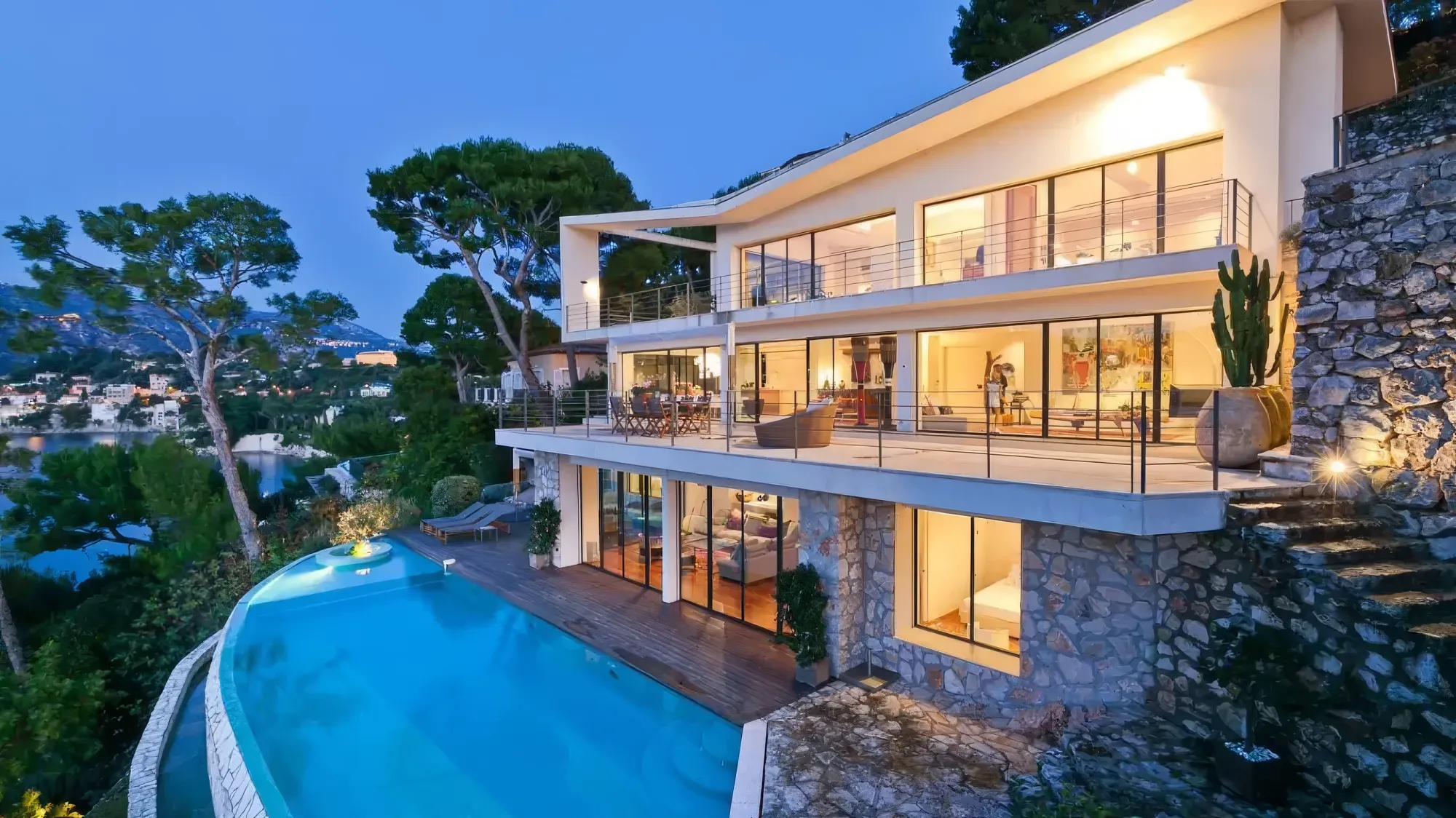
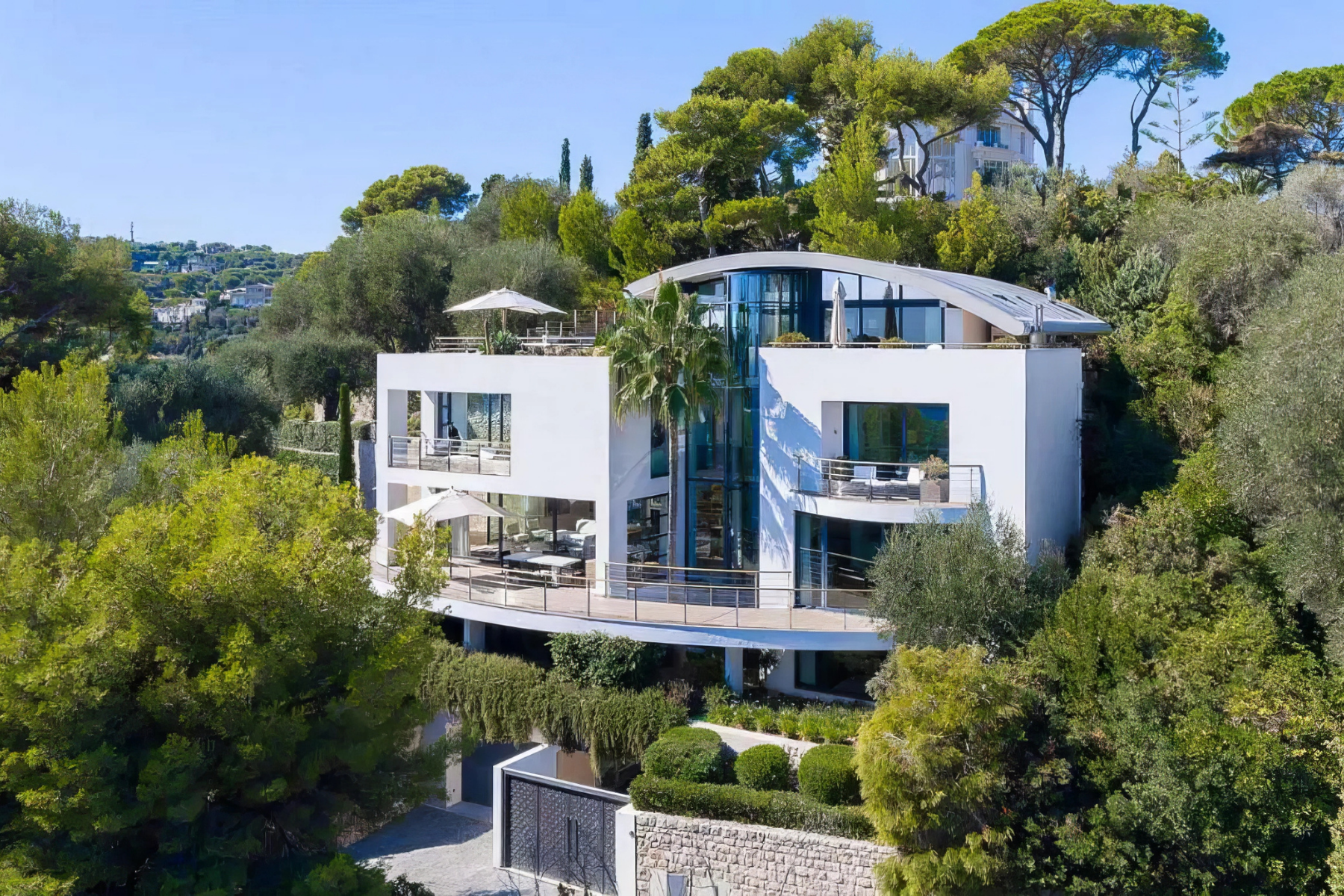
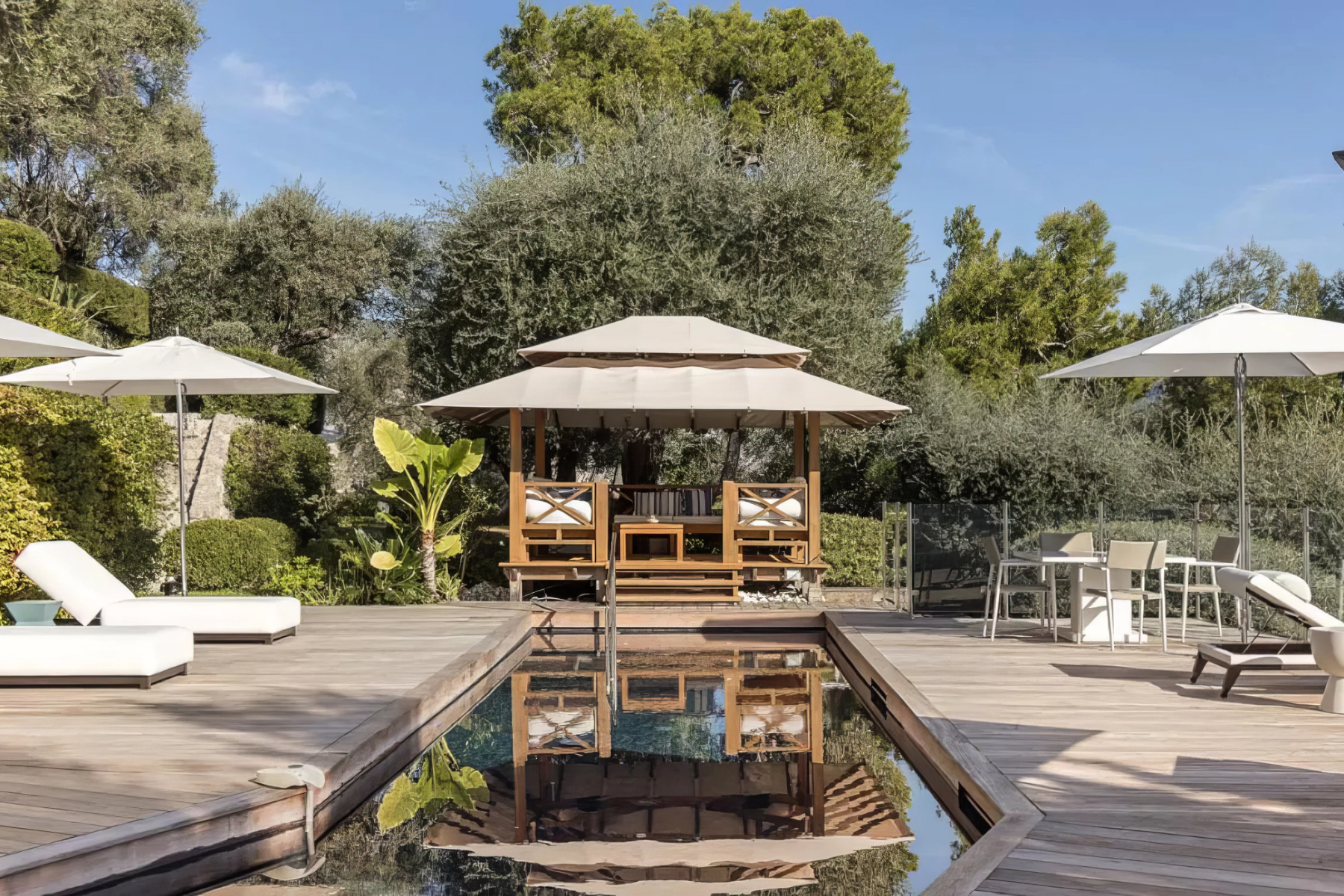
Villa O exemplifies the possibilities of living here, offering an ultra-luxury residence with the kind of privacy and setting that have drawn the world's elite to this address for more than a century.
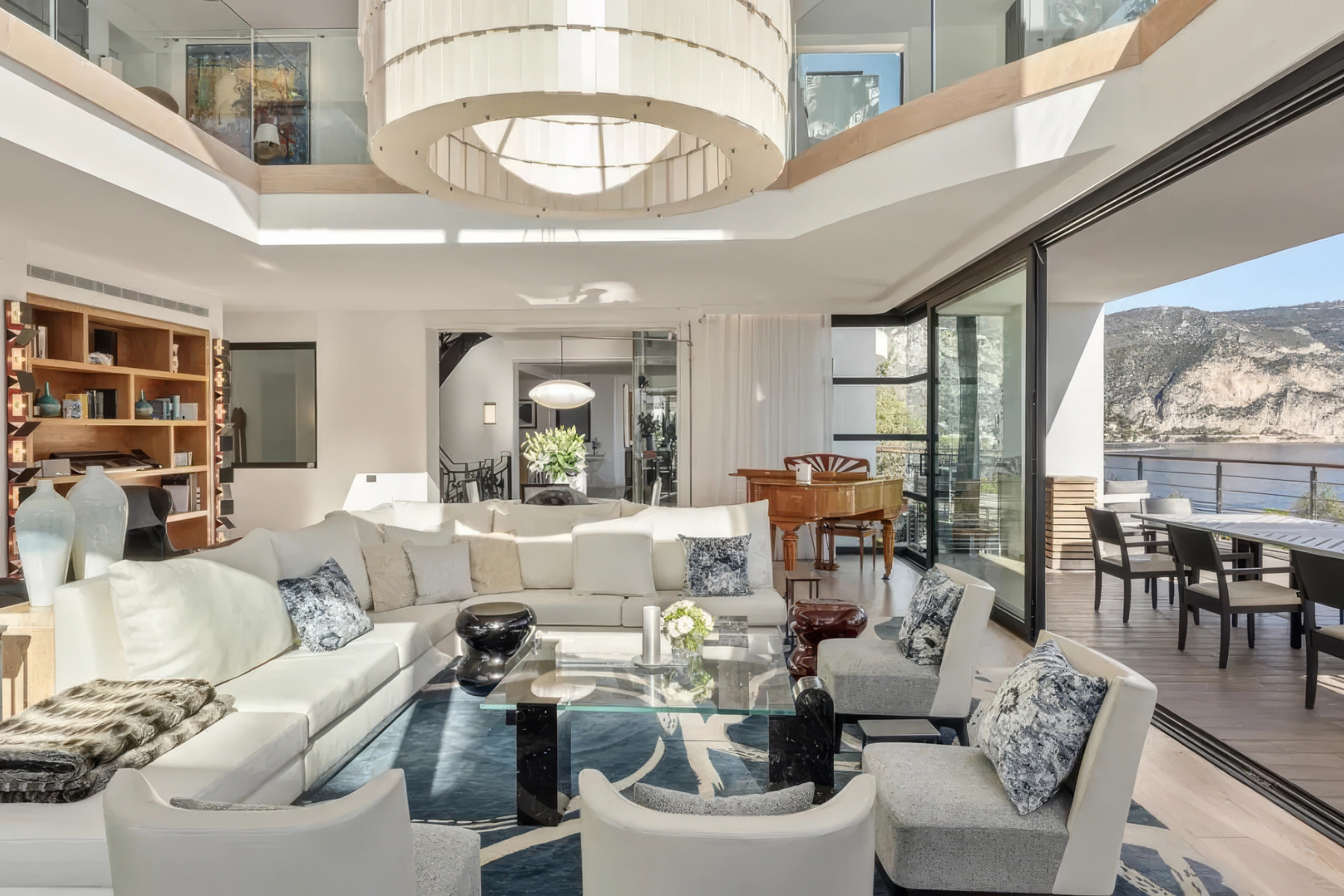
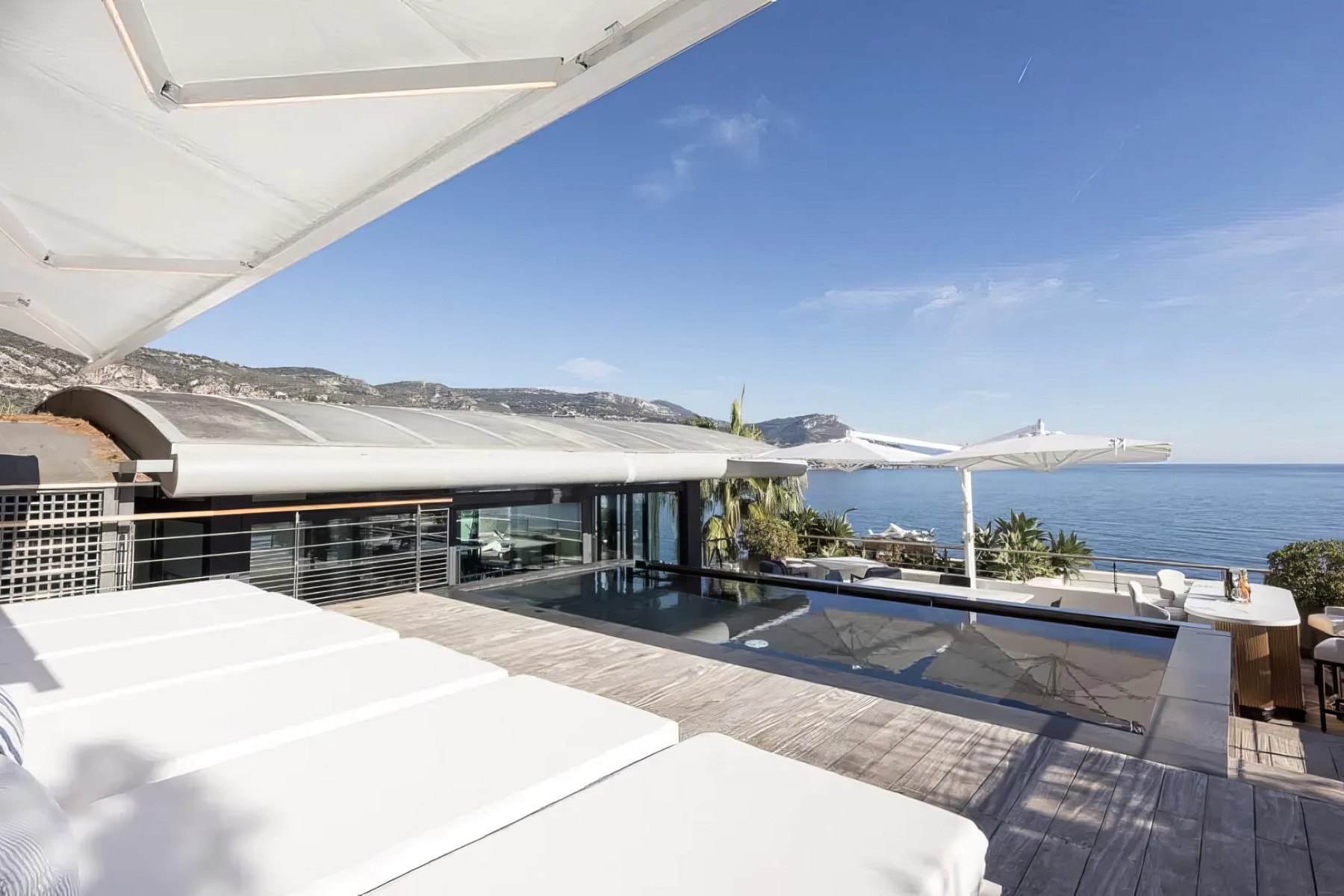
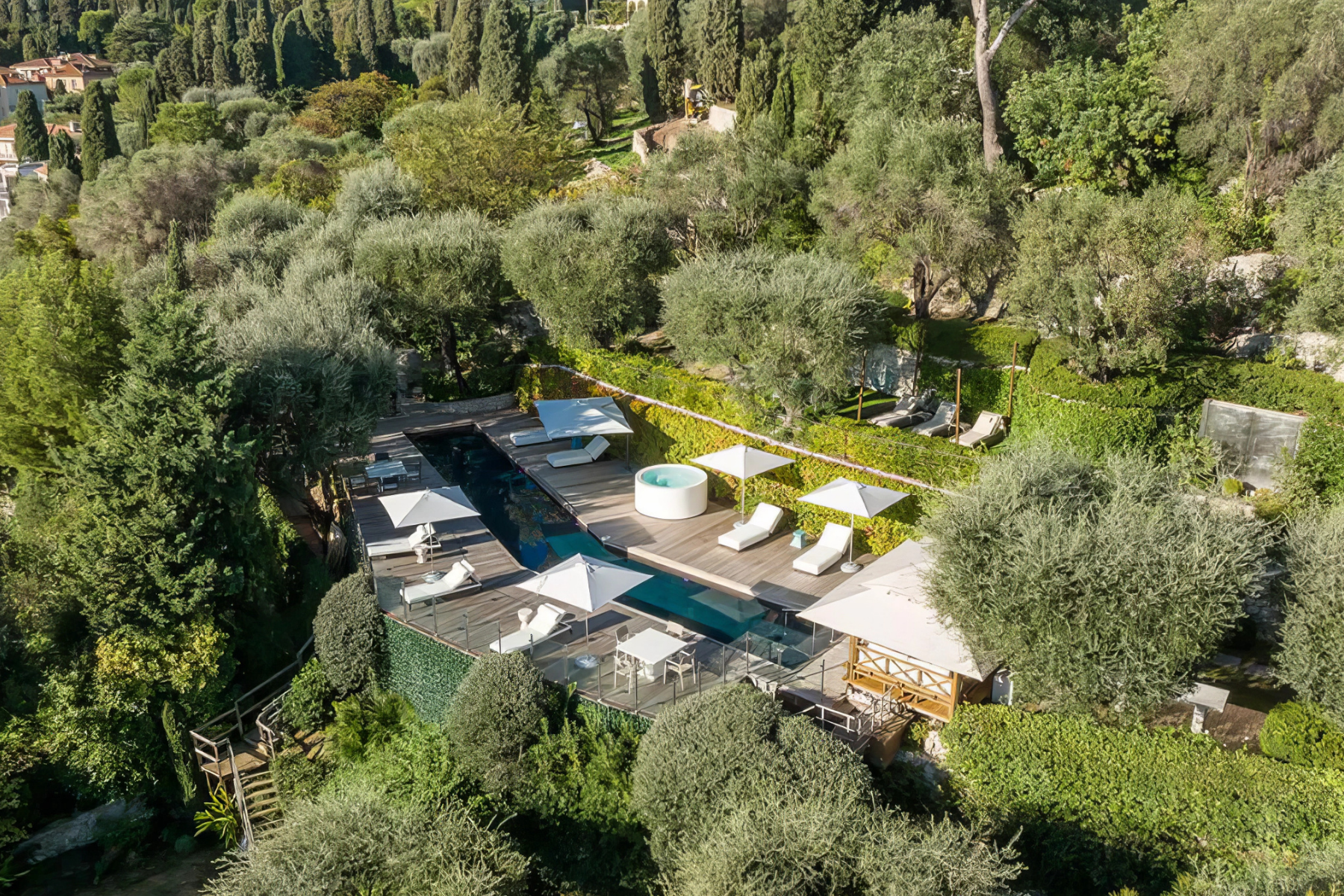
Villa O
Villefranche Sur Mer
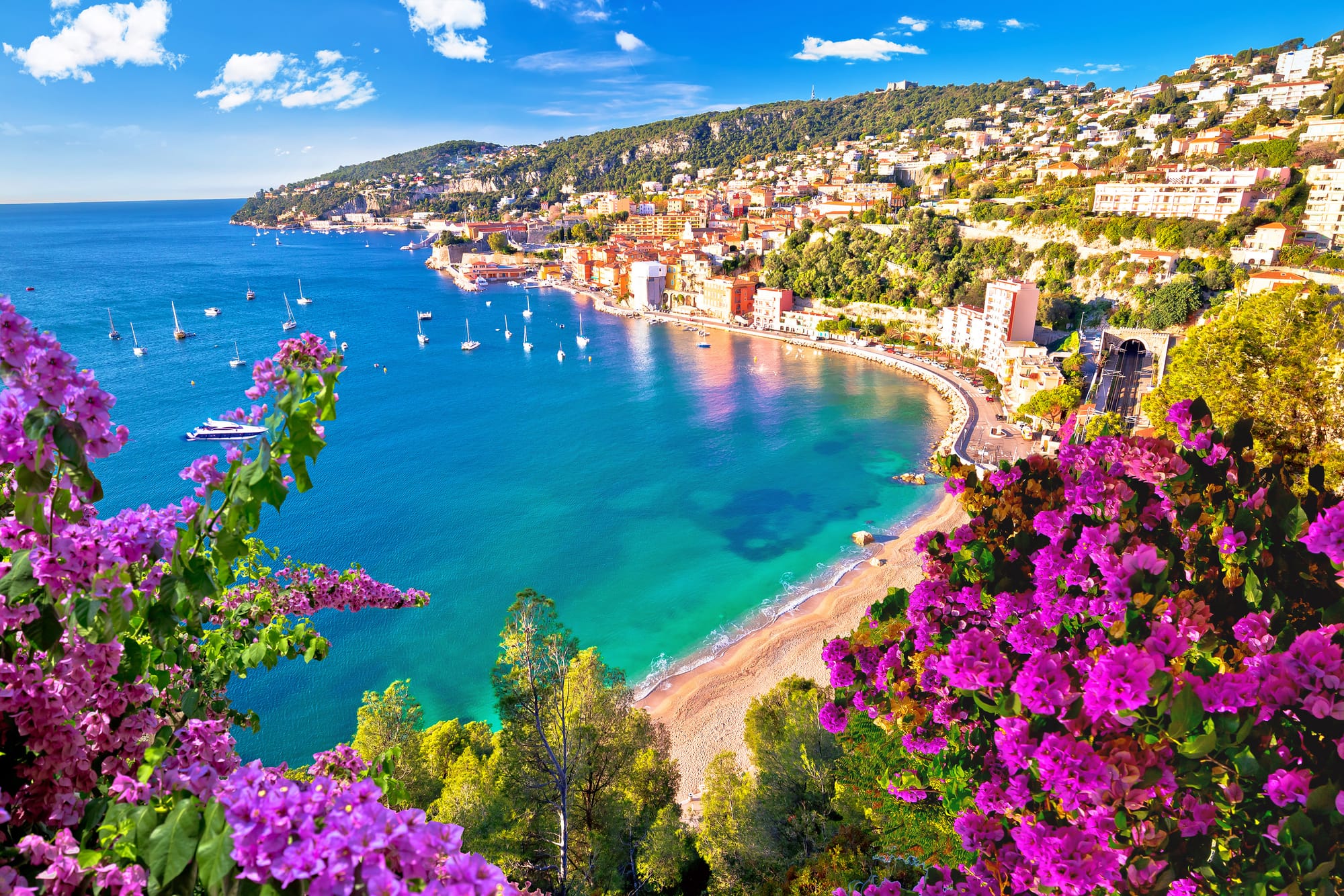
Villefranche-sur-Mer is on a steep hillside descending to one of the deepest natural harbors on the entire Riviera, creating a postcard-perfect tableau of colorful waterfront buildings, terracotta rooftops and fishing boats bobbing in sheltered waters. The town dates to the 14th century and its medieval character persists in vaulted passageways, stone staircases and a 16th-century citadel now housing museums and galleries. The rue Obscure, a covered street running beneath the town's buildings at waterfront level, is one of the oldest intact medieval streets on the Riviera and provides a tangible connection to centuries of maritime history.
Just 10 minutes from the beaches and restaurants of Saint-Jean-Cap-Ferrat, Villefranche offers a more village-centered experience for those who prefer authenticity. The waterfront promenade is lined with restaurants serving fresh-caught seafood and the Chapelle Saint-Pierre, decorated by a celebrated artist in 1957, stands as a reminder that artists and writers have been drawn to this harbor for generations. The deep natural bay also serves as a regular anchorage for visiting cruise ships and private yachts, lending the town a cosmopolitan energy that coexists naturally with its fishing-village roots. For private luxury properties in Villefranche-sur-Mer, contact LVH to explore available options suited to your preferences.
Beaulieu Sur Mer
Adjacent to the cap on the eastern side, Beaulieu-sur-Mer deserves mention as the home of Greek Villa Kerylos, a faithful reproduction of an ancient Greek mansion and the Petite Afrique beach, where the Batik by African Queen club brings a Balinese-inspired atmosphere to the Riviera coast. The town enjoys a particularly mild microclimate and serves as a natural complement to time spent on the cap. The walk from Saint-Jean-Cap-Ferrat to Beaulieu-sur-Mer along the Promenade Maurice Rouvier is one of the loveliest parts of any visit.
Seasonal Calendar
The climate maintains its appeal year-round, though the experience shifts meaningfully with the seasons. Peak season arrives in June and extends through September, when temperatures hover in the high 70s and low 80s F, establishments operate at full capacity and the sea reaches its warmest. July and August draw the most visitors, though the cap's inherent exclusivity means it never approaches the density of neighboring resort towns.
Shoulder months of April, May and October offer warm days with noticeably fewer visitors, creating ideal conditions for hiking the trails and exploring cultural attractions at a leisurely pace. Most restaurants and clubs remain open during this period, making it the preferred window for travelers who want sunshine without high-season intensity.
November through March brings the quietest period, with mild temperatures by European standards and some seasonal closures among beachfront establishments. Those who visit during these months discover a more intimate atmosphere, where locals reclaim the village and surrounding cities provide year-round cultural programming. The Nice Carnival in February and the Grand Prix in May offer compelling reasons to visit just beyond peak summer.
Beaches
The shoreline surrounding Saint-Jean-Cap-Ferrat is defined by intimacy rather than scale. Where other Riviera destinations offer long, crowded stretches of commercial sand, beaches here occupy sheltered coves and rocky inlets where the water runs clear to the seabed and the atmosphere favors tranquility. Shores are clean, water is warm and marine life is remarkably abundant for a peninsula so close to major urban centers.
These are not beaches designed for crowds. They reward those who seek them out, often requiring a short walk down paths or steep stone steps. That effort is precisely the point and it is what preserves their character. Visitors accustomed to the commercialized strands of Cannes or the high-density summer scene at Pampelonne will find the contrast striking. Here, a good day at the beach means finding your own rhythm without competition for space.
Plage Des Fossettes
Tucked beneath the Peace Garden on the Pointe Saint-Hospice, Plage des Fossettes is widely considered the most unspoiled and discreet beach on the cap. The setting is almost impossibly picturesque. A small crescent of sand and pebble framed by rocky outcrops and backed by lush vegetation has regulars returning season after season for the exceptional tranquility and for the rich seabed visible in the shallow waters just offshore. The approach, along a footpath descending through the garden, provides a gradual transition from the manicured world above to the wildness of the shoreline.
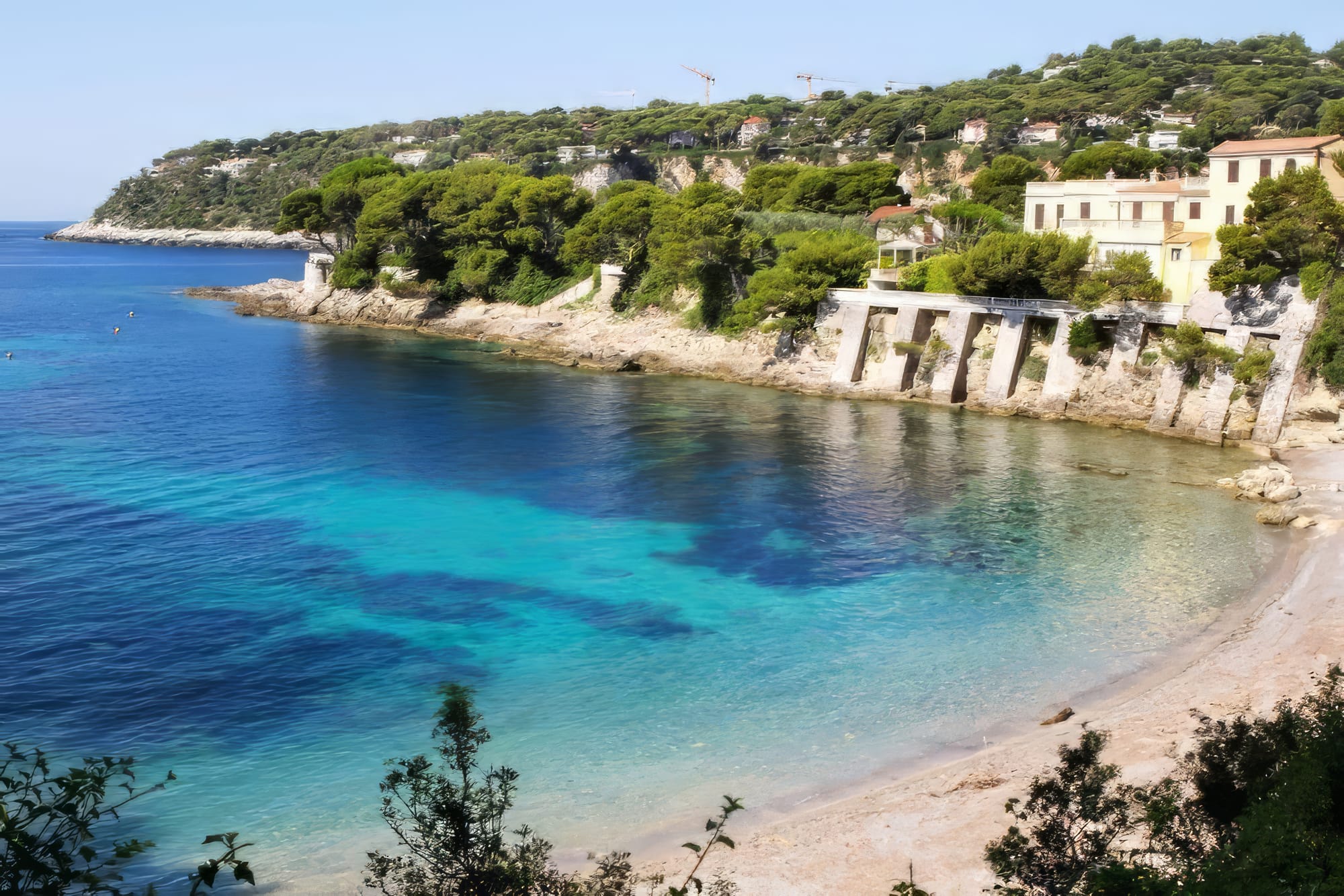
The beach is particularly prized among snorkelers. The marine ecosystem here is dense and varied, with sea grasses and rocky formations creating habitat that supports a surprising diversity of species. The absence of motorized watercraft in the immediate area means the underwater world remains undisturbed, making this an ideal introduction to marine life for both adults and children. Bring your own towels and supplies since there are no commercial facilities here, which is precisely what devotees appreciate.
Plage Cros Dei Pin
Located at the heart of the village, Plage Cros Dei Pin is one of the largest beaches on the cap and the most easily accessible. Its position beside the local Water Sports Club gives it a livelier energy than more secluded coves, with a play area and beach volleyball pitch lending a family-friendly character distinguishing it from quieter shores. The sand here is broad enough to accommodate a range of beachgoers without ever feeling crowded and the gentle slope into the water makes it a comfortable choice for younger swimmers.
The beach benefits from its central location with restaurants and cafes in the village a short walk away and the port visible from the sand. Being close to the Water Sports Club also means equipment rentals and instruction are readily available for those who want to try paddle boarding, kayaking or other activities without venturing far. For families with children or those who prefer the convenience of having amenities close, Cros Dei Pin strikes a balance between characteristic privacy and the pleasant activity of a seaside town.
Plage De La Fosse
On the southern side, where the coastline faces open water and hillside villas are nestled among green slopes, Plage de la Fosse ranks among the most beautiful public beaches in the area. The setting is striking with clear turquoise water meeting a gently curving shore backed by private gardens and mature trees, creating a sense of being enveloped by both sea and land. The southern orientation means the beach receives generous sunlight throughout the day and water here tends to be slightly warmer than on the more shaded northern side.
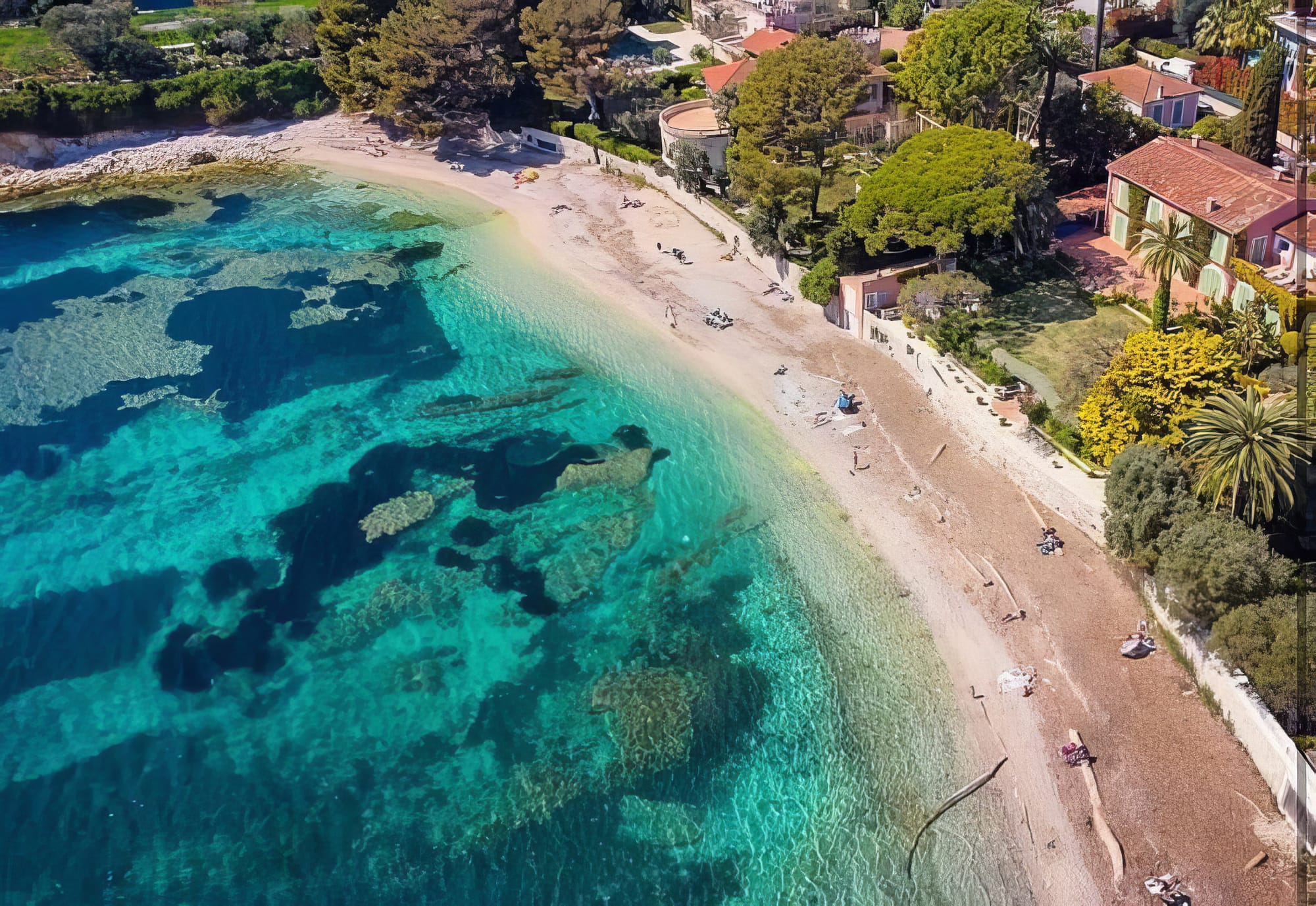
The beach supports a range of activities, from snorkeling along the rocky edges to sunbathing on the sand to walking the path that connects to adjacent coves. Snorkeling here is particularly rewarding, as the southern exposure brings a slightly different marine environment than the more sheltered northern beaches. Rocky outcrops on either side of the cove create natural boundaries that give the beach a sense of enclosure and privacy even during busier summer months.
Plage De Passable And Paloma Beach
Two additional beaches merit attention. Both function as destinations in their own right. Passable occupies the western shore, facing the bay of Villefranche, while Paloma Beach sits in a secluded eastern cove accessible via a descent down steep steps. Both are covered in greater detail in the section that follows, but visitors should know each offers a distinct experience. Passable is known for its sunset views and Paloma for its hidden, almost secret character. Together with Plage de la Fosse and the secluded eastern beach, these beaches on the peninsula form a circuit of distinct shoreline experiences that can be explored during your stay.
Each beach carries its own personality, from the wild tranquility of the easternmost cove to the village-adjacent convenience of Cros Dei Pin and choosing among them becomes one of the small daily pleasures of life on the cap.
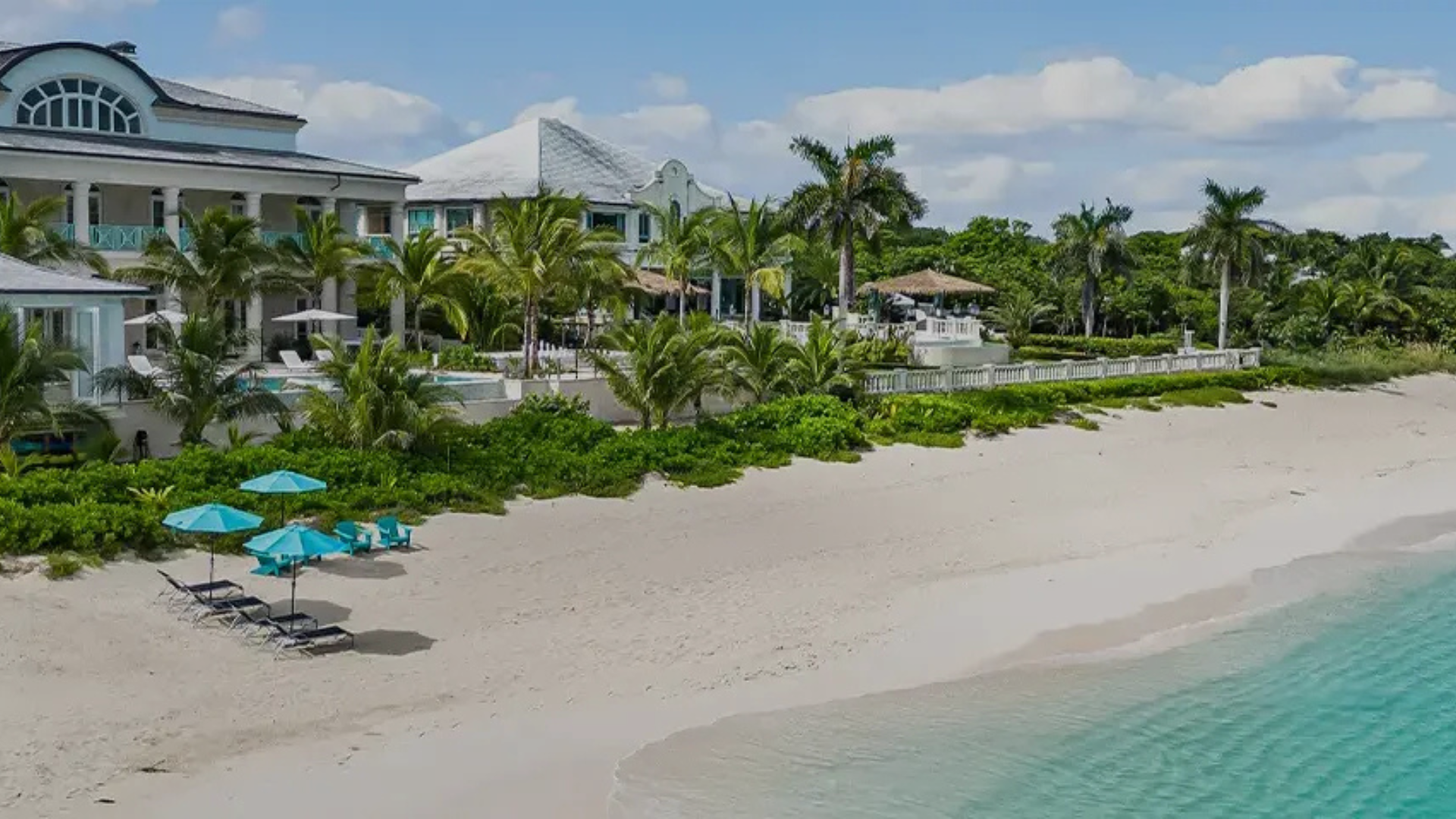
Enjoy the most amazing waves in front of your doorstep
Browse our Beachfront CollectionBeach Clubs
The club culture is central to the Riviera experience and while Saint-Jean-Cap-Ferrat's offerings are more curated than the sprawling scenes of Saint-Tropez or Cannes, the quality and atmosphere here reflect a commitment to refinement over excess. These are establishments where the emphasis falls on comfort, cuisine and setting rather than being seen. The scale is deliberately intimate, with each venue cultivating a distinct personality that draws a loyal following of returning guests.
Reservations are advisable during peak months, particularly for weekend lunches. Arriving mid-morning secures the best positions and allows for a full day of uninterrupted enjoyment.
Batik By African Queen
On the Petite Afrique beach in neighboring Beaulieu-sur-Mer, Batik by African Queen brings a distinctly Balinese sensibility to the Riviera coast. The design language draws from Southeast Asian aesthetics, with natural materials, lush tropical plantings and an open-air layout that blurs the boundary between the venue and shore. Woven rattan seating, carved wooden tables and abundant greenery create an environment that feels transported from the Indonesian coast, yet remains thoroughly at home on this stretch. The effect is both chic and grounding, a space that invites lingering.
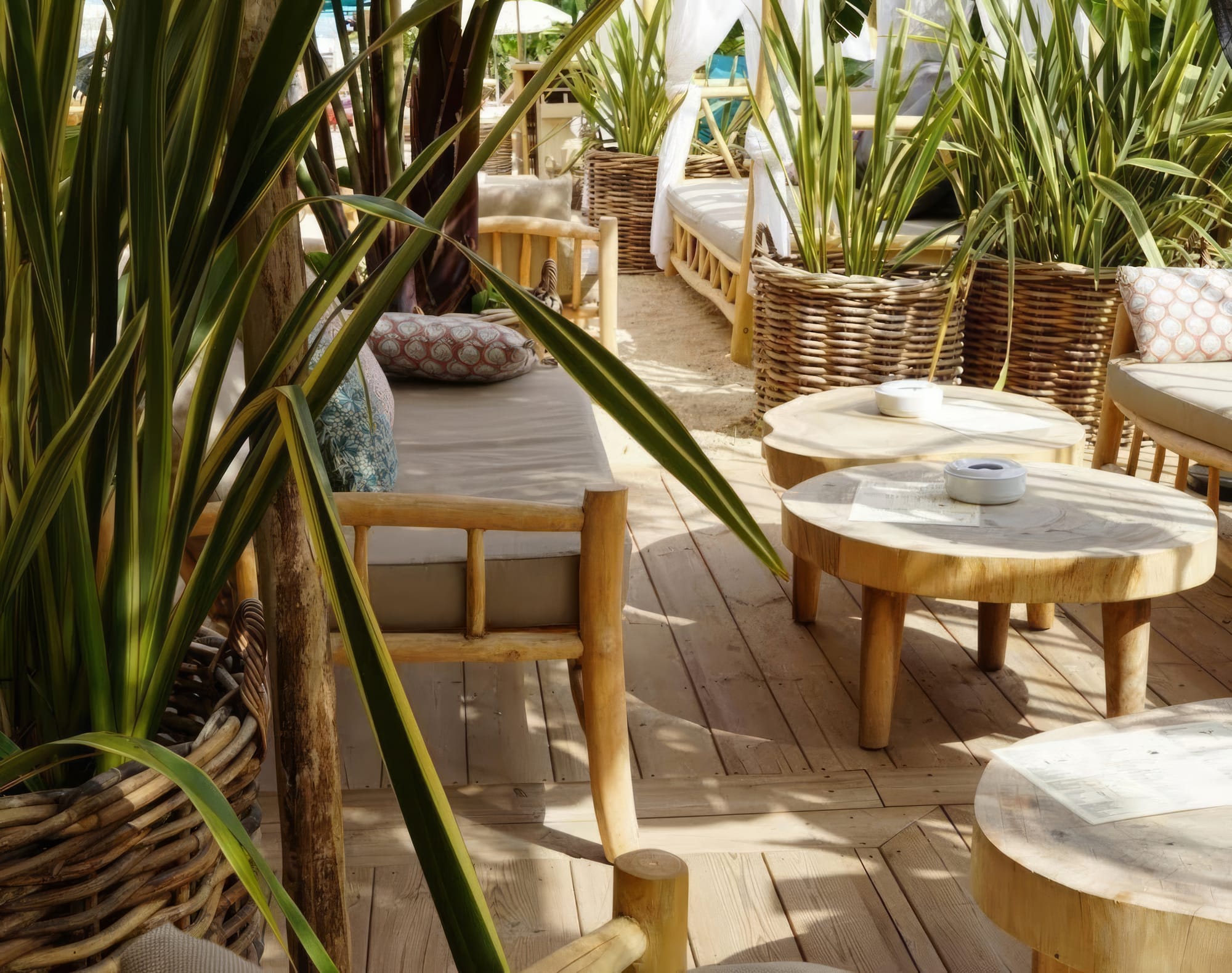
The restaurant component serves cuisine elevated by exotic accents, with dishes that draw on Asian flavor profiles alongside more traditional fare. The combination produces an unexpected range of tastes that sets Batik apart from more conventional beach dining. Whether the afternoon calls for a full meal or simply a comfortable lounger and an unhurried drink, the Balinese-inspired setting provides an atmosphere calibrated for recharging. The venue has earned a reputation as one of the most stylish beachfront spots in the area, drawing a sophisticated crowd that appreciates its distinctive character.
Paloma Beach Restaurant
Paloma Beach Restaurant embodies the kind of secluded serenity that defines the cap at its finest. Reaching it requires descending steep steps into a quiet bay that wraps around the eastern side. The effort of arrival contributes to the sense of having discovered something hidden. Views from the restaurant are remarkable, extending across sheltered waters toward the coastline and distant hills, with the kind of uncluttered horizon that immediately lowers the pulse.
The setting was created for relaxation with the natural beauty doing the rest. The sound of gentle waves replaces background music and the pace of service allows for long, unhurried afternoons. Tables are positioned to maximize the view while maintaining comfortable distances between parties, a small detail that speaks to the management's understanding of why people come here. It is the kind of establishment that regulars guard as their own for good reason.
Plage De Passable
On the western shore, Plage de Passable offers a private beach experience framed by one of the most enviable views of the coastThe full sweep of the bay of Villefranche, with the town's colorful facades, rise from the waterfront and forested hills climbing behind. The private section provides comfortable loungers and sun umbrellas arranged to maximize sunshine and sightlines.
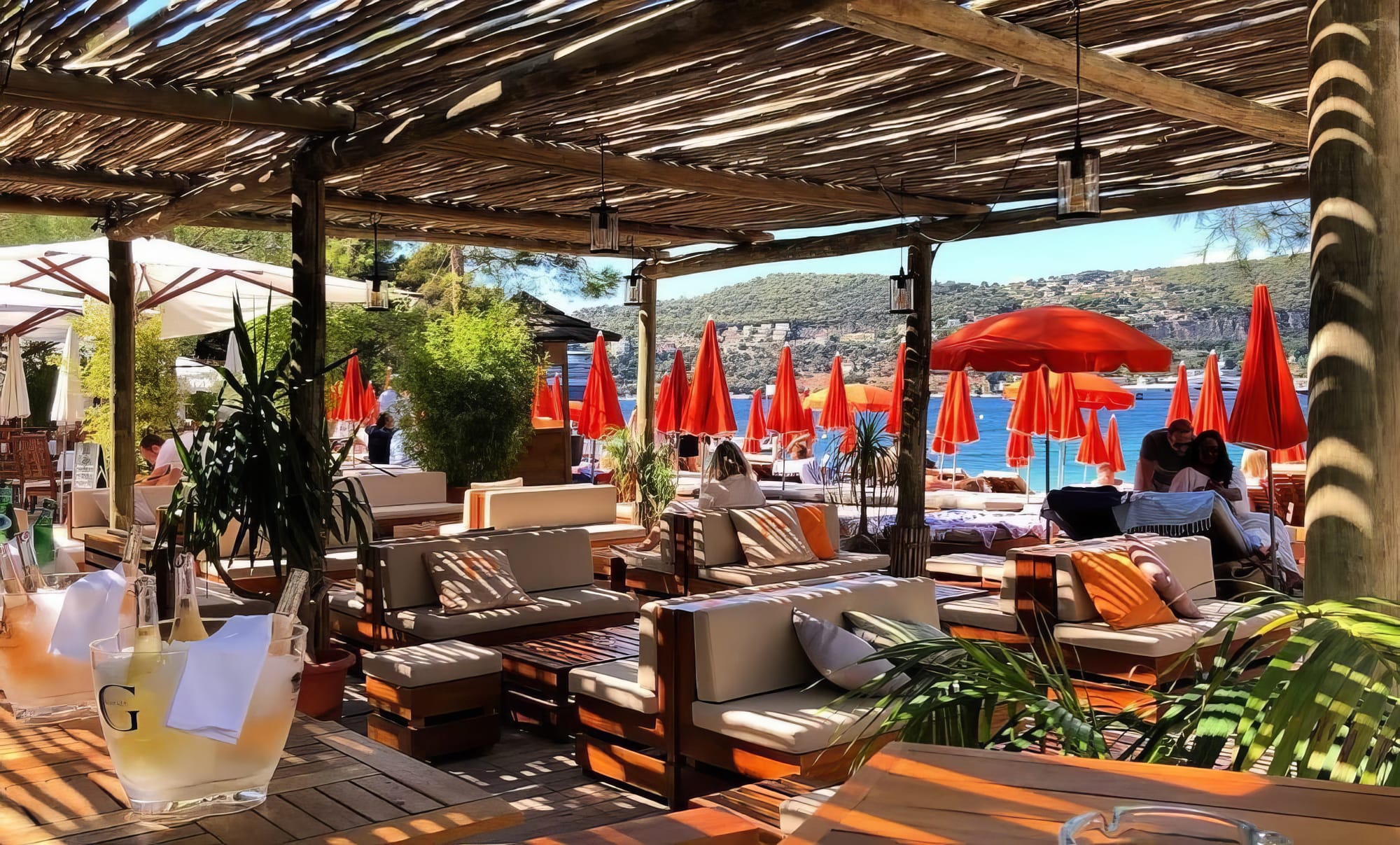
The food and beverage service keeps things refined without formality, with dishes and cold beverages served throughout the day. Sunset from this western-facing position is exceptional, with the light catching the water and the hillsides in shades that shift from gold to rose as evening approaches.
Club Dauphin
A discussion of beach culture would be incomplete without acknowledging Club Dauphin at the Grand-Hotel du Cap-Ferrat. While not featured in all destination guides, this iconic infinity pool on the rocks above the sea has served as a gathering place for the international elite since the hotel first opened its doors. Access is typically reserved for hotel guests, but the club's reputation as one of the Riviera's most photographed settings speaks to the standard of waterside leisure long maintained here.
Water Sports and Activities
Waters surrounding the peninsula offer conditions that range from meditative calm to pulse-quickening adventure and the variety of activities available reflects this spectrum. Whether the goal is a gentle exploration of underwater ecosystems or the adrenaline of skimming above the surface at speed, the sea here delivers.
Snorkeling
The coastline provides some of the finest snorkeling conditions on this stretch of the Riviera. The combination of rocky formations, sea grass beds and sheltered coves creates a diverse underwater environment where marine life thrives close to shore. The easternmost beach, on the side near Pointe Saint-Hospice, is especially well suited for snorkeling, with its rich seabed and protected waters. La Fosse on the southern coast offers equally rewarding conditions with a slightly different character.
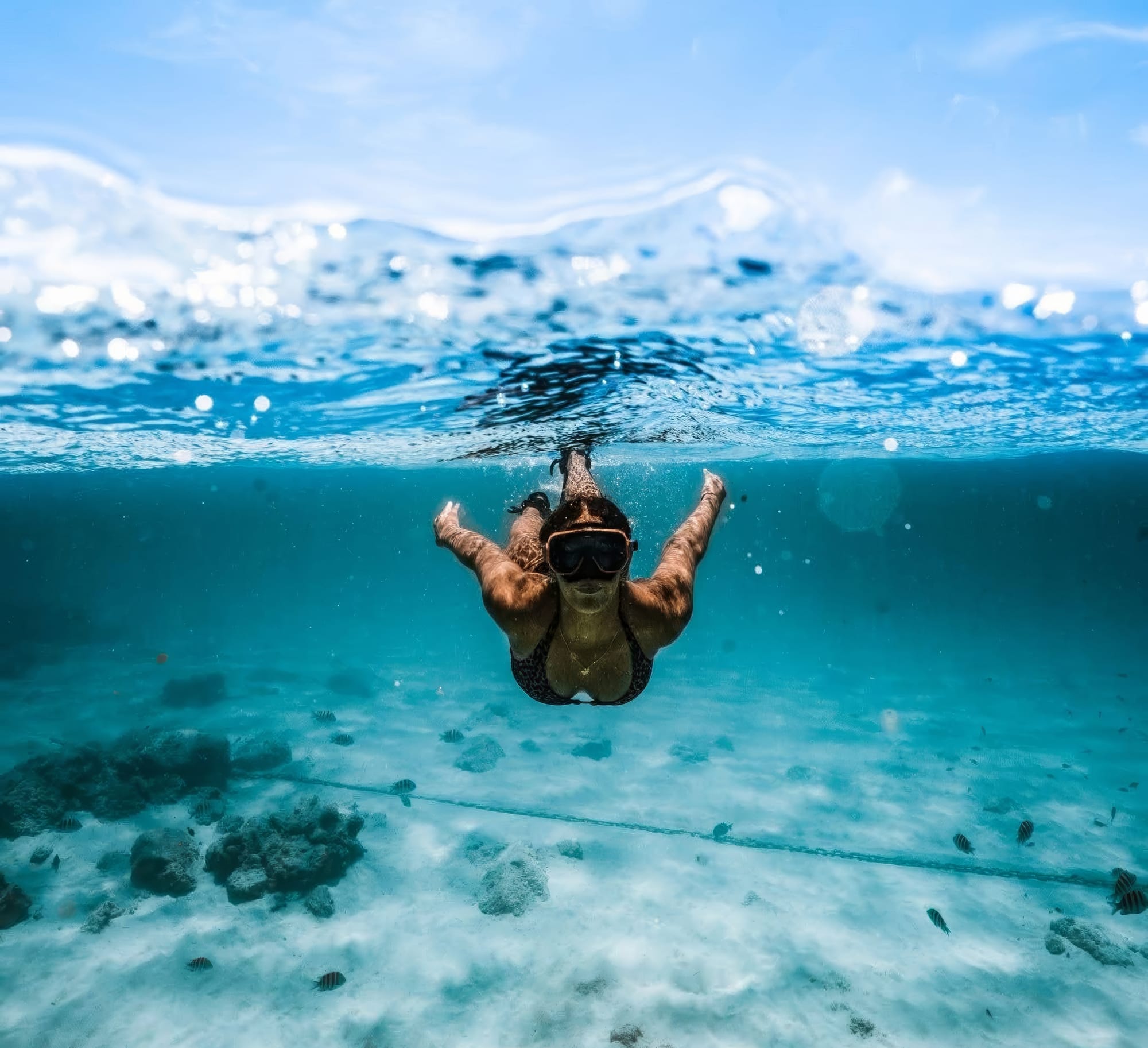
Snorkeling here is an experience accessible to all ages and skill levels, making it particularly appealing for families. Waters are warm from June through October, visibility is often excellent and marine life close to the shallows means even a brief session reveals the ecosystem that thrives just beneath the surface.
Scuba Diving
For those drawn to deeper exploration, the coast provides dive sites adapted to a range of experience levels. The underwater terrain includes rocky walls, submerged formations and open sandy stretches that host a varied roster of species. Divers may encounter moray eels, grouper, barracudas, octopus and scorpionfish, among other species, in waters that benefit from a relatively undisturbed marine environment.
Both beginners and experienced divers will find suitable sites, with local operators offering introductory sessions as well as guided dives for certified divers seeking more challenging descents. The clarity of the water and the density of marine life make each dive a memorable encounter with the underwater world.
Stand Up Paddle Boarding
Stand-up paddle boarding has become one of the most popular ways to experience the coastline, combining gentle physical activity with the freedom to explore coves and inlets inaccessible by land. Calm, sheltered waters along the western and eastern shores provide ideal conditions, particularly in the morning before afternoon breezes pick up.
The activity is accessible to virtually all fitness levels and ages, making it well suited for families and groups. Paddling along the coast reveals perspectives impossible to appreciate from shore like the way vegetation descends to the waterline, hidden rock formations that create natural pools and shifting colors of the seabed beneath the board.
Jet Ski
For a more exhilarating encounter with the sea, jet skiing in the bay offers an experience that blends speed with scenery. Piloting across open water with the cap and surrounding coastline as a backdrop creates an entirely different relationship with the landscape, one defined by motion and immediacy.
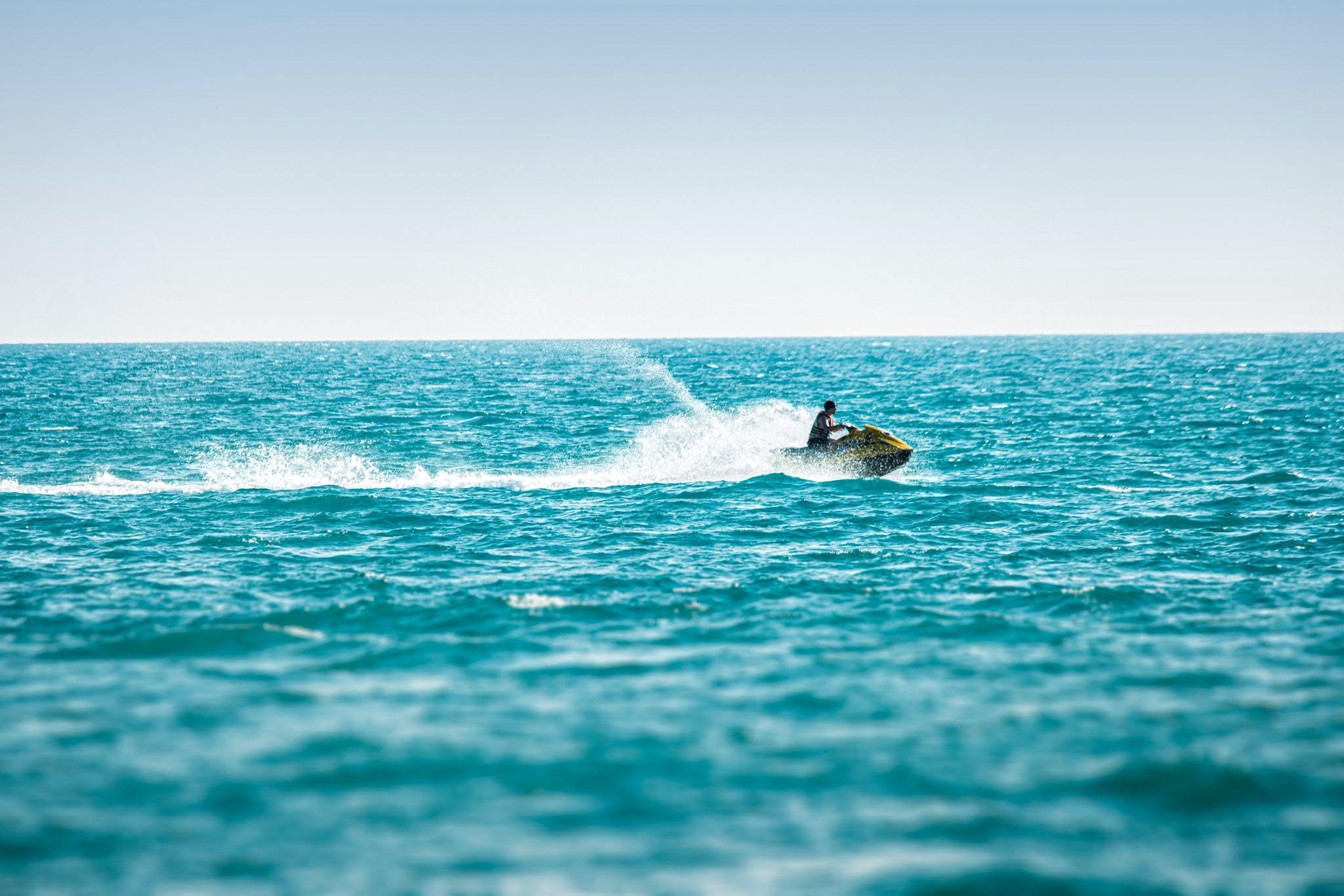
The bay's geography provides natural corridors for riding, with enough open water for speed and enough variation to keep the experience visually engaging. It ranks among the most dynamic ways to enjoy the setting.
Electric Foil
Among the newer additions to the area's water sport offerings, electric foiling has captured the imagination of visitors who appreciate both technology and environmental responsibility. The experience is distinctive with a motorized hydrofoil board lifting riders above the surface of the water, creating the sensation of flying across the sea on a silent, electric-powered craft.
The learning curve is surprisingly gentle, with most riders achieving stable flight within a single session. Once airborne, the feeling of gliding above the water with minimal noise and no emissions represents a novel way to engage with the marine environment.
Parasailing
Ascending between 30 and 100 meters above the ground on a parasail reveals the Riviera from a perspective no trail or hilltop can match. The panoramic view encompasses the full sweep of the cap, the bays on either side, the distant peaks of the Maritime Alps and the deep blue of the open sea extending to the horizon.
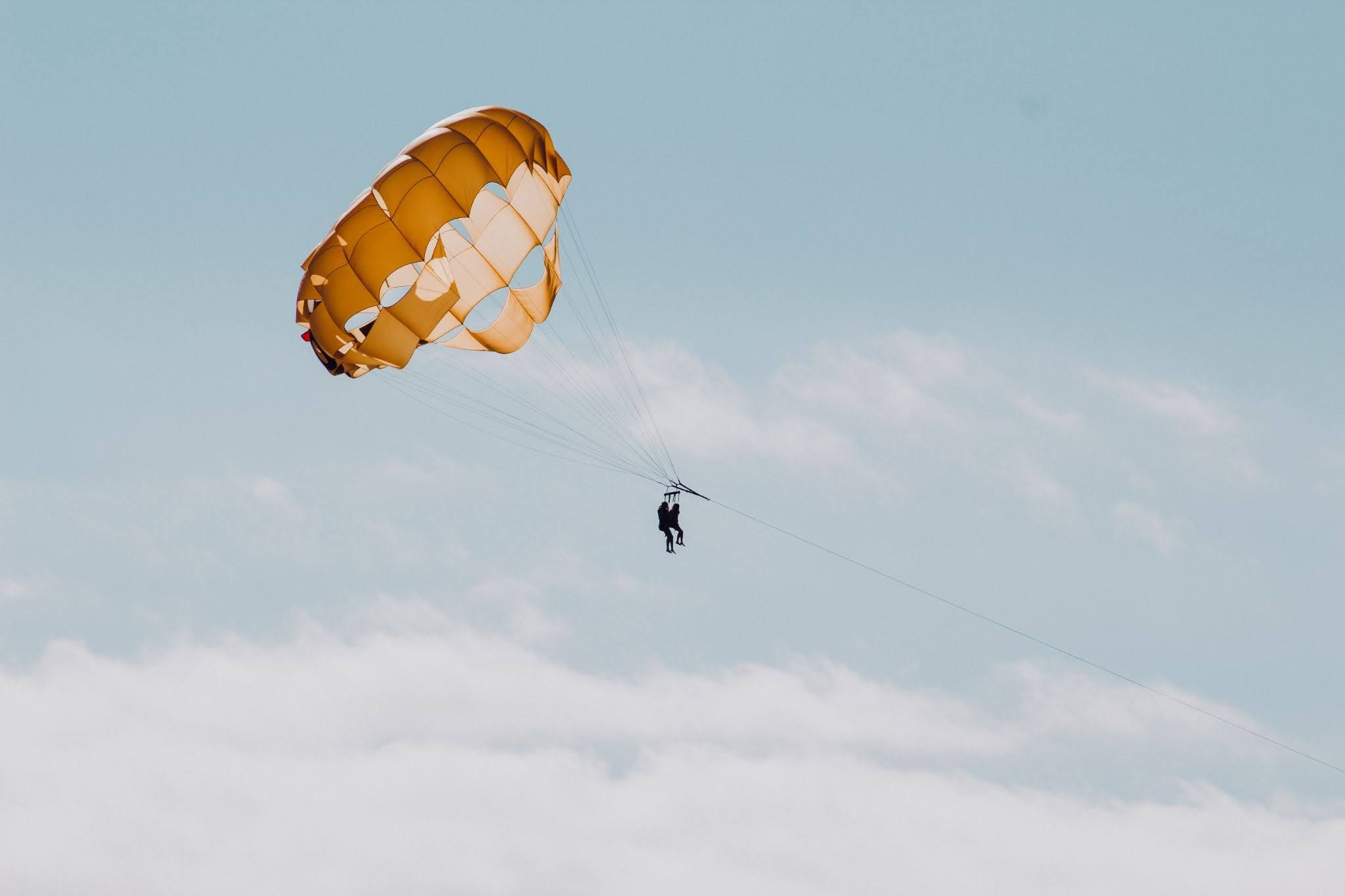
The experience is calm and contemplative, with the ascent and descent handled smoothly by experienced operators. For those who have spent days at sea level, the aerial perspective transforms the geography into something entirely new, with shapes of the coastline, colors of the water and the arrangement of villas and gardens all visible in a single sweeping view.
Sos Grand Bleu
Not every encounter with the sea involves recreation. SOS Grand Bleu, a marine conservation organization based in the area, undertakes concrete actions to protect the marine environment through education, advocacy and direct intervention. The organization's work addresses issues ranging from destructive fishing practices and marine pollution to the captivity of dolphins and whales.
For environmentally conscious visitors, engaging with SOS Grand Bleu provides a deeper understanding of the ecosystem that makes waters here so remarkable. It represents an opportunity to contribute to the preservation of the very environment that draws travelers to this coast.
Attractions
The history of Saint-Jean-Cap-Ferrat is layered and fascinating, reaching from medieval religious foundations through the Belle Epoque extravagance that defined the transformation into one of Europe's most exclusive addresses. For visitors who want more than sunshine and shoreline, the cultural landmarks here reward curiosity with stories spanning centuries.
Villa And Gardens Ephrussi De Rothschild
The most celebrated cultural destination on the cap, Villa Ephrussi de Rothschild is on the narrowest point, where views extend over the bays of Villefranche and Beaulieu. The palace draws on Italian Renaissance design while incorporating Lombard, Venetian and Spanish influences across its lavishly appointed interiors. Baroness Beatrice de Rothschild commissioned the villa in the early 20th century, filling it with collections of fine art, porcelain, tapestries and period furniture reflecting the tastes of one of Europe's most prominent families. Interiors include salons, a covered patio inspired by a Venetian palazzo and intimate rooms where Sevres pieces and Flemish paintings share space with Asian antiquities.
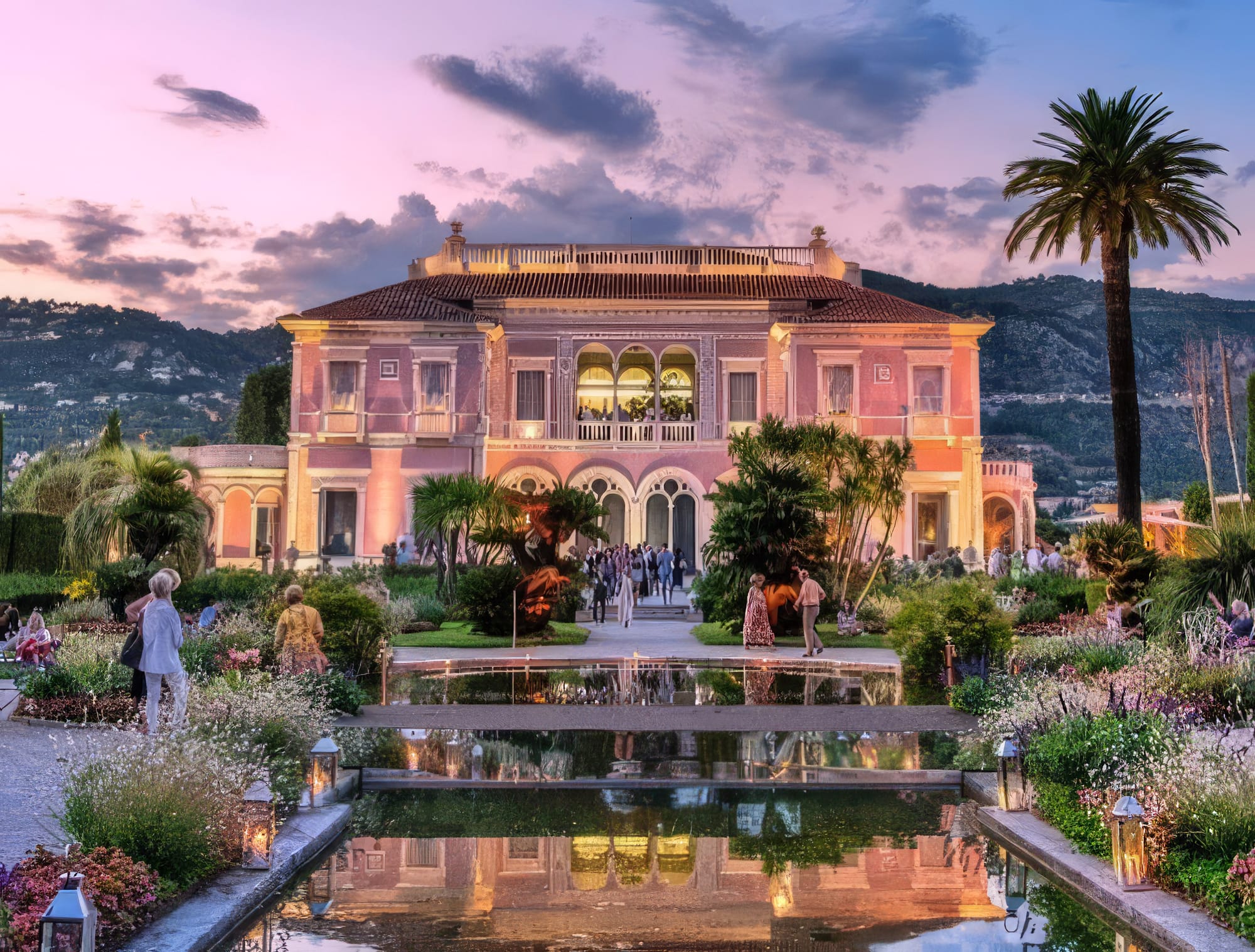
Nine themed gardens surrounding the villa are as much a draw as the interiors. Each occupies a distinct area of the grounds and explores a different horticultural tradition: French, Spanish, Florentine, Japanese, exotic and more. Visitors are particularly captivated by the French garden with its musical fountains that perform at regular intervals, their choreographed jets rising and falling in time to classical compositions along the central axis with the sea visible on both sides. Walking through the full circuit of gardens provides a journey through global landscape design, all framed by the luminous light making this coast so distinctive. The rose garden alone contains hundreds of varieties and the stone garden incorporates architectural fragments and carved details collected from across Europe.
A visit here is essential for anyone seeking to understand the cultural identity of the cap. The villa and its grounds distill the ambition with taste and grandeur that have characterized the area since the wealthy and powerful first recognized its potential.
Villa Santo Sospir
Also among the top experiences on the Cap is a visit to Villa Santo Sospir, a remarkable artistic landmark. In 1950, artist and filmmaker Jean Cocteau was invited to stay at this waterfront residence. Inspired by its setting, he began decorating interior walls with elaborate murals and frescoes. The result is a living artwork where mythological scenes, astrological motifs and fantastical figures adorn nearly every surface. The marriage chamber in the town hall of Villefranche-sur-Mer, also painted by Jean Cocteau, echoes his distinctive style and is worth a brief stop as well. The residence stands as a unique testament to the creative energy that has long drawn artists to this coast.
Greek Villa Kerylos
In the neighboring town of Beaulieu, built on a rocky cliffside extending into the sea, Greek Villa Kerylos is one of the most architecturally distinctive buildings on the Riviera. Constructed between 1902 and 1908 for French archaeologist Theodore Reinach, the villa is a faithful reproduction of an ancient Greek dwelling from more than two millennia ago, adapted to requirements of early 20th-century living.
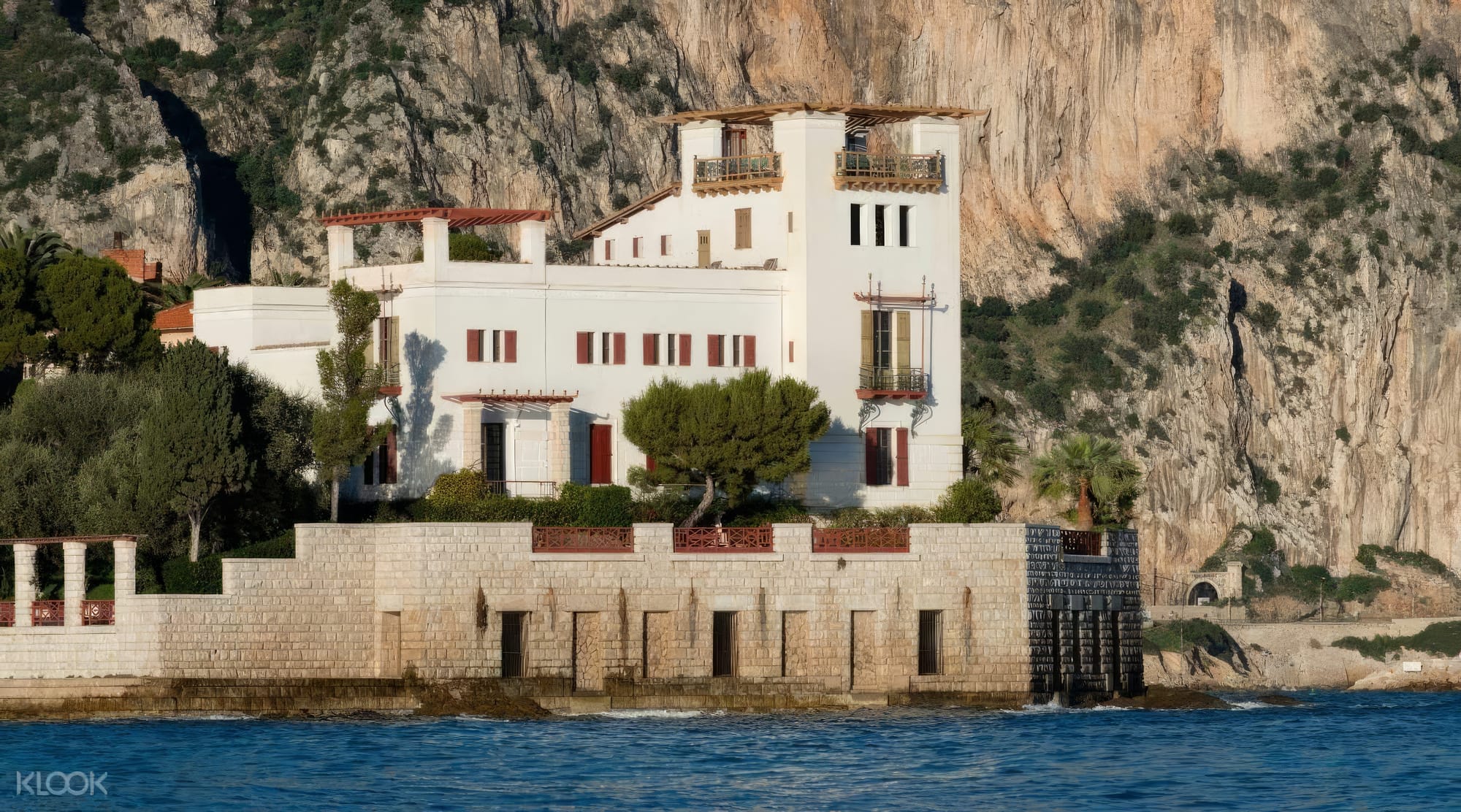
The interior reflects Reinach's scholarly dedication to classical authenticity, with mosaics, frescoes and furnishings that evoke the domestic life of ancient Greece. The villa's position on the water amplifies the effect, with the sea visible through windows and from terraces in a manner that connects the building to its historical inspiration. As a museum, Kerylos offers visitors an immersive experience of classical architecture that transcends typical exhibition formats.
Chapelle De Saint Hospice
The chapel of Saint-Hospice was built in the 11th century on the site of a ruined earlier sanctuary on the Pointe Saint-Hospice at the eastern end of the cap. The structure is modest in scale but rich in history, with stone walls that have witnessed nearly 1,000 years of devotion.
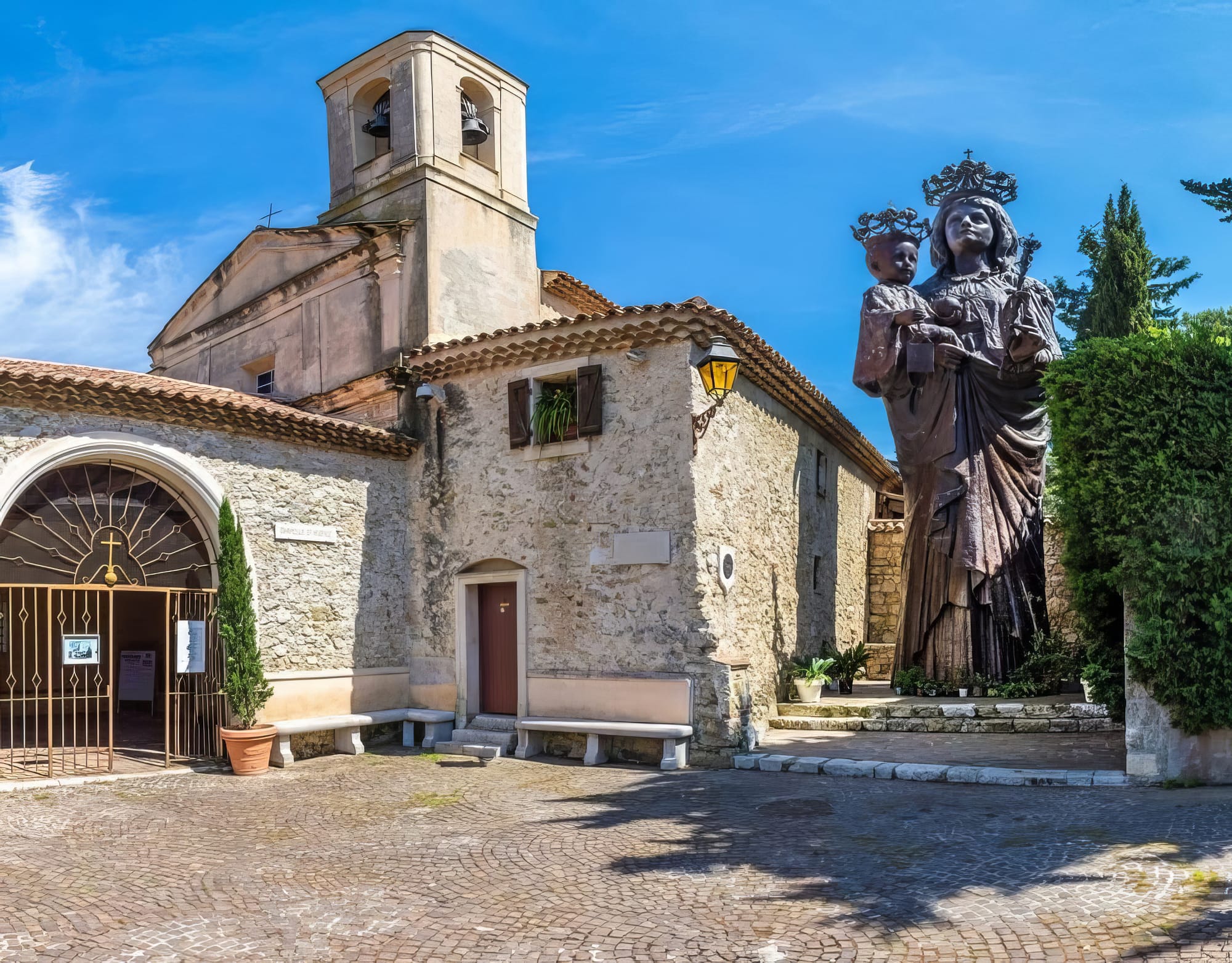
The chapel's most visible feature is a large bronze statue of the Virgin Mary, commissioned in 1904 by a wealthy trader from Nice after one of his prayers was answered. The statue has become a landmark visible from surrounding waters and trails. The setting, on a promontory surrounded by the Peace Garden and overlooking the sea, combines spiritual significance with panoramic beauty that draws visitors regardless of religious inclination.
Saint Jean Baptiste Church
The Church of Saint John the Baptist, like the Chapelle de Saint-Hospice, traces its origins to the 11th century. Located in the village proper, the church is simple in its architecture but charmingly decorated, with an interior that radiates the peaceful energy one might expect from a place of worship that has served a small community for nearly a millennium.
The church provides a counterpoint to more opulent attractions, reminding visitors the identity includes a genuine spiritual and communal tradition. A brief visit during a walk through the village completes the picture of a place that has maintained its character across centuries of change.
The Lighthouse
The beacon at the tip of the peninsula has become one of the defining landmarks, thanks to its dramatic position and extraordinary views. From the area surrounding it, the vista encompasses the open sea to the south, the coastline curving toward the east and hills rising behind Nice to the west.
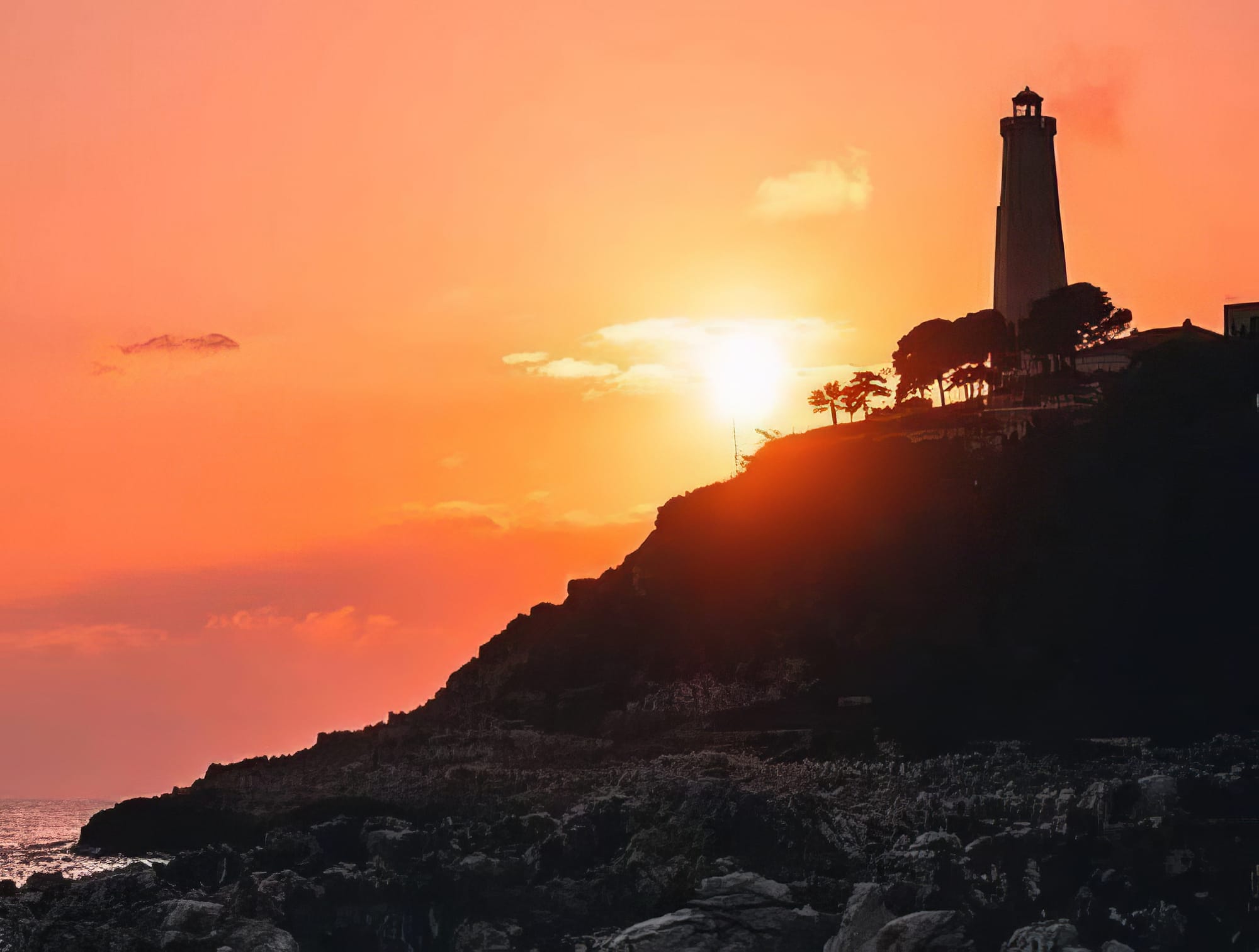
The setting is particularly remarkable at sunset, when the light transforms the sea and sky through a progression of gold, rose and violet that has drawn painters and photographers to this coast for generations. A visit at this hour turns a simple landmark into one of the most memorable visual experiences available on the Riviera.
Land Activities
The compact geography and varied terrain support a range of land-based activities that complement the attraction of the shoreline. The landscape shifts from seaside paths to hillside gardens within remarkably short distances, and the climate makes outdoor pursuits comfortable for much of the year.
Hiking
Walking trails trace 12 kilometers along the coastline of Saint-Jean-Cap-Ferrat, hugging the seaside through a progression of landscapes including rocky headlands, hidden coves, dense pine forests and open stretches with unobstructed sea views. The Sentier du Littoral, as the coastal path is known, ranks among the most scenic walks on the Riviera, rewarding hikers with perspectives impossible to achieve from the road. The Promenade Maurice Rouvier, connecting Beaulieu-sur-Mer to the village of Saint-Jean along the eastern shoreline, provides a particularly beautiful and accessible section where the path follows the water's edge beneath overhanging vegetation with views of the Mediterranean bay.
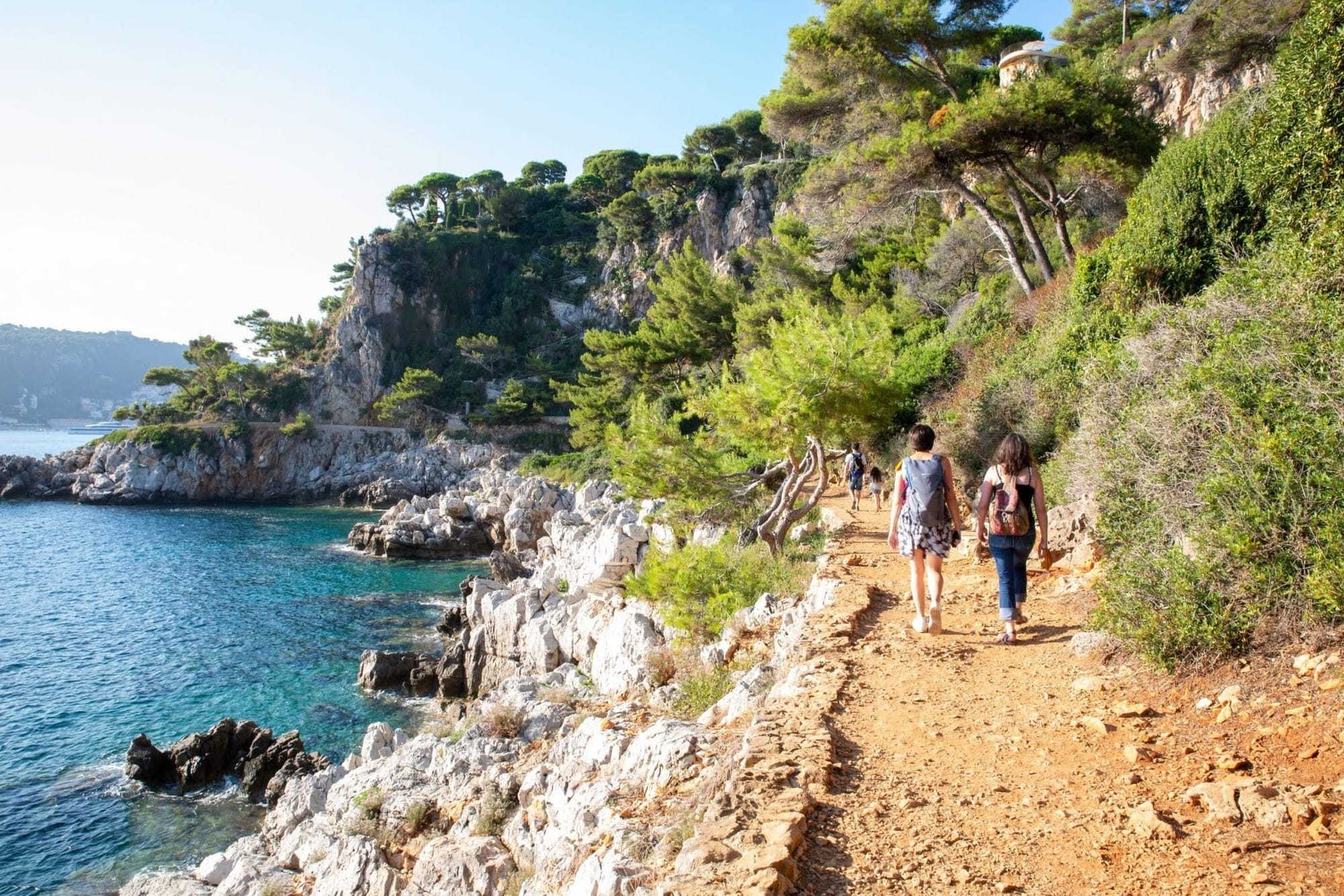
Trails vary in difficulty from gentle, flat sections suitable for leisurely strolls to steeper passages requiring more sure footing. Along the way, the path passes secret beaches accessible only on foot, viewpoints that reveal the full sweep of the coastline and quiet stretches where the only sound is the wash of waves against rocks below. The circuit around the Pointe Saint-Hospice is especially rewarding, combining the cultural interest of the chapel and Peace Garden with dramatic scenery. Hiking the trail provides a shared experience that connects everyone to the natural beauty that defines this place.
Biking
Cycling along the coast opens up the wider landscape. Riders can explore secluded corners of the cap itself, where narrow roads wind past hidden villas and through groves of maritime pine, or venture further afield along roads connecting Nice, Villefranche and Beaulieu. The route toward Eze and La Turbie climbs into the hills above the coast, rewarding the effort with views encompassing the entire sweep of the Riviera from a dramatically elevated perspective.
The terrain offers variety with relatively flat routes along the coast for relaxed riding and steeper climbs into the hills behind for those seeking a more challenging workout. The scenic quality of virtually every route, with the sea visible at regular intervals and the architecture of the coast providing constant visual interest, elevates what might be simple exercise into genuine exploration. Early mornings, before the roads fill with daytime traffic, provide the most rewarding conditions for cycling, with cool air and soft light that make even familiar routes feel new.
Botanical Tour
The rich botanical heritage of Saint-Jean-Cap-Ferrat tells the story of a landscape transformed. The cap was once dry and rocky, a windswept promontory of limestone and scrub that bore little resemblance to the lush environment today. More than a century of cultivation by wealthy residents, beginning with King Leopold II's ambitious planting programs in the late 1800s, has produced an extraordinary variety of plant life. Dragon trees, palms, carob trees, jacarandas and hibiscus are among the species now thriving here, creating a lush subtropical character that belies the climate.
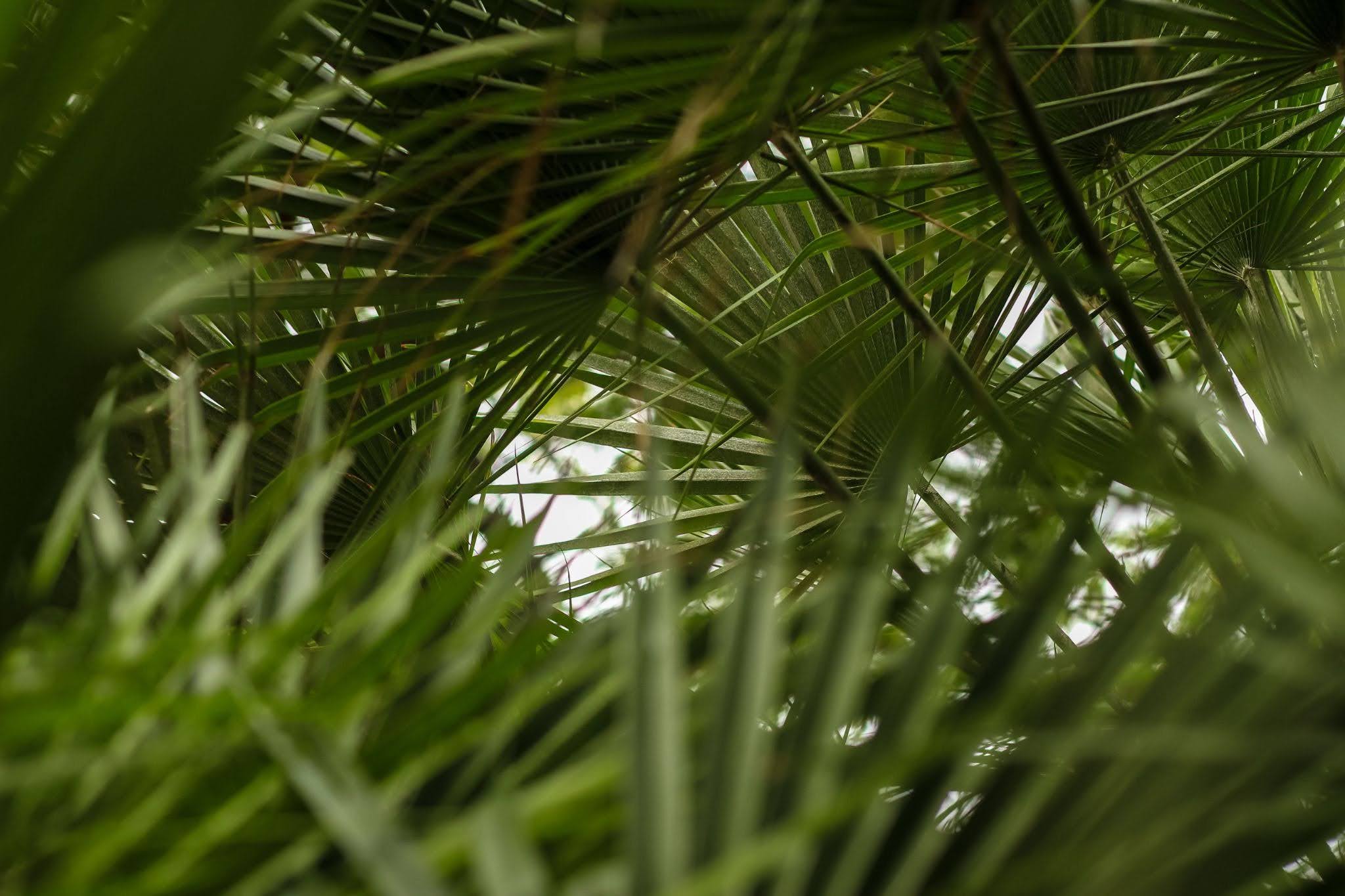
A guided botanical tour reveals the layers of this horticultural history, from native species that cling to the rocky coastline to exotic imports that fill private gardens and public spaces. Gardens of Villa Ephrussi alone contain hundreds of plant species arranged across nine themed landscapes, but the botanical interest extends well beyond any single property. The diversity of plant life is remarkable for such a compact area and the interplay between natural vegetation and cultivated landscapes provides insight into the human effort that has shaped this place into its current form. For visitors with an interest in horticulture, the tour reframes everything as a living garden.
Fine Dining
Saint-Jean-Cap-Ferrat and its immediate surroundings support a dining scene that punches well above its weight for a community of this size. Culinary traditions here reflect the position at the intersection of French and Italian influences, with local Mediterranean ingredients forming the foundation for cuisine that ranges from refined Michelin-starred dining to warmly authentic fare. The proximity of Provencal markets, where the morning catch arrives alongside seasonal produce from the surrounding hills, gives chefs access to fresh and quality ingredients setting the baseline for every kitchen on the cap.
Restaurants are intimate in scale, service is attentive without being intrusive and settings, whether a terrace overlooking the port or an elegant hotel dining room framed by gardens, contribute as much to the experience as the food itself. Reservations are recommended at all establishments during summer and are essential at the Michelin-starred restaurant.
Le Cap
Le Cap stands as the crown jewel of the dining scene, having earned a coveted Michelin star under the direction of Chef Yoric Tieche. The restaurant is within the Grand-Hotel du Cap Ferrat that fully complements the culinary ambition on the plate with outdoor tables arranged among mature palm trees and gardens, with views extending toward the sea through the property's lush grounds. The environment strikes a balance between formality and the natural ease of dining outdoors on the Riviera, a setting where the rustle of palm fronds accompanies each course.
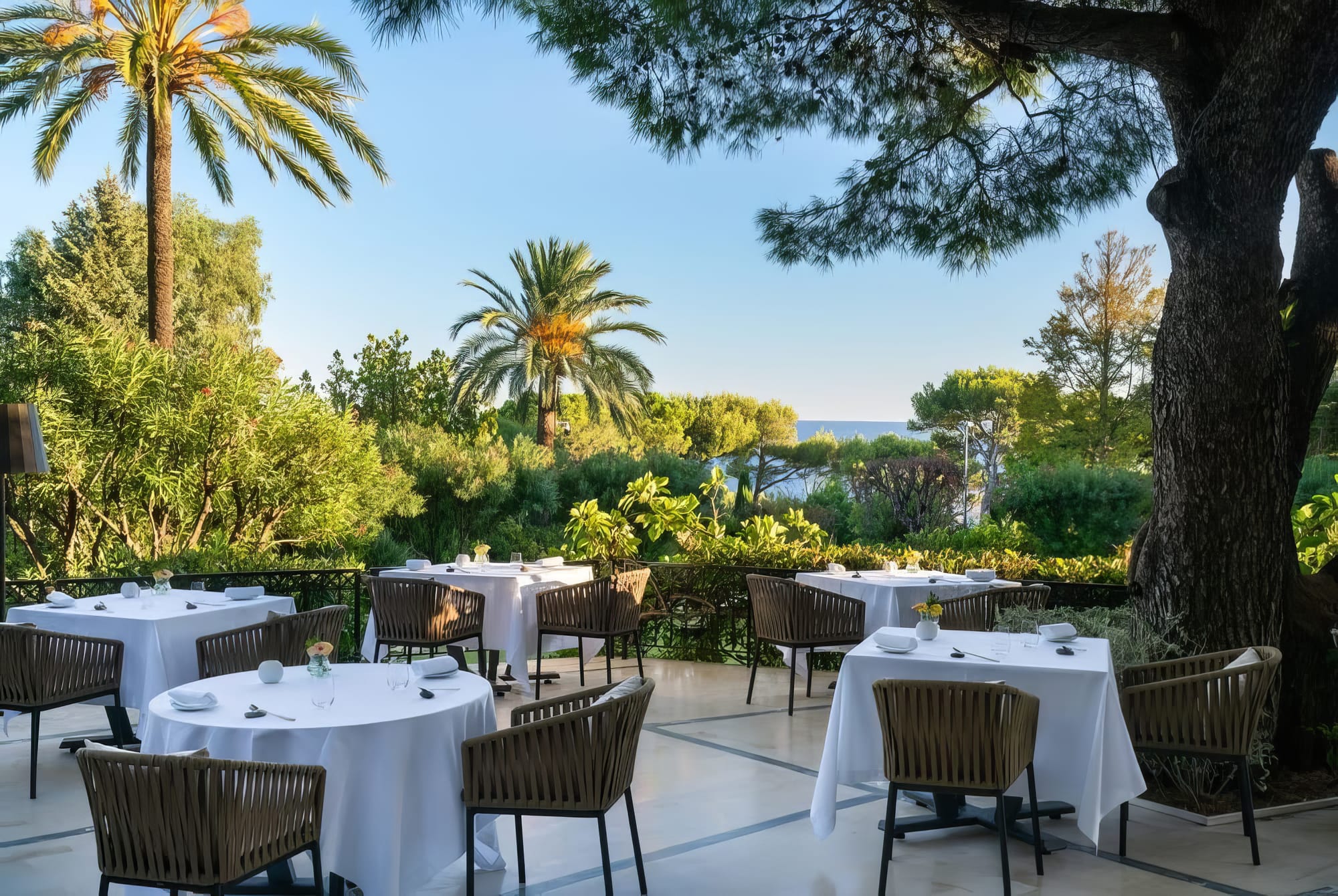
Tieche's approach emphasizes the quality and provenance of ingredients, with dishes that showcase regional flavors through refined techniques and elegant presentation. Each plate reflects a philosophy in which freshness and simplicity are elevated. The wine program complements the kitchen's focus with particular depth in Provencal and Italian selections. A meal here defines the standard for fine dining and ranks among the most accomplished culinary experiences on this stretch of the coast.
La Veranda
Also in the Grand-Hotel du Cap-Ferrat, La Veranda serves as an inviting all-day dining destination where the influence of both Italian and French culinary traditions converges. The restaurant's setting blends natural light, sea views and elegant interior design to create an atmosphere that shifts naturally from relaxed daytime meals to more romantic evening dining.
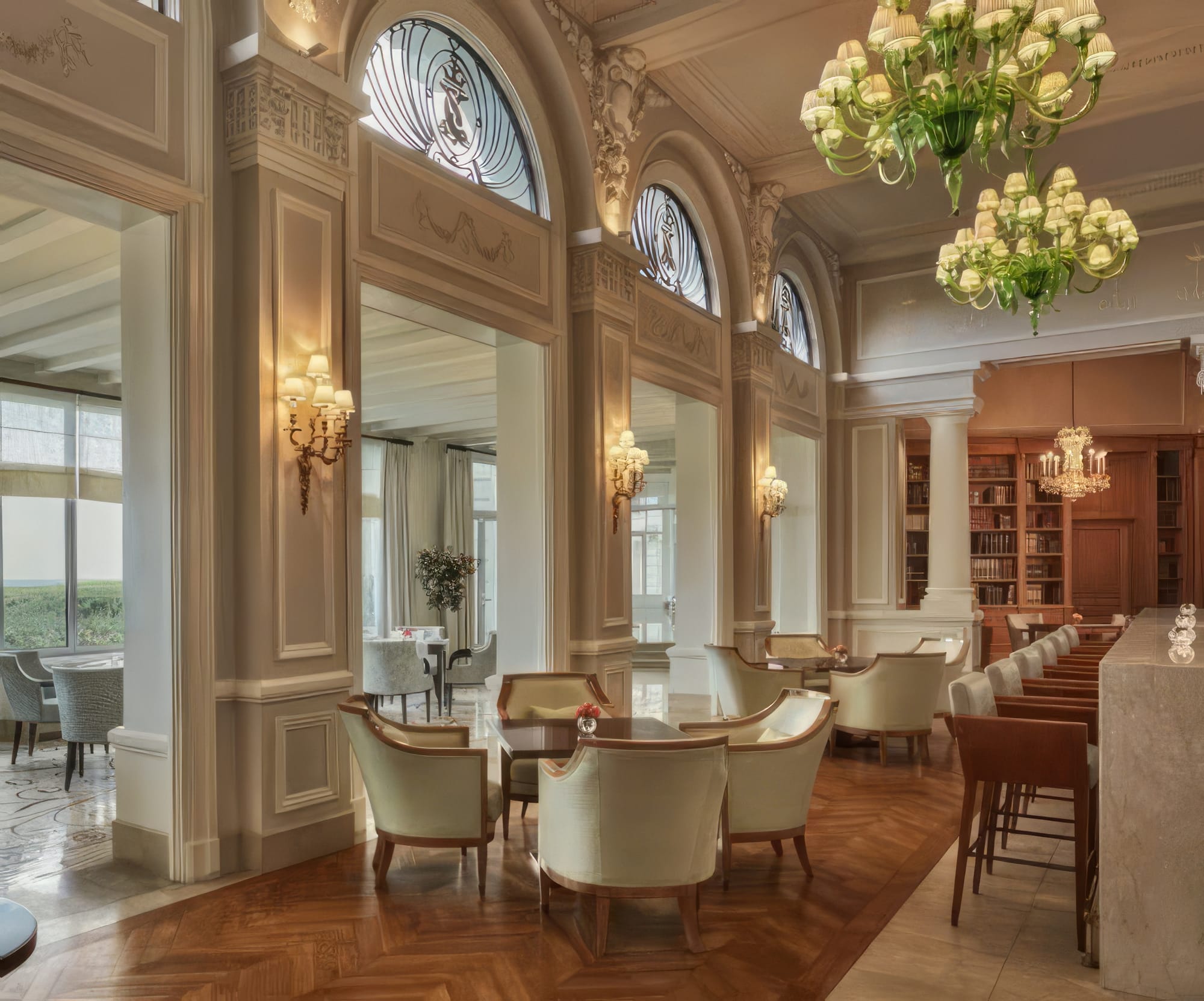
The menu values comfort alongside sophistication, with dishes crafted to complement the setting. Views from the terrace provide a backdrop that enhances every course, while the quality of cuisine ensures it holds its own against one of the more spectacular restaurant settings on the coast.
La Voile D'or
At La Voile D'or, the dining experience unfolds on a terrace where the ambiance matches the caliber of the cuisine. Chef Sebastien Sanjou oversees a menu of French gourmet dishes prepared with the precision and attention to detail that define the country's culinary tradition. The terrace setting adds a dimension of romance and warmth transforming a meal into an evening-long experience.
The cuisine reflects a commitment to classical French technique elevated by the quality of local ingredients. Dishes arrive with the kind of care in presentation that signals a kitchen taking its craft seriously and the service maintains a level of attentiveness ensuring every guest feels the attention of a thoughtful and experienced team.
Diva
On the shores of the famous port, Diva brings the warmth of Italian culinary tradition to the cap in a setting that captures the lifestyle at its most appealing. The restaurant pairs high-quality Italian-influenced dishes with fine Italian wines, creating a dining experience rooted in the convivial spirit that defines the best of Italian hospitality.
Surroundings enhance the meal with views of the port and its moored vessels providing a naturally beautiful backdrop. The atmosphere encourages the kind of long, unhurried dining that turns a meal into a gathering. Whether the occasion calls for a family dinner, a romantic evening or a celebration among friends, Diva provides the setting and the substance to match.
Jasmin Grill And Lounge
Jasmin Grill and Lounge is at the edge of a pool overlooking Baies des Fourmis. The menu distinguishes itself through its range, offering specialties alongside original Indian and Thai dishes that bring unexpected flavors to the Riviera dining landscape.
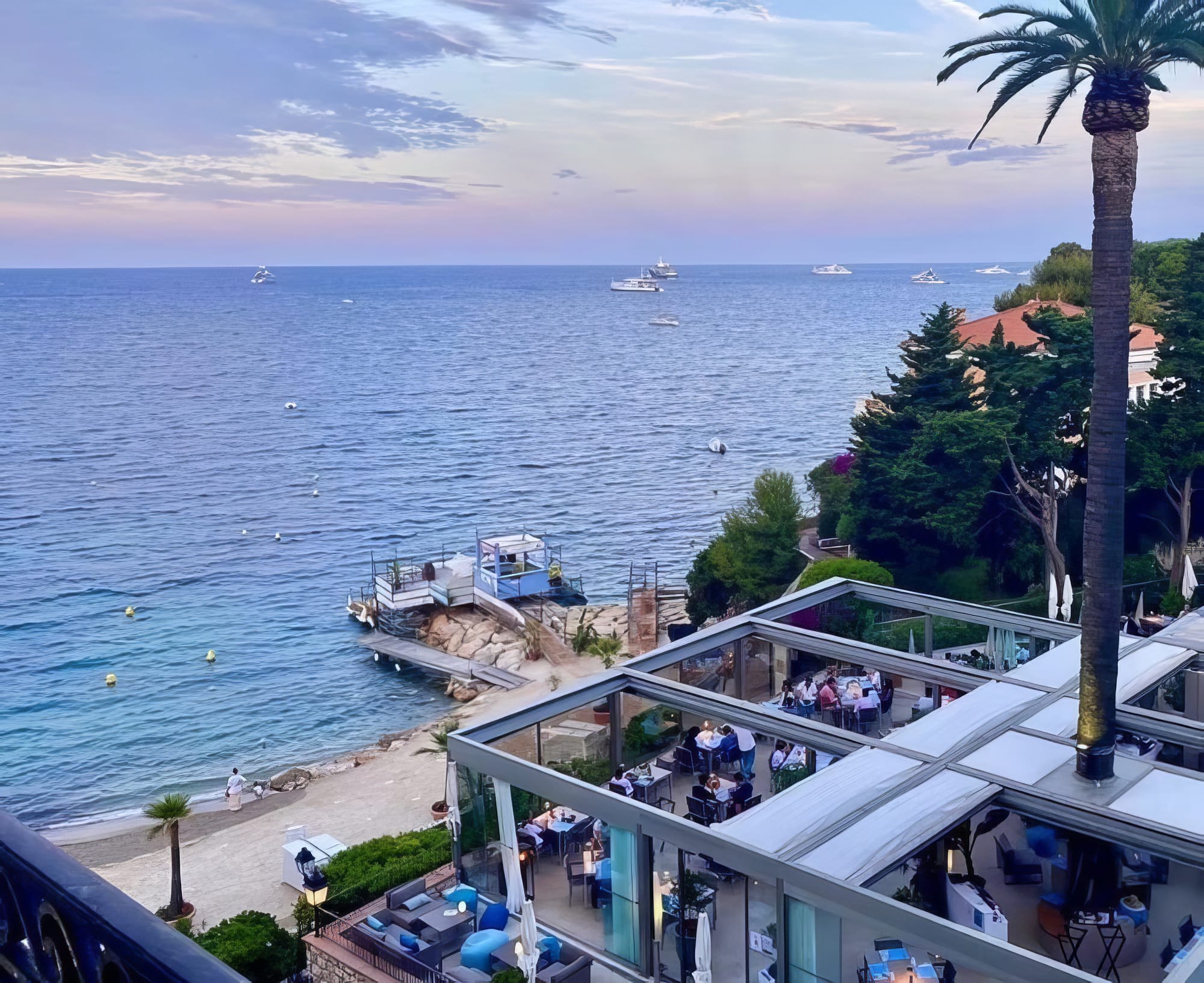
The international scope of the cuisine reflects the cosmopolitan character of visitors. The poolside setting lends a relaxed elegance that suits long afternoon meals as much as evening dining. The panoramic view across the bay is beautiful at any hour but takes on particular intensity as the light softens in the late afternoon.
Le Pirate
Le Pirate completes the dining roster with an emphasis on traditional cooking delivered with impeccable service in an atmosphere of genuine warmth. The restaurant has earned a loyal following among those who appreciate cuisine that honors its roots, with dishes prepared using established techniques and quality ingredients presented without unnecessary elaboration.
The ambiance strikes a balance between refinement and accessibility, creating a space where the focus remains on the food, the company and the simple pleasure of a meal well prepared and thoughtfully served. For visitors seeking an experience authentically rooted in tradition, Le Pirate delivers with consistency and care.
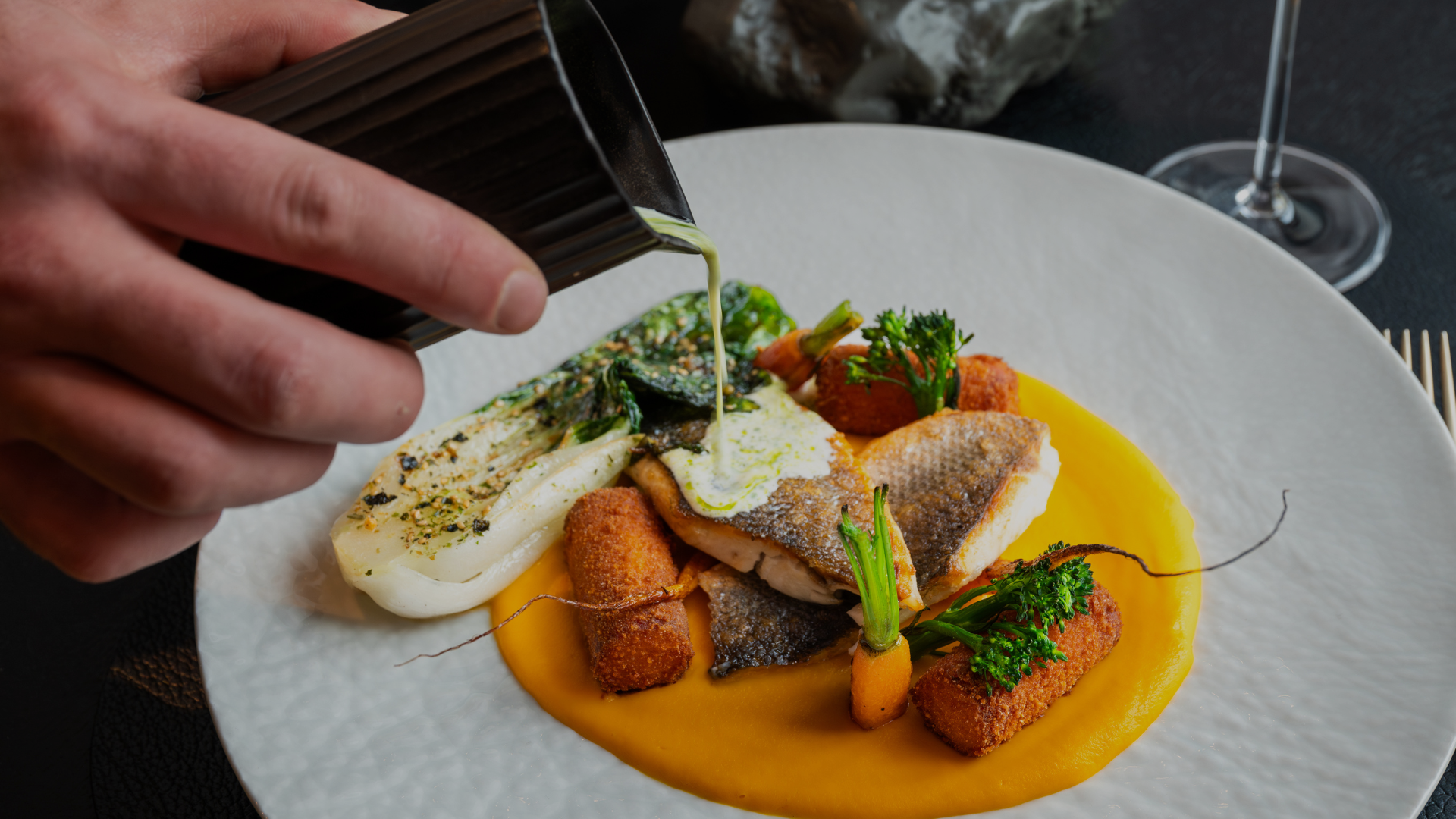
To elevate your SJCF experience, let our concierge team arrange a private chef dinner to sample local flavors.
LVH ServicesShopping
Shopping on Saint-Jean-Cap-Ferrat is consistent with the area's character. It is exclusive, personal and focused on quality rather than quantity. A curated selection of boutiques and specialty shops offers designer items, high jewelry, artisanal wines and resort fashion in settings that reward browsing and discovery. The village center and surrounding area provide all the retail moments a discerning visitor might want, without the commercial density characterizing shopping districts of larger neighboring cities. Each establishment here has earned its place through distinctiveness rather than brand recognition alone.
Fred
Fred connects the cap to one of France's most distinguished high jewelry traditions. Founded by Fred Samuel, the brand opened its first Paris boutique in 1936 and quickly attracted a clientele that included Marlene Dietrich and Grace Kelly, both drawn to the maison's combination of bold design and exceptional craftsmanship. Pieces designed by the celebrated artist and filmmaker further cemented Fred's position at the intersection of jewelry and art, while the house gained international recognition when it created the 18-karat white gold, diamond and ruby necklace featured in the film Pretty Woman. A visit to the location here provides access to collections that carry forward this legacy of creative ambition, with pieces that range from signature Force 10 bracelets to high jewelry creations of extraordinary complexity.

Hells And Bulles
Working under the motto that light is elegance, designers at Hells and Bulles produce jewelry that balances distinctiveness with wearability. The collection spans necklaces, bracelets and rings crafted for both men and women, with a design philosophy that favors originality over convention. The range offers visitors the opportunity to discover pieces that feel personal and specific, the kind of jewelry that carries the memory of a place and a moment.
La Cave De Sophie
La Cave de Sophie presents a curated selection of exceptional wines alongside local specialties. The cellar features labels including Jardin de Jules, Jalade, Figuerette, Gatefer and Etincelle across red, white and rose expressions, each chosen to reflect the character of the region's winemaking tradition. Beyond tasting, the shop invites visitors to choose vintages to take home, extending the pleasure of the Riviera well beyond the duration of a stay.

Les Garcons
Les Garcons brings a wide spectrum of women's ready-to-wear and beachwear to the cap in a boutique setting that rewards unhurried exploration. The collection emphasizes original pieces that capture the spirit of living here with a distinctly French sensibility. From the moment visitors step through the doors, the quality of the selection and the care with which it has been assembled become apparent. This is shopping as personal discovery rather than commercial transaction.
Activities and Day Trips
Saint-Jean-Cap-Ferrat's position at the geographic center of the French Riviera makes it an exceptional base for exploring the wider region. Day trips from Saint-Jean-Cap-Ferrat are among the most rewarding ways to spend your time, as a remarkable range of destinations awaits along the French Riviera within an hour's drive in either direction, from medieval hilltop villages to glamorous principalities, each offering a distinctly different perspective on this celebrated coastline.
Nice
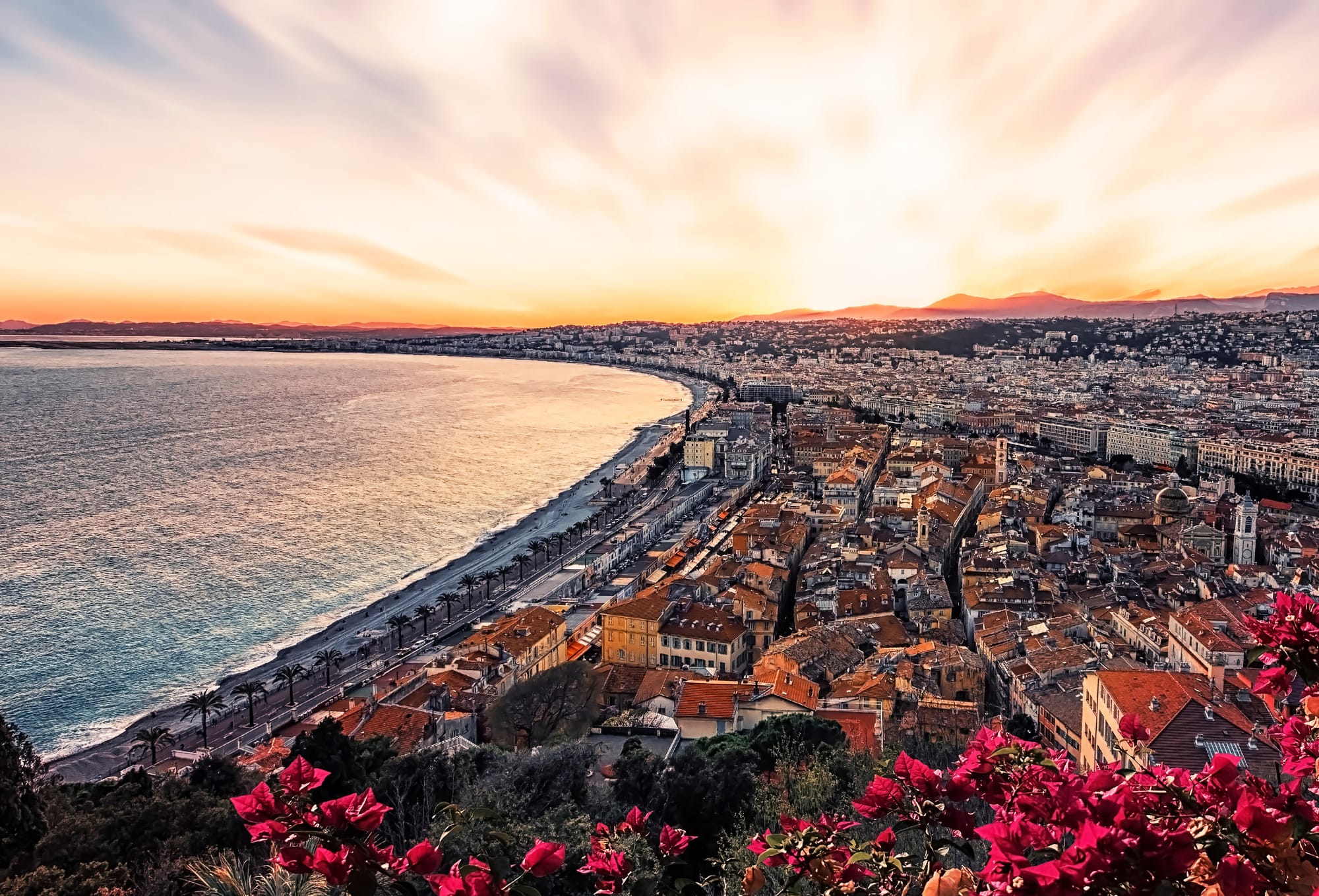
A 15-minute drive from Nice to Saint-Jean-Cap-Ferrat means the city is always close. Nice delivers the full breadth of a major city with stunning beaches along the Promenade des Anglais, a vibrant Old Town threaded with narrow lanes and baroque architecture, world-class museums including the Musee Matisse and Musee Marc Chagall and a culinary scene that ranges from Michelin-starred restaurants to bustling market stalls. The Cours Saleya flower market provides one of the Riviera's most sensory experiences, while the hilltop Colline du Chateau offers panoramic views that justify the climb. Nice rewards a full day of exploration and merits repeated visits.
Monaco
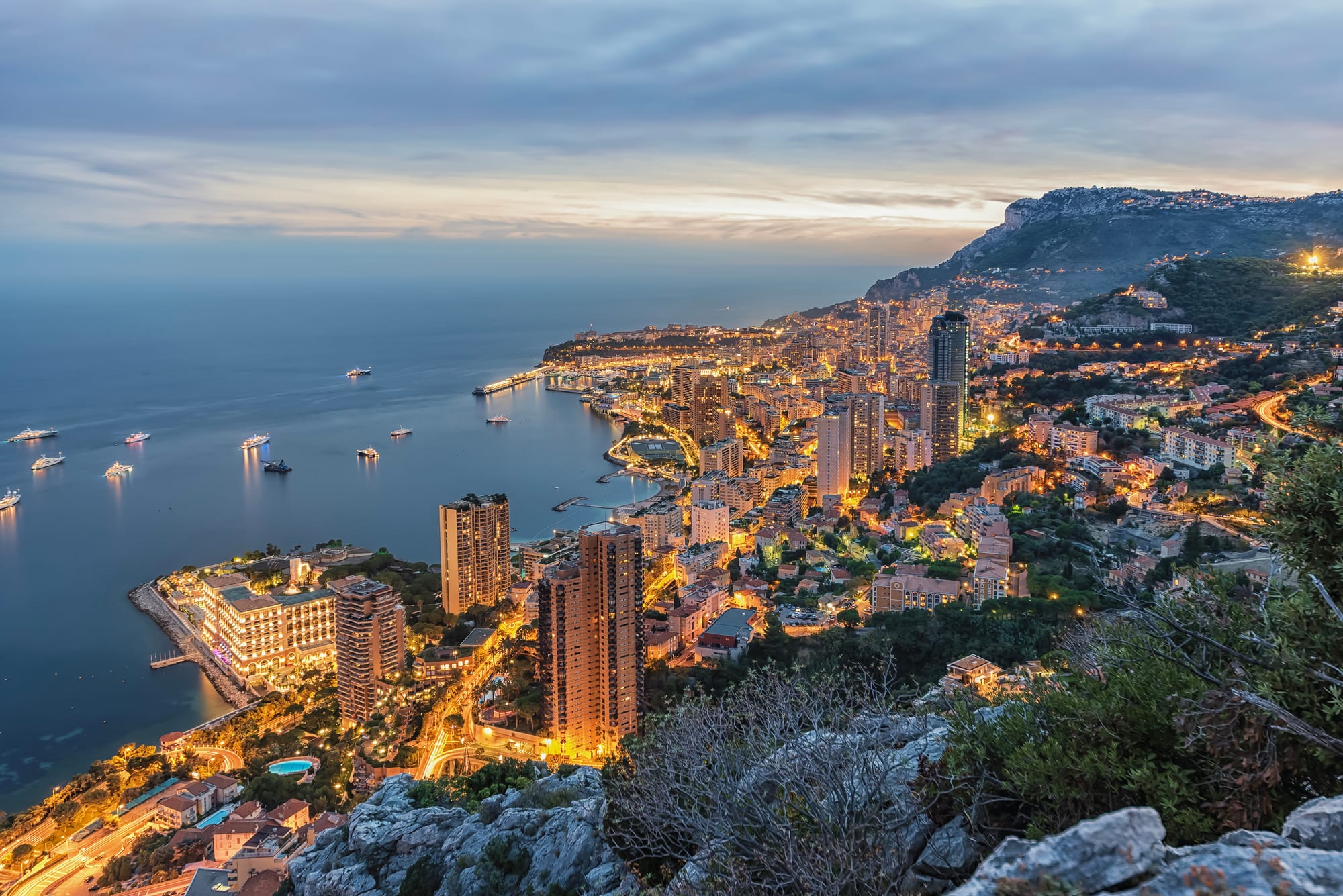
The principality of Monaco lies roughly 20 minutes east and offers an experience calibrated to an entirely different register of luxury. The changing of the guard at the Royal Palace provides a ceremonial spectacle against a backdrop of medieval architecture, while the famed Casino de Monte-Carlo delivers the glamour and theatricality that have defined the principality for more than a century. Walking a lap of the Formula One Grand Prix circuit through the streets of Monte-Carlo brings motor racing history to life, with hairpin turns and tunnel sections that take on new meaning when experienced at pedestrian speed. The Oceanographic Museum, on a cliff above the sea, houses one of Europe's finest aquariums and a collection of marine science artifacts assembled by Prince Albert I. Evening carries its own appeal with restaurants along the port, boutiques of the Carre d'Or and nightlife venues drawing an international crowd for an entirely different tempo from quiet evenings on the cap.
Eze Village
On a rocky peak between the coast's two major cities, the medieval village of Eze rises more than 400 meters above the sea, narrow stone streets and ancient buildings preserved as they have been for centuries. The Jardin Exotique at the summit features a collection of succulents and cacti arranged among the ruins of a 12th-century fortress, with views that extend across the sea to Corsica on clear days. Eze is close enough for a half-day visit and provides a dramatic contrast to the elegance of the coast.
Cannes
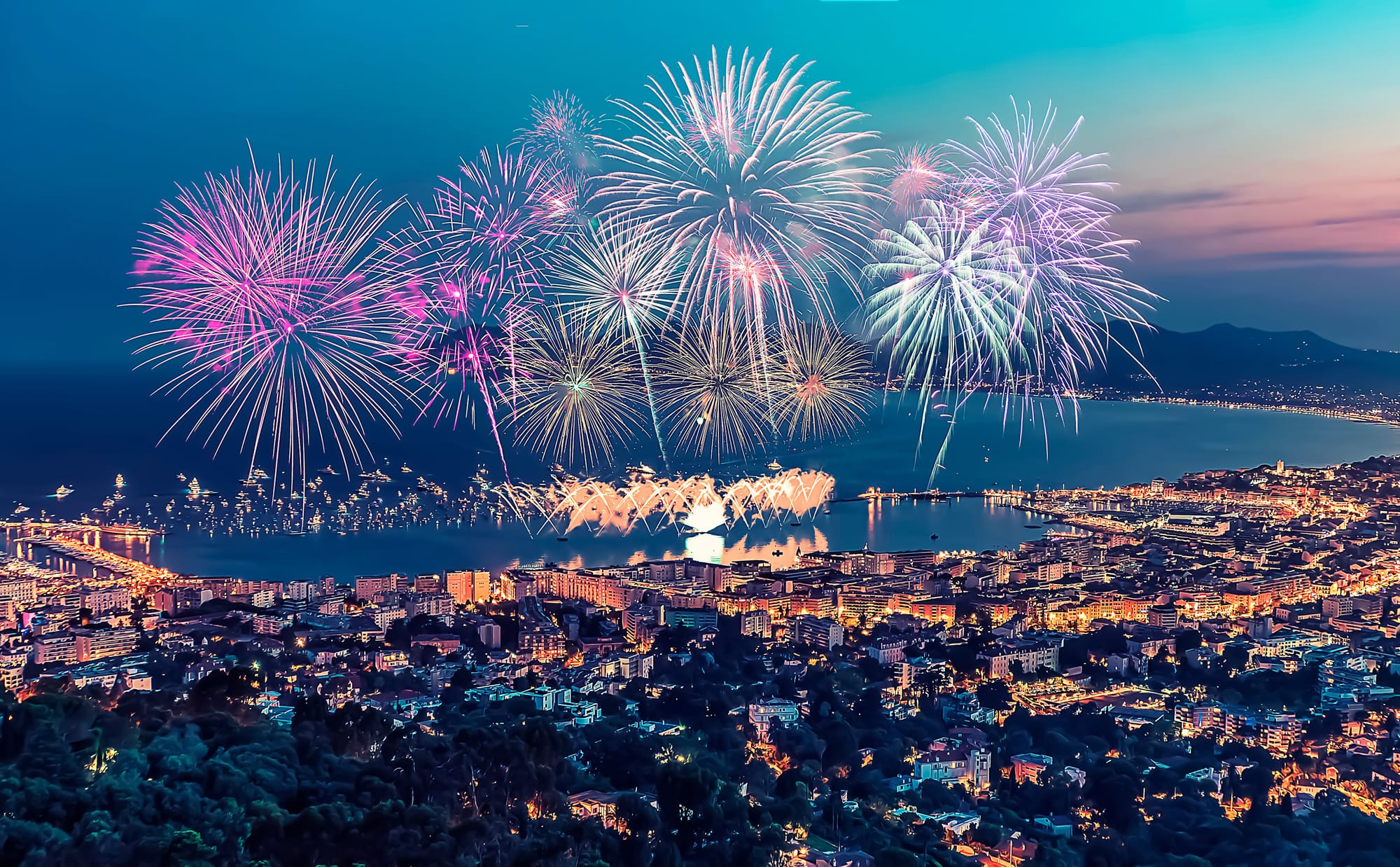
An hour west along the coast, Cannes brings the energy of the international film festival, the elegance of the Boulevard de la Croisette and a luxury shopping scene that rivals any in Europe. The old quarter of Le Suquet climbs above the harbor, offering views across the Bay of Cannes and the Iles de Lerins, a pair of tranquil islands reachable by short ferry ride. Cannes is a natural complement to the quieter character of the cap, offering a day of glamour and commercial energy.
Saint Paul De Vence
Roughly 30 minutes inland from the coast, Saint-Paul-de-Vence is one of the most celebrated villages in Provence and a destination that has drawn artists, writers and collectors for more than a century. The Fondation Maeght, set among pine trees above the village, houses one of Europe's most distinguished collections of modern and contemporary art, with works by Miro, Chagall, Giacometti and Braque displayed across indoor galleries and a sculpture garden. The village itself, encircled by medieval ramparts, is home to dozens of galleries and ateliers where contemporary artists continue a tradition that attracted Matisse, Renoir and Modigliani to this hillside. A leisurely lunch at one of the village's terrace restaurants, with views across the Provencal countryside toward the sea, rounds out an excursion that blends cultural depth with quieter pleasures of the French interior.
Villefranche Sur Mer
While covered as a residential neighborhood earlier in this guide, the harbor town of Villefranche also functions beautifully as a day trip destination for those based on the cap proper. The 16th-century Citadelle Saint-Elme houses several small museums, waterfront restaurants serve some of the freshest seafood on the coast and the Chapelle Saint-Pierre provides a quiet moment of artistic reflection. The harbor itself, with fishing boats and visiting yachts sharing the deep, protected waters, captures the essence of traditional Riviera life.
Yacht Charter
For those who prefer to explore the coastline from the water, charter yachts provide the ultimate expression of Riviera freedom. The Calypso Amels, a 61.5-meter motor yacht, combines meticulous design with expansive interior and deck spaces suited to both cruising and alfresco entertaining. Side decks and the sun deck provide abundant room for lounging, while the vessel's refined interiors accommodate extended voyages in complete comfort. The tri-deck Carpe Diem, constructed entirely in aluminum, offers a king suite convertible into two rooms, a wine cellar, four bars and a jacuzzi, creating a self-contained world of luxury on the water where every need is anticipated. For those drawn to the romance of wind-powered travel, the sailing yacht Panthalassa presents clean-lined contemporary interiors finished in natural materials including teak flooring, saddle leather wall paneling and granite surfaces, creating a tactile warmth that complements the sensory experience of sailing.
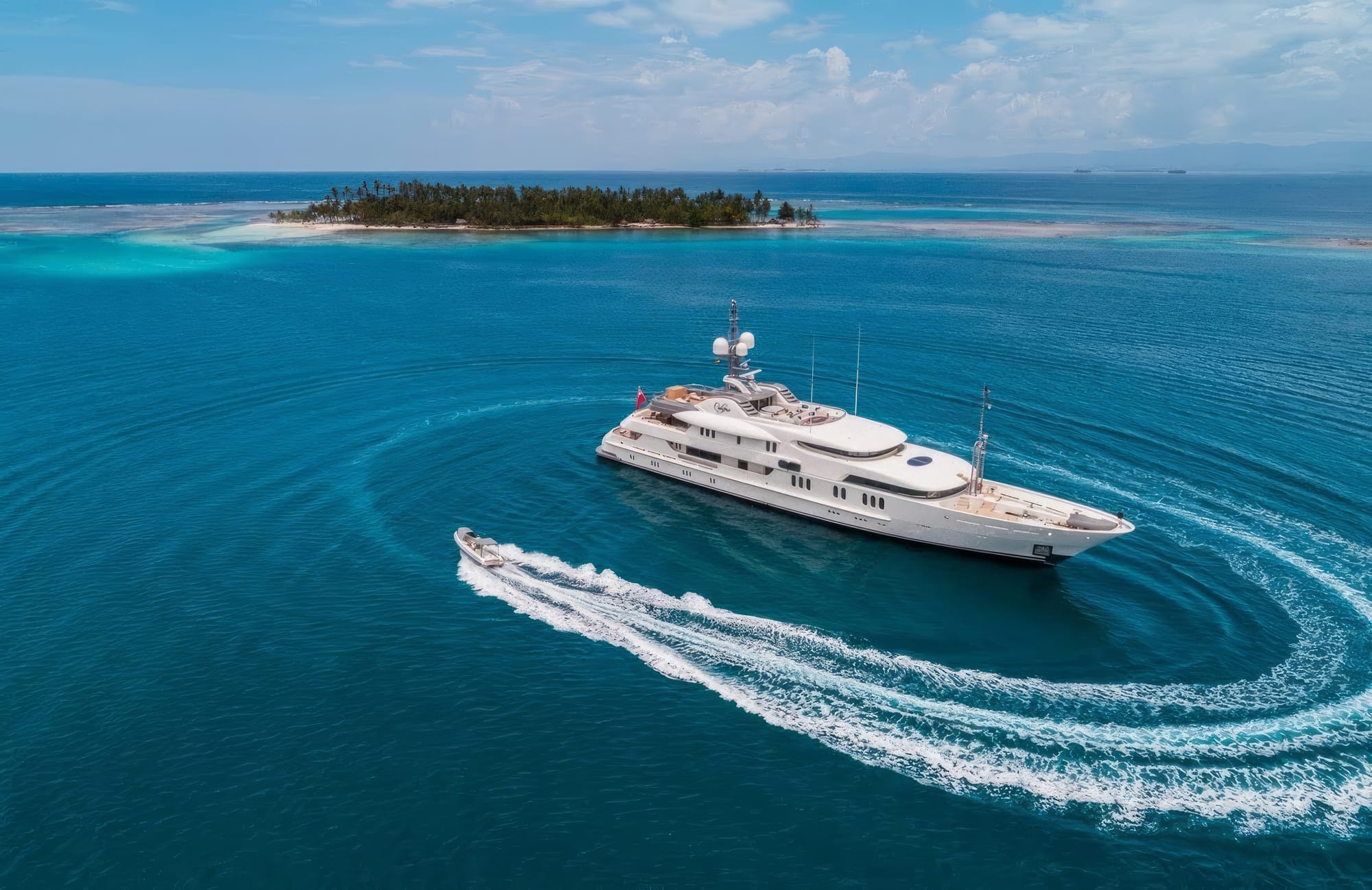
A charter opens up the entire Riviera coast, from the calanques near Marseille to the Italian border and beyond, with the flexibility to anchor in secluded bays, dock at glamorous ports or simply drift on open water. The position at the center of this coastline makes it an ideal departure point for itineraries of any length or ambition.
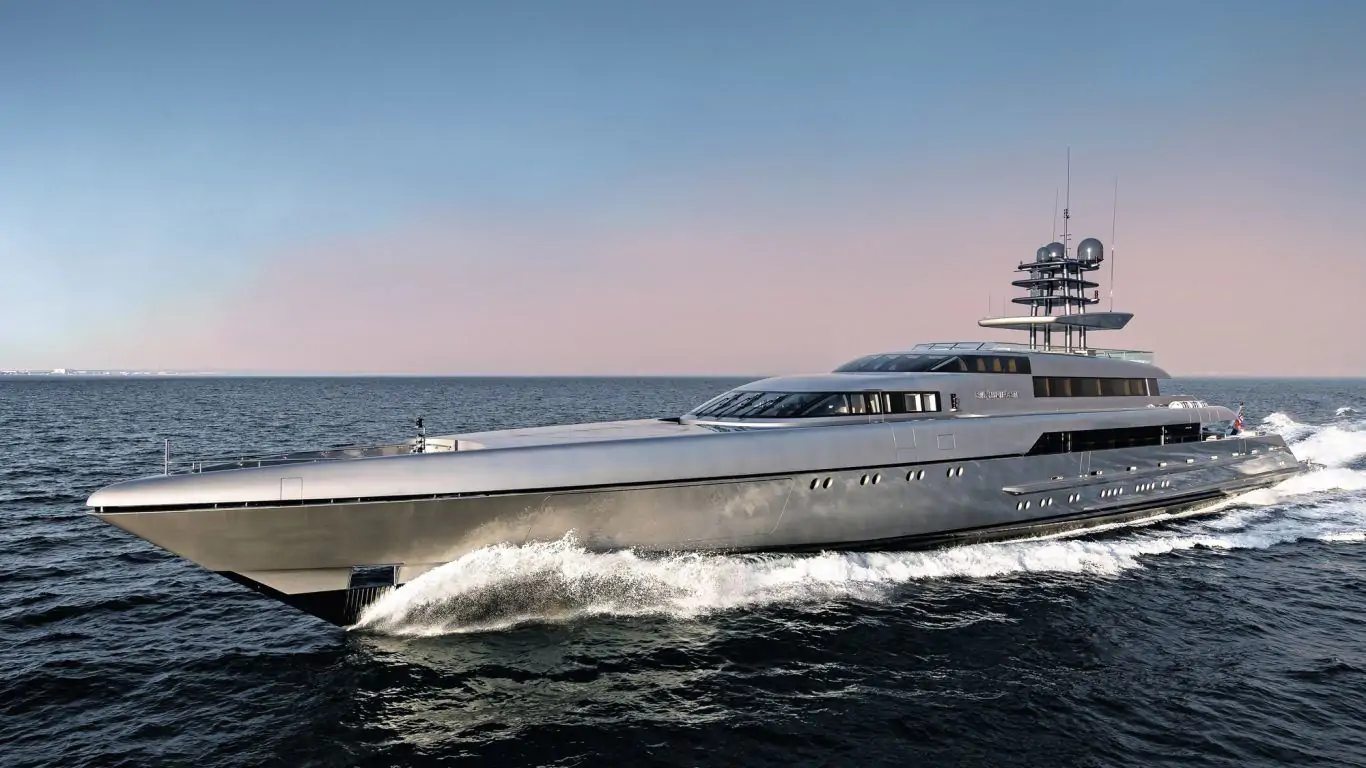
Browse our yachts for the selection of luxury vessels.
Discover LVH YachtsPractical Information: Getting There
Saint-Jean-Cap-Ferrat benefits from proximity to excellent transportation infrastructure while maintaining the seclusion that defines its character. The position between two of the Riviera's most connected cities means that arriving is remarkably straightforward, regardless of the point of origin. Here are essential travel tips for planning your visit to Saint Jean Cap Ferrat.
By Air
Nice Airport, the third-busiest in the country, lies just 10 kilometers away, placing visitors roughly 15 minutes from their villa upon landing. The airport receives direct flights from major European capitals and connecting flights from international hubs worldwide. Flight times from key departure cities provide useful context. Paris is about one hour and 30 minutes; London, roughly two hours and New York, about nine hours. The journey from Nice is scenic and straightforward along the coast.
For travelers arriving by private aviation, Nice offers dedicated fixed-base operator facilities with customs and immigration services tailored to private jets. The airport's two terminals and extensive general aviation infrastructure ensure smooth handling for aircraft of all sizes. Helicopter transfers from the airport or from the principality provide an alternative that reduces ground travel time to minutes and offers a memorable aerial introduction to the geography, with the distinctive shape of the cap visible from the moment the aircraft clears the coastline.
By Car
Arriving from nearby cities such as Nice or Cannes, coastal roads provide one of Europe's most scenic driving experiences. The Grande Corniche and Moyenne Corniche, clinging to the cliffs above the sea, have starred in films for good reason.Views at every turn encompass the full sweep of the coast, from the red rocks of the Esterel massif in the west to the Italian border in the east. For those who enjoy driving, luxury car rentals elevate the journey itself into an experience. Consider a Ferrari F8 Spider with its aerodynamic lines and firm, sporty seats; a Ferrari Portofino, with its retractable hardtop and grand-touring character or a Rolls-Royce Dawn, a drophead coupe built for spontaneity and open-road freedom.
The approach follows a single road across the isthmus connecting the cap to the mainland, a transition that reinforces the sense of arrival at a place set apart from its surroundings. Once across, the pace changes immediately as the road narrows and curves through vegetation that screens the estates on either side.
Getting Around
Once here, the compact geography means most destinations are reachable on foot or by a short drive. The village center, beaches and key attractions are all within walking distance of most villa locations and the trail provides a scenic alternative to road travel for reaching beaches and viewpoints around the cap. For excursions to nearby cities and further afield, chauffeured transportation ensures a seamless experience without the challenges of parking in urban centers. Those looking to stay in Saint-Jean-Cap-Ferrat will find the combination of walkable immediacy and easy access to the wider Riviera creates a logistical ease that enhances every aspect of a stay. Those who prefer to stay on Saint-Jean-Cap-Ferrat for the duration of their visit will find everything they need within reach.
Frequently Asked Questions
What are the best things to do in Saint-Jean-Cap-Ferrat?
The Cap offers a distinctive mix of cultural exploration, leisure and gastronomic excellence. Visiting Villa and Gardens Ephrussi de Rothschild, hiking the 12-kilometer trail, dining at the Michelin-starred restaurant and snorkeling in the clear waters off the eastern beaches represent the range of experiences available. This Saint-Jean-Cap-Ferrat travel guide covers all the details you need to experience the best of the destination.
When is the best time to visit Saint-Jean-Cap-Ferrat?
June through September provides the warmest weather and fullest access to clubs and water activities. May and October offer pleasant conditions with fewer visitors. The area maintains appeal year-round, with mild winters and proximity to major cities ensuring cultural activities regardless of season.
How do I get to Saint-Jean-Cap-Ferrat?
Nice Cote d'Azur Airport is 10 kilometers away, roughly a 15-minute drive. Private jet facilities and helicopter transfers are available. The cap is also easily reached by car from Cannes and other Riviera destinations. See the practical section above for additional tips for visiting Saint-Jean-Cap-Ferrat.
Is Saint-Jean-Cap-Ferrat suitable for families?
The area is well suited for families, with accessible beaches at Plage Cros Dei Pin, snorkeling appropriate for children, hiking trails of varying difficulty and cultural attractions that engage all ages. The calm, private atmosphere and walkable village create a safe and relaxed environment for children.
How does Saint-Jean-Cap-Ferrat compare to other French Riviera destinations?
The Cap distinguishes itself through privacy and exclusivity. With only about 1,600 permanent residents and far fewer tourists than Nice, Cannes or Saint-Tropez, it offers the Riviera's finest qualities, including climate, cuisine, culture and coastline, without the crowds that characterize larger resort towns.
What water activities are available?
Snorkeling, scuba diving, stand-up paddle boarding, jet skiing, electric foiling and parasailing are all available in surrounding waters. Rich marine life and clear conditions make water-based activities particularly rewarding here.
Are there Michelin-starred restaurants?
The Michelin-starred restaurant at the Grand-Hotel du Cap-Ferrat holds a star under Chef Yoric Tieche. The broader dining scene includes five additional restaurants serving Italian, French and international cuisine. Among the best hotels on the Riviera, the Grand-Hotel du Cap-Ferrat anchors the dining landscape.
How far is Saint-Jean-Cap-Ferrat from Nice and Monaco?
Nice is about 10 kilometers to the west, a 15-minute drive. Monaco is roughly 15 kilometers to the east, reachable in about 20 minutes. Both cities are easily accessible for day trips or evening outings.
What is included with LVH properties?
LVH properties provide ultra-luxury villa experiences with personalized services tailored to each guest's preferences. Direct consultation reveals the full range of available amenities and services for each residence.
How can LVH enhance my Saint-Jean-Cap-Ferrat experience?
From villa selection across Mont Boron, Saint-Jean-Cap-Ferrat and Villefranche to in-home services including private chefs, spa treatments, fitness training and yacht charters, LVH curates every dimension of a visit to Saint-Jean-Cap-Ferrat to meet the specific desires of each guest.
Next Step: Plan Your Saint-Jean-Cap-Ferrat Experience
Saint-Jean-Cap-Ferrat is a place where the coast's most celebrated qualities, crystalline waters, luminous light, extraordinary cuisine and centuries of cultural layering, converge in a setting that has remained deliberately, almost defiantly, uncommercial. The experience here is not about keeping pace with a social calendar or navigating crowded attractions. It is about the quiet luxury of waking to sea views from a private villa, spending an afternoon snorkeling in waters teeming with life, walking a trail that traces the edge of the continent and sitting down to a Michelin-starred meal as the sun drops behind the hills of Villefranche.
From the nine gardens of Villa Ephrussi to the ancient stones of the Chapelle de Saint-Hospice, from the Balinese elegance of Batik by African Queen to the hidden serenity of Paloma Beach, each experience here reveals another facet of a destination that has been welcoming the world's most discerning travelers for generations.
Ultra-luxury villa residences across Mont Boron, Saint-Jean-Cap-Ferrat and Villefranche-sur-Mer provide the ideal foundation for this kind of stay, with personalized services that transform a vacation into a private residence experience on one of the most exclusive coastlines on earth. Contact LVH to explore available properties and begin planning an experience meeting your precise vision of the Riviera at its finest.
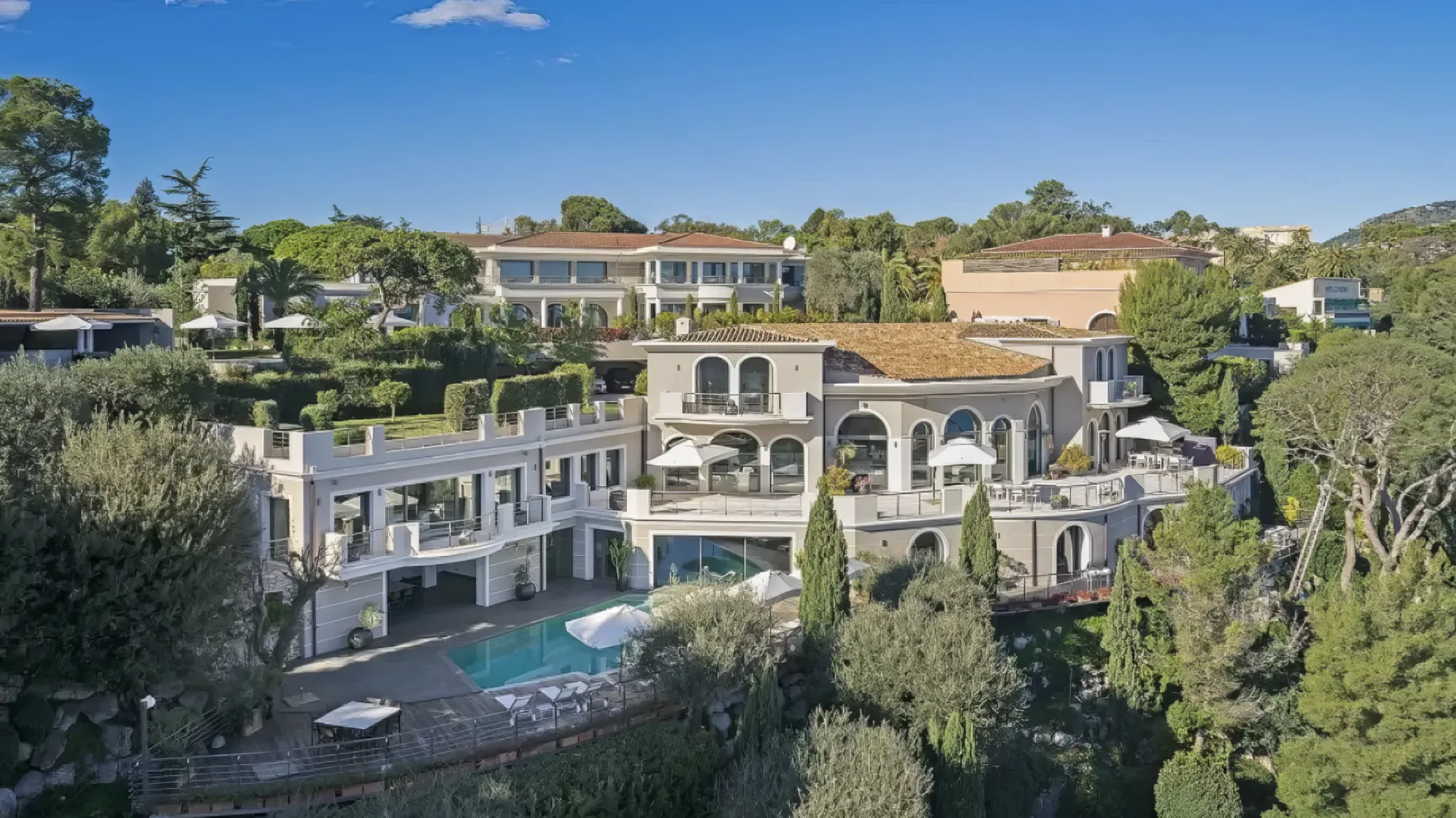
Your SJCF Luxury Villa Awaits
Browse our curated collection of ultra-luxury villas in Saint-Jean-Cap-Ferrat
 Share
Share