Magazine

Things to Do in Punta del Este: The Ultimate Luxury Guide to Punta del Este, Uruguay
DESTINATIONS
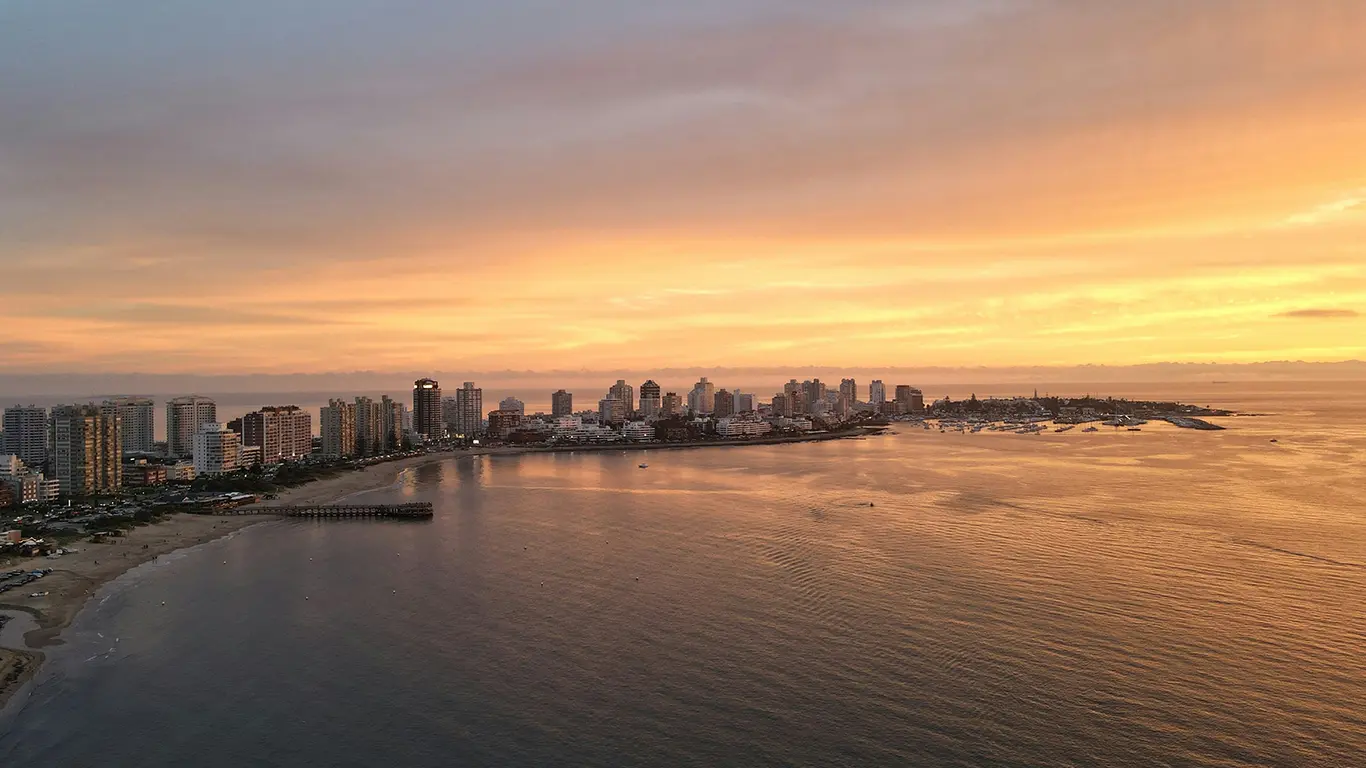
Where the Río de la Plata meets the Atlantic Ocean, stretching southward into the sea and giving this destination its name. Punta del Este is the pinnacle of South American luxury travel. This is a glamorous resort town that doubles as a bohemian artistic enclave, earning comparisons to Miami for nightlife, Ibiza for beach clubs and Saint-Tropez for effortless elegance. Yet Punta del Este remains unmistakably Uruguayan, shaped by a culture that prizes warmth over pretension.
The destination's appeal is broad and deeply layered. White sand beaches give way to dense pine forests. Port-side seafood restaurants sit minutes from world-class contemporary art museums. Yacht clubs and designer boutiques coexist with surf shacks and artisanal ice cream stands. Uruguay itself contributes something intangible to the experience. There is a national character marked by understated confidence, genuine hospitality and a progressive outlook that has earned it a reputation as one of the most stable and welcoming countries in South America.
The geography reinforces the sense of discovery. Two distinct coastlines define Punta del Este's personality. There is Playa Mansa, the calm western shore that faces the Río de la Plata, and Playa Brava, the wilder eastern beach that opens directly onto the Atlantic. Between them lies a narrow finger of land that concentrates the destination's urban energy where the port, restaurants and galleries are in a walkable core. The coast unfolds eastward through a succession of neighborhoods, each more relaxed than the last, until the road arrives at the quiet surf village of José Ignacio, where the rhythm slows to something approaching meditation.
For travelers arriving from the north, the journey is remarkably accessible, roughly 10 hours from Miami, 11 from New York and 13 from Los Angeles by air. Whether visiting Punta del Este for the first time or returning for the quieter pleasures that reveal themselves over time, this guide covers the top things to do in Punta del Este, Uruguay — from must-see attractions and best spots along the coastline to the ideal place to stay. The top things that draw travelers here span beach culture, gastronomy, art, nightlife and island exploration.
Table Of Contents
Geographical Overview and Seasonality
Neighborhoods Of Punta Del Este
Punta del Este is not a single place but a constellation of distinct neighborhoods, each with its own character and appeal. Understanding the geography is essential to choosing the right home base, as the experience varies dramatically from the bustling area to the serene surf towns further along the coast.
The Peninsula
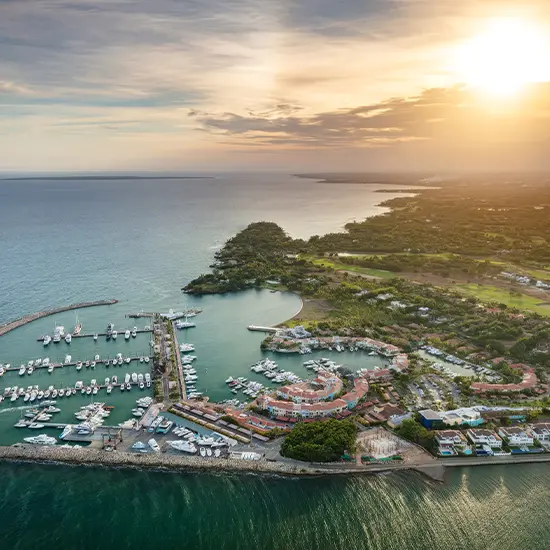
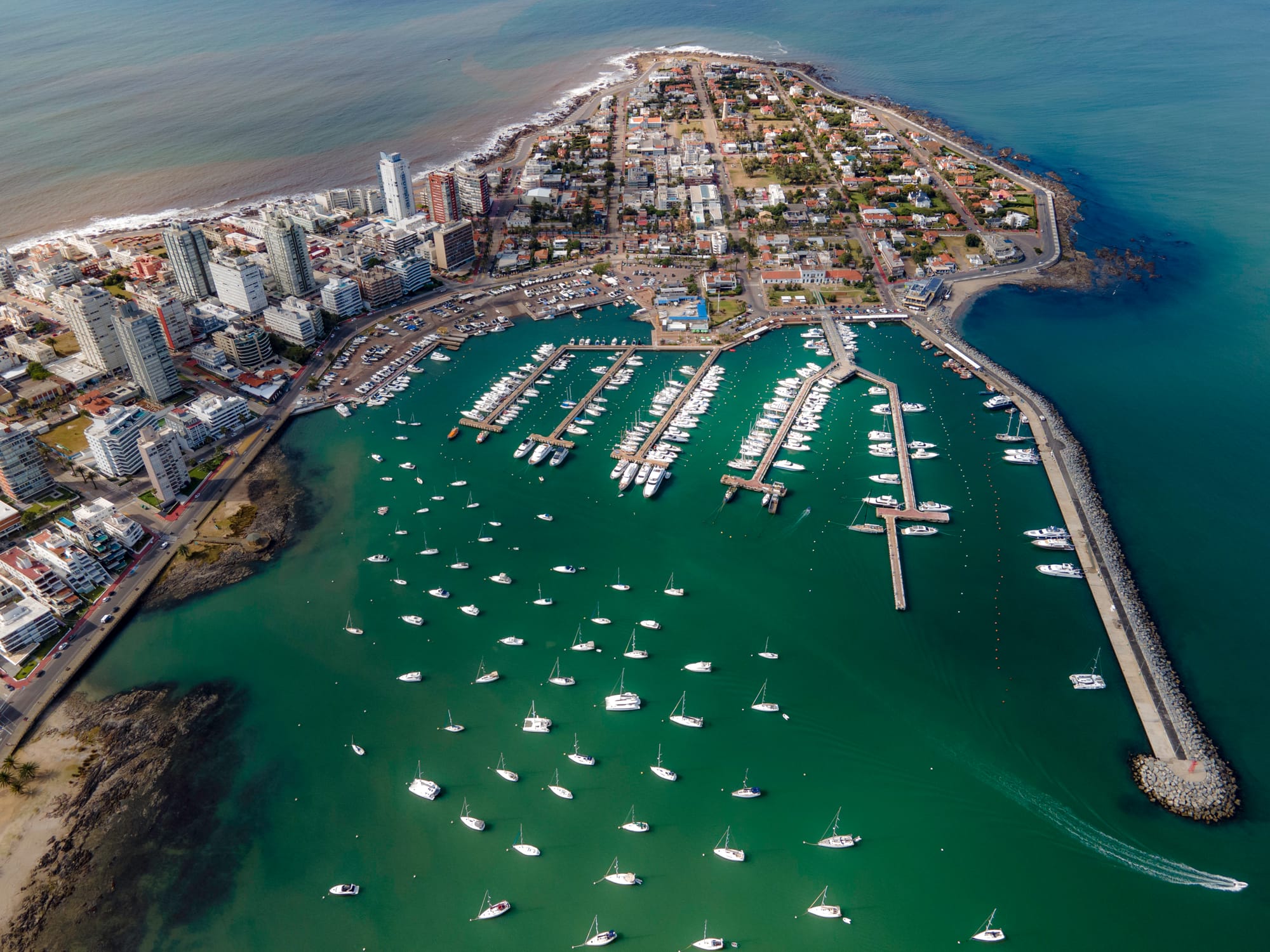
The Peninsula is at the heart of everything. This is the historic core of Punta del Este, with numbered streets, running from one to 31, each also carrying a name drawn from the maritime world. They create a grid easy to navigate on foot. A walk along the Rambla, the seaside promenade that traces the waterfront, reveals Punta del Este's marina, where sleek yachts bob alongside working fishing boats. The port area is a popular nightlife destination in its own right, though it also rewards a quieter daytime visit. Sea lions gather along the docks in numbers that surprise first-time visitors, and Playa de los Ingleses, the city's southernmost beach, marks the precise point where calmer waters of the Río de la Plata meet the open Atlantic. Classic cafes, pizzerias and pubs line surrounding streets, while the pier bandstand offers one of the finest sunset vantage points in the region. Galleries and craft markets provide opportunities for browsing between meals, and the overall atmosphere carries a pedestrian-friendly energy that feels more Mediterranean than South American.
La Barra
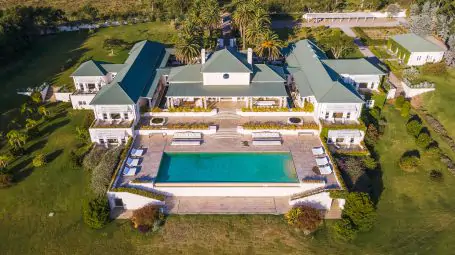
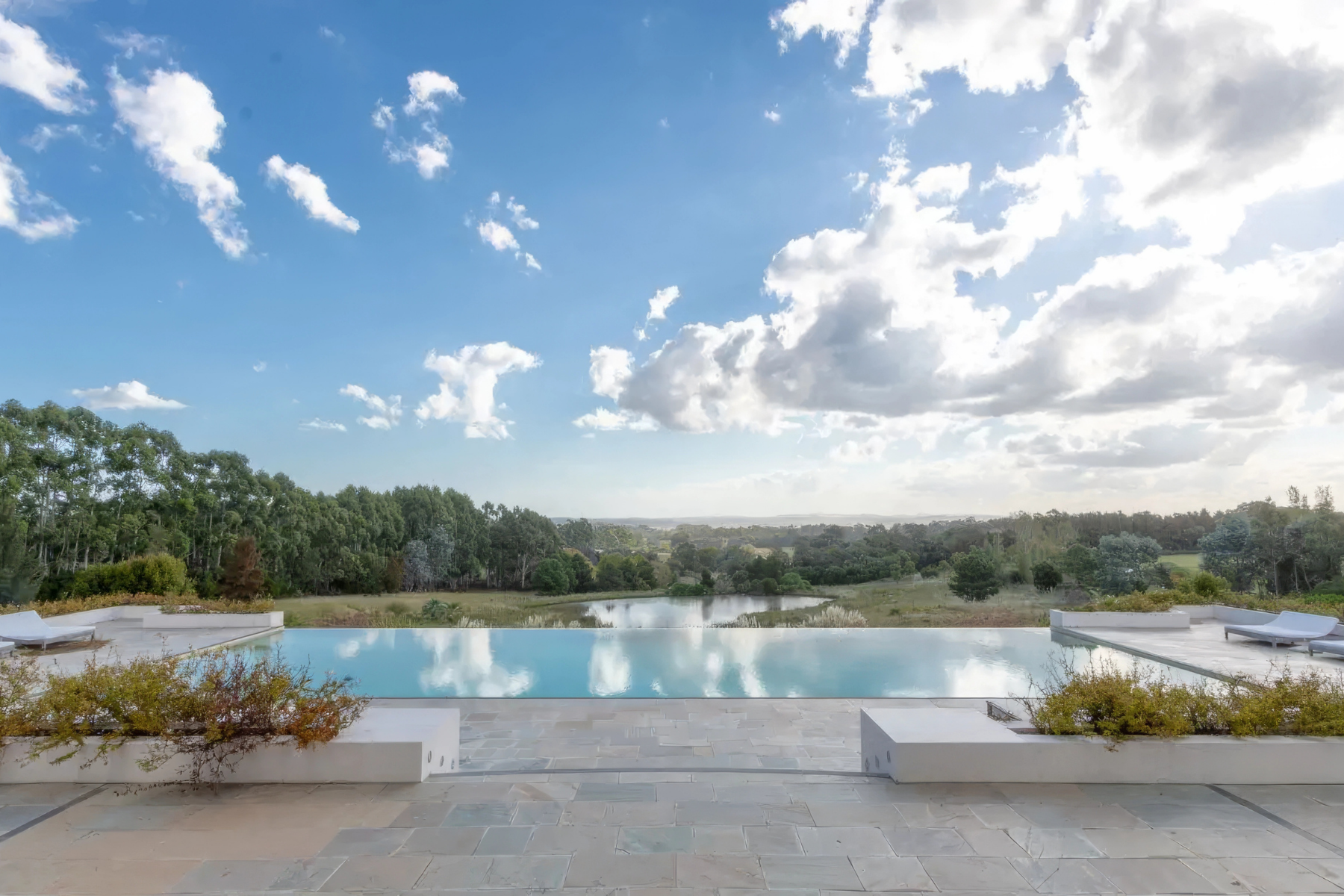
La Barra draws the artistic and bohemian set. Situated on an estuary of the Atlantic just outside the city center, this resort community is defined by long sandy beaches with excellent surfing conditions, pastel-colored houses lining the coast and an unmistakable creative energy. Art galleries, cool architecture, including the famous undulating bridge that has become a local landmark, and a general atmosphere of laid-back elegance make La Barra the natural choice for travelers who want beauty without formality. Properties like Villa Dama de la Noche capture this spirit perfectly, offering luxury accommodation immersed in La Barra's distinctive coastal character.
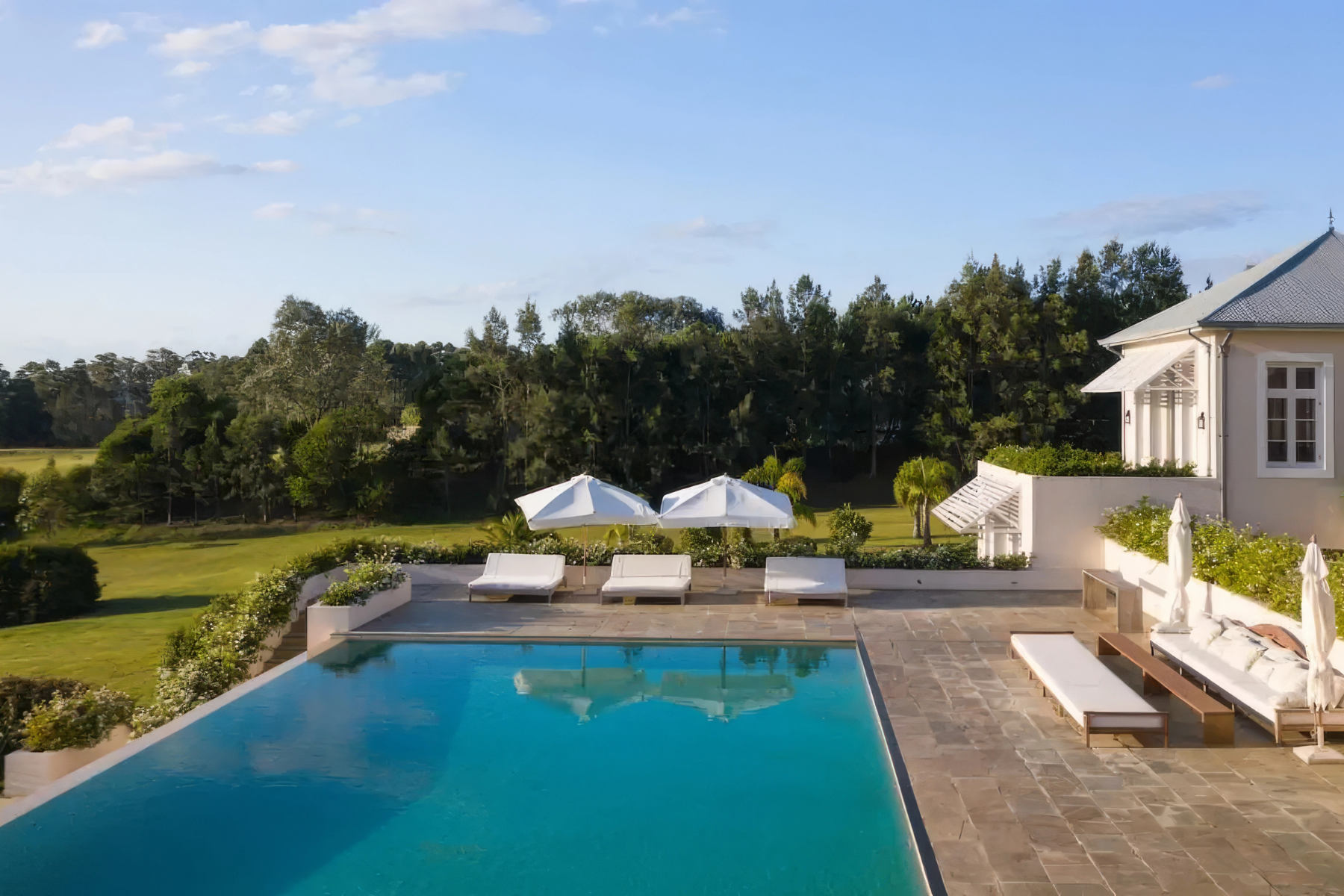
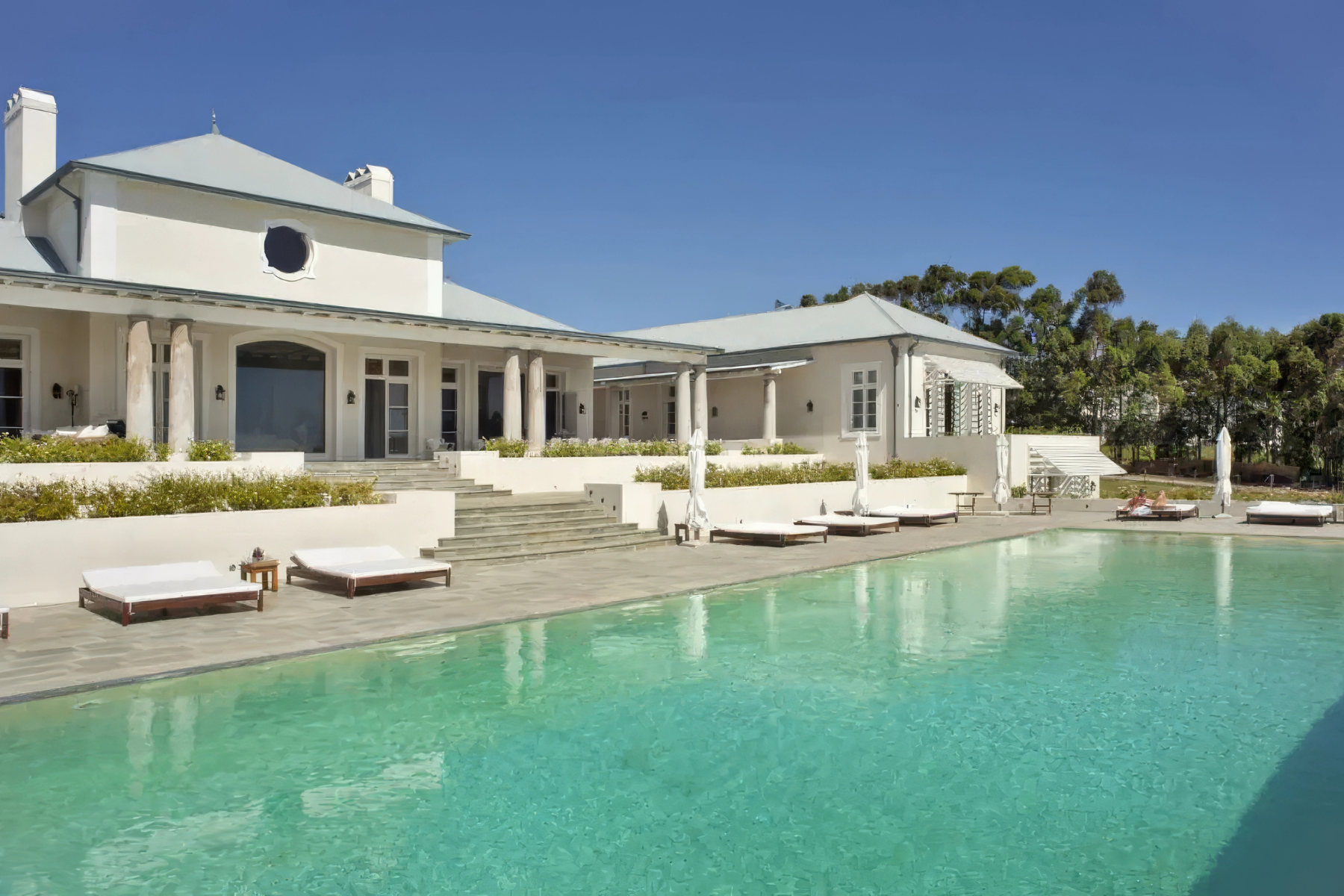
Villa Dama de la Noche
Manantiales
Manantiales transforms with the seasons. During quieter months, it retains the character of a small fishing village. Come summer, it becomes one of the most exclusive addresses on the coast. Open-air cocktail lounges and nightclubs draw chic crowds after dark, while daytime draws visitors to artisanal ice cream shops and upscale pizza variations that have earned a loyal following. Boho boutiques sell handmade candles, contemporary art and one-of-a-kind clothing. For travelers who want to be at the center of the social scene, Manantiales delivers.
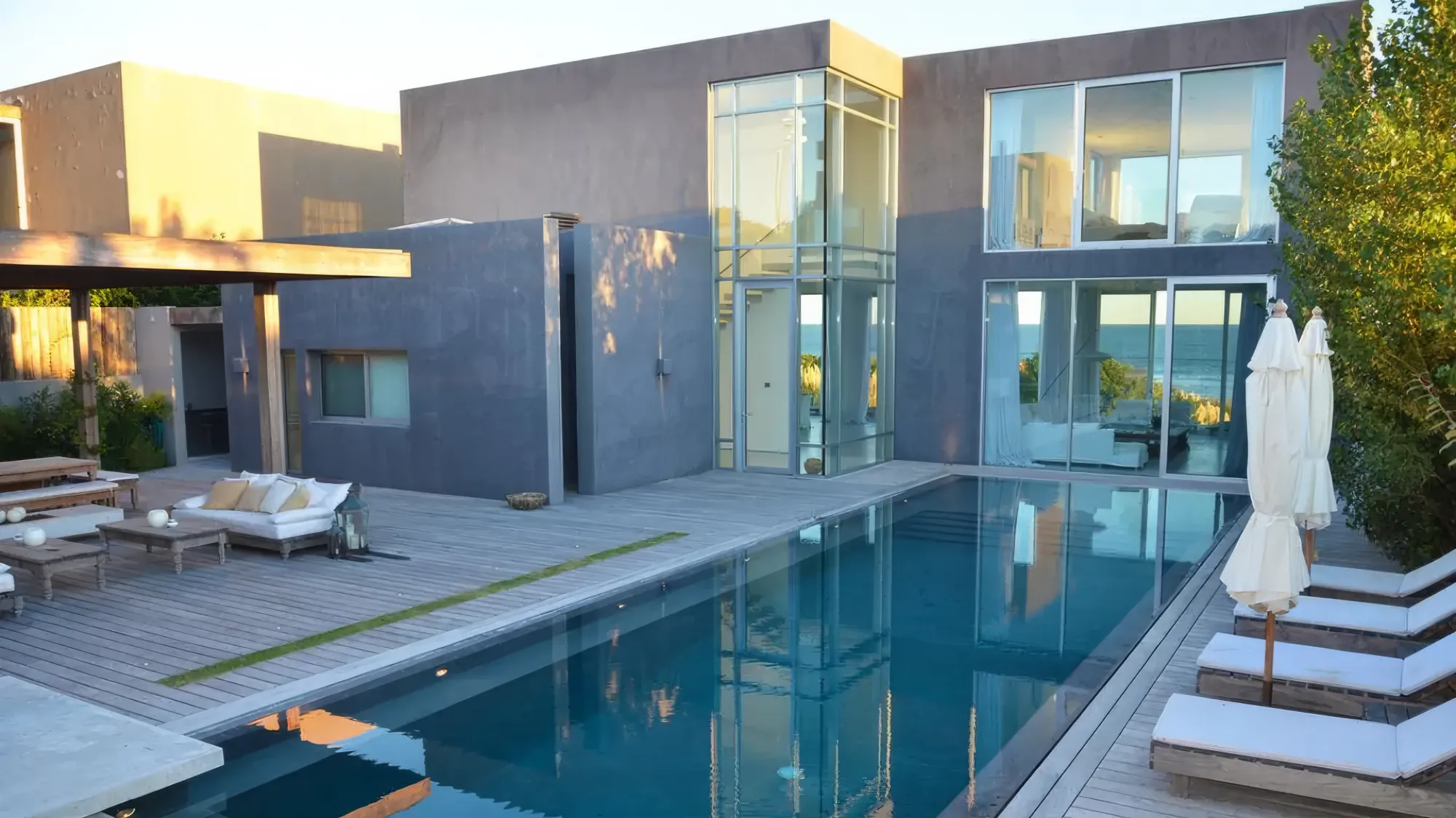
Villa Kelly
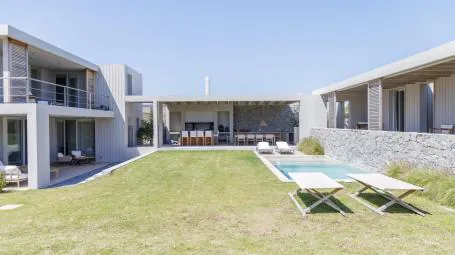
Villa Kelly is a dazzling contemporary estate perched along the famed sands of Playa Bikini. Belonging to an exclusive ten-house strip, this home occupies some of the most beautiful stretches of Uruguayan coastline steps away from Manantiales, and a short ride to La Barra and Jose Ignacio. Five spacious bedrooms leave no expenses spared with lavish spa-inspired marble ensuite bathrooms.
El Chorro
El Chorro appeals to those seeking tranquility above all else. This resort area sits directly on the Atlantic shore, where beautiful beaches and dramatic sunsets create an atmosphere of natural serenity. Bikini Beach draws watersports enthusiasts, while the 19th-century Punta del Este lighthouse rewards visitors with sweeping panoramic views and a deep sense of maritime history. El Chorro is the ideal retreat for luxury travelers looking to disconnect and reconnect with nature, and Casa Zen embodies that ethos in both name and design.
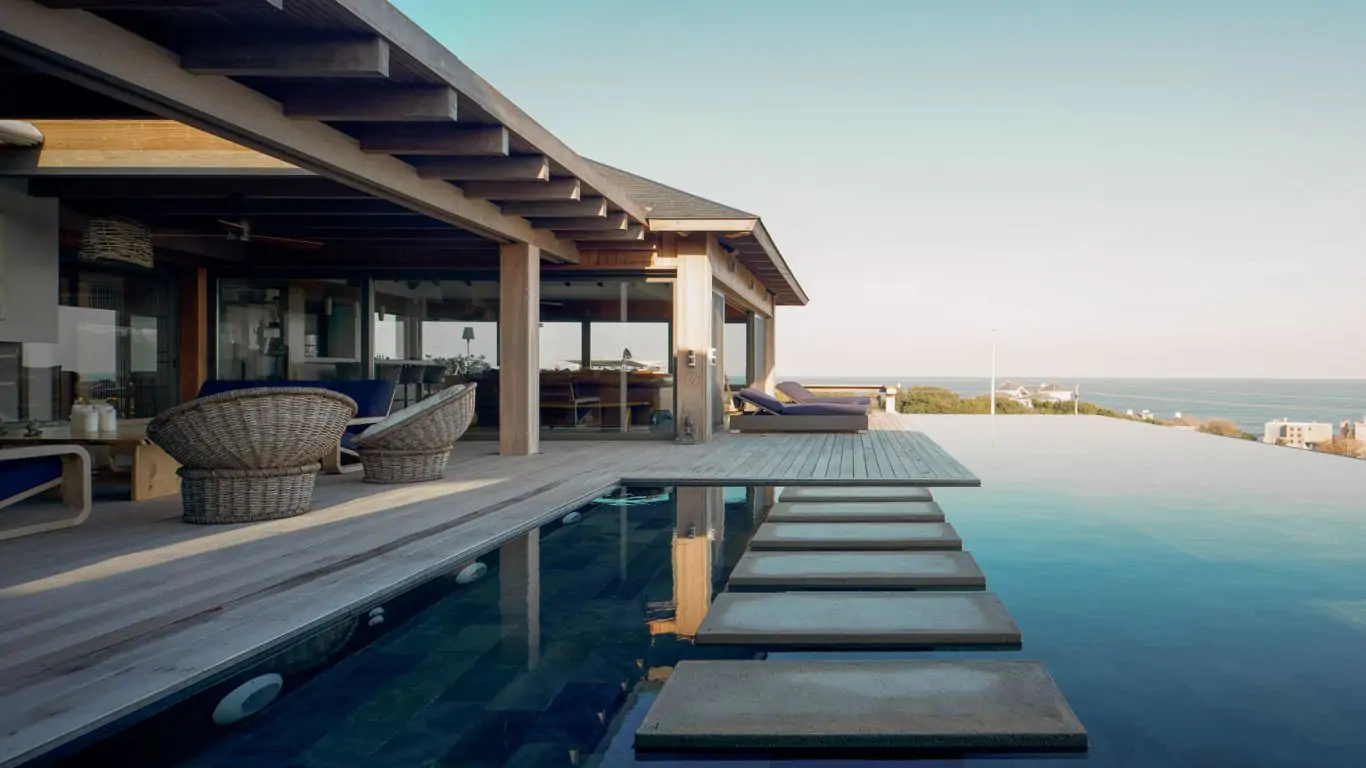
Casa Zen
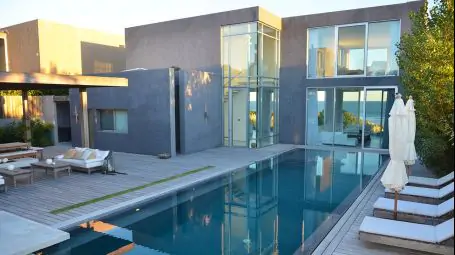
Casa Zen is a splendid residence perched on high ground, offering panoramic views of the picturesque Punta del Este, from its golden beaches to its glimmering cityscape. The home has five bedrooms, four of them with ensuite bathrooms. It also has a staff room, which can be used as a sixth guest bedroom.
José Ignacio
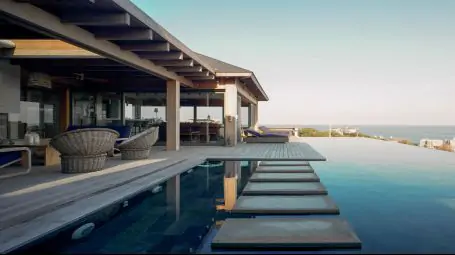
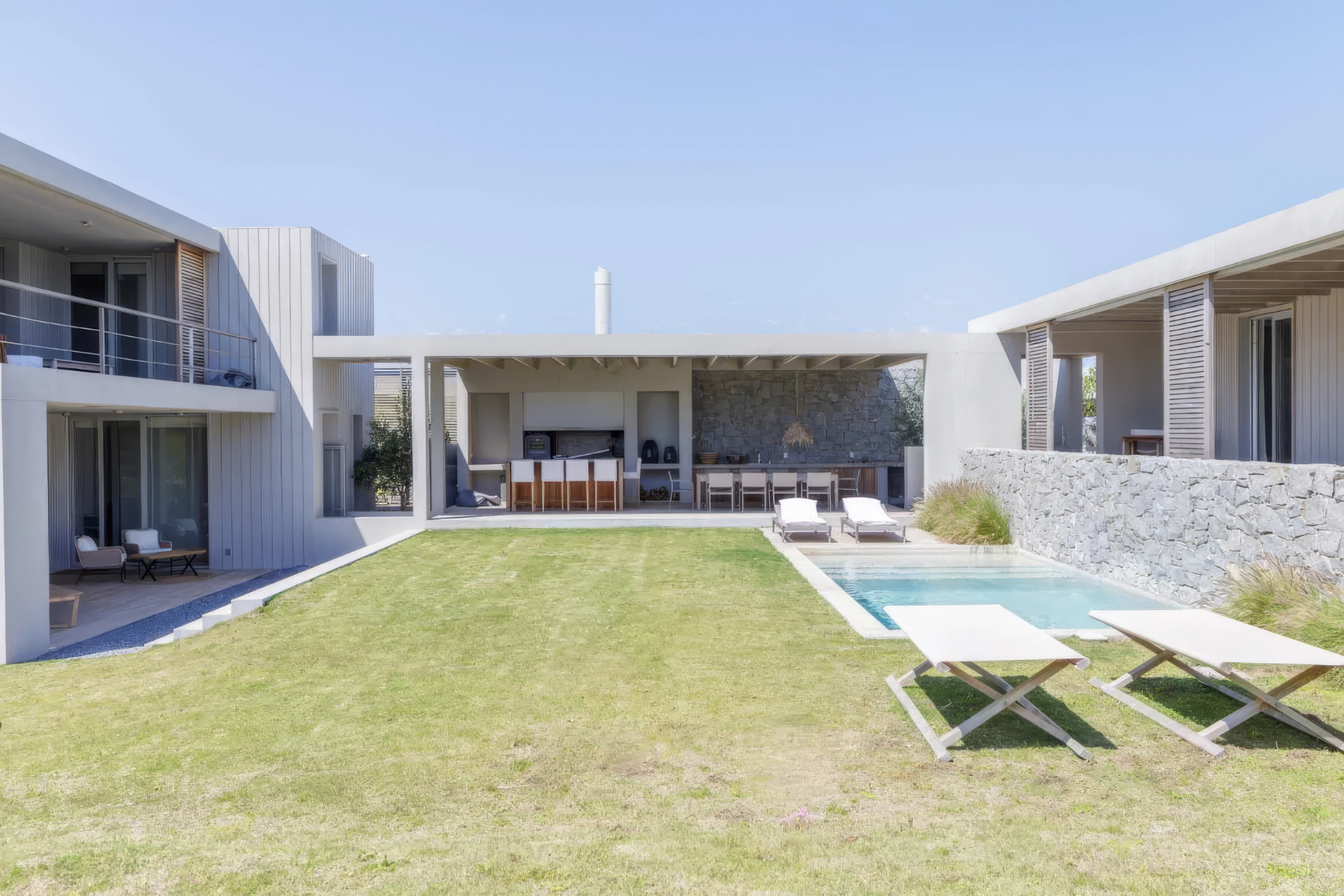
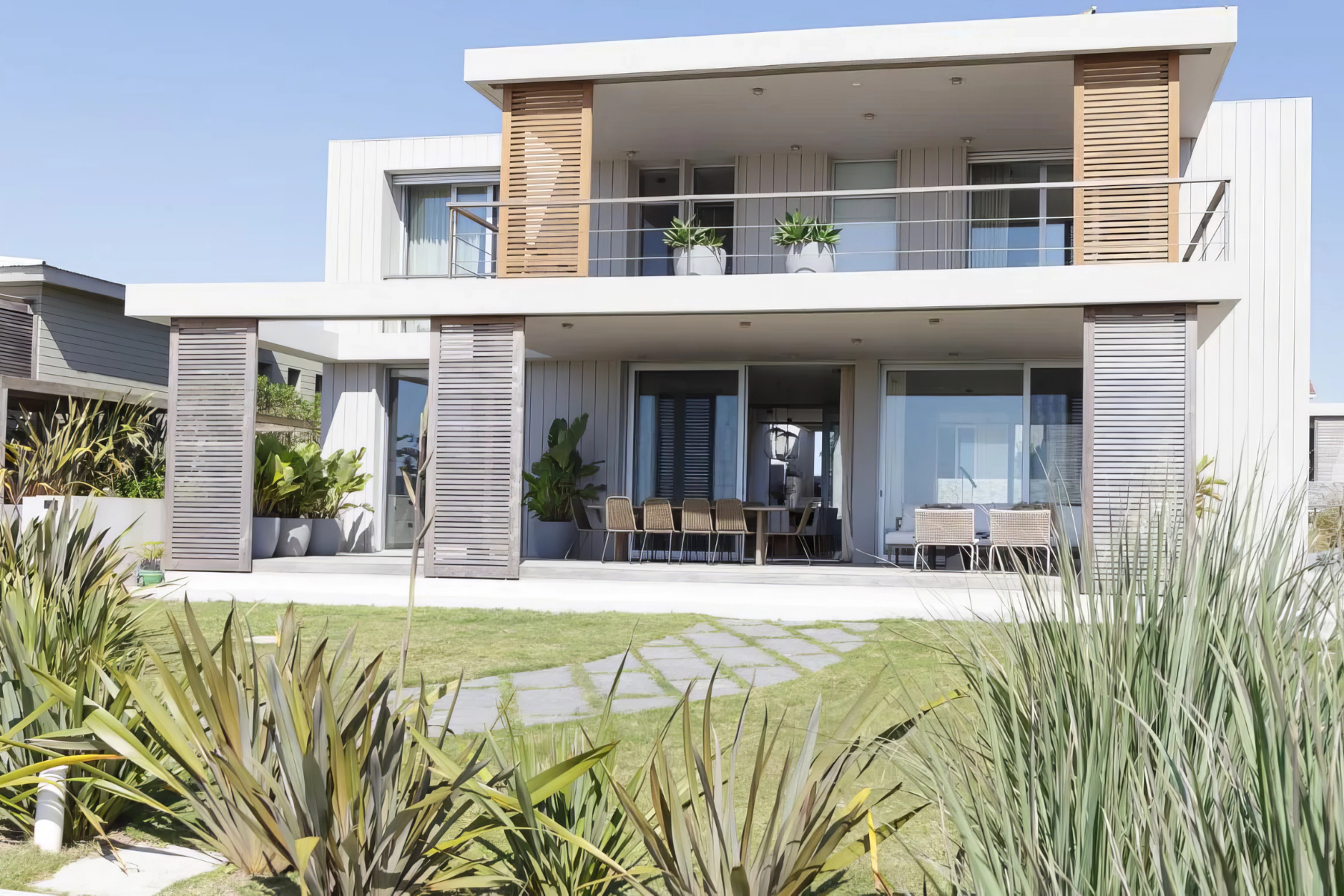
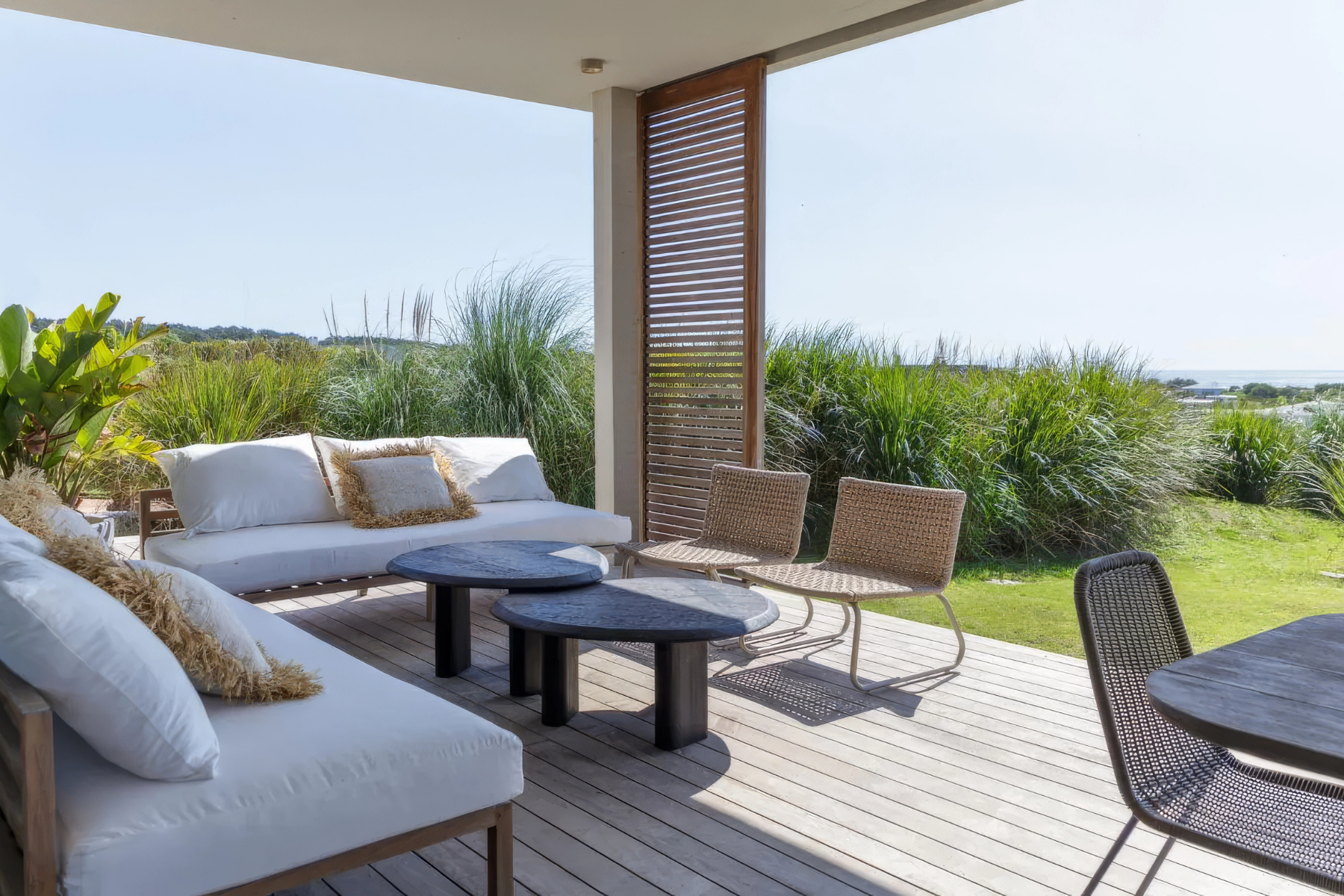
José Ignacio is synonymous with understated luxury. This quiet surf town sits just beyond the main resort area, close enough to access everything around Punta del Este but far enough removed to feel like a different world entirely. The pace here is deliberately slow. Visitors find peace at the José Ignacio lagoon, take horseback rides along the water at sunset and settle into the kind of deep relaxation that only comes from genuine seclusion. The dining scene, anchored by the globally celebrated Parador La Huella, punches far above what one might expect from a village this size. Villa Oriana provides a luxurious retreat in this most coveted of neighborhoods.
Villa Oriana
Additional Areas
Beyond these five principal areas, several residential enclaves expand the options for discerning travelers. El Placer offers a quiet residential setting removed from the tourist circuit. Laguna Estates provides exclusive lakeside living in a gated environment. Maldonado, the historic city adjacent to Punta del Este, brings cultural depth through landmarks like the neoclassical Catedral de San Fernando. San Vicente and Santa Monica are prestigious residential neighborhoods favored by those seeking the ultimate in privacy and space. Across all of these areas, private residences offer an intimate alternative to the resort or boutique hotel experience.
When To Visit
Punta del Este's seasons follow the Southern Hemisphere calendar, and the rhythm of the destination shifts accordingly. High season runs from December through February, when summer brings warm temperatures averaging 25-30 C, long days stretching past 9 p.m. and the full activation of the beach club and nightlife scenes. This is when the destination operates at its most vibrant. Paradores are in full swing, restaurants extend their hours and the social calendar fills with events and gatherings. The international crowd arrives in force, particularly between Christmas and Carnival, when the energy peaks and the see-and-be-seen culture operates at its fullest intensity.
Shoulder seasons of March through April and October through November offer a compelling alternative. Temperatures remain pleasant. It is warm enough for the beach during the day, cool enough for comfortable exploration and crowds thin considerably. The wine harvest season in March and April brings its own pleasures to the nearby vineyard country, where Bodega Garzón and other estates host tastings and special events. October and November, as spring unfolds, carry the anticipation of the approaching summer while offering significantly more availability at the top restaurants and beach clubs.
May through September brings cooler winter months, when Punta del Este takes on a quieter and more contemplative character. Daytime temperatures hover between 10-16 C, and the pace slows in a way that many travelers find deeply appealing. Cultural exploration becomes the focus. Museums, galleries and vineyard tours are enjoyed without the summer rush. The restaurant scene, while operating on reduced schedules, still delivers at a high level. The annual Night of Nostalgia in August brings the entire country together for one of the year's largest parties, proving even in the off-season, Punta del Este knows how to celebrate.
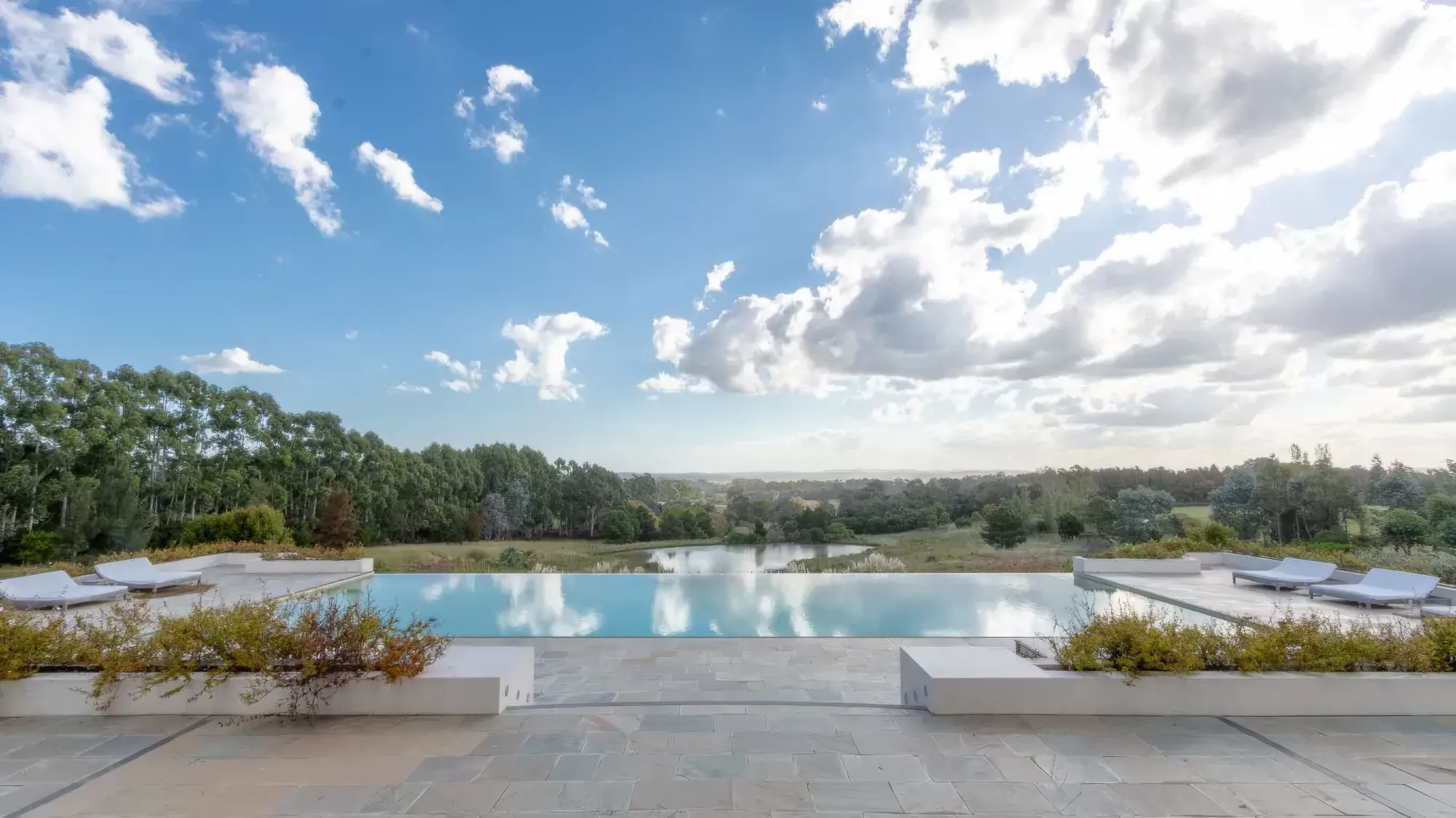
Choose a luxury villa in Punta del Este, that best fits your needs.
Beaches
Playa Mansa
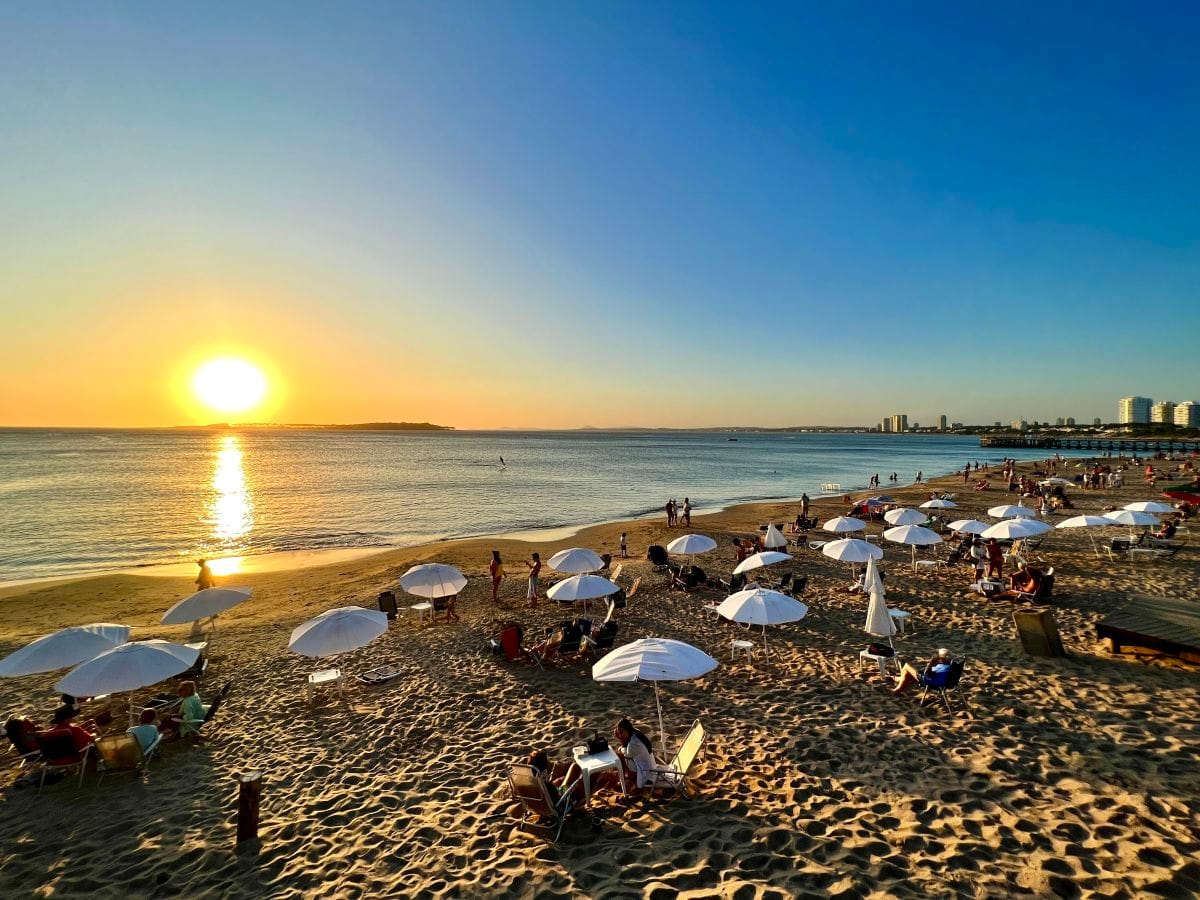
The coastline of Punta del Este is defined by a fundamental duality that shapes every aspect of the experience. Playa Mansa, the "gentle beach," faces west toward the calm waters of the Río de la Plata, offering a serene swimming environment where the water is temperate and the waves minimal. This is the beach for long, unhurried days of sunbathing, for families with young children and for those who prefer to wade into the water without negotiating surf. The sunsets from Playa Mansa are among the most celebrated natural spectacles on the South American coast, drawing crowds to the waterline in the golden hours.
Playa Brava
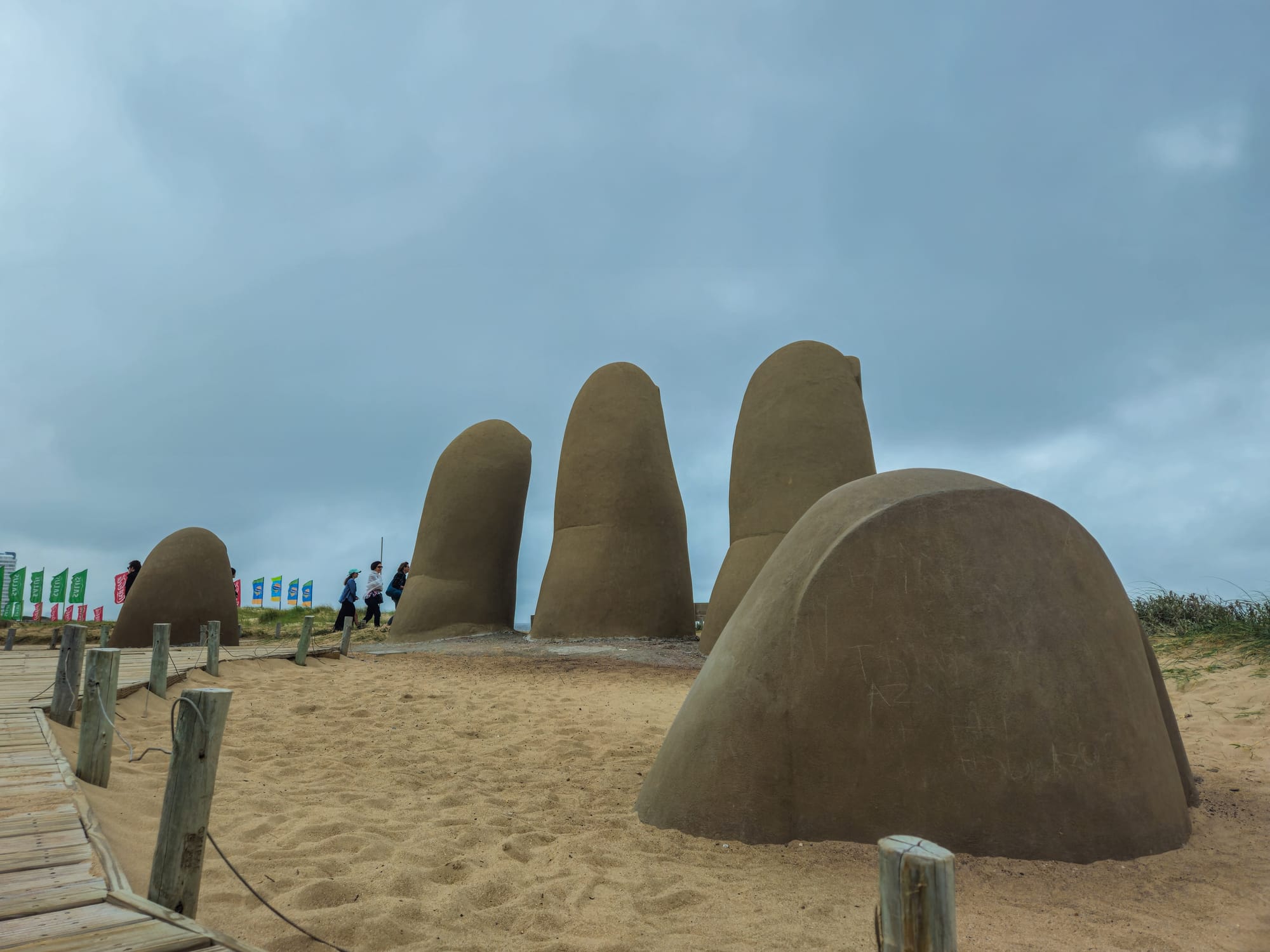
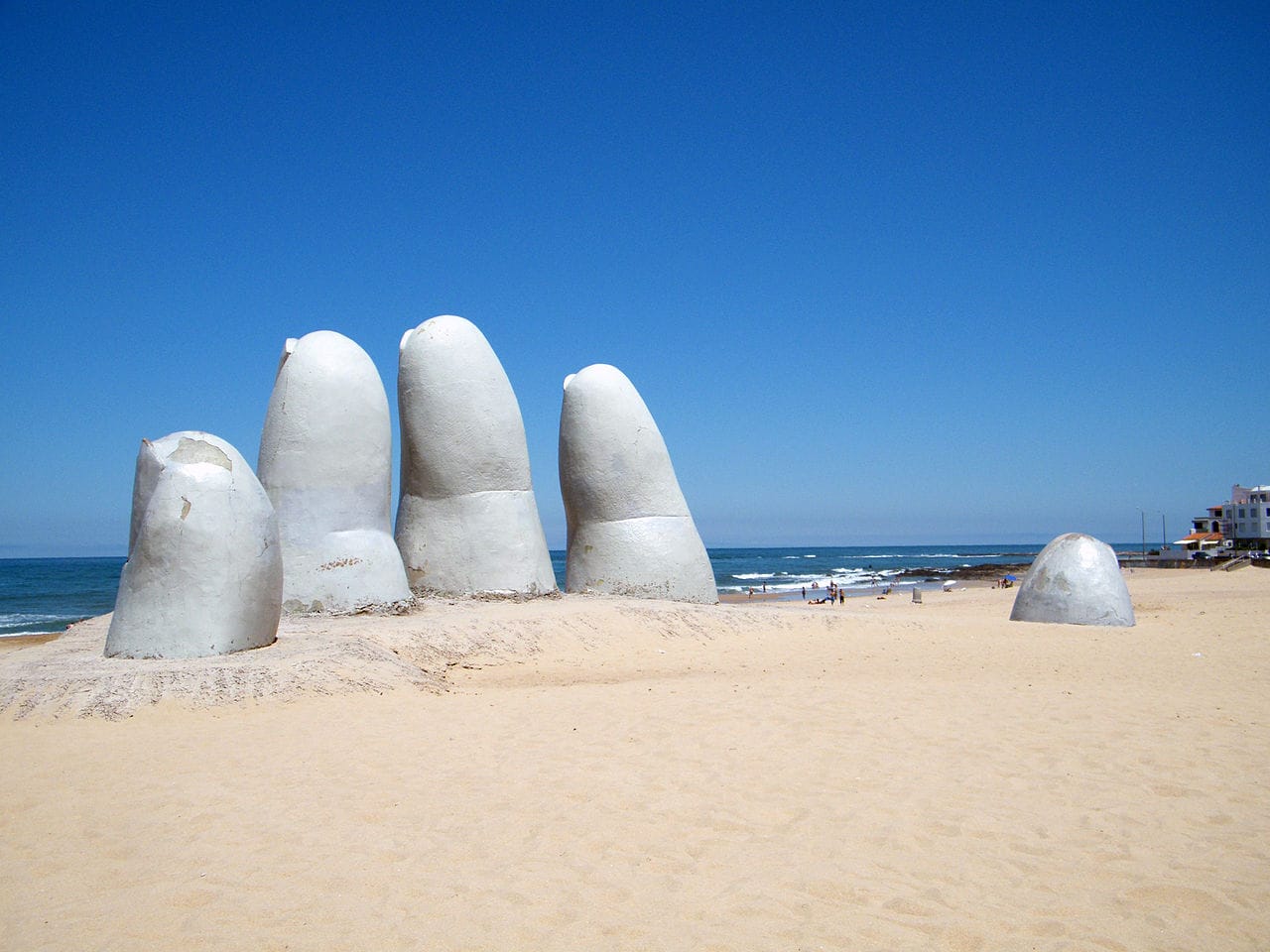
Playa Brava, the "wild beach," faces east onto the open Atlantic, and the character shift is immediate. Waves arrive with genuine force here, producing the conditions that attract surfers and body-boarders from across the continent. The energy is more dynamic, the sand broader and the atmosphere charged with the raw power of the ocean. Along Playa Brava, "La Mano," the famous hand sculpture, rises from the sand and is a fitting landmark for a stretch of coast that feels untamed despite its closeness to civilization.
Other Beaches
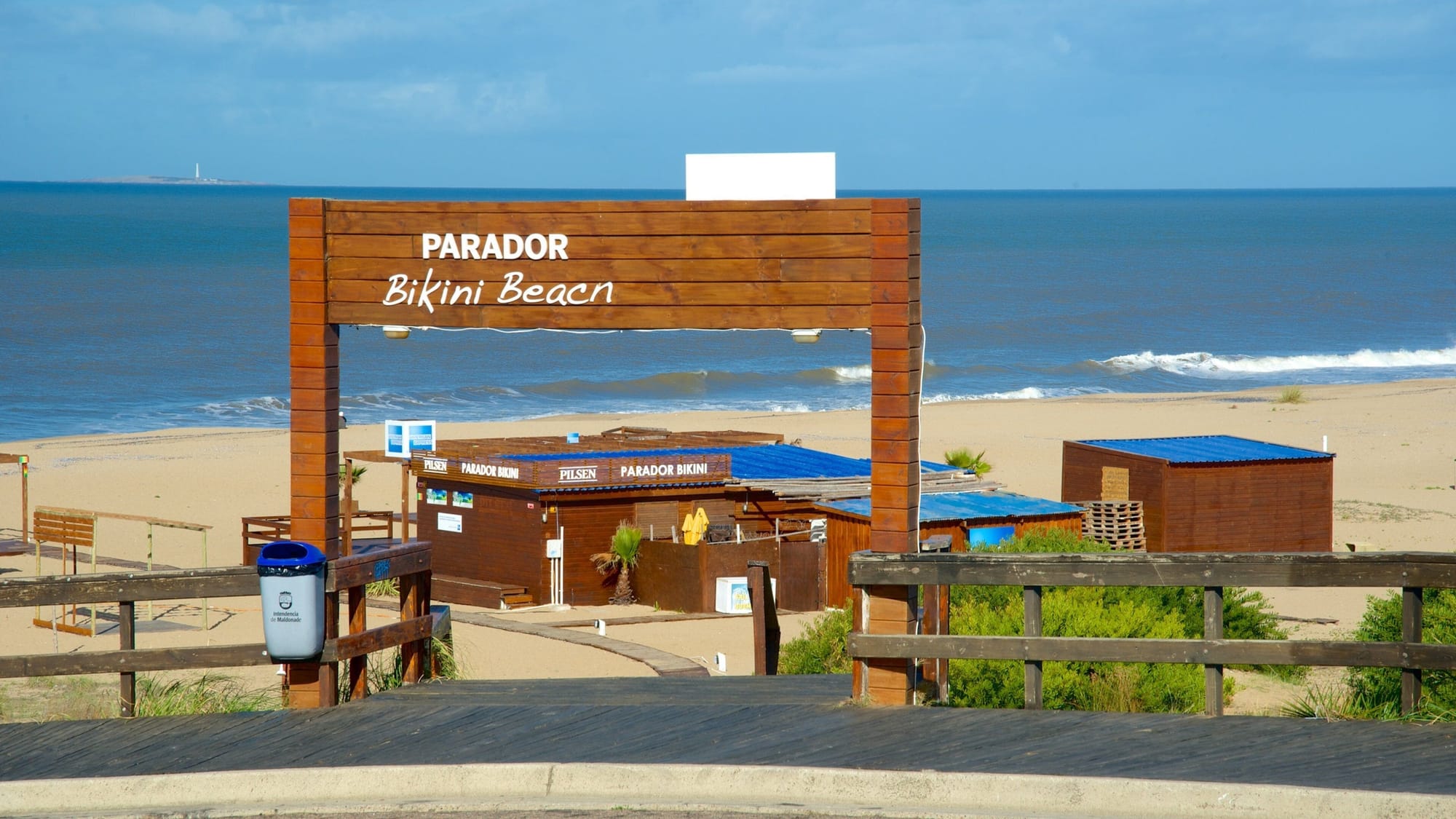
Between these two defining shores, a succession of named shores extends along the coast. Bikini Beach in El Chorro draws watersports enthusiasts to its Atlantic-facing sands. Beaches of La Barra offer long expanses ideal for surfing and long walks. Montoya and Manantiales provide a more exclusive atmosphere, with proximity to the area's chicest restaurants and boutiques. Further east, beaches of José Ignacio achieve the rare quality of feeling genuinely remote. They provide clean, uncrowded stretches of sand where the primary sounds are waves, wind and birdsong.
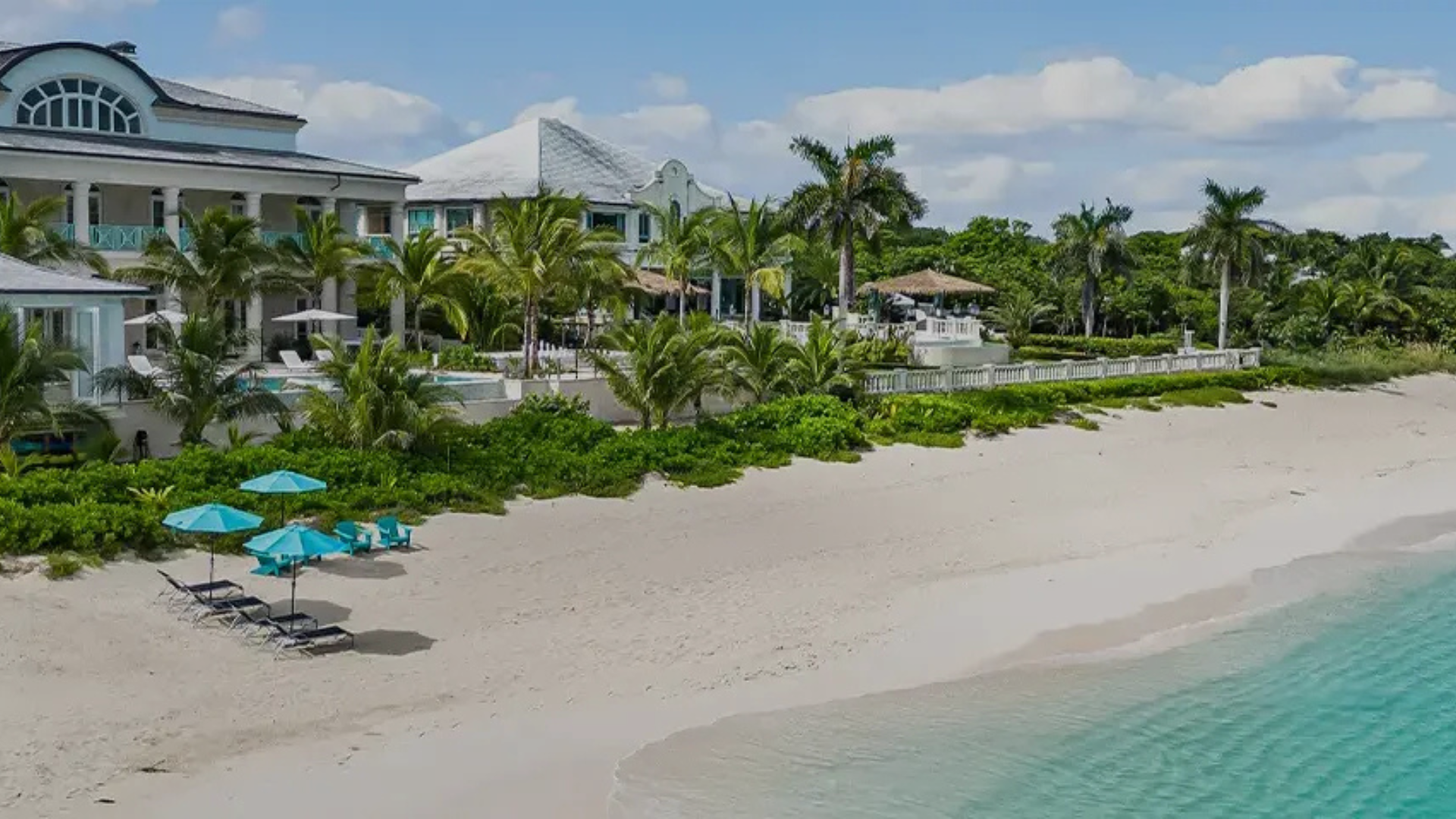
The water temperature follows the seasons. During the peak summer months, the Atlantic warms to a comfortable swimming temperature, while the Río de la Plata side remains slightly cooler. In shoulder seasons, the water retains enough warmth for comfortable swimming, particularly along Playa Mansa. Across all beaches, the sand is fine and pale, the water remarkably clean and the overall environment maintained to a standard befitting the destination's reputation.
Enjoy the most amazing waves in front of your doorstep
Browse our Beachfront CollectionBeach Clubs
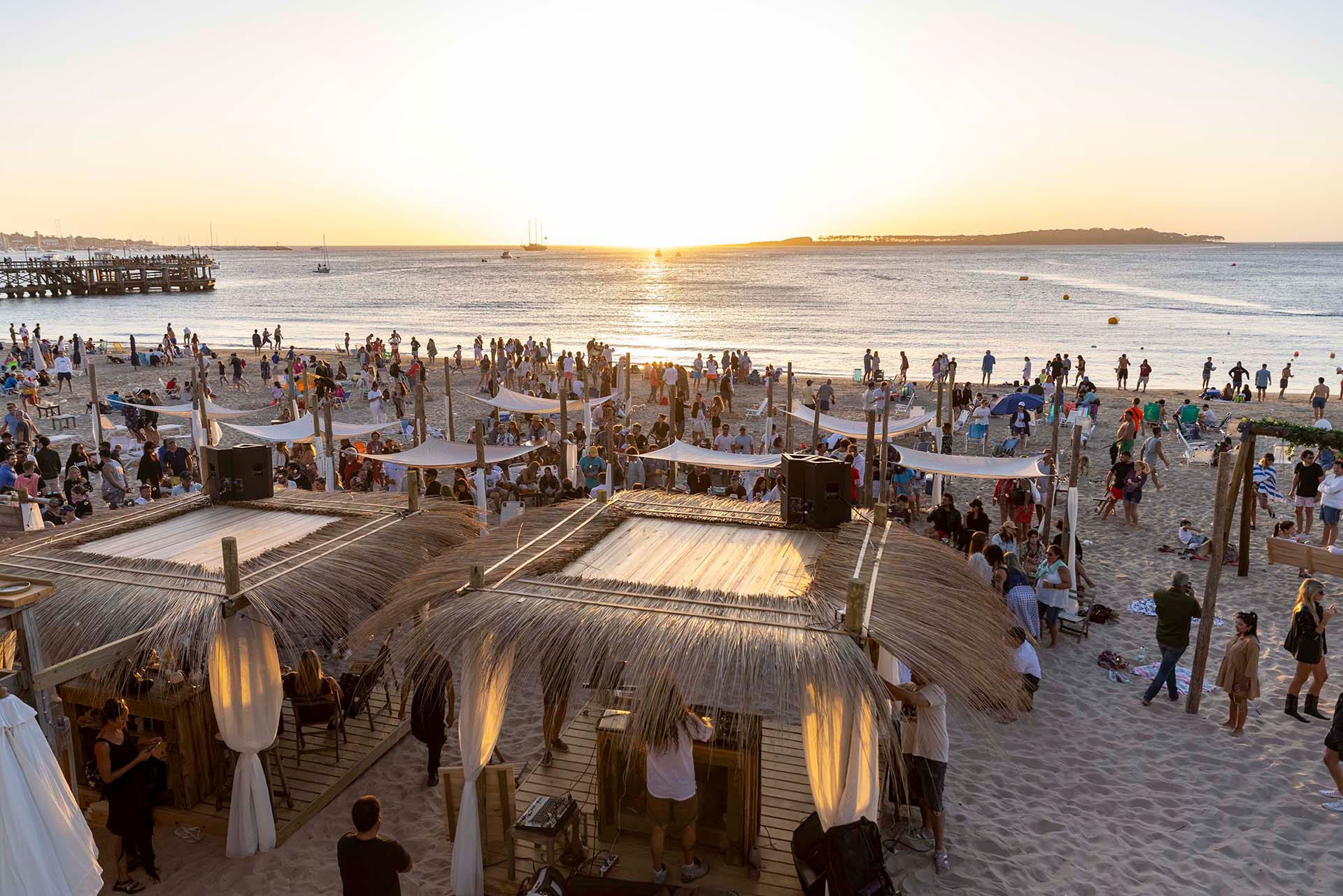
The parador, Uruguay's distinctive take on the beach club, is central to the Punta del Este experience. More than simple venues, these establishments represent a complete social and culinary culture that unfolds against the Atlantic shoreline. The term itself carries weight here. While "beach club" might conjure images of poolside loungers and frozen cocktails elsewhere, the Punta del Este parador is something altogether more considered. The finest paradores combine exceptional cuisine helmed by recognized chefs, carefully curated music programs and a sense of atmosphere that elevates a day at the beach into something approaching ritual. Golden hours before sunset are the peak, when the light softens over the water, the music shifts in tone and tempo and the transition from afternoon to evening becomes an event in itself. Arriving at a parador by mid-afternoon and staying through sunset is not merely recommended, it is how the locals experience their coast.
Las Piedras Beach Club
Las Piedras Beach Club is on an elegant stretch of La Barra's coastline as part of the Fasano property. The club has established itself as one of Uruguay's most celebrated seaside destinations, cultivating a bohemian-chic atmosphere that feels both exclusive and effortlessly inviting. The culinary program bears the imprint of Chef Gerard Barberan, whose reputation was forged at Bottega Sao Paulo, one of the Brazilian city's most acclaimed dining establishments. His specially customized menu finds its ideal accompaniment in a broad selection of sparkling wines, reds and international bottles that pair beautifully with the Atlantic dusk.
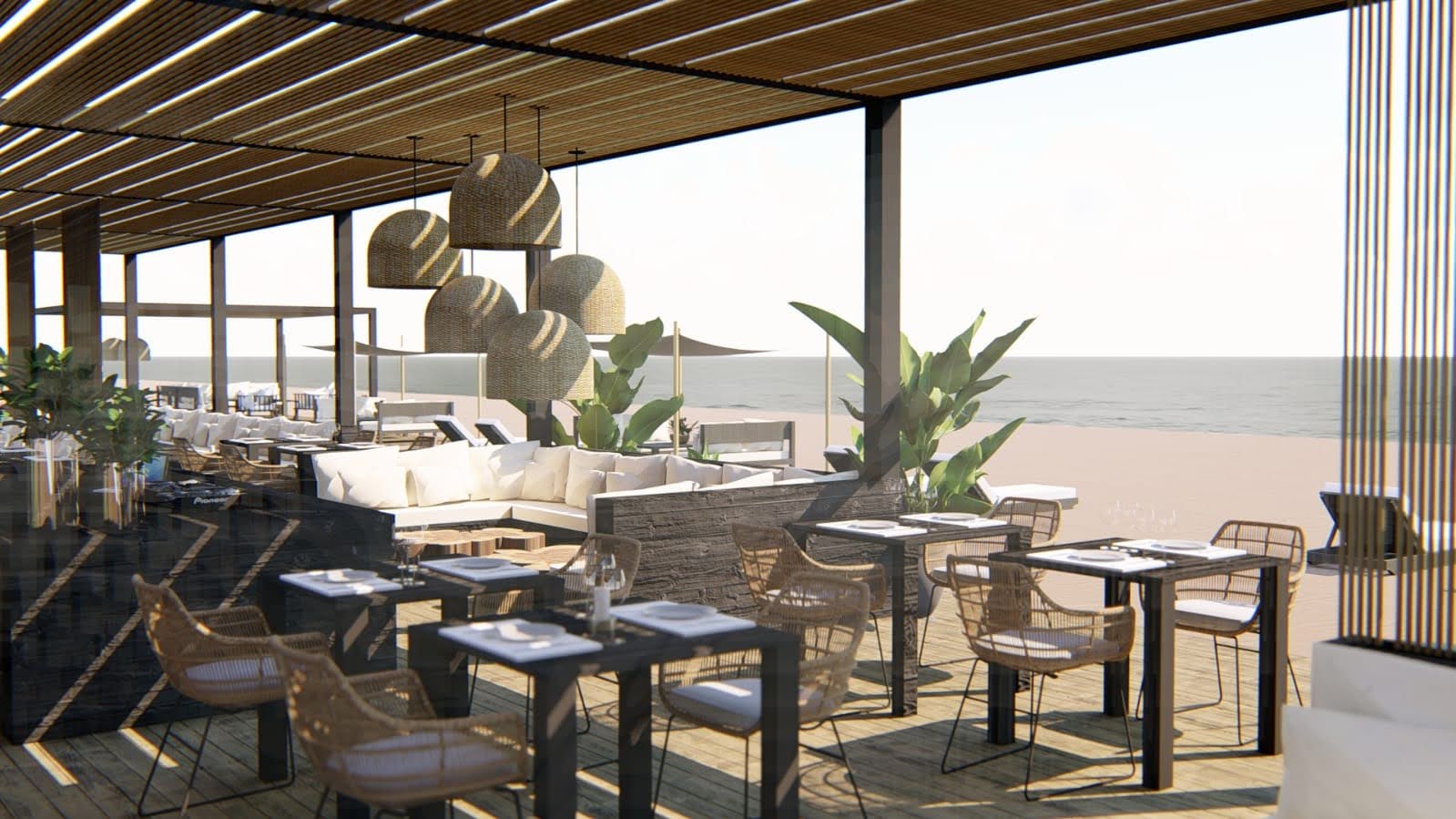
Bagatelle
Bagatelle has transplanted the spirit of the European experience to the Uruguayan coast, earning a devoted following among admirers of French gastronomy and high-energy entertainment. The champagne battle show has become something of a signature, a spectacle that captures the venue's spirit of celebration. The menu journeys through French flavors with particular strength in seafood: fresh fish and catches of the day, traditional carpaccio, tuna and salmon gravlax headline alongside refined salads featuring grilled trout, blue cheese and caramelized almonds.
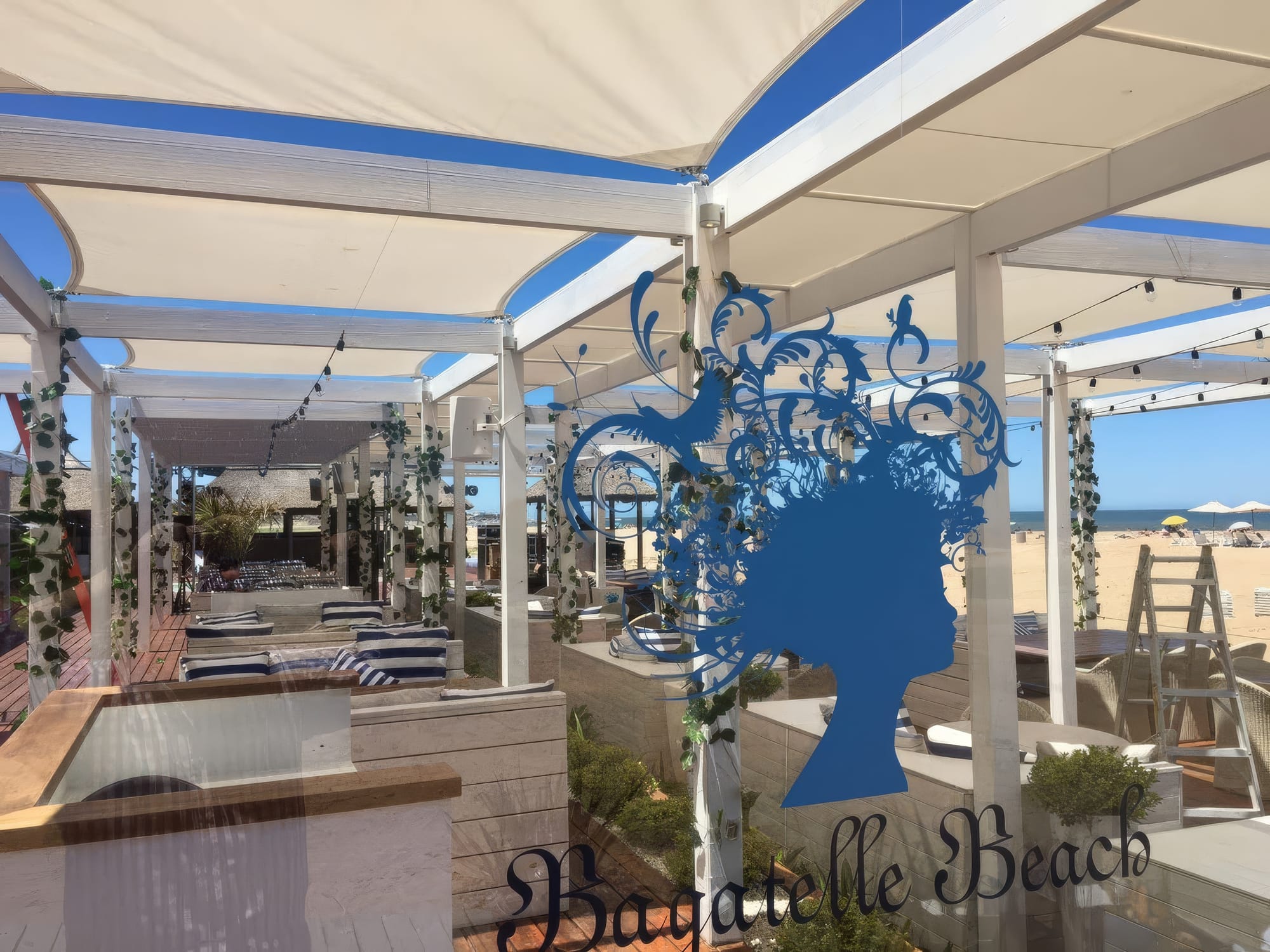
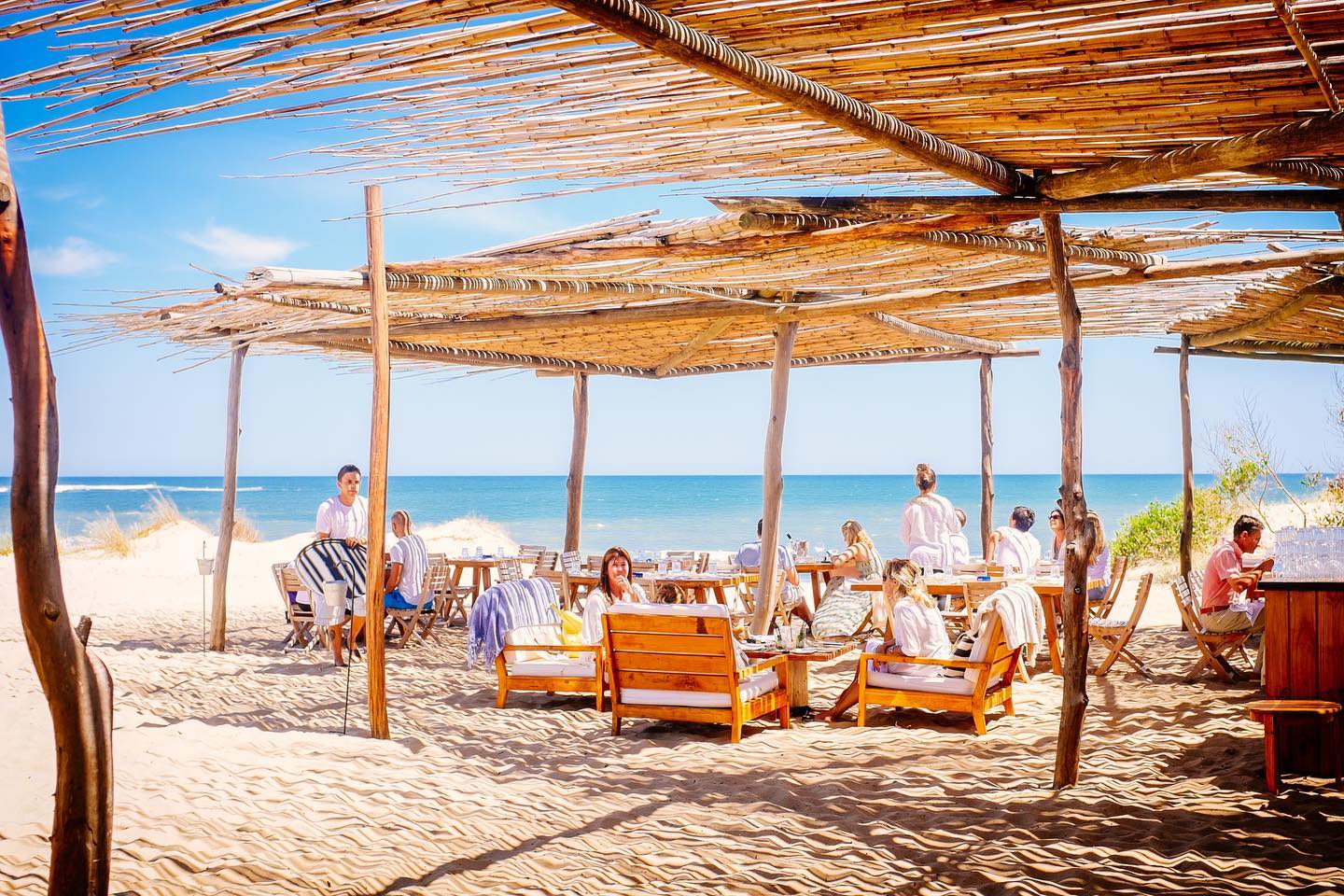
La Susana
La Susana is on the famed shores of Playa Mansa, drawing a notably stylish clientele. Chef Marcelo Betancourt leads the culinary vision with an ever-changing menu that follows the rhythms of local and seasonal produce, ensuring no two visits are quite alike. The wine list keeps pairing possibilities effectively endless. From lingering lunches beneath bamboo pergolas to sunset cocktails set against the changing sky, La Susana is shaped by carefully selected DJs and musicians who match their sets to each shift in the day's mood.
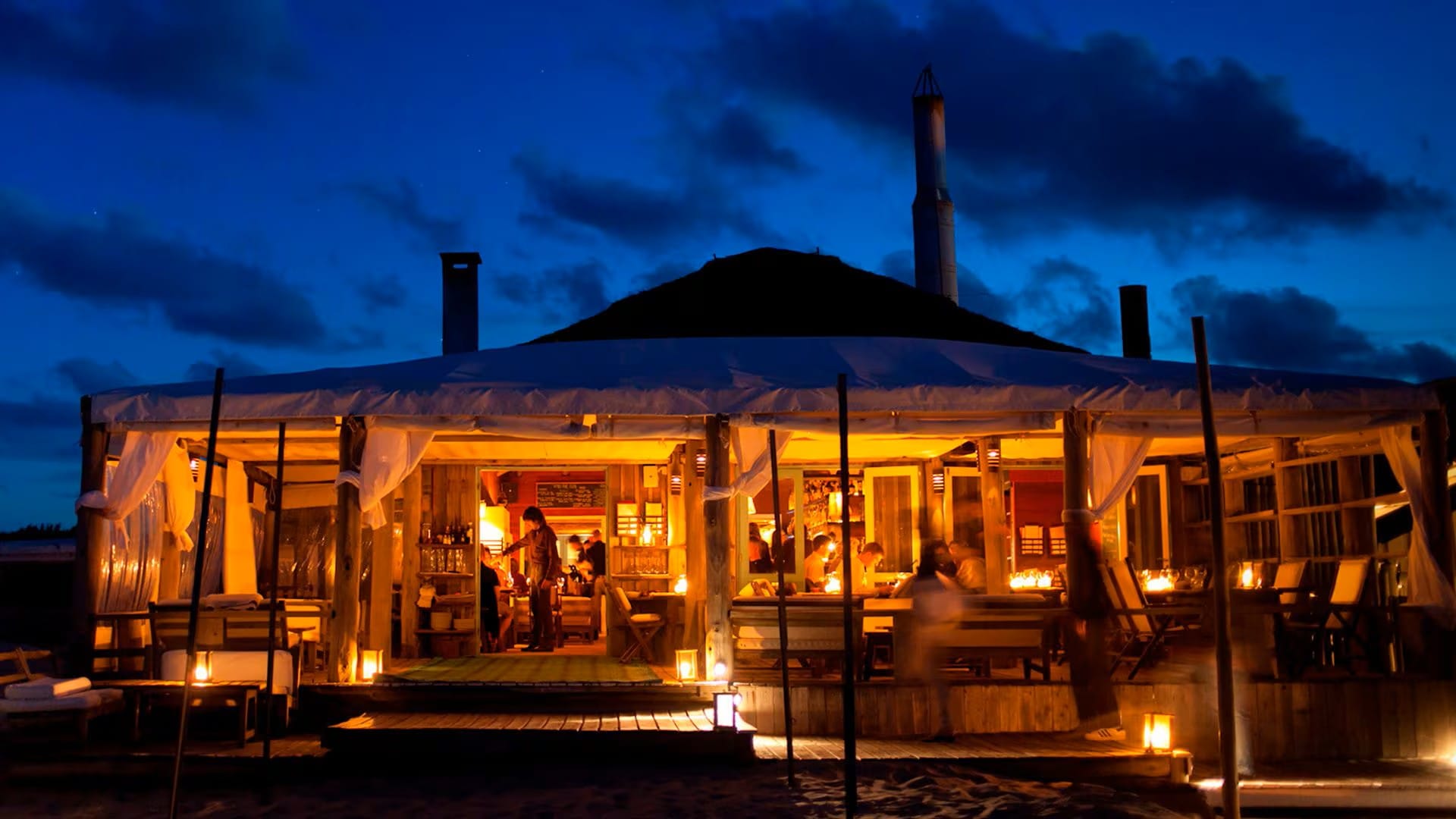
Parador La Huella
Parador La Huella in José Ignacio needs little introduction. Consistently featured among Latin America's most celebrated restaurants, this parador has become a gathering point for those in the know, occupying some of the Atlantic's most tranquil stretches of shoreline. Every element from decor, natural surroundings, ambience, cuisine and beverages, is meticulously calibrated to engage the senses. Chef Vanessa Gonzalez's creations are the culinary expression of an exclusive boho-chic sensibility perfectly attuned to the Punta del Este summer spirit. The experience here is comprehensive and immersive in a way few similar clubs anywhere in the world can rival.
El Chiringo Anastasio
El Chiringo Anastasio takes a different path, pursuing luxury through simplicity. The club is distinguished by its use of natural wooden materials, organic fibers and bamboo, creating an environment where barefoot elegance meets eco-consciousness. The aesthetic is deliberate. Every element reinforces a connection to the natural surroundings rather than competing with them. The menu reflects this philosophy through organic cuisine and detox juices, offering nourishment aligned with the setting's meditative calm.
La Choza De Mar
La Choza de Mar brings an unmistakably Ibizan energy to the José Ignacio coastline. Service here is polished to an art form, with an offering that spans sunbeds and pop-up beach stores alongside refined dining and a seductive cocktail bar. As the afternoon fades, fire pits crackle against the backdrop of José Ignacio's legendary sunsets while rhythmic beats provide the soundtrack. The overall effect is laidback yet curated, eccentric yet polished. This is a club experience that is transportive without ever losing its connection to the Uruguayan coast.
Fine Dining
Punta del Este is one of Latin America's most compelling gastronomic destinations. The dining scene draws its strength from several converging factors. Uruguay's exceptional raw materials such as grass-fed beef rank among the world's finest, pristine Atlantic seafood and a growing wine industry producing increasingly sophisticated bottles meet a tradition of open-fire cooking that predates trends by centuries. Add to this a community of chefs who have trained internationally before returning to work with Uruguayan ingredients, and the result is a culinary landscape of remarkable depth for a resort of this size.
The gastronomic geography follows the coastline. The Peninsula concentrates accessible options near the port, while the stretch between La Barra and Manantiales rewards those willing to explore with hidden gems set among pine forests and rolling hills. José Ignacio, despite its village scale, has emerged as a dining destination in its own right, with restaurants that rank on continental lists. Reservations at the most sought-after establishments are essential during peak season, particularly for sunset seatings that combine the culinary experience with the dramatic light of the Atlantic coast.
La Bourgogne Relais & Châteaux
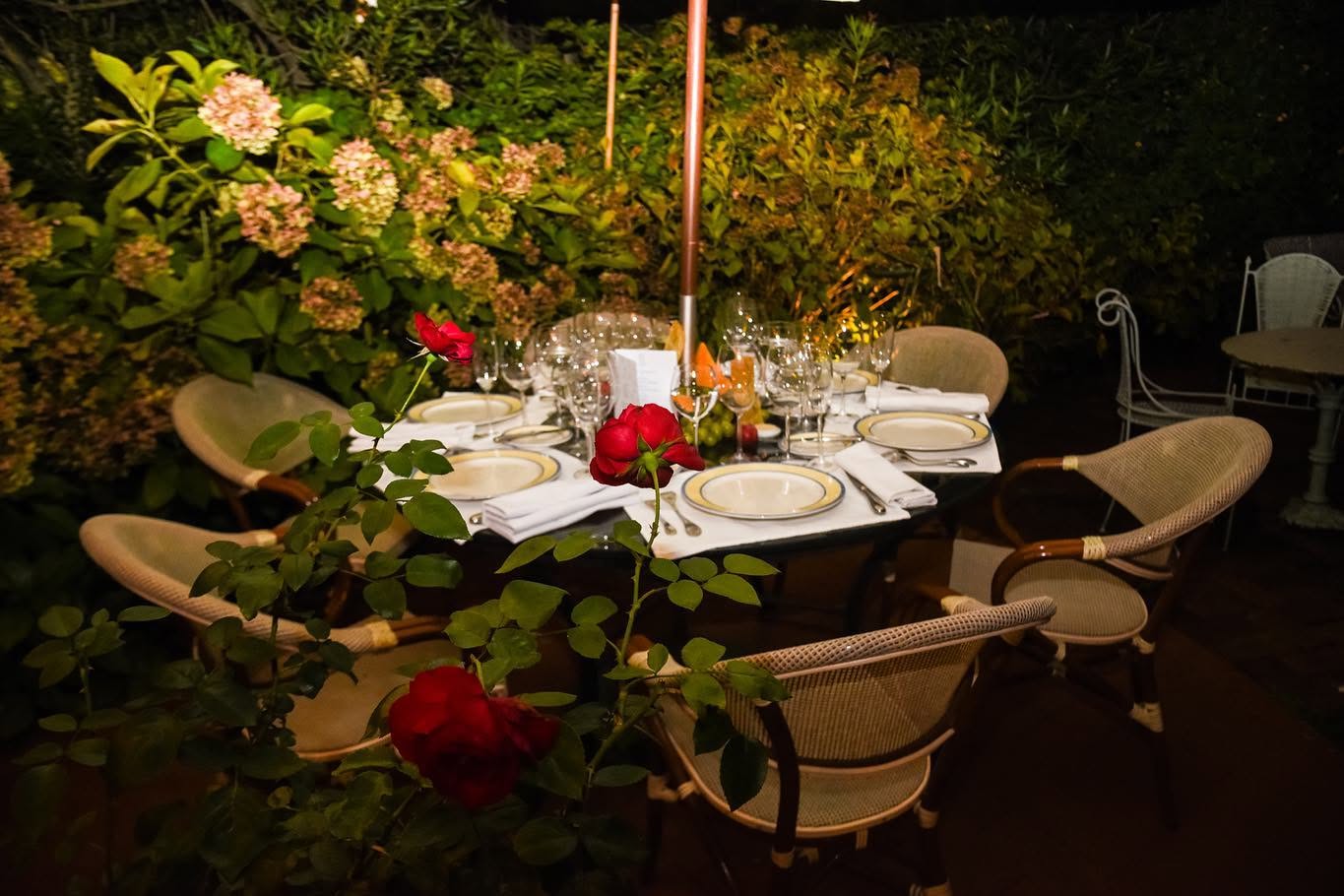
La Bourgogne Relais & Châteaux has one Michelin star, the kind of accolade that speaks to the consistency and refinement of Executive Chef Jean-Paul Bondoux's approach. Right on the seafront, the restaurant channels authentic French technique through ingredients sourced from the chef's own farm. Choices include zucchini flowers stuffed with chicken, rack of lamb roasted with garden herbs, house-smoked salmon and suckling piglet. For guests seeking something more participatory, cooking classes with the chef offer an intimate window into the culinary philosophy. The atmosphere is unambiguously romantic, making it the natural choice for a sophisticated evening.
Bodega Garzón
Bodega Garzón represents something different entirely. Here, legendary Chef Francis Mallmann, whose restaurants span continents and whose mastery of fire-based cooking has earned global recognition, practices a deceptively simple philosophy. Cuisine is not elaborate, yet it stays in the memory. Consider a perfectly seared steak finished with herbed olive oil, the freshest local fish baked in a salt crust, a smoky Negroni that captures the essence of the place. Set in the vineyard that bears its name, Bodega Garzón provides a setting as memorable as the cuisine, with rolling countryside stretching to the horizon.
Fasano Punta Del Este
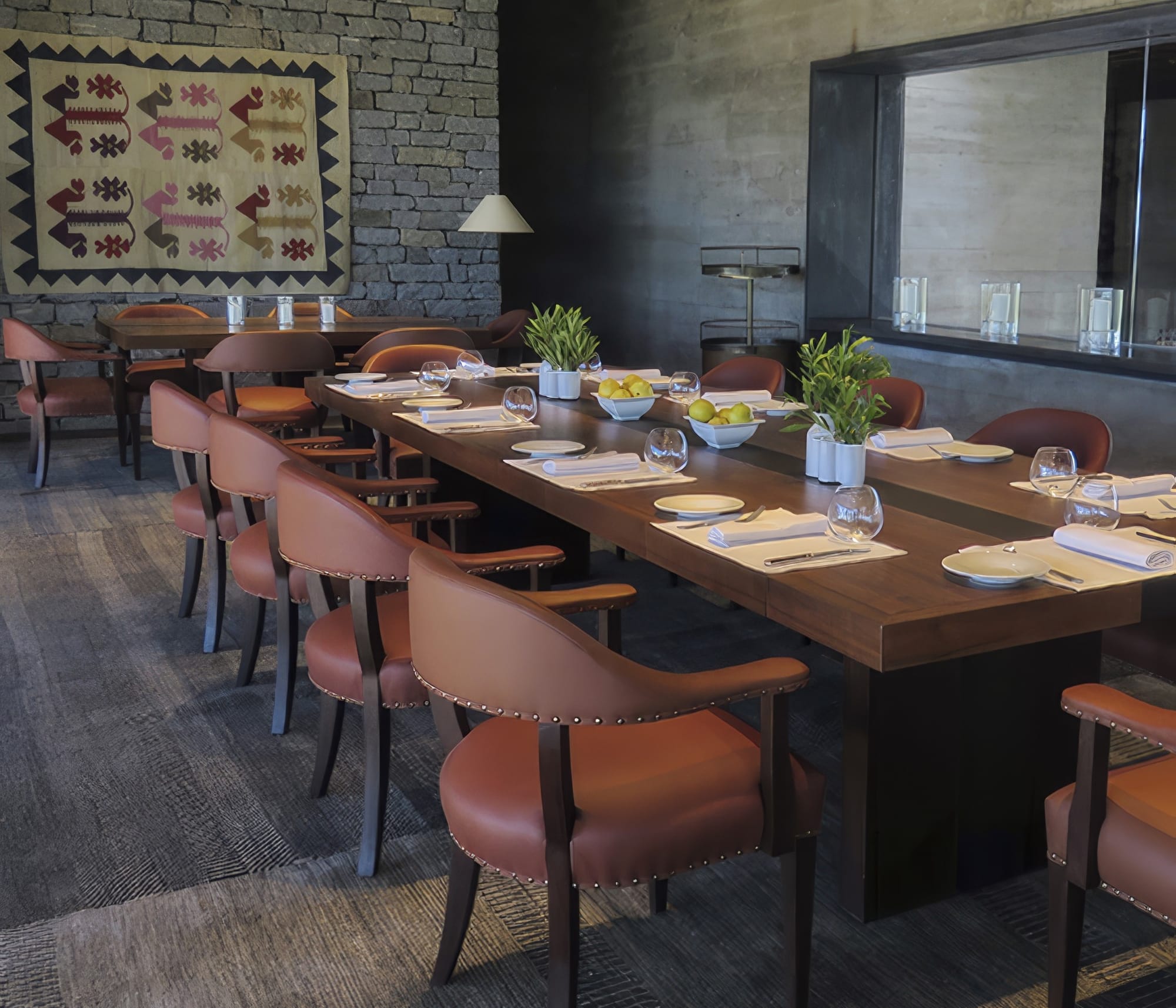
Fasano Punta del Este carries more than a century of the Fasano family's hospitality tradition. The hilltop setting, designed by acclaimed architect Isay Weinfeld, perches like an eagle's nest atop one of Uruguay's highest points, offering commanding views of virgin countryside and the Maldonado river below. The interior nods to breezy 1950s Brazilian design, but the prize table sits on the rattan-clad balcony. Bring a jacket, as evenings are cool here. The menu is unapologetically nostalgic, with homemade pasta and refined Italian preparations that reflect the family's Brazilian-Italian heritage. Consistency is the hallmark and the Fasano name delivers exactly what informed guests expect.
Marismo
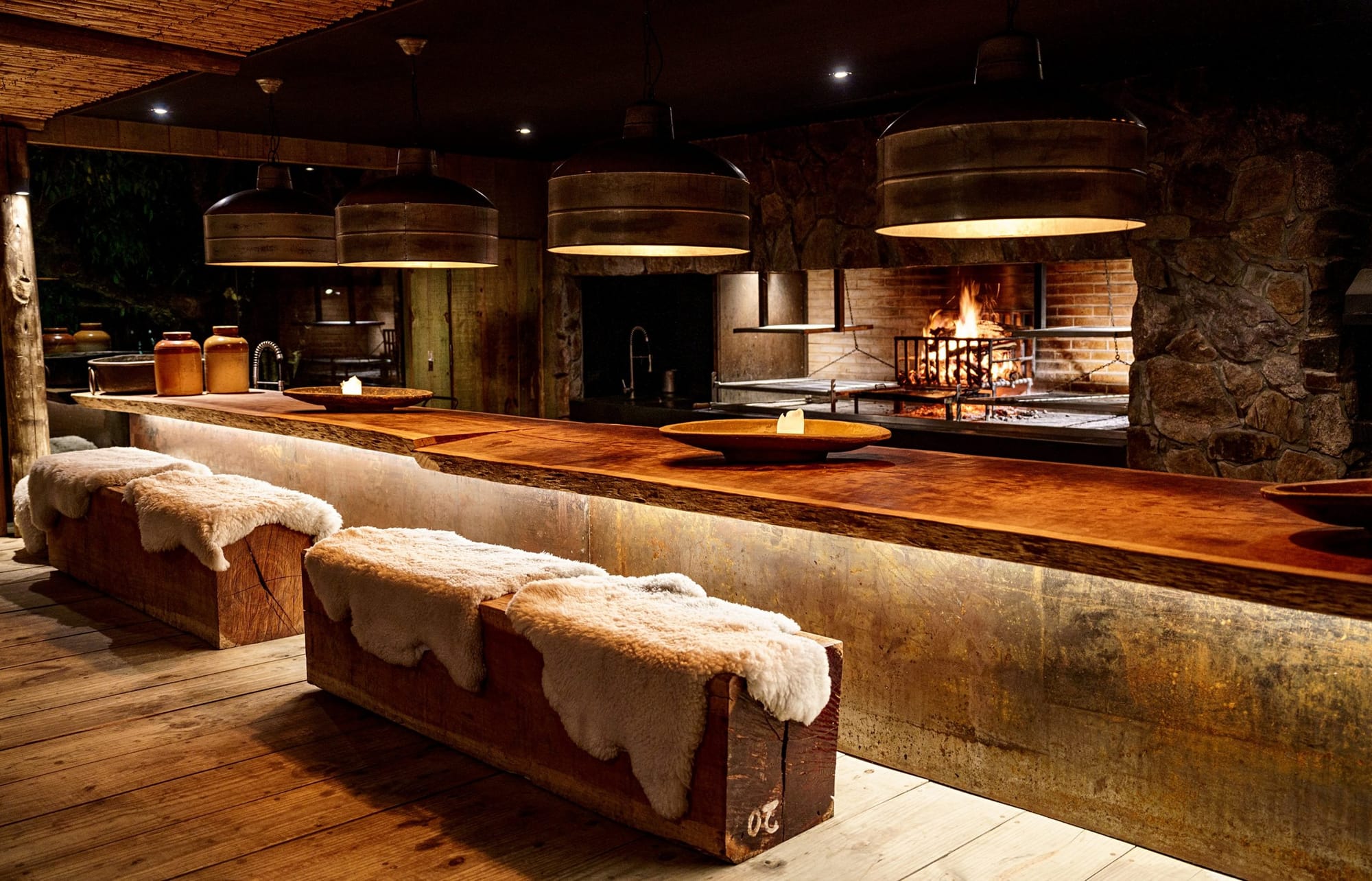
Marismo in José Ignacio offers one of the most captivating dining experiences in South America. Here, the sky serves as the ceiling and sand dunes form the carpet. Chef Federico Desseno works with fire and clay, using a traditional oven to produce empanadas with spicy llajua tomato dip and the parrilla to grill whole catches of the day. The provoleta, a gooey yet remarkably light variation on grilled provolone, should not be missed. On weekends, the outdoor culinary show, with the chef cooking beneath the stars, elevates dinner into a performance.
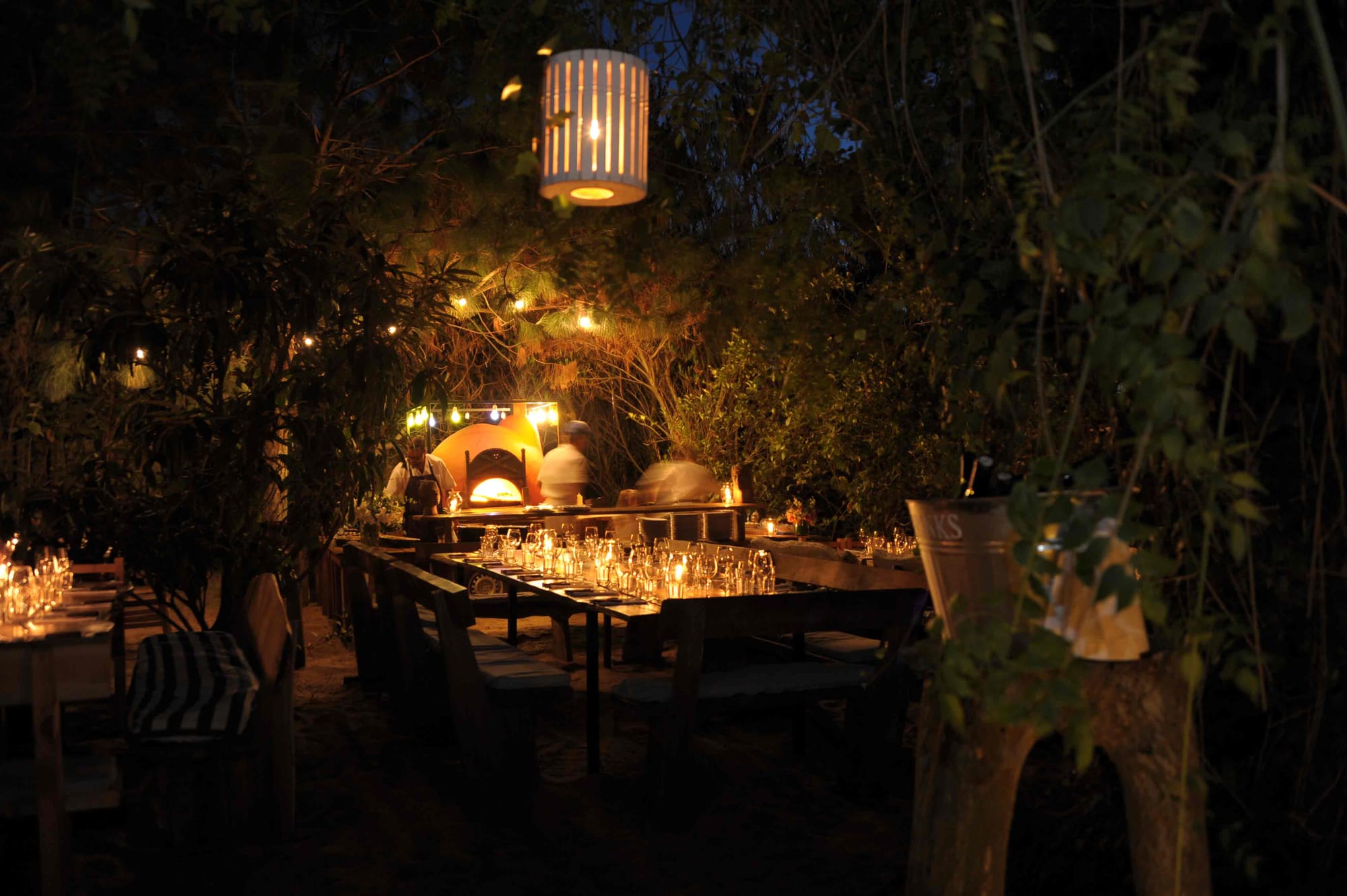
Lo De Tere
Lo de Tere turns its focus entirely to Uruguayan products and the people who produce them. The tasting menu, available in five, six or seven courses, unfolds as a tour of the Atlantic and local lagoons alongside the finest countryside ingredients. Mussels with herbs and garlic, octopus carpaccio, red crab salad and wild langoustine bonbon with wild mushroom consomme suggest the range. The dining room, with exposed brickwork and views onto greenery, the harbor, Gorriti Island and Mansa Beach Bay, provides a setting that rewards a long evening. End with the dulce de leche shot, a small flourish that has become a signature.
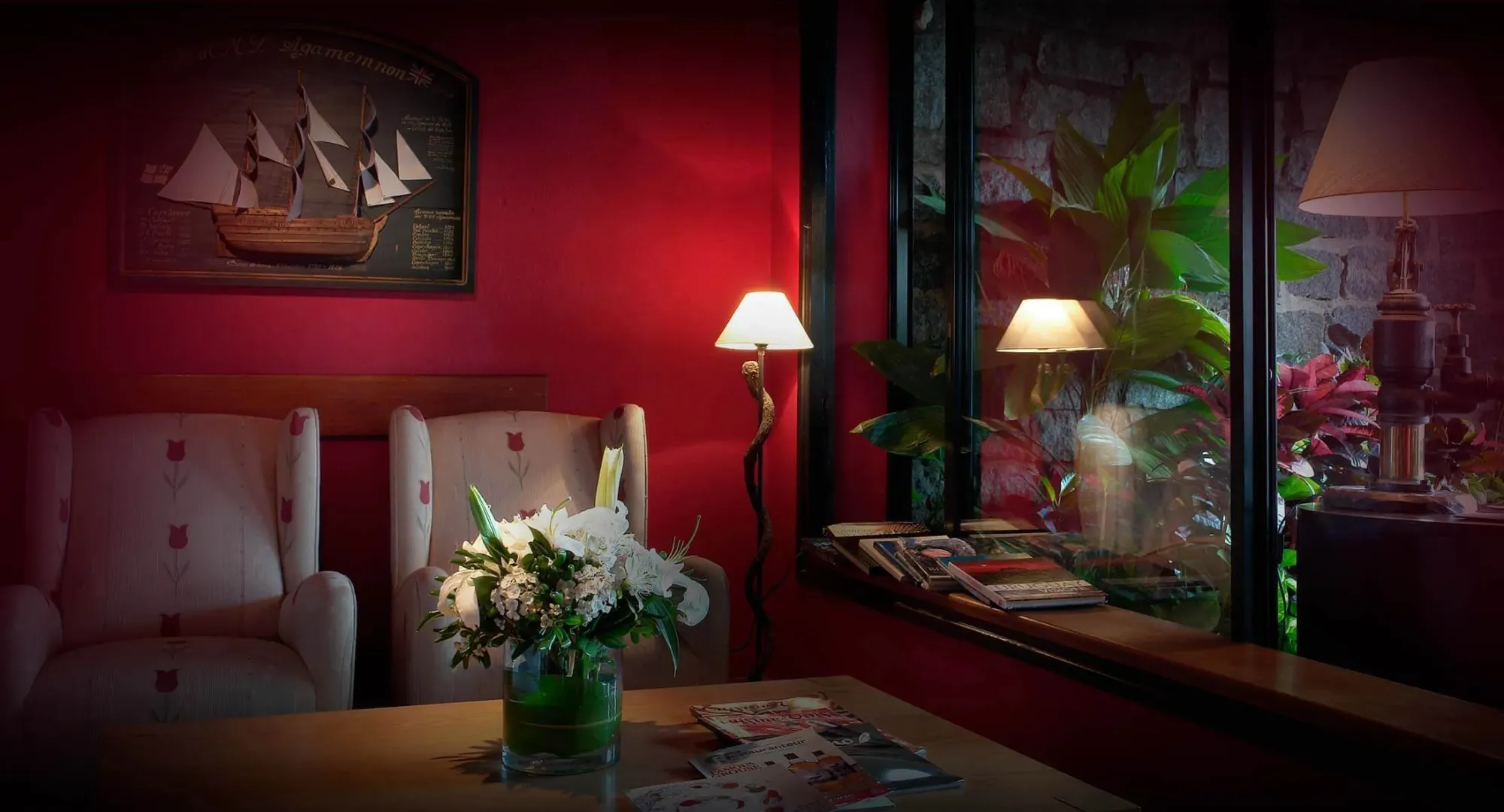
L'incanto Restaurante
L'Incanto Restaurante anchors the Boulevard Gourmet as the benchmark for Italian gastronomy in Punta del Este. The kitchen works with ingredients imported directly from Italy, maintaining a standard of authenticity that has earned deep loyalty. The atmosphere is full of charm, the service warm and attentive and the food consistently delicious. This combination sounds straightforward, but proves elusive for many restaurants to sustain over time.
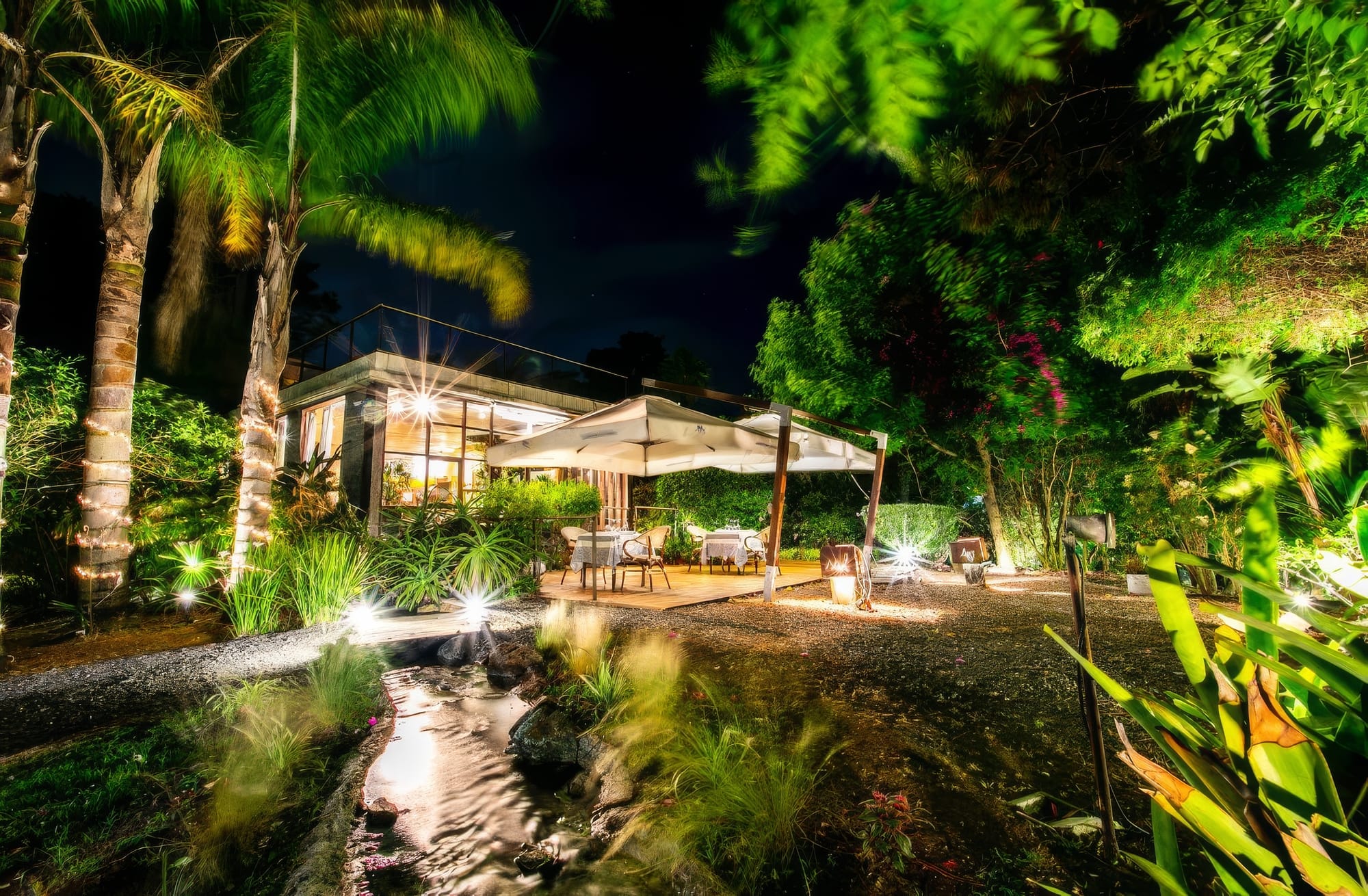
Floreal Restaurante
Floreal Restaurante balances tradition and innovation from within a 1960s building nestled in the San Rafael forest. The restaurant pursues an international signature cuisine grounded in quality products and refined technique, returning each season to the characteristic dishes of Uruguayan cuisine while pushing gently into new territory. The setting contributes as much as the food with a formal atmosphere softened by the surrounding natural garden, with two dining rooms, a VIP room and a cellar that reflect decades of careful stewardship.
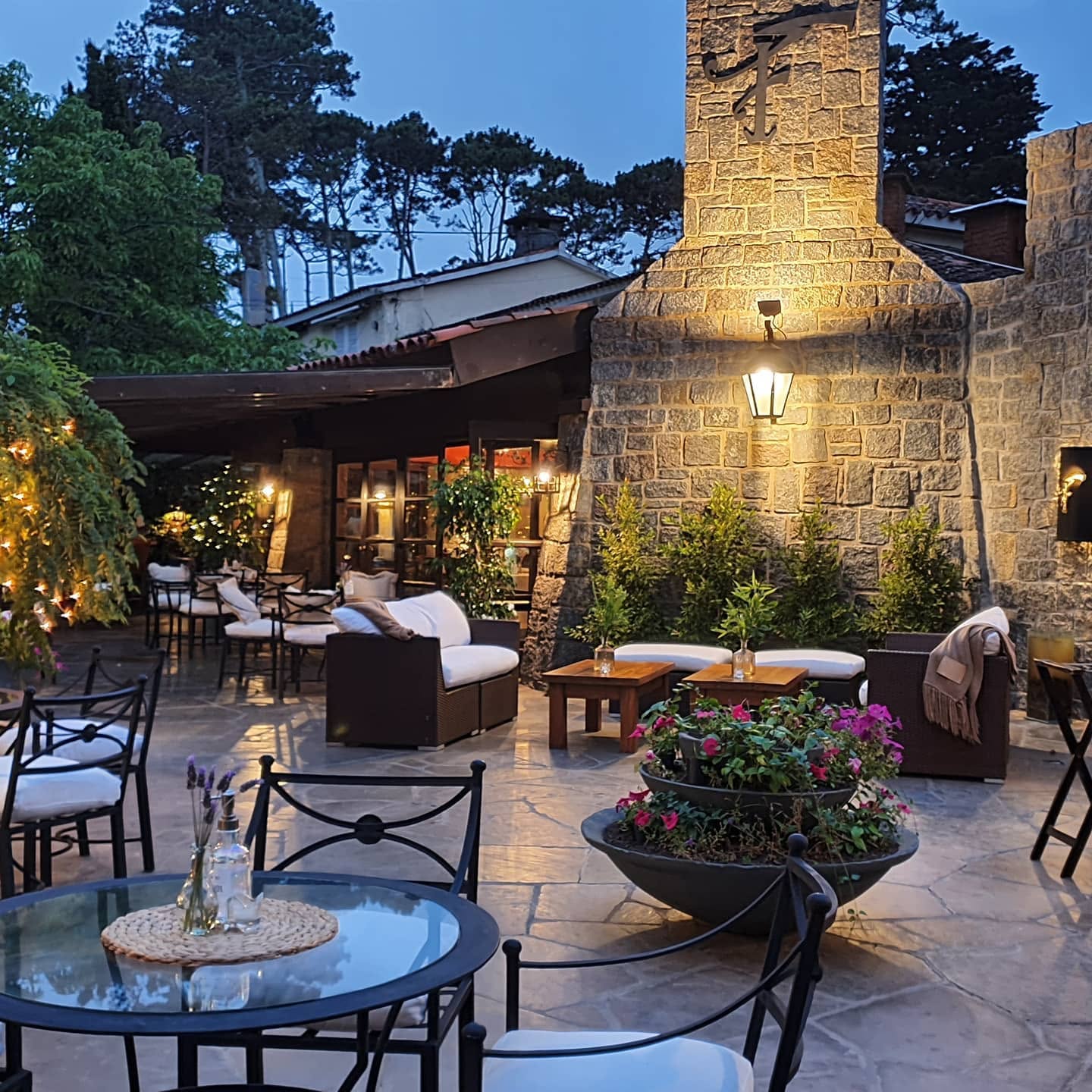
Cuatro Mares
Cuatro Mares, on the Punta del Este peninsula, showcases Chef Gastón Yelicich's philosophy of simplicity driven by quality. After years cooking in Europe and the United States, Yelicich returned to his native Uruguay and built a restaurant where the menu changes daily according to what is available. A seat at the kitchen bar brings diners close to the action. Here, guests will find Provence-style clams, octopus with olive mayo, local hake from the parrilla and slow-cooked pork shoulder croquettes all rotate through. Weekend lunches center on an abundant buffet, and Saturday feijoada has become a tradition for Brazilian regulars.
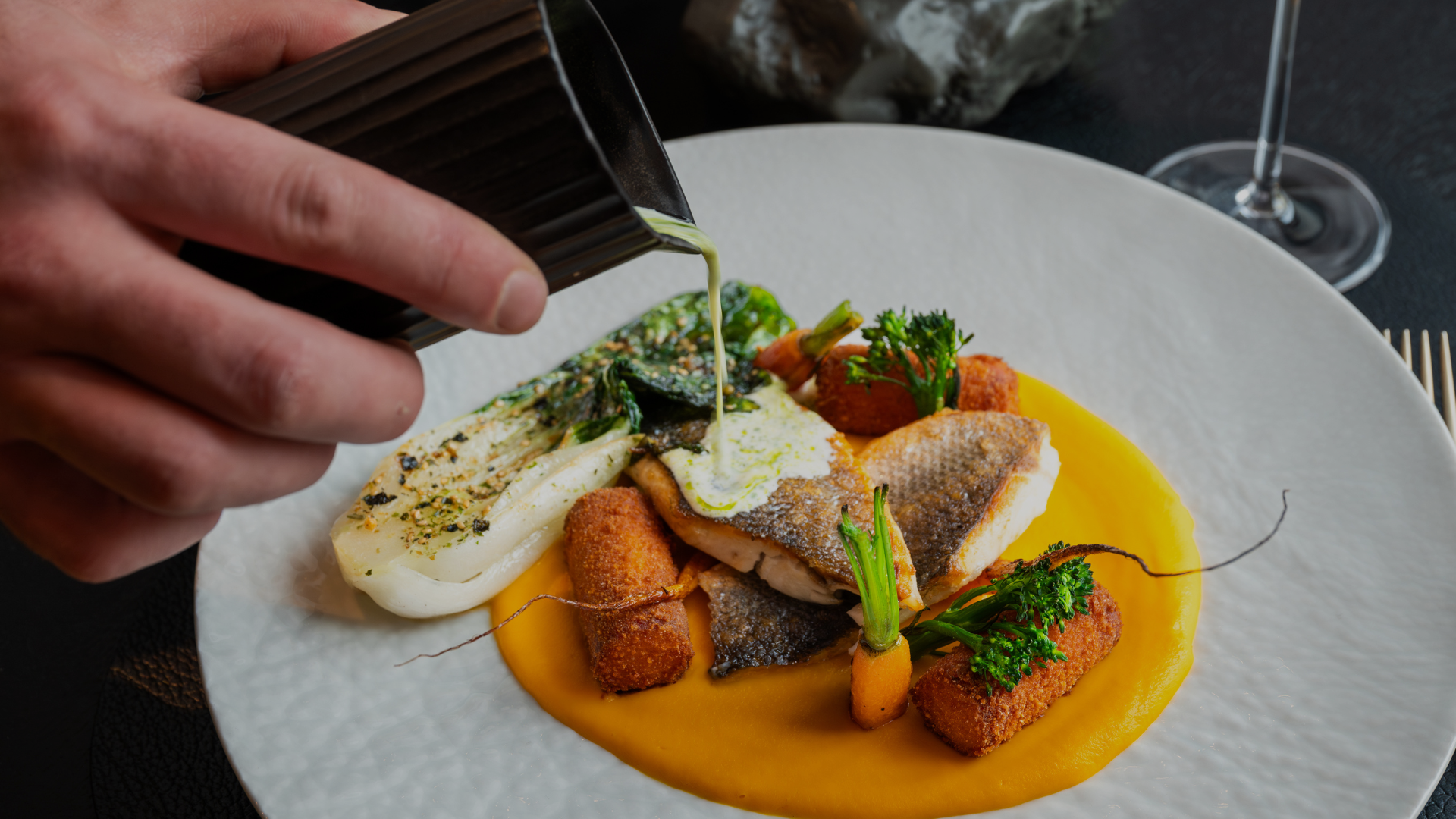
To elevate your experience in Punta del Este, let our concierge team arrange a private chef dinner to sample local flavors.
LVH ServicesArts and Culture
Few beach destinations can claim a cultural scene that stands on its own merits, independent of the sand and surf. Punta del Este is among them. Art galleries appear throughout the region with a frequency that surprises first-time visitors, and several institutions have achieved genuine international recognition. The artistic tradition here is not incidental. Uruguay has long punched above its weight in the visual arts, and Punta del Este's combination of natural beauty, affluent residents and international visitors has created an environment where galleries and museums thrive. For travelers who value cultural depth alongside leisure, these venues provide experiences that linger well after the tan has faded.
Casapueblo
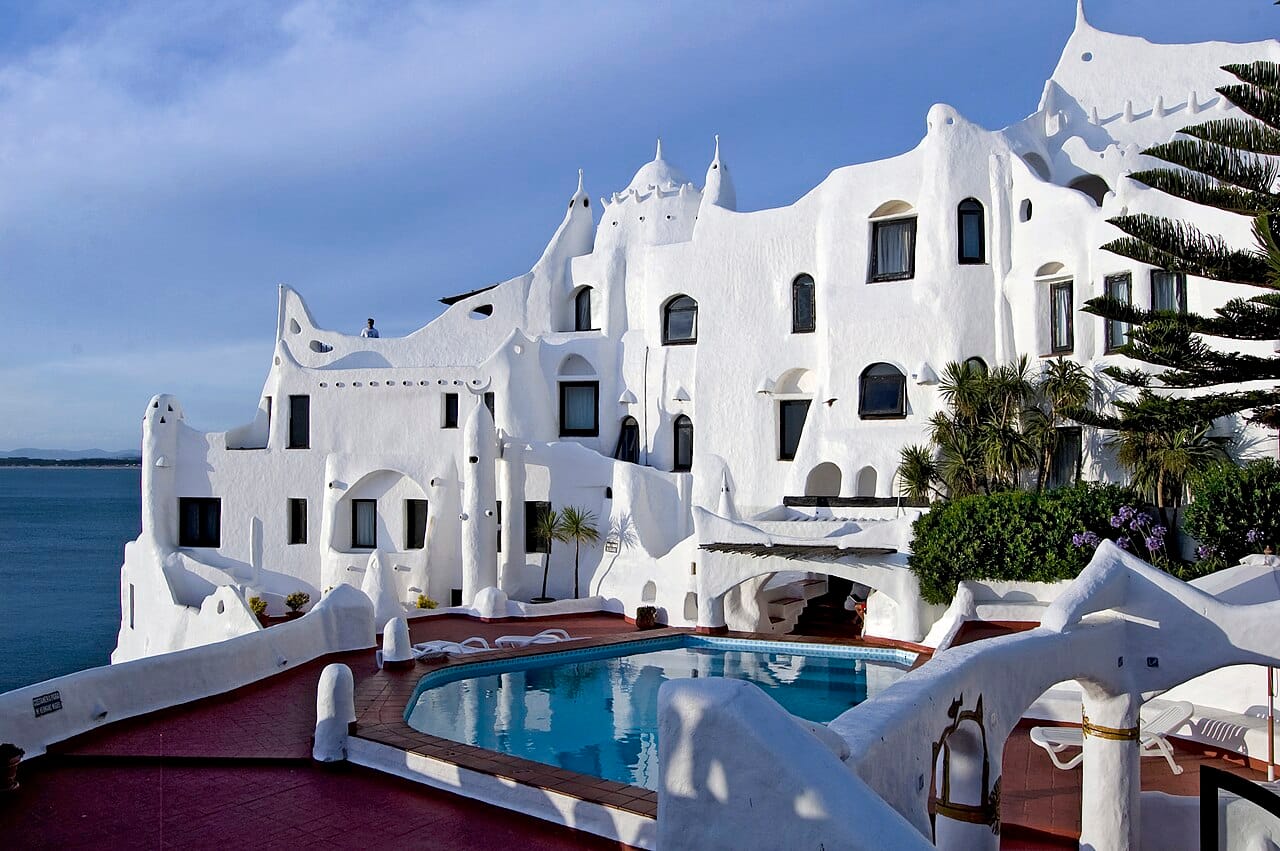
Casapueblo is immediately unforgettable. The stark white exterior of this sculptural villa and art gallery, perched atop Punta Ballena's jutting headland, catches the sun with an intensity that demands sunglasses on approach. Built by Uruguayan artist Carlos Páez Vilaró, Casapueblo is a museum, gallery and monument to one man's uncompromising creative vision. The structure itself — organic, flowing, reminiscent of Mediterranean cliff dwellings reimagined through a South American lens — is as much a work of art as anything housed within. Five rooms guide visitors through Vilaró's work, while a film documents the artist's remarkable life and travels. The real crescendo arrives in the upstairs cafeteria bar at sunset, when the light transforms the white walls into a canvas of shifting color against the brilliant blue of the Atlantic. It is the kind of experience that redefines what a gallery visit can be.
Ralli Museum
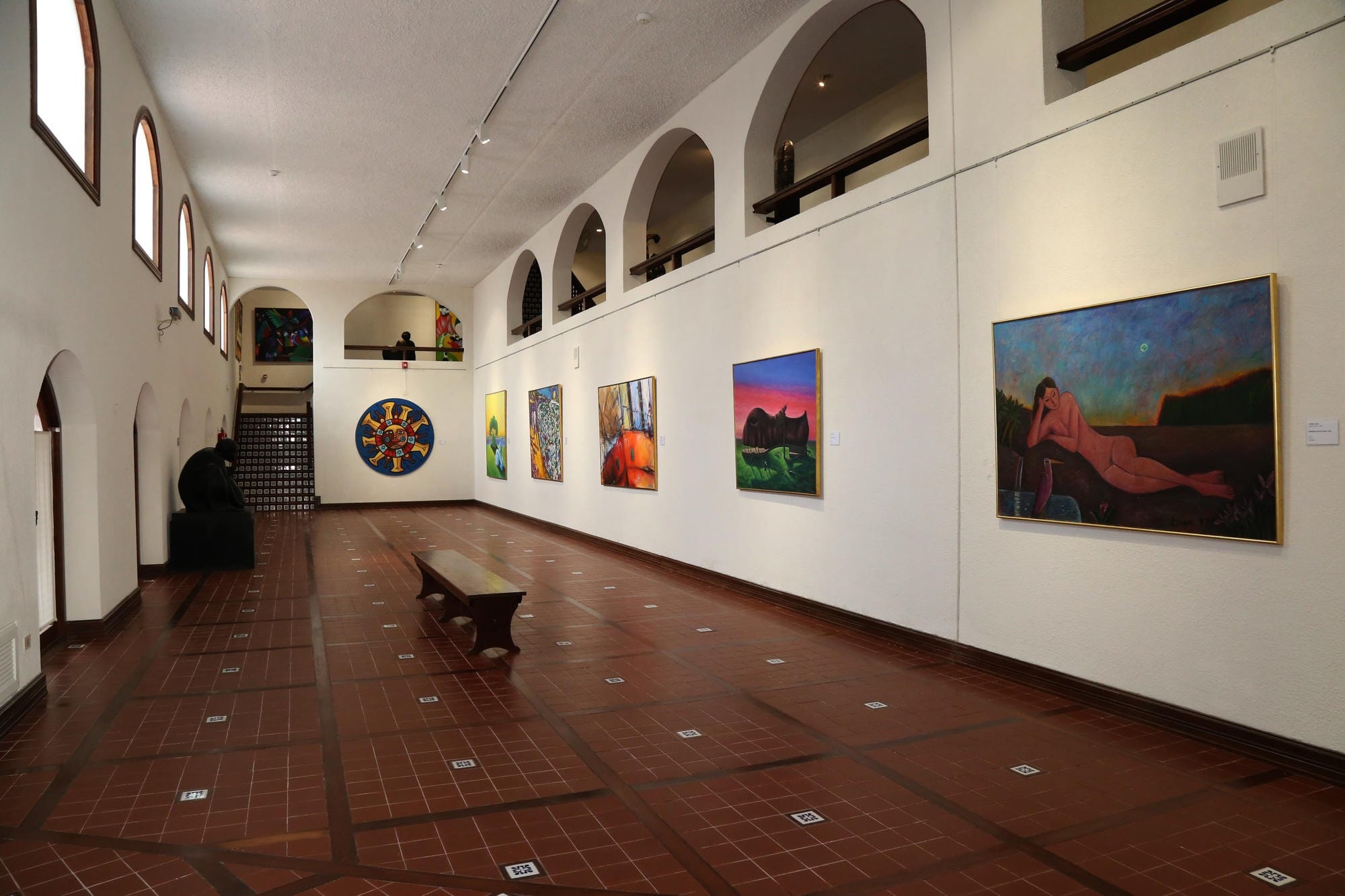
Ralli Museum holds a place of genuine significance in the art world. As the first of five Ralli museums established globally, this institution was purpose-built and specially designed to house what has become one of the most important collections of Latin American art in existence. Works by Fernando Botero whose voluminous, unmistakable figures have become icons of Latin American contemporary art anchor the permanent collection, alongside a substantial and carefully assembled selection of Salvador Dali sculptures. Additional works by renowned European artists expand the scope beyond the hemisphere. The scale warrants setting aside several hours for a thorough visit. This is not a museum to be rushed through between beach sessions, but one that rewards patient, attentive engagement with works of genuine stature.
Fundación Pablo Atchugarry
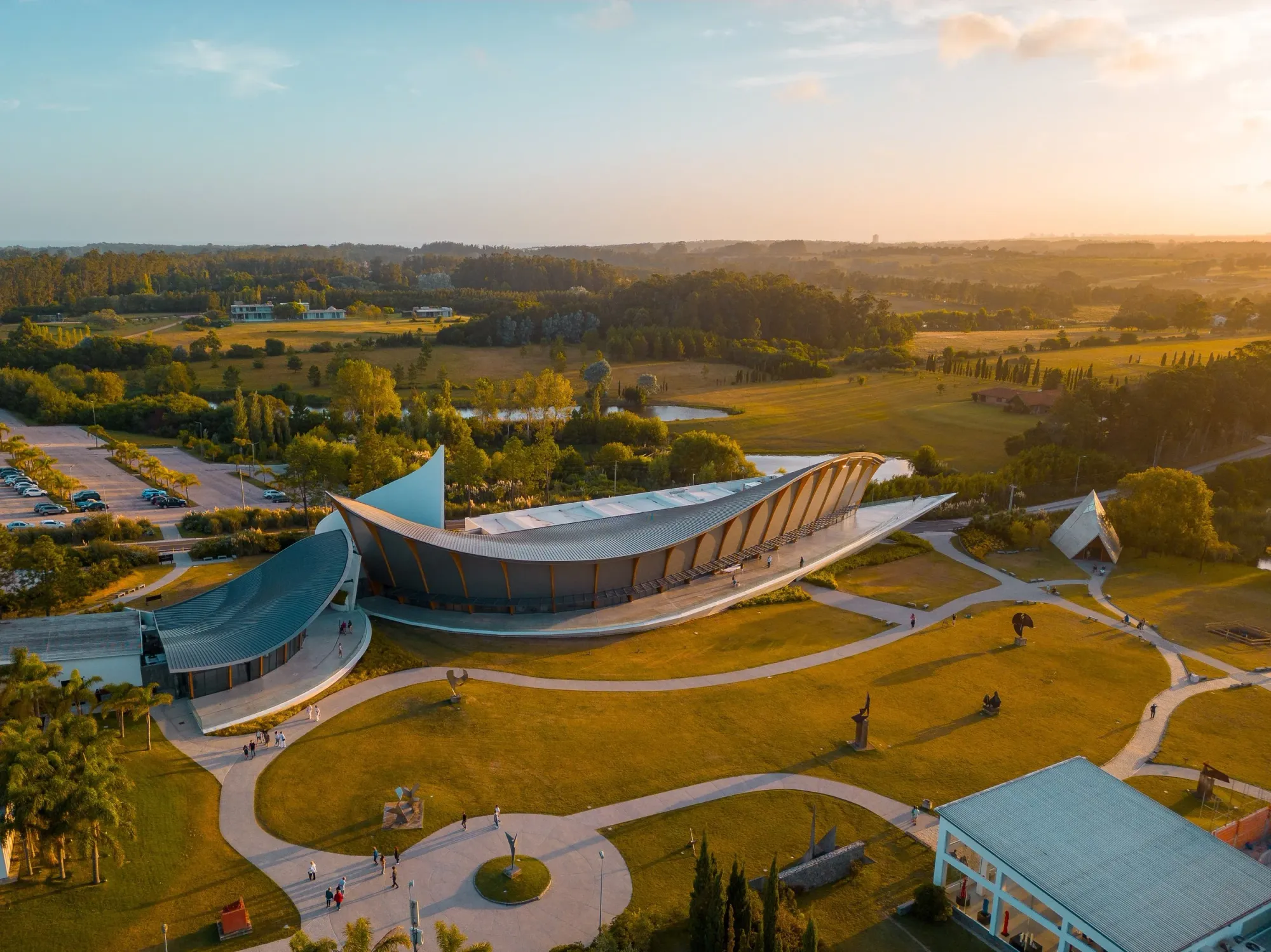
Fundación Pablo Atchugarry operates on a scale setting it apart from any conventional gallery experience. The enormous estate encompasses multiple indoor facilities hosting temporary exhibitions of exceptional quality, but its most remarkable feature is the 62-acre sculpture park. Designed in careful dialogue with the surrounding landscape, the park places monumental works by national and international artists from the 20th and 21st centuries within forests, beside a tranquil lake and across open land that stretches to the horizon. The diversity of artistic expression becomes a value in itself. Different materials, scales and philosophies encounter one another along walking paths. The experience of spending an afternoon here, encountering sculpture after sculpture in conversation with the natural world, creates something genuinely meditative that connects art and nature in a way few institutions anywhere achieve.
Galería Del Paseo
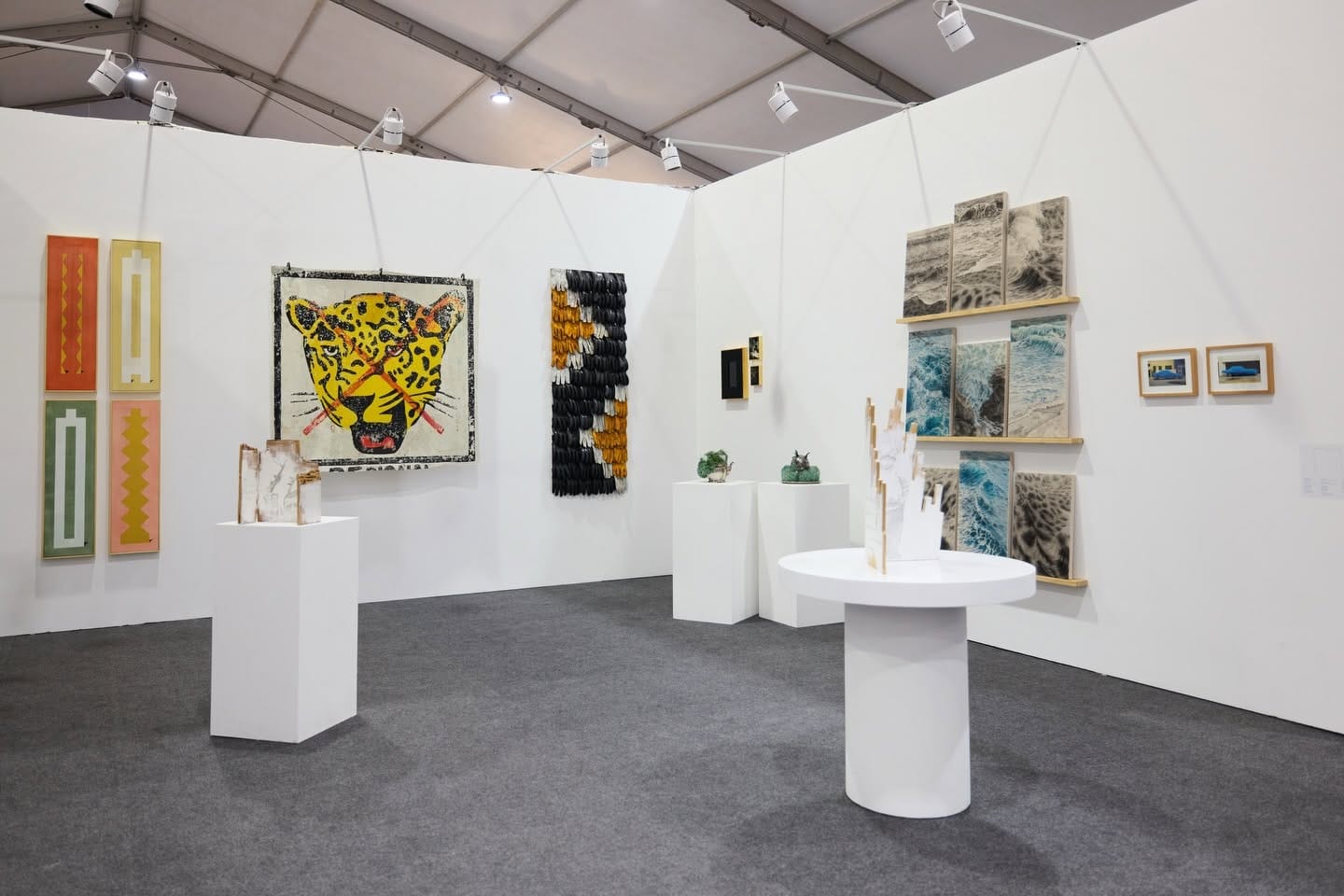
Galería del Paseo in Manantiales has been a steady and influential presence in the region's cultural life since its founding in 1998. Originally established in Montevideo's historic district, the gallery relocated to Punta del Este in 2004 and has maintained a year-round program of exhibitions dedicated to promoting Latin American artists working in contemporary creation. About 30 artists with diverse techniques — from textured oil paintings and acrylic applications to photography, carved sculptures and works in recycled materials — interconnect across a program impeccably balanced in its curatorial approach. The gallery serves as a reminder that Punta del Este's art scene is not confined to its major institutions but woven into the fabric of the community.
Nightlife and Bars
When the sun sets on Punta del Este, the energy shifts rather than dissipates. The nightlife scene operates on its own timeline. Dinner rarely begins before 10 p.m. during peak season, and the transition from restaurant to bar to club unfolds well into the early morning hours. The variety accommodates every mood, from intimate waterfront bars where the evening unfolds slowly over wine and conversation to high-energy nightclubs where the party extends well past dawn. What unites the venues is a certain self-assurance. A night in Punta del Este does not try too hard, because it does not need to.
Moby Dick
Moby Dick is in a prime waterfront spot next to the port, combining a nautical theme with design elements borrowed from Irish and English pub culture. The result is an intimate, relaxed atmosphere making it one of the most approachable and well-known bars in Punta del Este. During most of the summer, live music nights add another dimension, drawing a mixed crowd of locals and visitors who appreciate the absence of pretension. The location itself is the draw for many. Sunsets viewed from this vantage point, with the port and open ocean as a backdrop, set the tone for whatever follows.
Soho
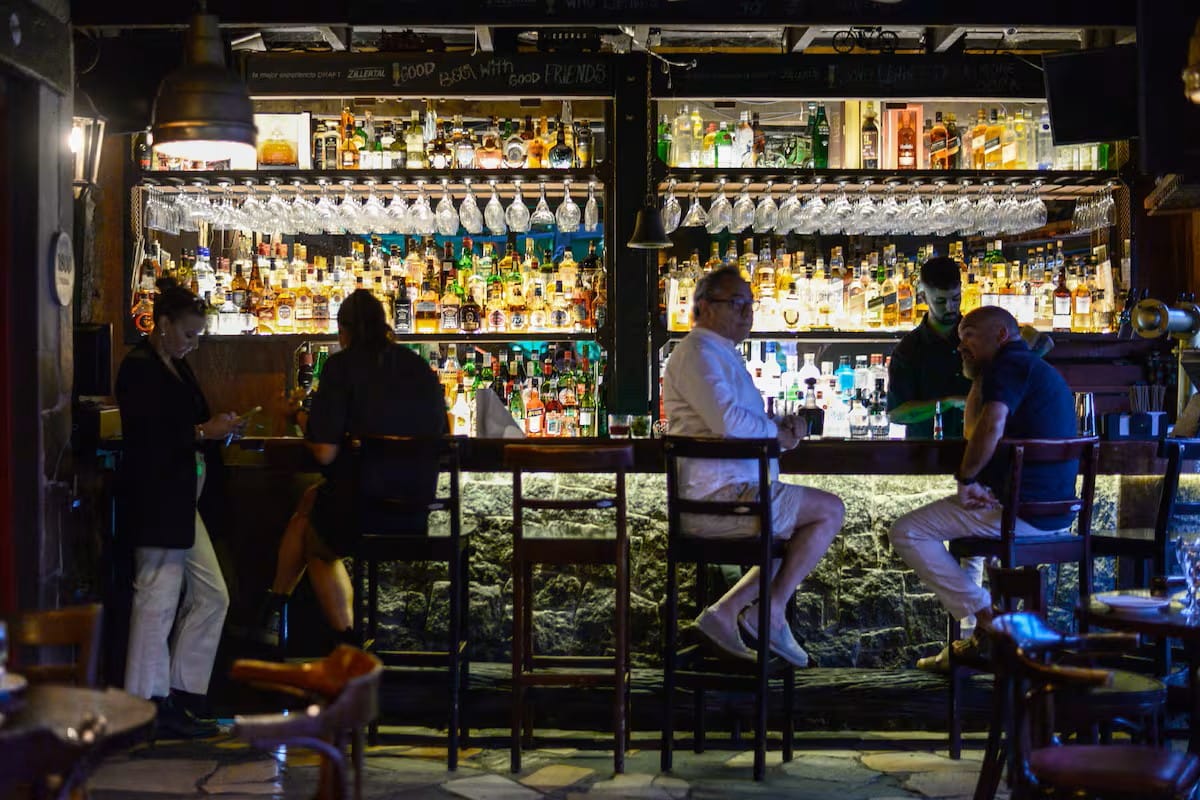
Soho caters to those who want the night to build gradually. Outdoor seating provides space for early-evening cocktails and conversation over excellent electronic and live music, while the menu holds its own as considerably more than an afterthought. As the hours progress, the atmosphere intensifies, ultimately reaching the kind of energy that keeps guests on their feet until sunrise. Cocktails are vibrant and well-crafted, matching the overall spirit of a venue that takes its role as a nightlife destination seriously without ever becoming oppressive about it.
Ocean Club
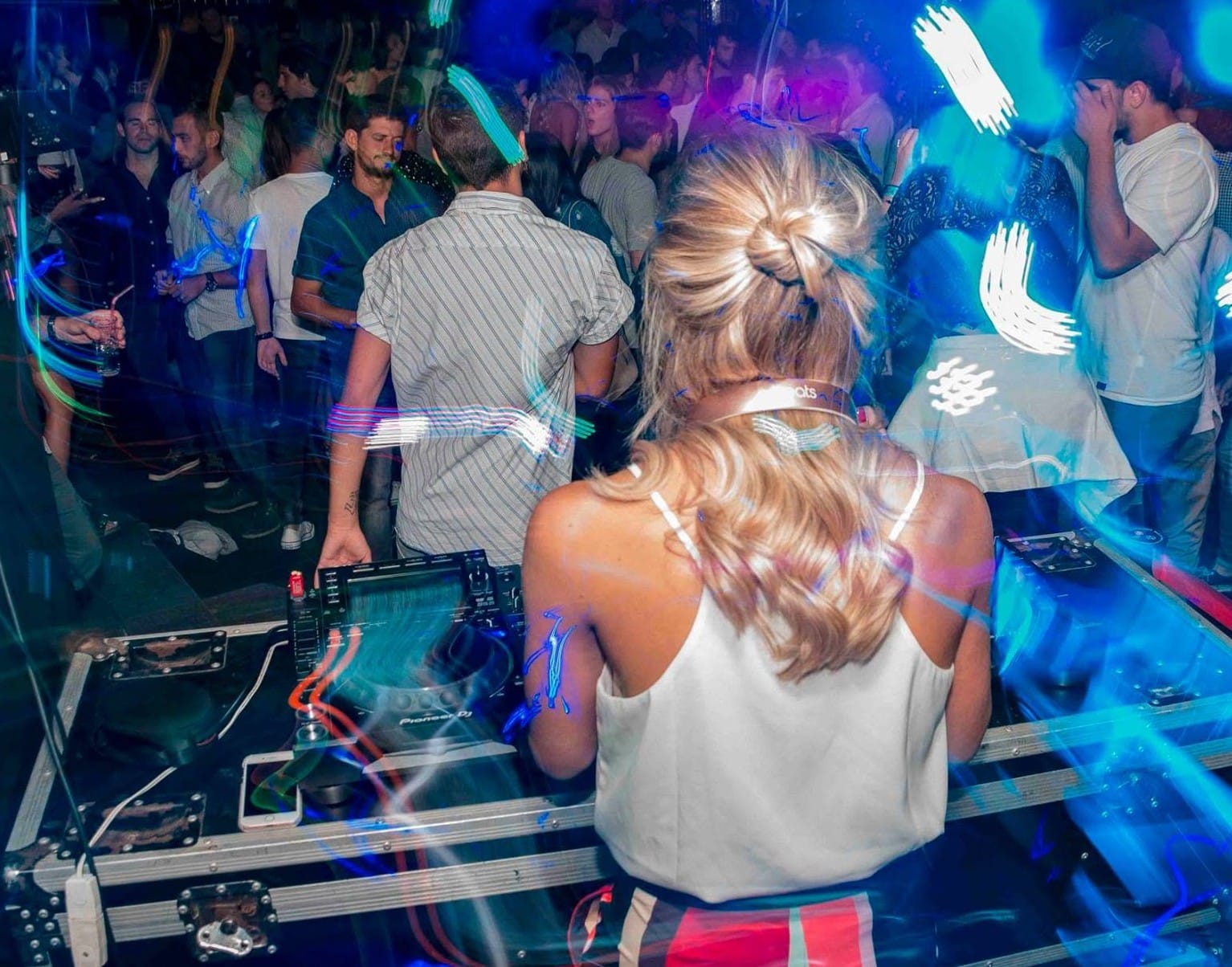
Ocean Club is one of Punta del Este's most established nightlife venues, occupying a striking location in the dunes near La Barra. The design is deliberately dramatic. A tunnel-like entrance of translucent glass opens into large rooms with teak wood floors, a long central bar finished in tufted suede and circular chandeliers catch the occasional laser ray and fog effect from the club's visual display system. The patio and adjacent beachfront become the stage for international DJs during spring and summer theme parties, drawing a crowd that is progressively upscale as the night deepens. The real energy arrives after midnight, and those who arrive before may wonder what the fuss is about, but patience is rewarded.
La Casita Resto Bar
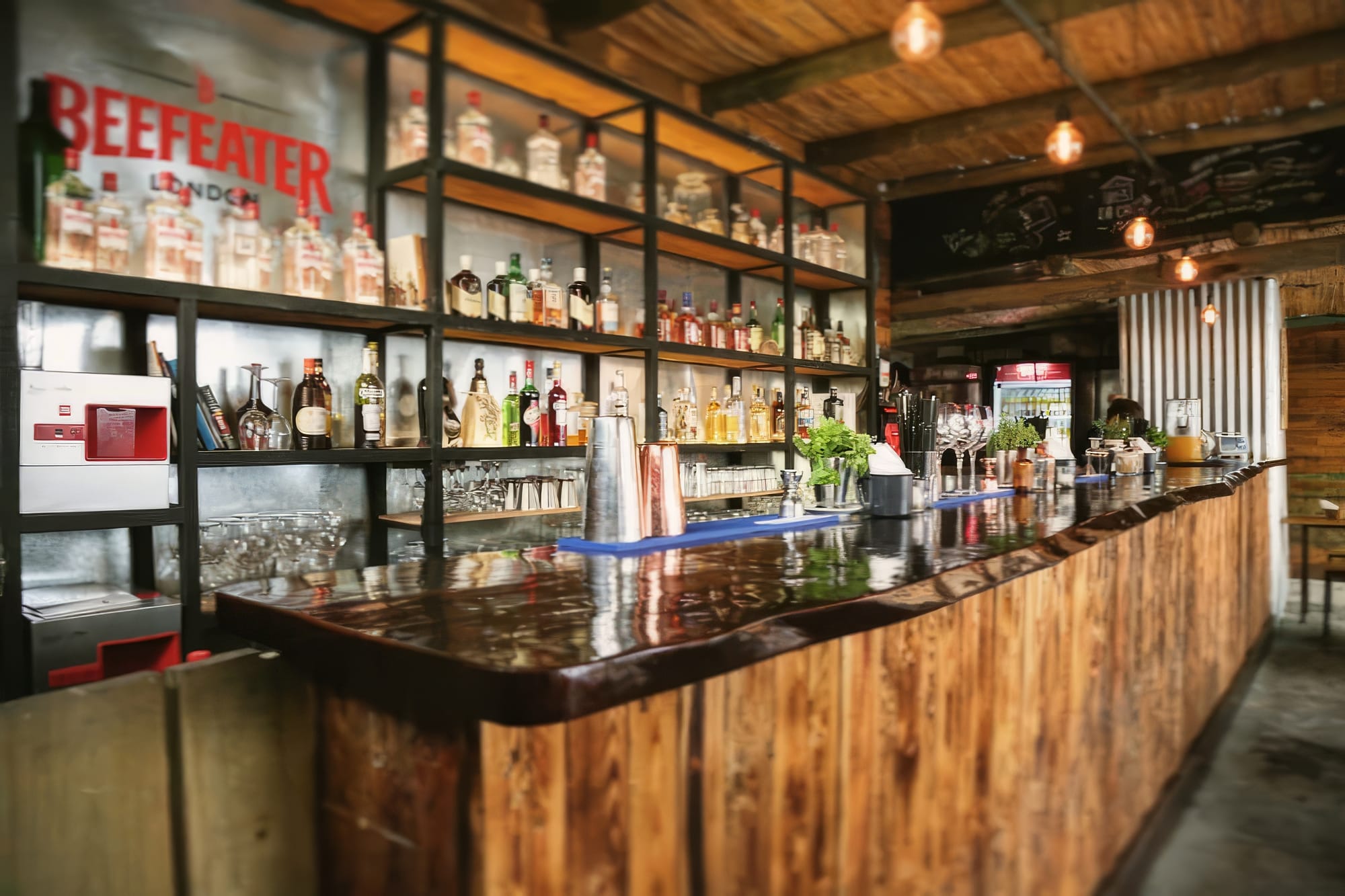
La Casita Resto Bar in Manantiales bridges dining and nightlife with a fluidity that captures the Punta del Este approach to evening entertainment. The kitchen is open until midnight and the cuisine deserves to be taken seriously after which the venue transitions into a full-fledged club where dancing continues until dawn. The cocktail selection and bottled beer variety are ample enough to sustain the journey through to morning. Like many venues in the area, La Casita operates as a seasonal bar that comes alive in summer, maintaining a casual and cozy atmosphere that is stylish without feeling like a velvet-rope establishment.
Shopping
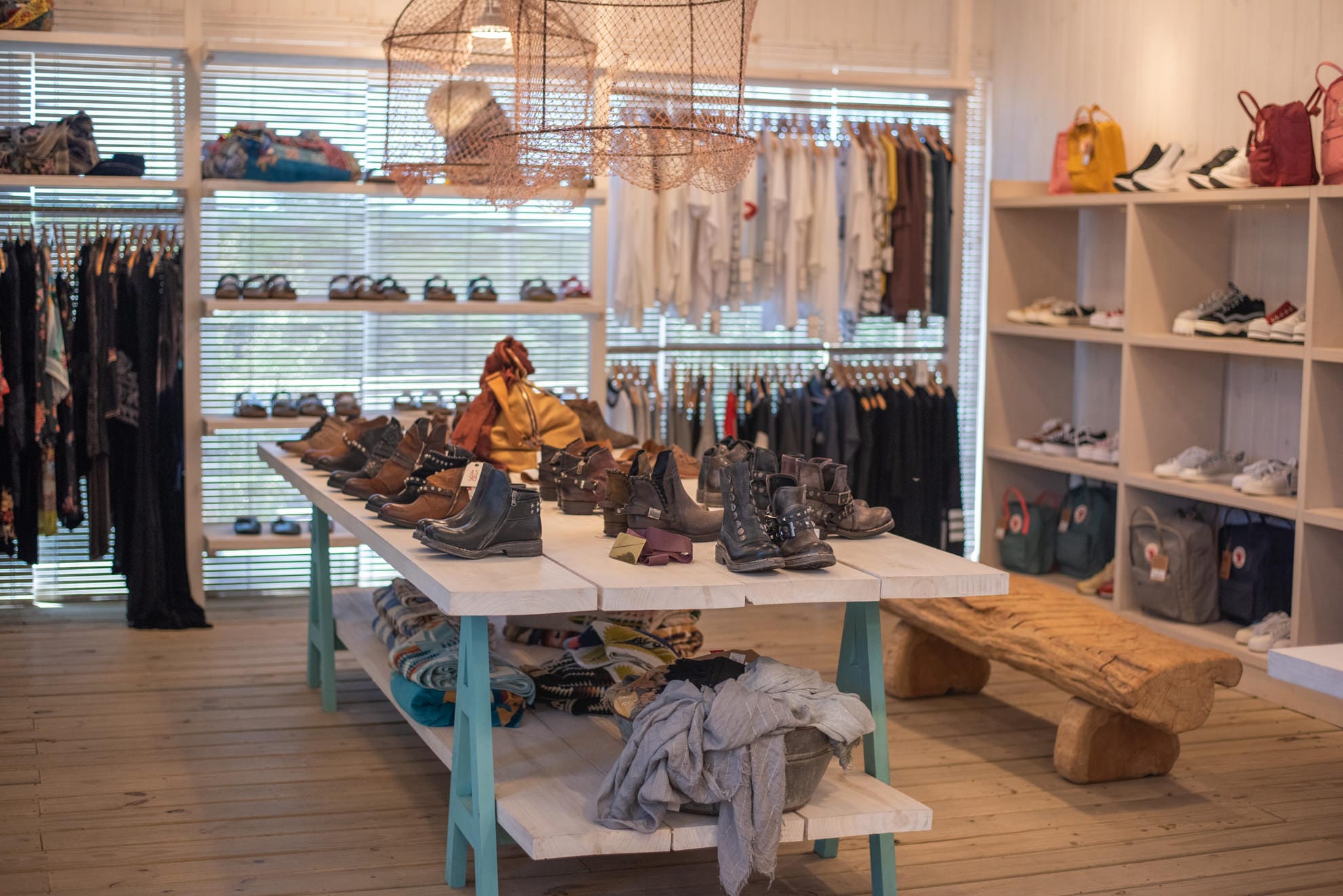
The steady arrival of international travelers and the local culture of good taste have together produced a shopping scene that balances Uruguayan identity with global luxury. Unlike shopping in larger cities, the experience here is unhurried and personal. Boutique owners know their inventory intimately, and the scale of the retail landscape rewards browsing rather than targeted acquisition. From established designers, whose partywear is coveted across the country, to independent boutiques curating emerging local labels, the retail landscape reflects the same mix of sophistication and informality that defines Punta del Este itself. Many of the most interesting stores are concentrated along two axes: the peninsula's main commercial streets and the boutique-lined roads connecting La Barra, Manantiales and José Ignacio.
Caro Criado
Caro Criado is one of Uruguay's most recognized fashion names. The designer built her reputation on extraordinary dresses coveted for weddings and formal events, but her style has evolved into more intricate and internationally influenced territory. Multiple boutiques across the country carry her work, and while the emphasis remains on partywear, the collection now includes elegant pieces suited to a broader range of occasions. They are useful for travelers who want to pack light and shop locally.
Magma
Magma in José Ignacio is a high-end multi-brand boutique with a distinctly cosmopolitan point of view. A team of stylists curates each store's collection differently, and the José Ignacio location naturally skews toward summer. The brand roster moves between Los Angeles labels and international luxury houses. Missoni and Maison Margiela sit alongside Uruguayan designers Margo Baridón and Nina Hauzer. It is the kind of shop where a single visit can yield finds that would take weeks to assemble elsewhere.
El Remanso
El Remanso, the shopping district along Avenida Gorlero and Calle 20, has earned the nickname "Little Paris" for the architectural character of its houses and shops. French-inflected facades create a distinctive backdrop for an afternoon of browsing, with restaurants and cafes interspersed among retail spaces. The concentration of shops along these two famous streets makes this the most natural destination for an extended shopping excursion.
Santas Negras
Santas Negras is at the intersection of fashion and design. This lifestyle boutique on the outskirts of town sells an eclectic range of clothing, restored mid-century furniture and stylish curiosities across two levels, with a light-filled upper floor that makes browsing particularly pleasant. More than 75% of offerings are of Uruguayan origin, giving the shop a strong sense of place and a point of difference from the international brands found elsewhere.
El Canuto
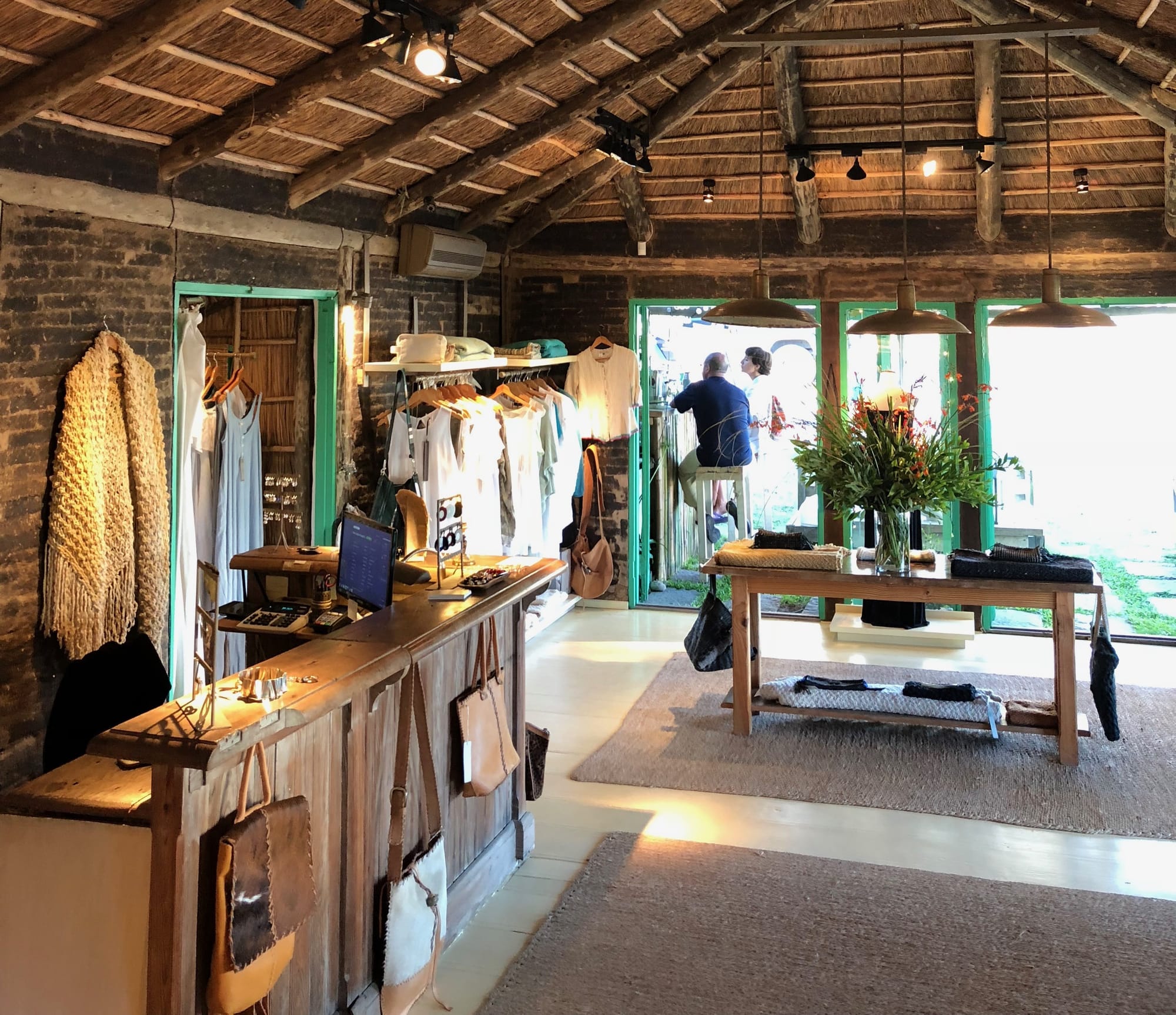
El Canuto is a small independent boutique that curates products from Uruguayan labels including Telma and Laurel. The selection spans clothing, accessories and home decor, and the store's own interior design serves as evidence that the curatorial eye extends beyond the merchandise to the experience itself.
Activities and Day Trips
Punta del Este's appeal extends well beyond the beach and the restaurant table. The surrounding region offers a range of experiences, from island excursions and vineyard adventures to adrenaline-charged aerial pursuits and gentle family outings, that reward travelers willing to explore beyond the resort. Within an hour's drive, the landscape shifts from Atlantic coastline to rolling vineyard hills to pastoral countryside dotted with historic estancias. The variety ensures even extended stays maintain a sense of discovery. Whether planning a trip to Punta del Este focused on relaxation or adventure, the region delivers awesome things in every direction.
Day Trips
Gorriti Island
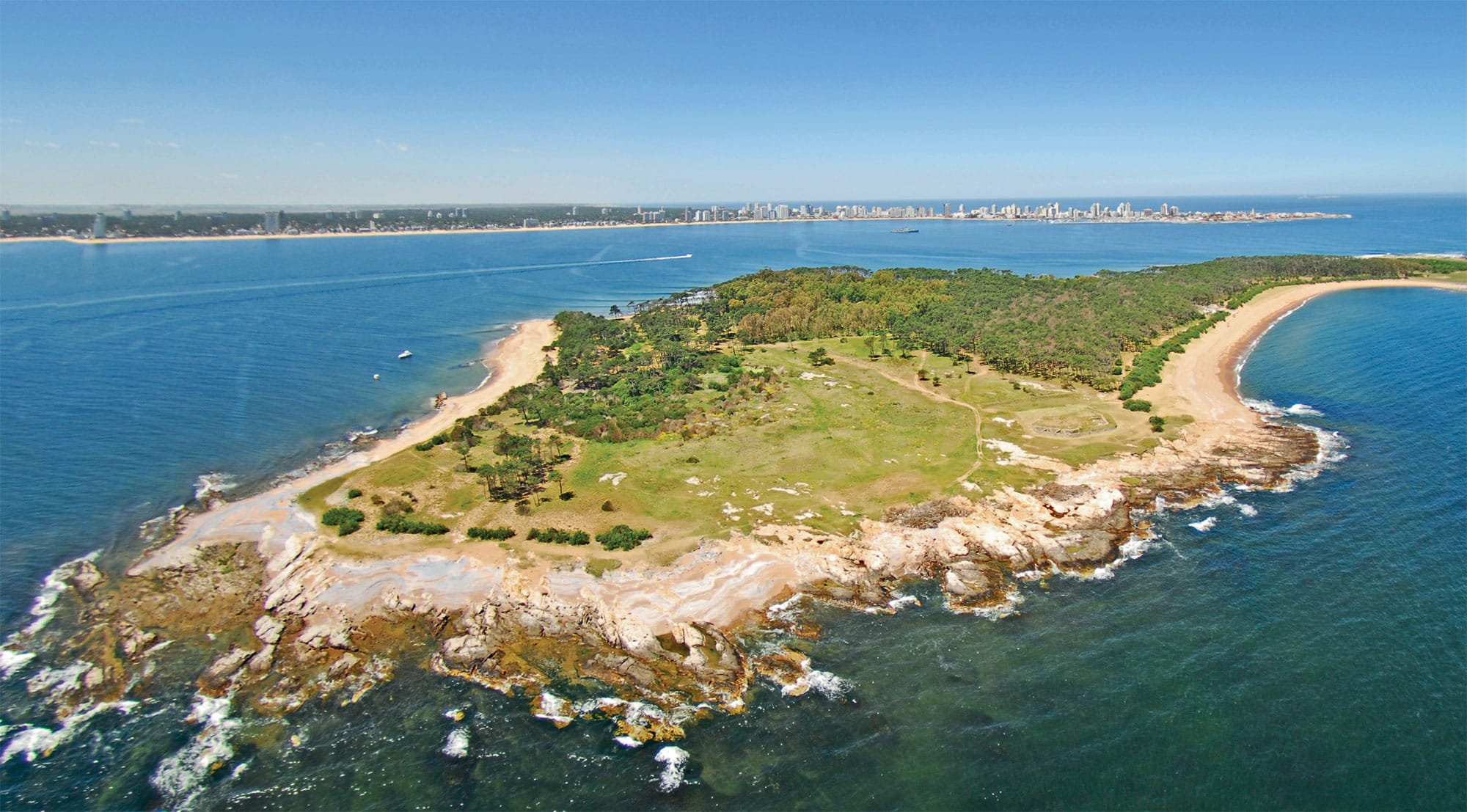
Gorriti Island is just 15 minutes by boat from Punta del Este, yet it feels worlds removed. This pedestrian-only national heritage site invites visitors into a landscape of walking trails winding through fragrant pine woodlands, opening onto the wide sands of Playa Honda. The absence of motor vehicles and commercial development creates the kind of calm that is increasingly difficult to find near a major resort, making it an ideal impromptu escapade for travelers seeking a few hours of genuine seclusion.
Isla De Lobos
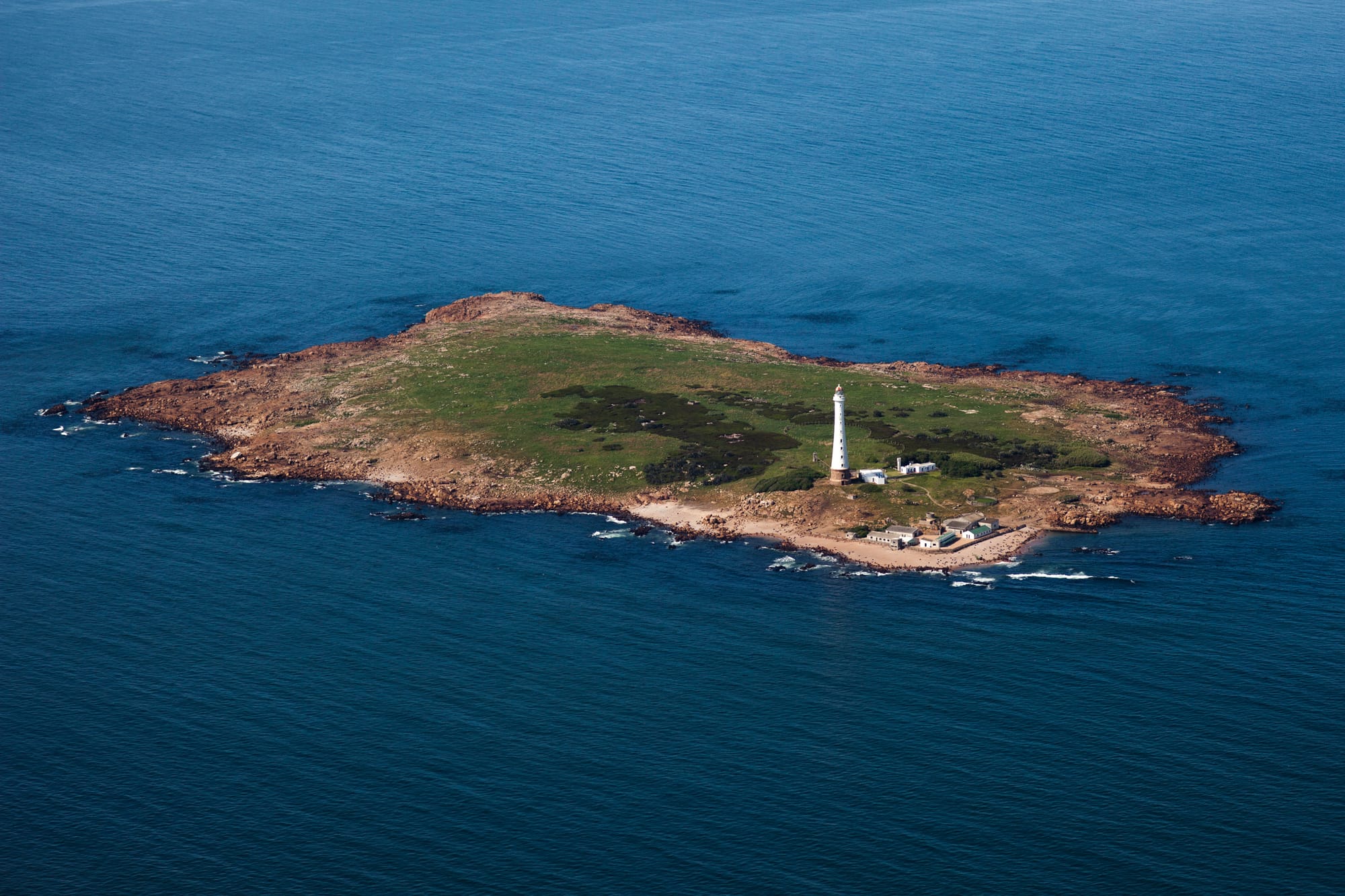
Isla de Lobos draws visitors for its pristine ecosystem and the chance to encounter wildlife at close range. This charming island is home to the largest colony of sea lions on the continent, and rocky shores offer potential sightings of southern fur seals, orcas, sea birds and southern right whales during their seasonal migration. South America's tallest lighthouse crowns the coastline. Swimmable bays provide opportunities to enter the water close to the island's native residents. This experience bridges the gap between observation and genuine encounter.
Bodega Garzón From The Air
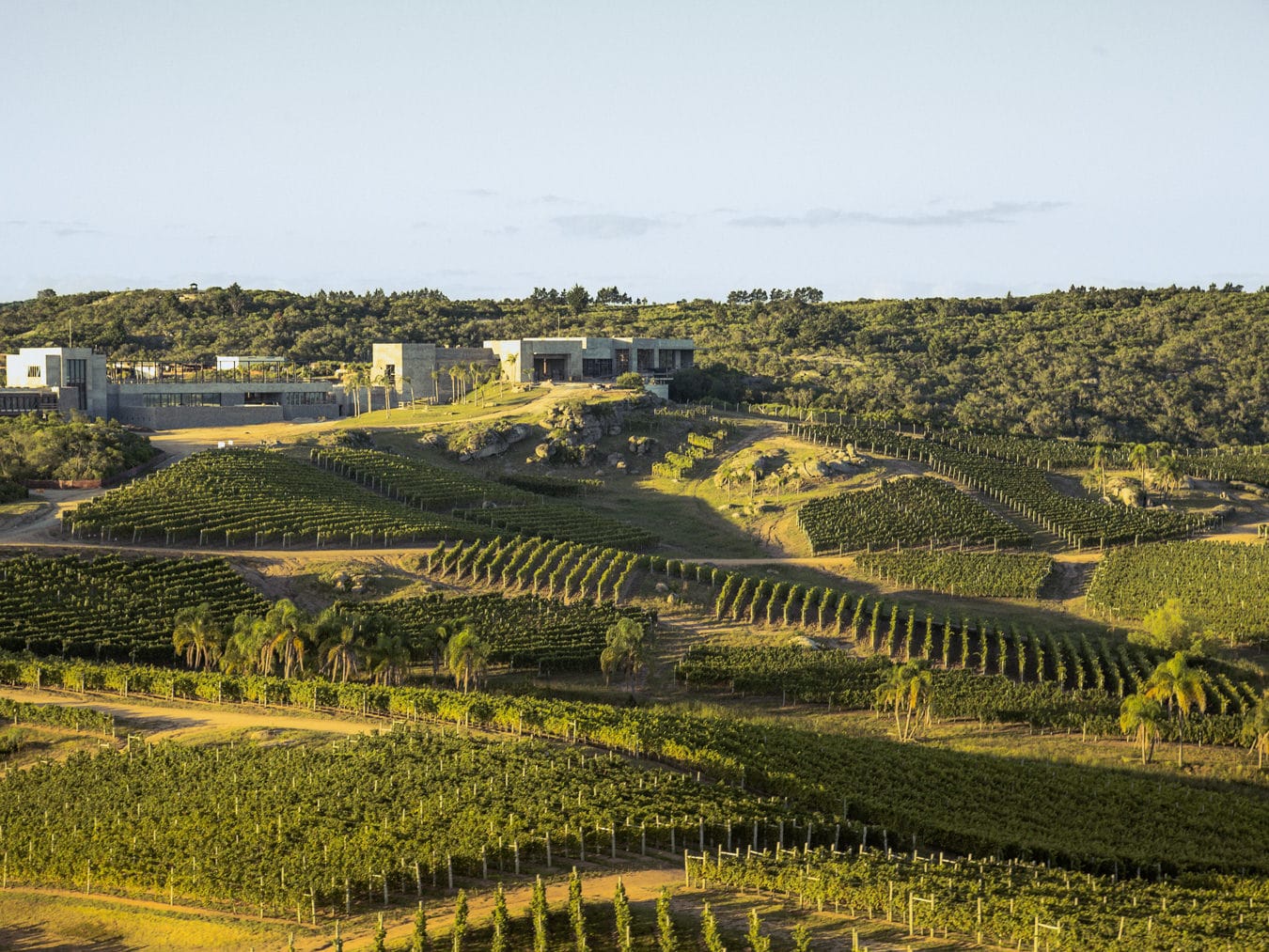
Bodega Garzón from the Air combines several pleasures into a single excursion. The experience begins with a guided visit to the olive oil factory and a tasting of the estate's acclaimed extra virgin oils, followed by a hot air balloon flight that rises 300 meters above the olive groves and vineyards. The aerial perspective reveals the full beauty of the Garzón landscape. The geometric precision of the vines, the silver shimmer of olive leaves and the coastline glinting in the distance are all memorable. The excursion concludes with a wine tasting paired with local breads and cheeses, a fitting finale that brings the experience back to earth in the most literal sense.
Biking In The Vineyards
Biking in the vineyards follows a route through the peaceful countryside of the Carmelo region, departing from the historic Cordano winery, known locally as "Almacen la Capilla." Founded in 1855 as a neighborhood grocery store and community gathering place, this atmospheric old barn surrounded by nature serves as the starting point for a ride through fields and vineyards that unfold at a pace perfectly suited to appreciation. The route passes through a small village and arrives at the Saint Roque Chapel, one of the oldest in the country and still an active venue for weddings, a detail that speaks to the enduring vitality of this landscape.
Water Activities
Fishing
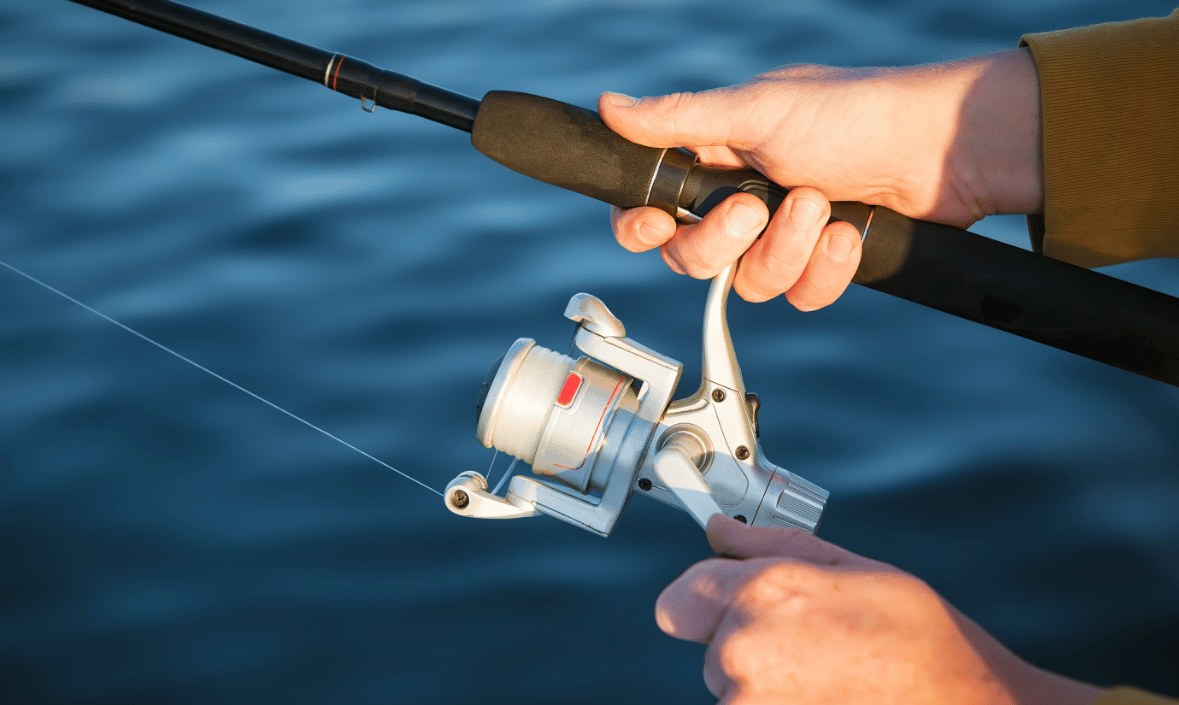
Waters surrounding Punta del Este support some of the finest saltwater fishing on the continent, a fact that often surprises visitors more familiar with Caribbean or Mediterranean circuits. Charter a boat for a full day offshore, or stay closer to land and cast a line from the port dock. Either way, marine life is abundant and varied, ranging from anchovies and mullets to bluefish, tuna and Argentine hake. For those staying in a private villa, the catch of the day can become that evening's dinner in the hands of a skilled chef.
Surfing
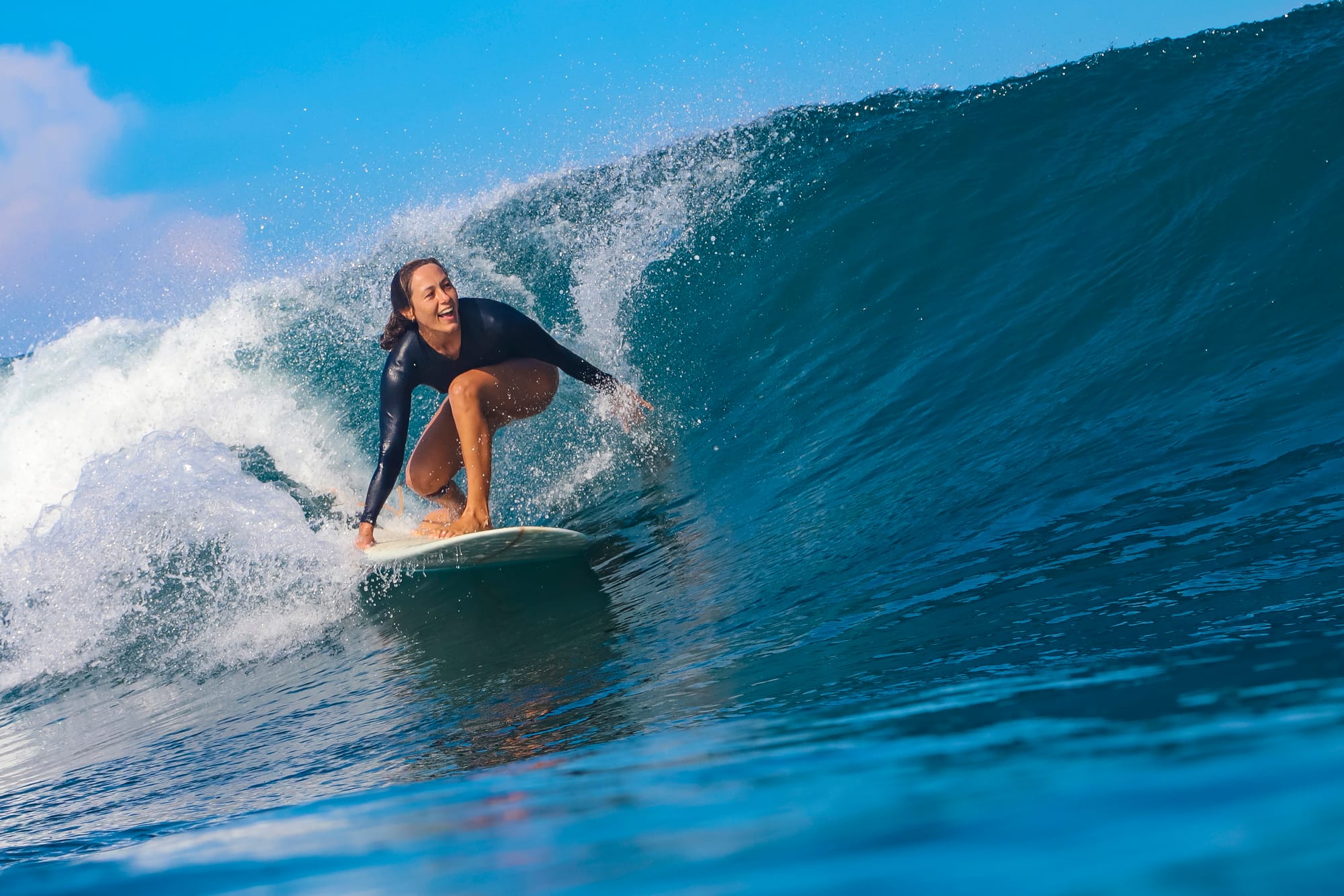
Surfing thrives along this coast, with conditions suited to every level of experience. La Olla is the preferred spot for beginners, with a surf school directly on the sand offering lessons, wetsuit rentals and board hire. Waves are forgiving here, the instruction patient. For advanced surfers, longer left-hand waves swell up to seven feet and deliver the kind of rides that have earned the region a following among South American surf enthusiasts. Additional breaks at Bikini Beach, Montoya, La Barra and La Boca offer variety for every surfer willing to explore.
Kayaking
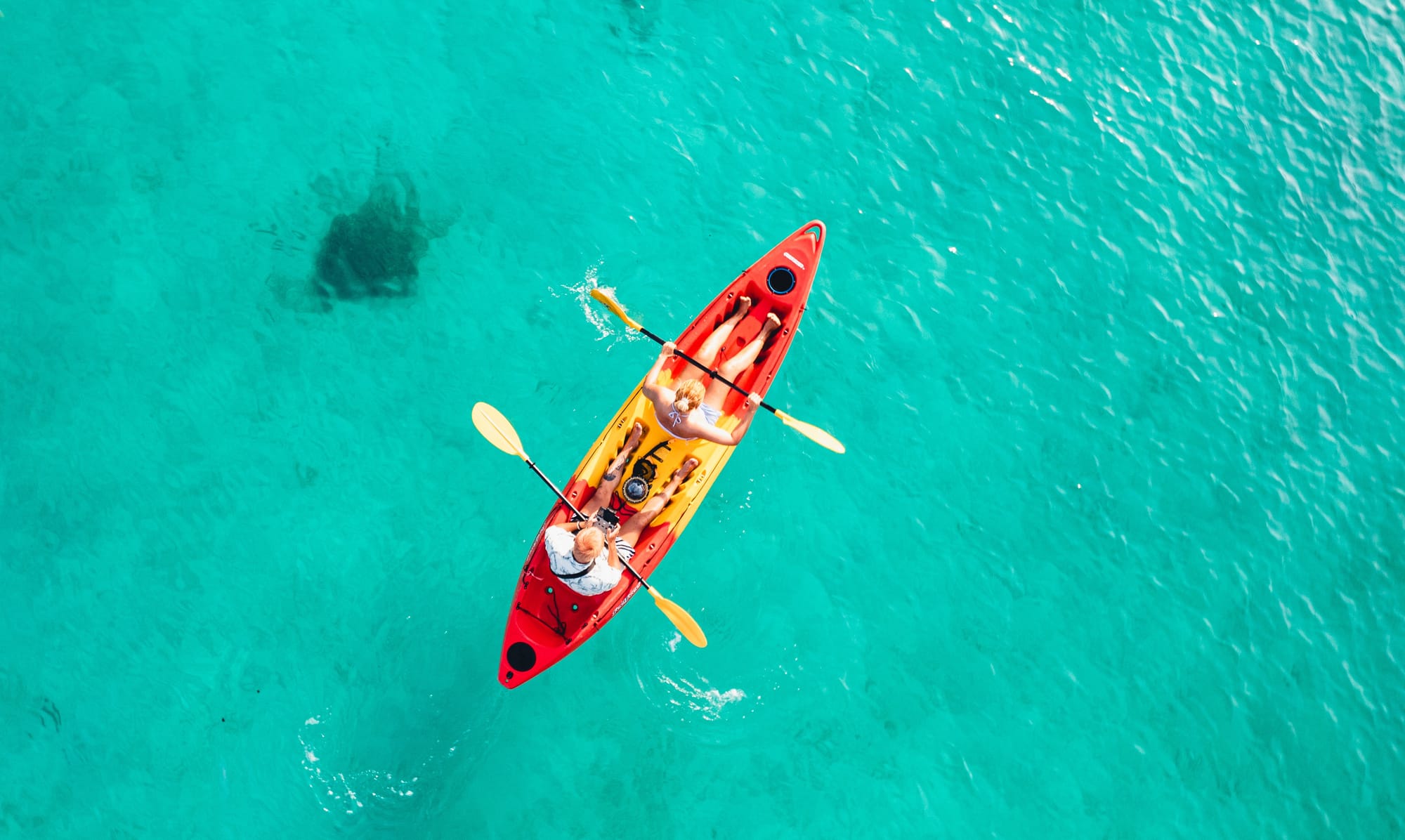
For a gentler pace on the water, kayak and birding tours on the Maldonado Stream depart from La Barra near the famous undulating bridge. Paddling upstream through a lush corridor rich with birdlife, the experience combines gentle physical activity with the meditative pleasures of observation. The tour concludes with lunch at the river club, a civilized ending to a morning on the water.
Air Adventures
Skydiving
For those drawn to altitude, tandem skydiving above the Atlantic coast delivers an adrenaline rush that few other experiences can match. Punta del Este hosts the annual Hercules Big Ways event, gathering more than 200 skydivers from across the globe for an aerial spectacle above the Uruguayan coast.
Paragliding
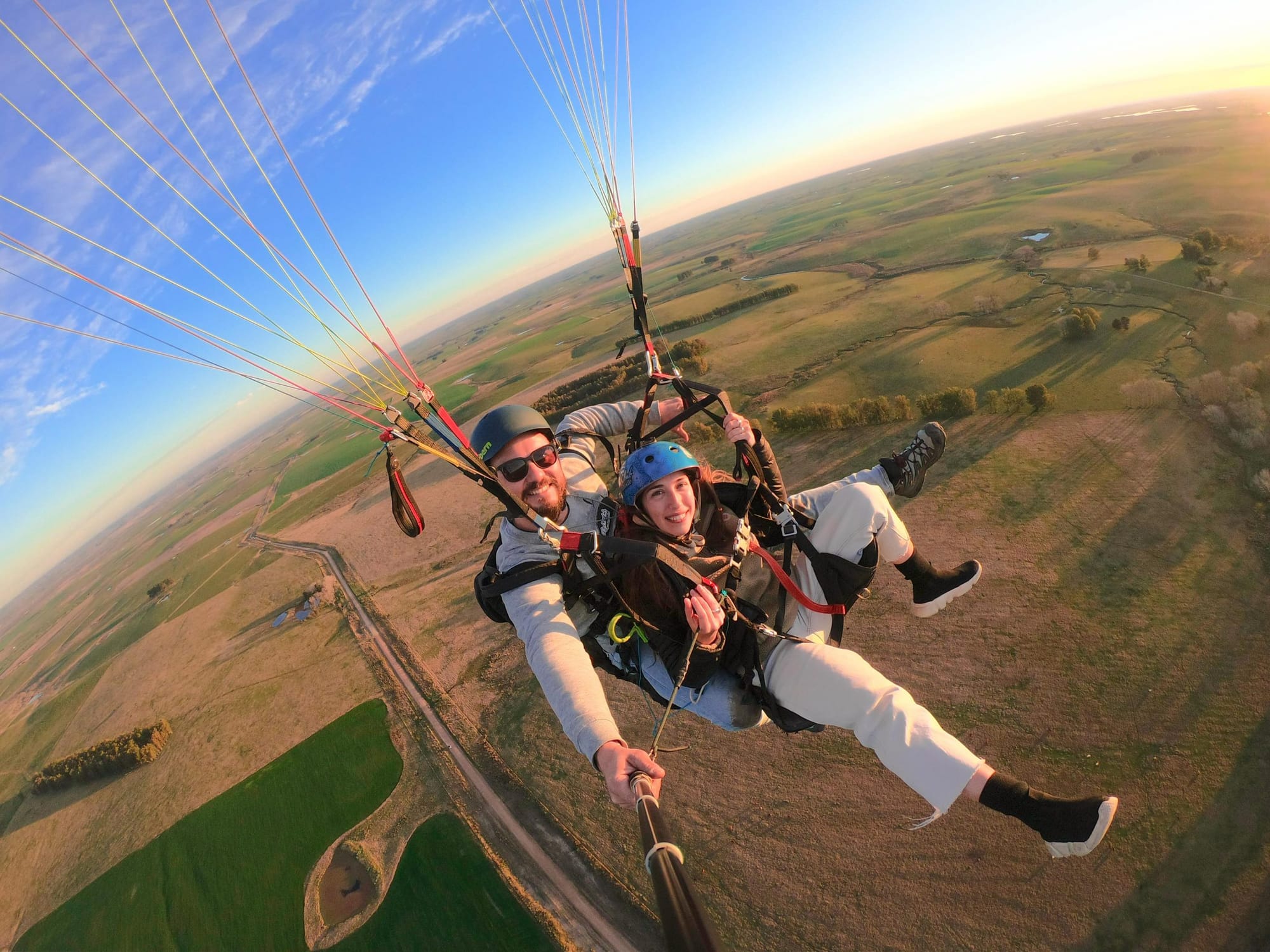
Paragliding offers a quieter but no less exhilarating alternative with foot-launched flights over the South Atlantic landscape providing a bird's-eye perspective that reveals the full scope of the coastline's beauty.
Family Activities
Punta del Este welcomes families with a thoughtful range of activities designed for younger guests. Arboretum Lussich is one of the world's most diverse forest reserves of imported species, offering hiking and cycling through a magical natural environment. The reserve contains both the Arboretum Lussich Museum and the Casa Grande del Bosque, with an interactive multimedia program exploring the estate's history.
A boat trip to observe the sea lions ranks among the most memorable family experiences available. Forty minutes from the Punta del Este port, one of the world's largest sea lion reserves provides close-range viewing from the boat. This is an encounter that captivates children and adults alike.
Museo Del Mar
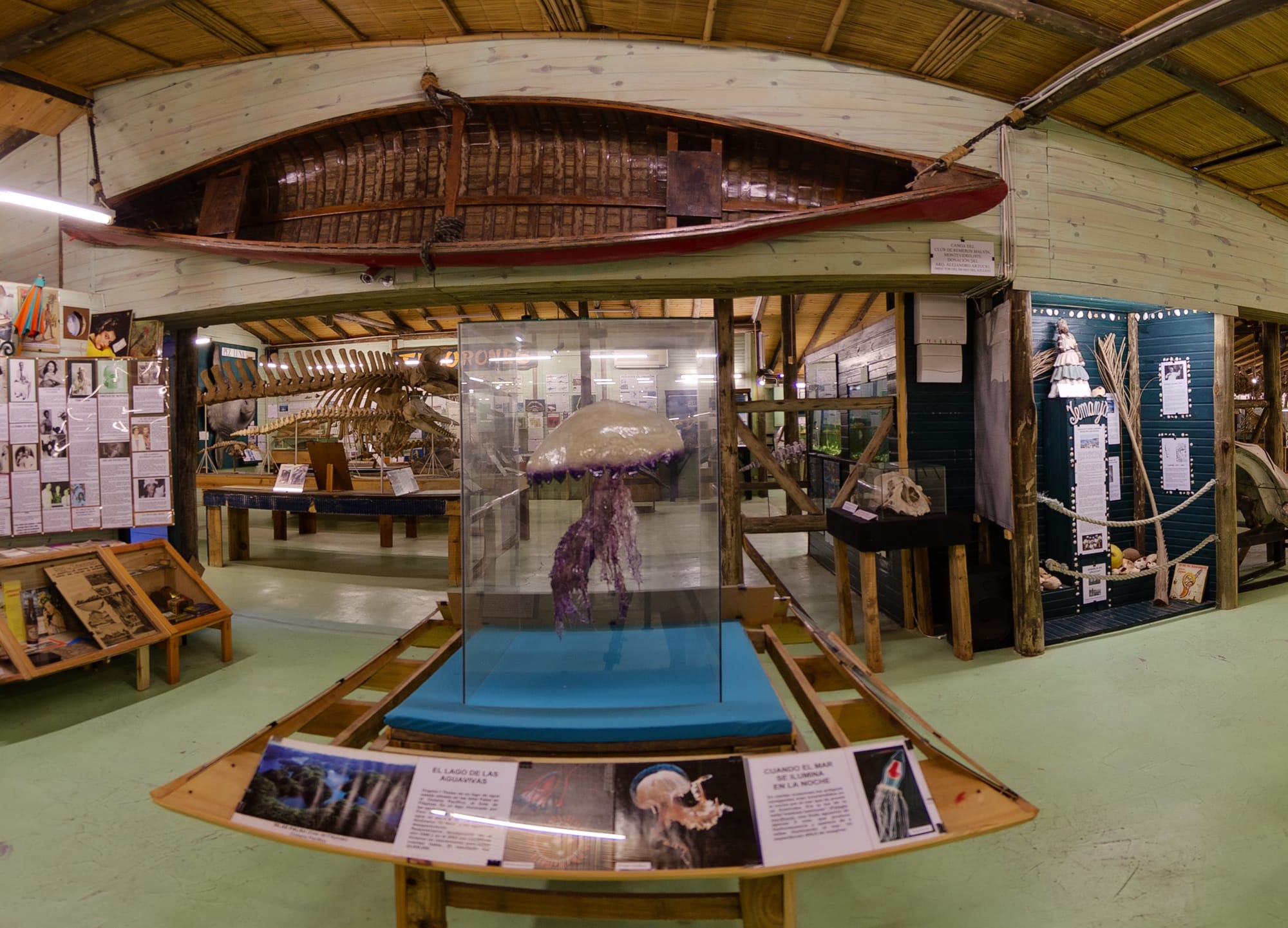
Museo del Mar delights younger visitors with its collection of 8,000 snails, whales, starfish and seahorses. Stories of treasures, buccaneers and corsairs bring the maritime world to life, and the museum houses the world's largest mussel, a claim that tends to impress visitors of all ages.
Tour Tambo El Sosiego
Tour Tambo El Sosiego offers a hands-on agricultural experience at the dairy farm that produces the famous Lapataia-brand dulce de leche. Located 12 miles from central Punta del Este, the tour walks visitors through the production process before children get the chance to milk cows, feed baby goats and calves, ride ponies and enjoy dulce de leche pancakes. The farm is open seven days a week and easily accessible by car.
Landmarks
Every destination carries symbols that define its identity in the collective imagination. These are the images that appear when the name is spoken, must-see places visitors seek out first and return to last. Punta del Este has two landmarks that have achieved recognition far beyond Uruguay's borders, each representing a different facet of the destination's character.
The Hand Sculpture
The Hand Sculpture, known universally as "La Mano" or Los Dedos, is perhaps Uruguay's single most recognizable landmark and one of the most photographed sculptures in South America. Created by Chilean artist Mario Irarrázabal and completed in February 1982, the work depicts enormous fingers emerging from the sand of Playa Brava in a gesture that is at once arresting, playful and slightly unsettling. Fingers rise high enough to be visible from a considerable distance along the beach, creating a surreal interruption in the otherwise natural shoreline. The artist's original inspiration was a visual warning to swimmers about the rougher currents at La Barra further up the beach, as opposed to the calmer waters at Solanas in the opposite direction. Over the more than four decades since its installation, the sculpture has transcended its functional origins to become the defining symbol of Punta del Este, drawing visitors throughout the year and generating the kind of instant recognition most destinations spend fortunes trying to manufacture. At sunrise and sunset, when the light catches the fingers at oblique angles and the beach is at its most photogenic, "La Mano" achieves a quality that moves beyond landmark into something closer to art that has earned its place in the landscape.
Catedral De San Fernando
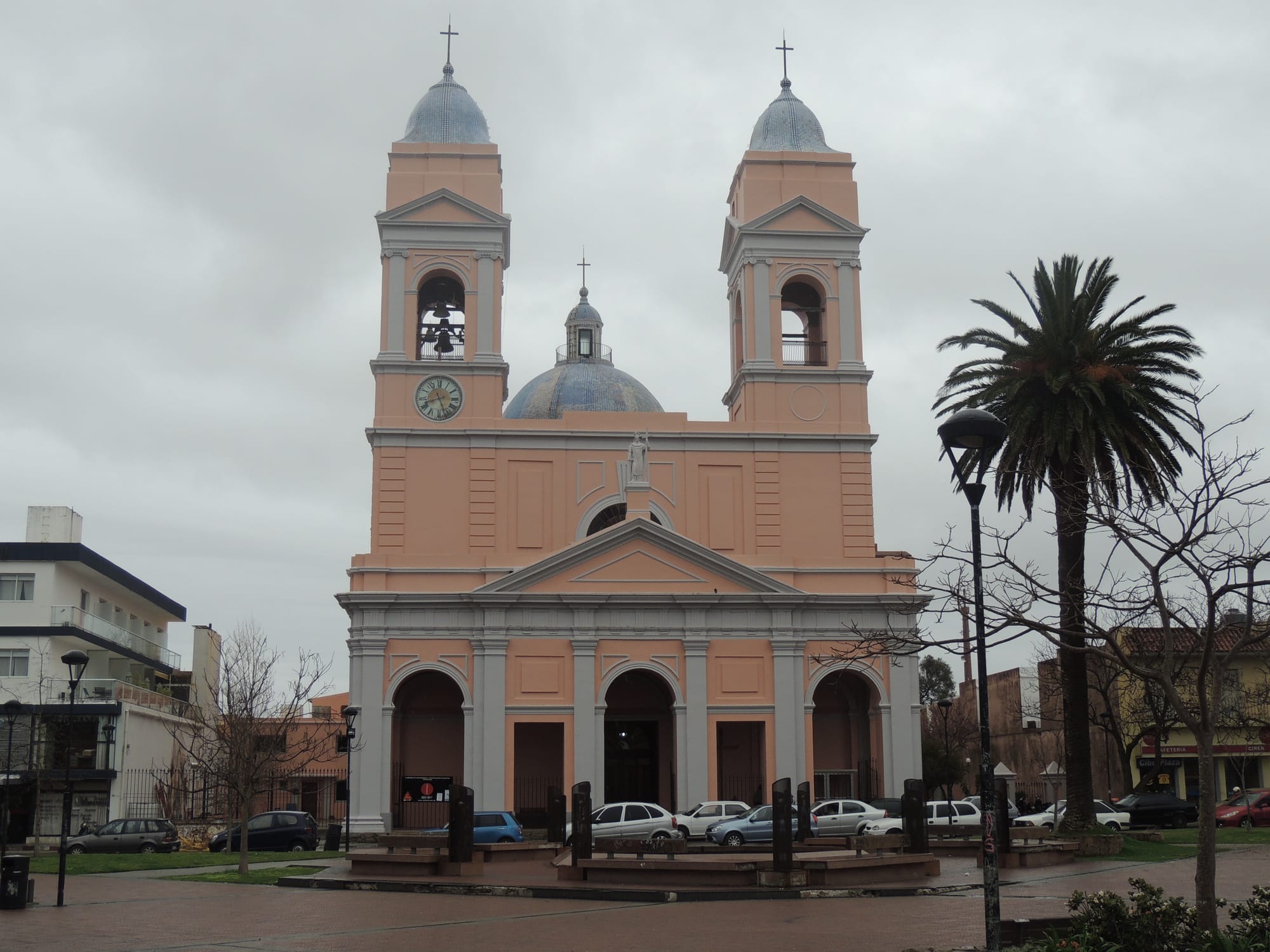
Catedral de San Fernando in Maldonado provides a different kind of landmark experience rooted in centuries of history rather than contemporary art. This neoclassical cathedral brings beauty and gravitas to the historic center of the city, serving as a reminder that the region's story extends far deeper than the modern resort era. Construction began in 1801 but was suspended by the English invasions of 1806, and the disruptions of the period delayed completion by nearly a century — a timeline that itself tells a story of colonial ambition, geopolitical upheaval and eventual perseverance. The cathedral's structure consists of a main nave flanked by two bell towers and crowned with a central dome, with two smaller buildings extending from the sides and back to form a cross shape. The magnificent main altar, crafted by the artist Antonio Veiga, won recognition at the continental exhibition held in Buenos Aires in 1882, a period when the region's artistic and architectural ambitions were reaching new heights. Nearby, the Ermita Virgen de la Candelaria, a charming blue church near Punta de las Salinas, adds another layer of historical charm to the area. For visitors interested in the deeper history of this coast, layers beneath the beach clubs and boutiques, these landmarks provide a compelling and rewarding visit.
Events and Festivals
Punta del Este's cultural calendar punctuates the year with celebrations that draw participants from across Uruguay and beyond. These events do more than fill the social calendar, hey reveal dimensions of the destination's character that daily life alone might not expose. Three events stand apart for their scale, their character and the way they connect visitors to the broader Uruguayan culture.
Night Of Nostalgia
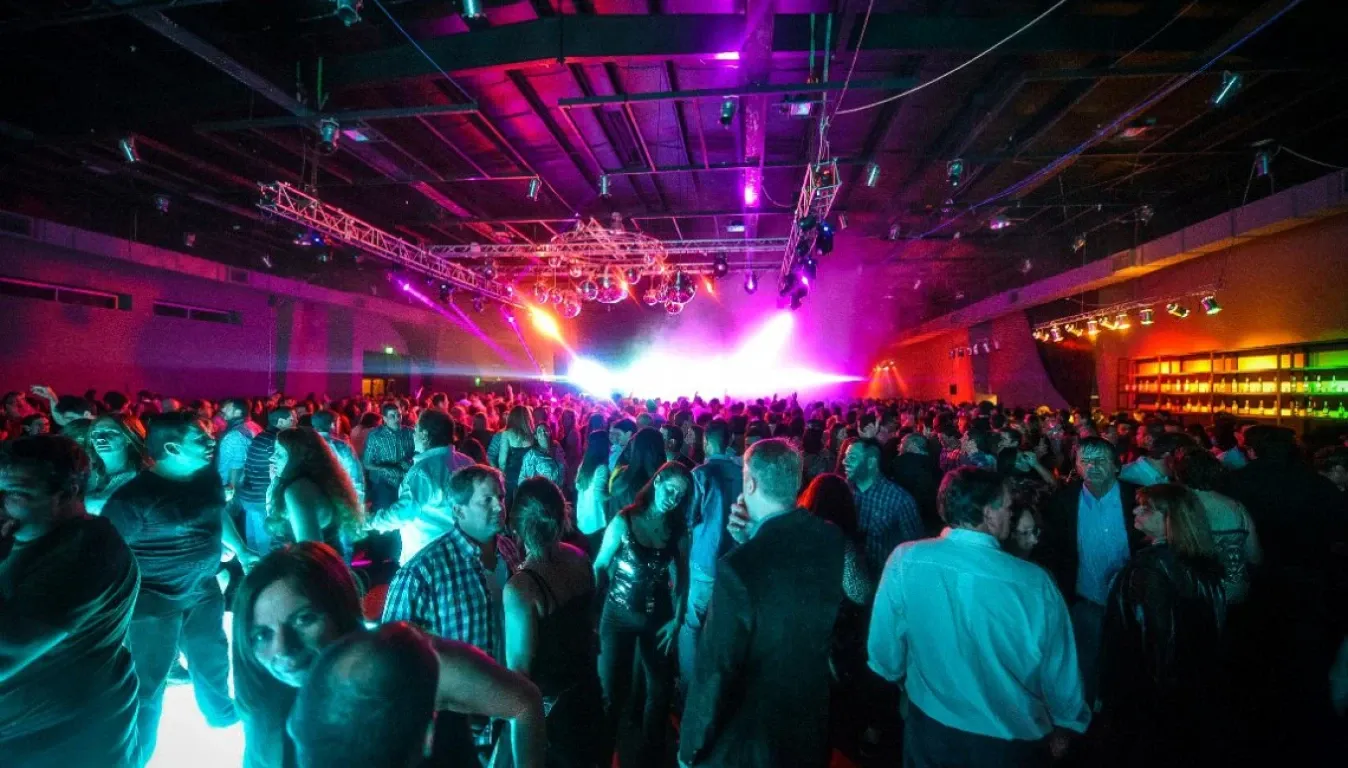
Night of Nostalgia is one of the country's largest annual parties, a celebration that transforms the entire destination into a dance floor dedicated to the music of decades past. Held in August during what would otherwise be the quiet off-season, the event has become a cultural institution that transcends geography and generation. Restaurants, hotels, casinos, nightclubs, ballrooms and even gyms host themed parties featuring dinner, beverages, DJ tributes and video screens playing clips from the Bee Gees, Creedence Clearwater Revival, Queen, ABBA and the Village People. The atmosphere is joyful and unifying, a collective embrace of nostalgia that brings Uruguayans and visitors together in a way few planned events manage. For travelers visiting during the winter, Night of Nostalgia alone justifies the timing.
Punta Del Este Food And Wine Festival
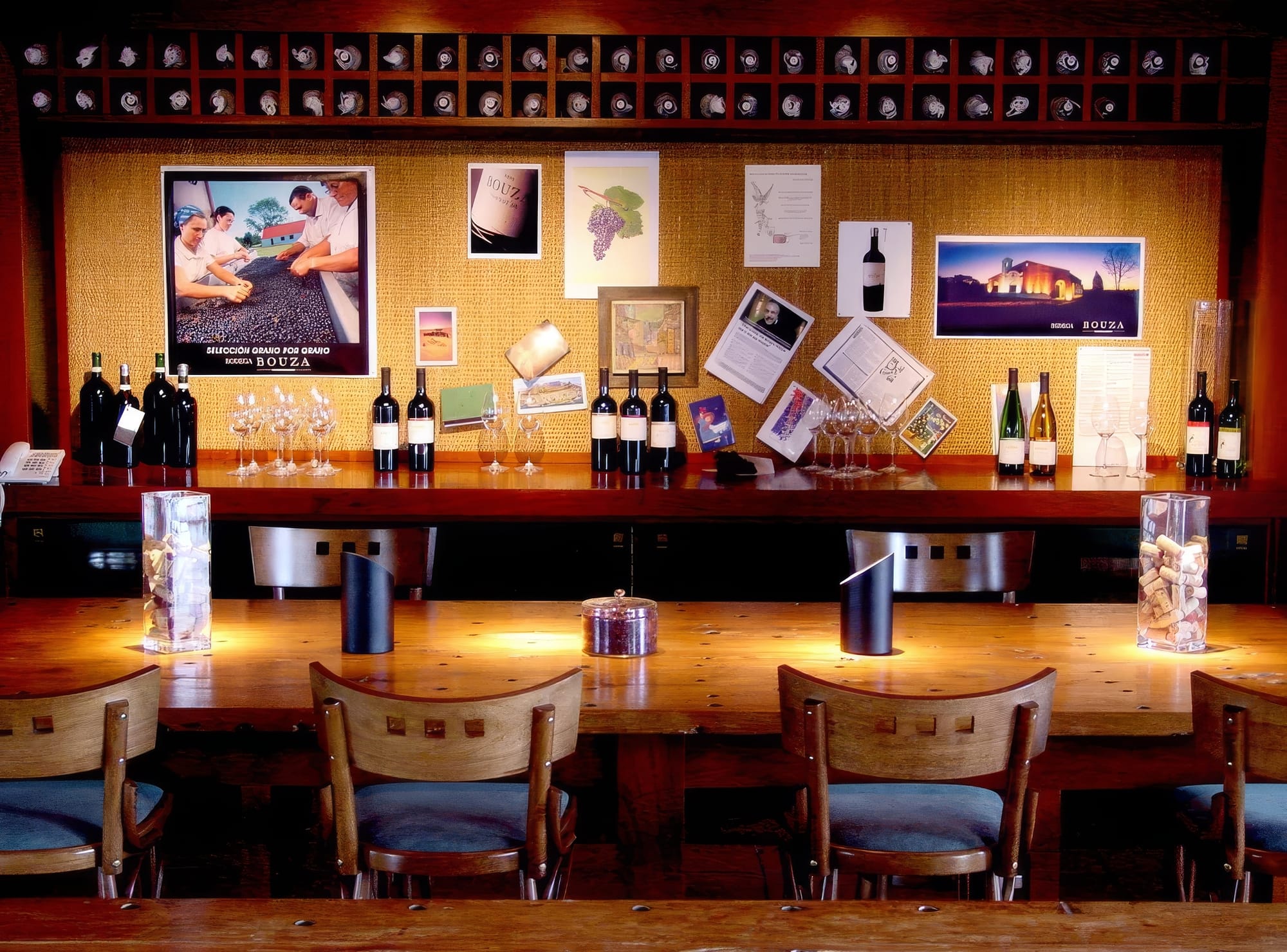
Punta del Este Food and Wine Festival brings together celebrated chefs from Uruguay, Spain, Brazil, Argentina and the United States for a multi-day celebration held annually between October and November. The timing coincides perfectly with the spring shoulder season. Events take place across various hotels and venues throughout the region, with each highlighting Uruguay's local ingredients such as grass-fed beef, Atlantic seafood, artisanal cheeses paired with the country's increasingly acclaimed wines. The Tannat grape, Uruguay's signature varietal, features prominently alongside international selections. Entertainment performances and concerts round out a festival that satisfies the most demanding palates while providing an introduction to a wine region that remains underappreciated on the global stage.
Punta Del Este International Film Festival
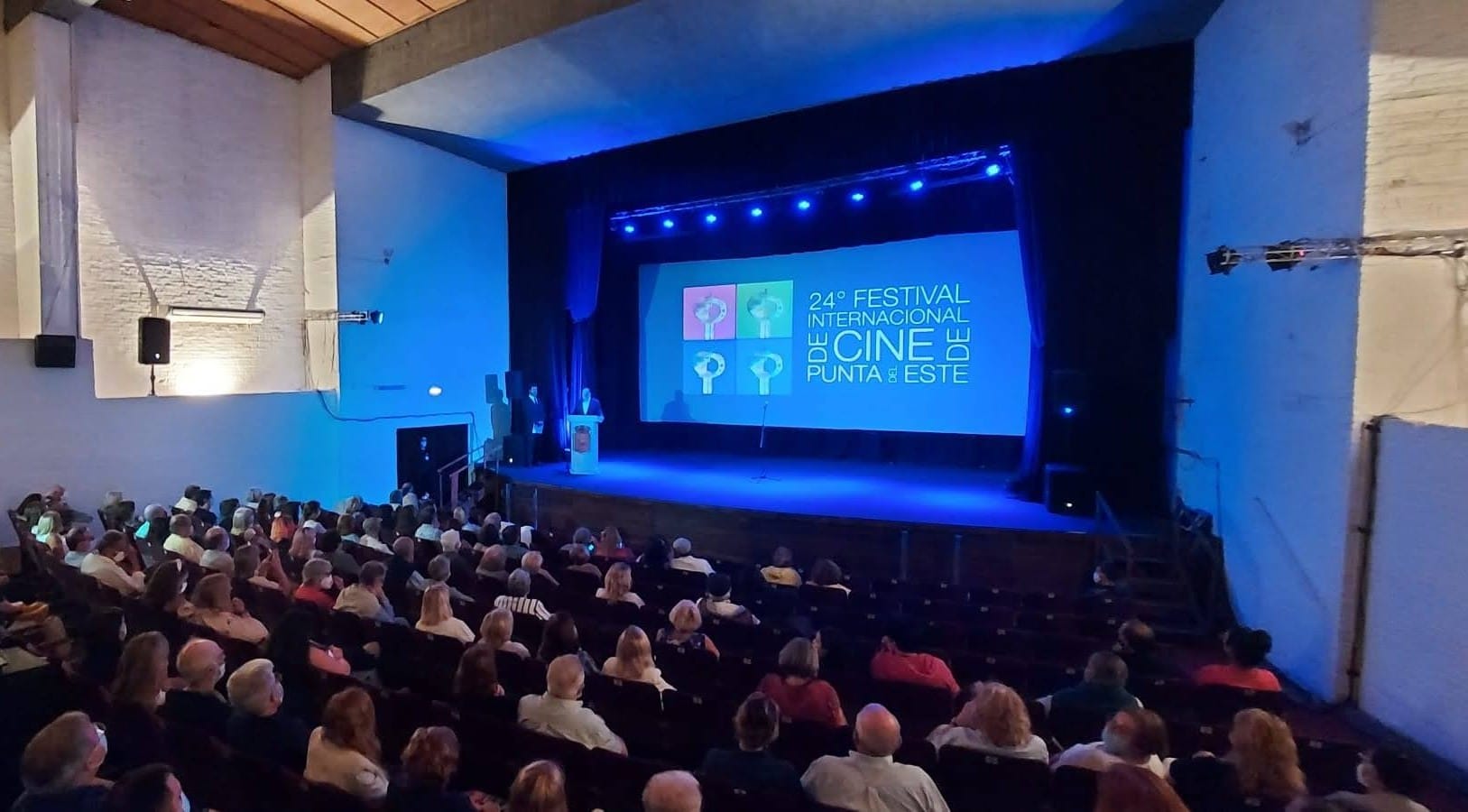
Punta del Este International Film Festival, known in Spanish as the Festival Internacional de Cine de Punta del Este, is Uruguay's most important film festival and one of the principal events of its kind in Latin America. Programming spans short and feature-length works across fiction, documentary and experimental categories, with both regional and international selections receiving consideration. Prizes are awarded by jury, critics and the public through separate voting processes, lending the festival a democratic quality that distinguishes it from more insular industry events. The festival provides a valuable platform for discussion of regional film projects and mutual interests, and its presence reinforces Punta del Este's identity as a destination with cultural ambitions that extend well beyond the beach.
In-Villa Luxury Services
The privacy of a luxury villa becomes truly transformative when paired with a comprehensive suite of in-home services. Rather than adapting to a hotel's schedule and offerings, the villa experience allows every element, from the morning's first coffee to a midnight cocktail, to be shaped around personal preferences and rhythms. The distinction is not merely logistical but experiential. The villa becomes a destination within the destination, a private world calibrated to the tastes and pace of its guests.
The culinary program anchors the in-villa experience. Professional chefs trained across international cuisines can bring a full-service approach to the villa kitchen, handling everything from intimate private dinners to multi-course events for larger gatherings. Prepped meal delivery can accommodate days when exploration takes priority over formal dining. Health-conscious diets, specific cultural cuisines and particular dietary requirements can all be addressed with the same level of care and creativity. The quality rivals the finest restaurants in the region with the added advantage of bare feet, familiar surroundings and the freedom to set one's own timeline.
Complementing the chef, experienced mixologists can craft cocktails using seasonal ingredients, freshly squeezed citrus, house-made syrups and premium spirits. The range is impressive: molecular mixology for those drawn to the experimental, artisanal cocktails rooted in South American traditions, prohibition-era classics for purists and health-inspired creations for those maintaining balance during their stay. Full-service bartenders can manage the drink station for celebrations, birthdays, anniversaries and family gatherings, handling setup, service and cleanup so hosts remain with guests at their own events.
Spa and wellness offerings can bring the full breadth of personal care into the villa setting. Certified massage therapists can begin each session with a conversation to understand individual needs, then draw from therapeutic, sports, prenatal and four-hand techniques accordingly. Nail technicians, hair stylists, beauty professionals and barbers can all operate in-home with professional-grade products and sanitized equipment, allowing guests to prepare for Punta del Este's dining and cocktail scene without leaving the property. Luxury lies in the unhurried quality of the experience, with each appointment unfolding at a pace that hotels rarely permit.
Fitness and wellness extend the theme of personalization into physical wellbeing. Private tennis instruction with top-rated professionals can address technique at every level. Certified personal trainers can offer programs spanning bootcamp and boxing through to water exercise and core conditioning. Pilates instructors can design sessions in classical, mat, contemporary and clinical styles for individuals or groups. Yoga instruction ranges from vinyasa and hatha to power and restorative practices, with prenatal options available. All sessions take place within the villa grounds, eliminating the friction of schedules and commutes that can diminish the value of a vacation wellness routine.
For families, CPR and AED-certified nanny services can provide genuine peace of mind. Trained caregivers can create safe and stimulating environments adapted to the ages and interests of the children, incorporating indoor and outdoor play, educational activities and age-appropriate care that allows parents to enjoy the adult experiences Punta del Este offers without concern. Professional photographers and drone photographers can round out the service portfolio, capturing vacation moments from ground level and above creating records that do justice to the experience long after the return home.

Elevate Your Wellness Experience
Bring world-class spa experience directly to your villa in Punta del Este
LVH In-home Spa ServicesGetting There
Arriving in Punta del Este is straightforward, whether by private or commercial aviation. Punta del Este International Airport (ICAO code SULS) is the primary gateway for private aviation in the region, with two runways suitable for all categories of private jet operations. The airport is 14 kilometers northwest of Maldonado, about 20 minutes from downtown Punta del Este by road. Ground handling and customs services are accustomed to high-net-worth arrivals, and the process is notably efficient.
For travelers arriving commercially, Punta del Este connects to major North American cities through the aviation hubs of Buenos Aires and Sao Paulo. Flight times from Miami are about nine hours and 40 minutes, from New York about 11 hours and 12 minutes and from Los Angeles roughly 13 hours. Montevideo's Carrasco International Airport, about 90 minutes west by road, provides additional routing options and handles the majority of international commercial traffic serving the region. Travelers arriving through Montevideo can arrange a day trip from Montevideo to Punta del Este with a private chauffeur, or reach the resort via the Tres Cruces terminal in Montevideo, where regular bus service connects the two cities. For visitors seeking a seamless luxury experience, private transfer is the preferred option. Those combining destinations may also consider Colonia del Sacramento, the UNESCO-listed colonial town across the river from Buenos Aires, as part of a broader trip to Uruguay. Accommodation options in the region range from hostels in the town center to luxury villas along the coast, though for discerning travelers the private villa experience is without comparison.
Upon arrival, a fleet of luxury vehicles and English-speaking, professionally licensed chauffeurs ensures seamless ground transportation throughout the stay. The vehicle selection accommodates different needs and group sizes. The Mercedes-Benz E200 provides refined comfort for couples and smaller parties, combining elegant interior appointments with class-leading safety systems. The Land Rover Defender handles the region's varied terrain with authority, an ideal companion for travelers whose itineraries include vineyard excursions or off-road coastal exploration. The Mercedes V-Class seats up to seven adults in exceptional comfort, making it the natural choice for families or larger groups traveling together. The Toyota Prado TXL balances urban sophistication with genuine off-road capability for travelers who want a single vehicle suited to every scenario. From airport pickup to late-night restaurant transfers, the chauffeur service operates on-call throughout the vacation, delivering punctuality and discretion as standard.
Frequently Asked Questions
What are the best things to do in Punta del Este?
The destination offers a wide range of experiences across beach culture, fine dining, art, nightlife and outdoor adventure. Beach clubs like Parador La Huella and Las Piedras define the daytime social scene, while restaurants including the Michelin-starred La Bourgogne and Francis Mallmann's Bodega Garzón anchor the dining calendar. Day trips to Gorriti Island and Isla de Lobos and cultural visits to Casapueblo and Fundación Pablo Atchugarry round out the experience.
When is the best time to visit Punta del Este?
High season runs from December through February, when beaches, nightlife and beach clubs are in full swing. The shoulder seasons of October to November and March to April offer pleasant weather with fewer crowds. Winter months, May through September, suit travelers interested in cultural exploration and vineyard tours.
How do I get to Punta del Este?
Punta del Este International Airport accommodates private jets and is about 20 minutes from downtown. Commercial flights from Miami take roughly ten hours, from New York about eleven hours and from Los Angeles about 13 hours, typically connecting through Buenos Aires or Sao Paulo. Travelers arriving via Montevideo can also take a bus to Punta del Este from the Tres Cruces bus terminal, though private transfer is recommended for a seamless arrival.
What are the best beach clubs in Punta del Este?
The parador culture is central to the destination. Parador La Huella in José Ignacio is widely considered among Latin America's finest. Las Piedras Beach Club, Bagatelle, La Susana, El Chiringo Anastasio and La Choza de Mar each offer distinct atmospheres ranging from bohemian chic to Ibizan energy.
What is the best restaurant in Punta del Este?
La Bourgogne Relais & Châteaux has a Michelin star for its refined French cuisine. Bodega Garzón, led by the internationally celebrated Francis Mallmann, is equally acclaimed. Marismo in José Ignacio and Fasano Punta del Este are also among the region's most distinguished dining establishments.
Is Punta del Este suitable for families?
Very much so. Arboretum Lussich offers nature walks and cycling, the Museo del Mar captivates younger visitors and Tour Tambo El Sosiego provides hands-on farm experiences. Boat trips to observe sea lions and island excursions to Gorriti are memorable for all ages. In-villa nanny services can provide additional support.
What is the "La Mano" sculpture?
The Hand Sculpture, or "La Mano," is a landmark located on Playa Brava, created by artist Mario Irarrázabal in 1982. The sculpture depicts giant fingers emerging from the sand and has become Uruguay's most recognizable landmark and a symbol of Punta del Este.
What currency is used in Punta del Este?
The Uruguayan peso is the official currency. U.S. dollars are widely accepted at restaurants and shops throughout the resort area. Credit cards are accepted at most establishments.
Perfect Punta del Este Itinerary
Punta del Este is a destination sophisticated enough to satisfy the most experienced travelers yet relaxed enough to feel like a genuine escape. Beaches are pristine, the dining scene rivals any in Latin America, cultural offerings carry real weight and the surrounding landscape — from island wildlife reserves to vineyard country — provides depth that rewards exploration far beyond the resort itself.
The diversity of experience is what stays with travelers. A morning kayaking through birdlife on the Maldonado Stream gives way to an afternoon at Parador La Huella, which transitions seamlessly into a Michelin-starred dinner at La Bourgogne, which concludes with moonlit cocktails at a villa overlooking the Atlantic. Each day in Punta del Este can be as active or as still as the traveler desires, and the quality remains consistent regardless of the choice. A trip to Uruguay centered on Punta del Este reveals a destination with the range and depth to surprise even the most well-traveled visitor.
What sets the experience apart is the villa. A private residence in Punta del Este transforms a vacation into something more intimate and more personalized than any hotel can offer. Whether the ideal base is a bohemian retreat in La Barra, a chic address in Manantiales, a tranquil hideaway in El Chorro or an understated sanctuary in José Ignacio, the right accommodation shapes the entire experience around the people in it.
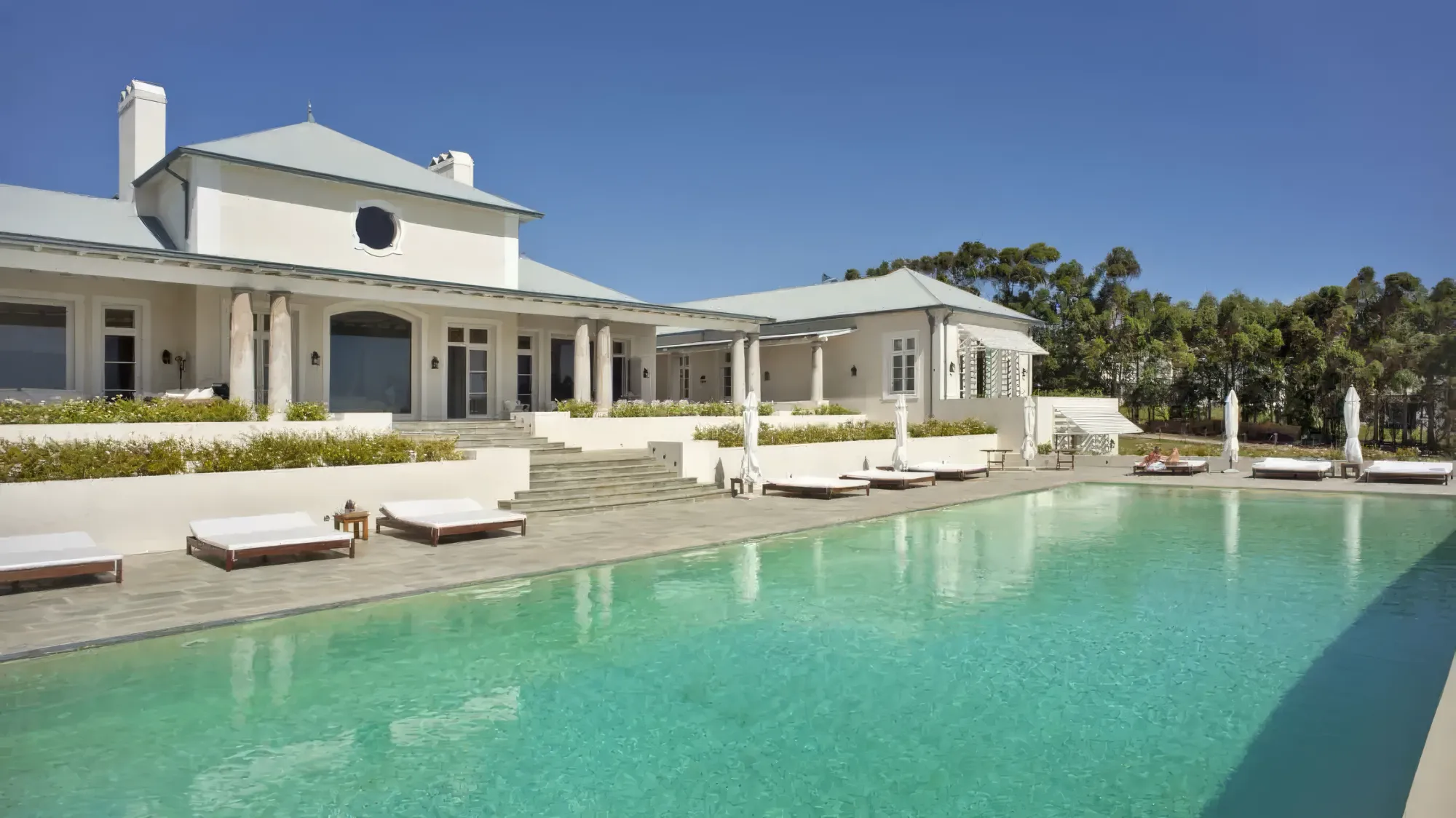
The Pearl of Uruguay awaits. Explore the collection of luxury villas in Punta del Este at LVH and begin planning an exciting escape.
Your Punta del Este Luxury Retreat Awaits
Browse our curated collection of ultra-luxury villas in Punta del Este
 Share
Share