Magazine

Things to Do in Cartagena: Ultimate Luxury Guide to Cartagena, Colombia
DESTINATIONS
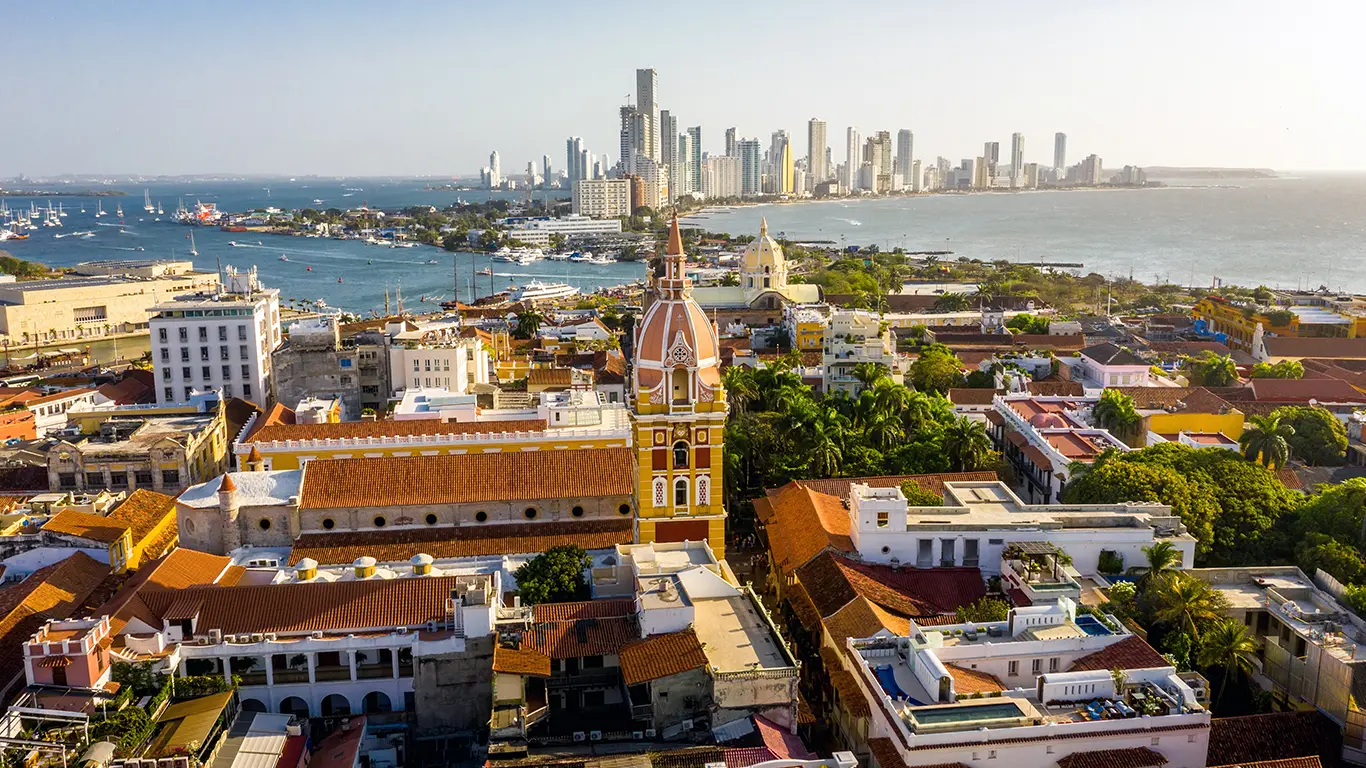
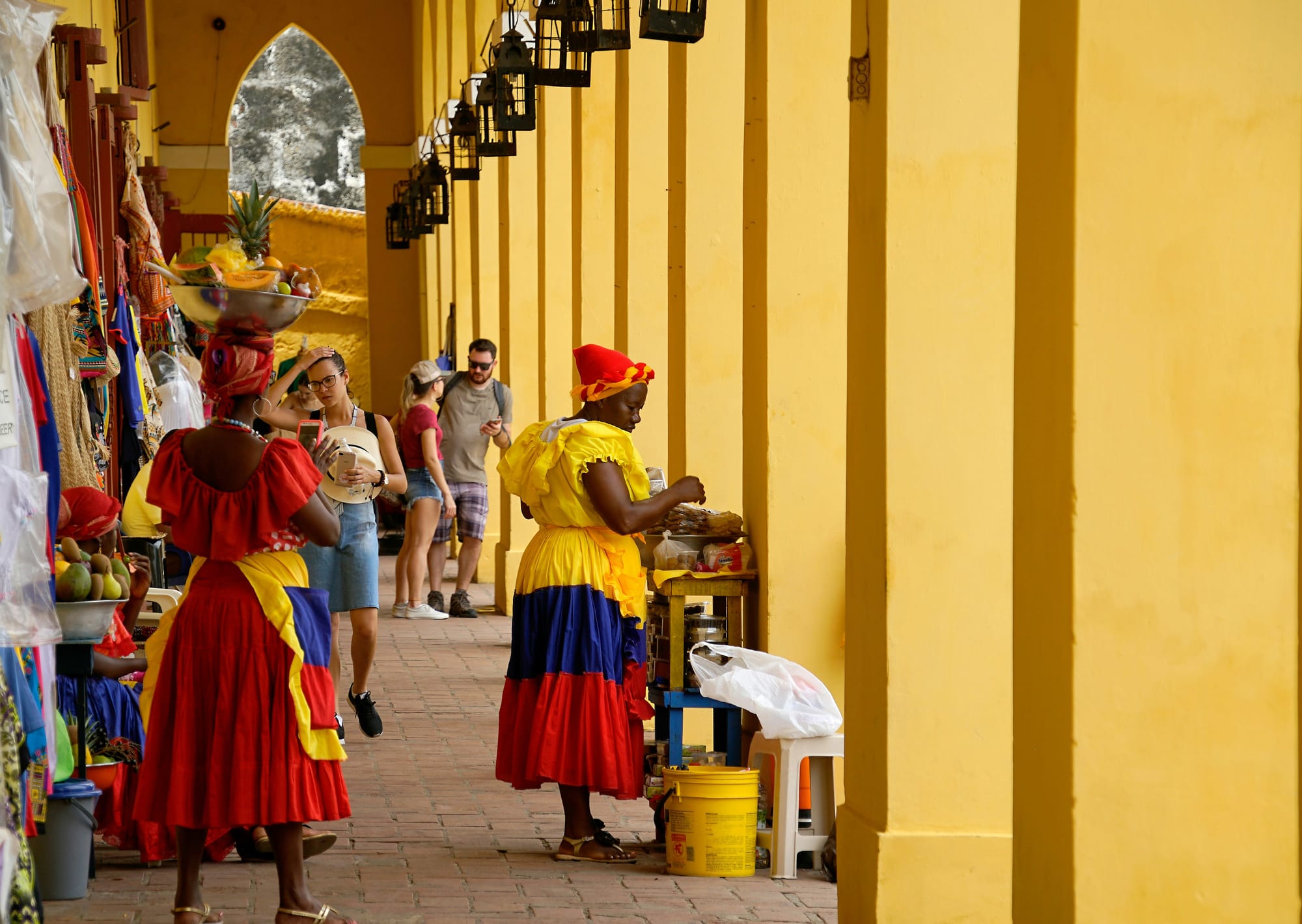
Widely known as "La Heroica," this Caribbean jewel transcends the typical shore resort through an extraordinary fusion of colonial grandeur and tropical vitality. Strolling through its immaculately preserved historic center is an exercise in time travel with cobblestone alleys winding past soaring 16th-century church steeples, hidden courtyards opening onto views of fortified ramparts bordering the sea and horse-drawn carriages sharing narrow lanes with Palenqueras balancing baskets of tropical fruit on their heads. The spirit of music pulses through mural-filled streets where Spanish, African, Indigenous and Italian influences have merged over centuries into something entirely original. Street performers fill plazas with improvised rhythms and the memory of South America's oldest colonial stronghold still shapes every corner. It was this very atmosphere that inspired Marquez to make Cartagena his final resting place. Keep reading to discover the best things to do in Cartagena, from its ancient fortresses and vibrant art scene to its world-class dining and private island escapes.
Choose a luxury villa in Cartagena, Colombia, that best fits your needs.
Table Of Contents
- Neighborhoods and Areas in Cartagena
- Attractions and Cultural Landmarks
- The Arts
- Beach Clubs
- Fine Dining
- Cafes and Bistros
- Nightlife and Bars
- Shopping
- Activities and Day Trips
- Family Activities
- Events and Festivals
- Wellness and In-Home Services
- Elevate Your Wellness Experience
- Practical Information: Getting to Cartagena
- Frequently Asked Questions
- Plan Your Cartagena Adventure
Neighborhoods and Areas in Cartagena
Cartagena is on a peninsula where the Caribbean Sea meets the Bay of Cartagena. The historic core, a fortified enclave of colonial architecture enclosed within 11 kilometers of stone ramparts, earned UNESCO World Heritage designation in 1984, recognizing both its exceptional state of preservation and its profound significance in the history of the Spanish empire. Beyond these ancient walls, distinct neighborhoods radiate outward, each offering a different expression of the city's character. Surrounding waters encompass dozens of islands, from nearby Tierra Bomba to the more distant Rosario archipelago, creating a maritime landscape of island retreats, diving sites and private hideaways accessible by short boat rides.
Each neighborhood in Cartagena presents a distinct personality, from the colonial grandeur of the walled city and Getsemaní to the youthful energy of its artistic quarters and the beachfront ease of its modern peninsula, allowing discerning travelers to select environments aligning with their visions of the ideal Caribbean experience.
San Diego
Occupying 16 tranquil blocks just north of Centro, San Diego is the bohemian heart of the old city. The neighborhood draws visitors with its concentration of upscale dining establishments, where international, local and fusion cuisine compete for attention against some of the city's most spectacular sunset views. At Las Bovedas, a former dungeon that now serves as a lively souvenir and craft fair, the evening light illuminates unobstructed views of the Caribbean horizon. The area's positioning between the historic core and the seaside ramparts makes it a favorite for those who value both cultural immersion and a slightly quieter pace than the bustling squares of Centro.
Centro
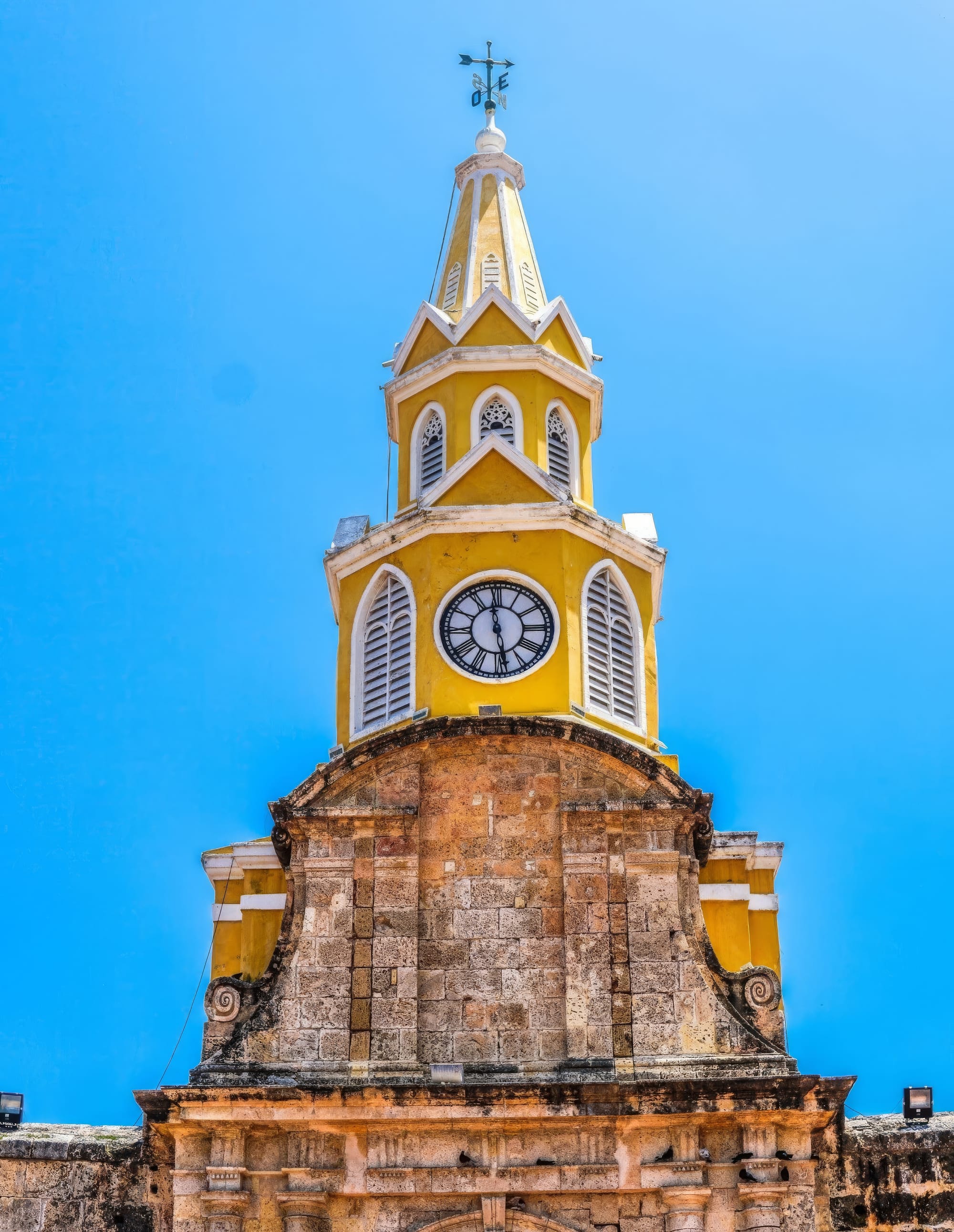
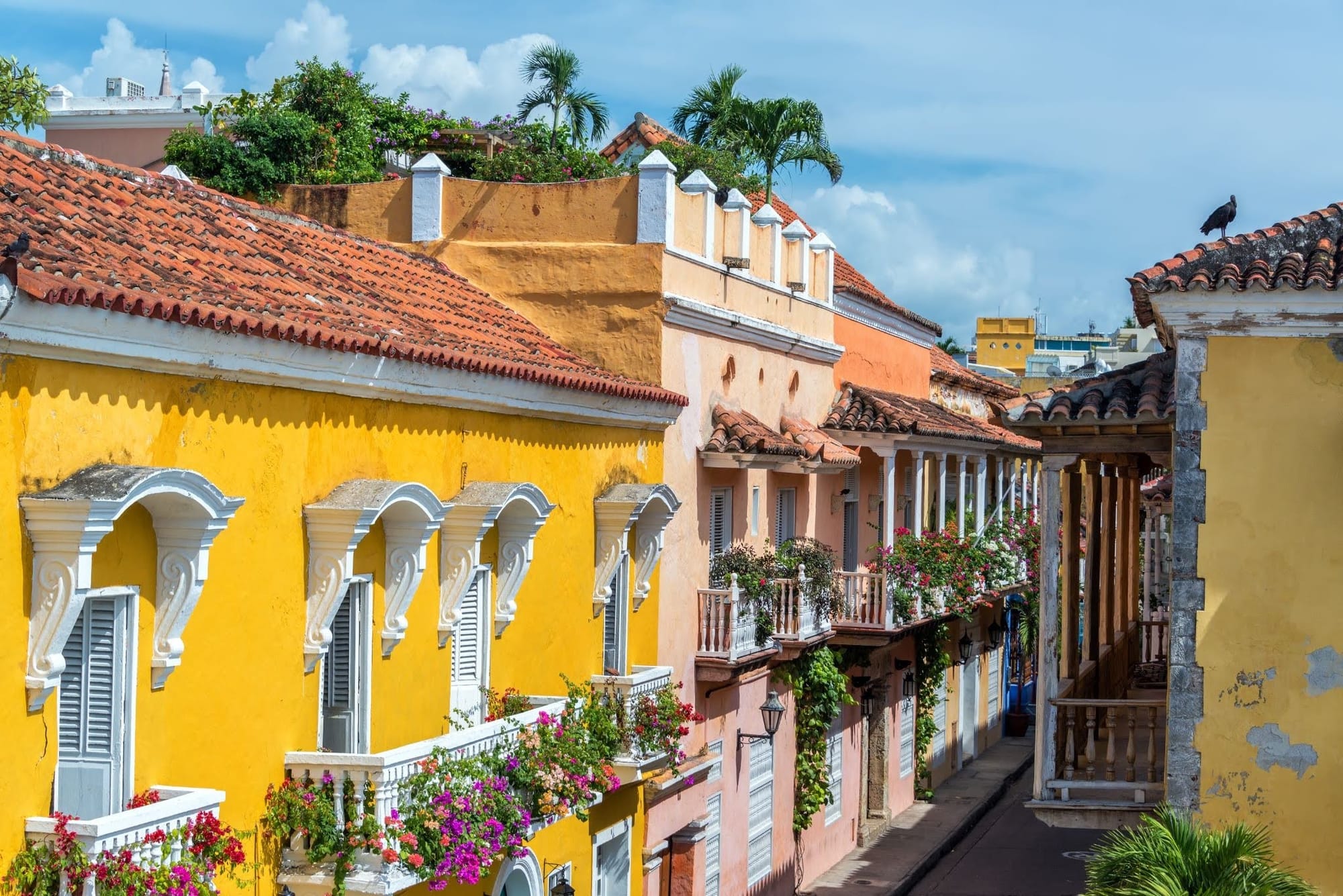
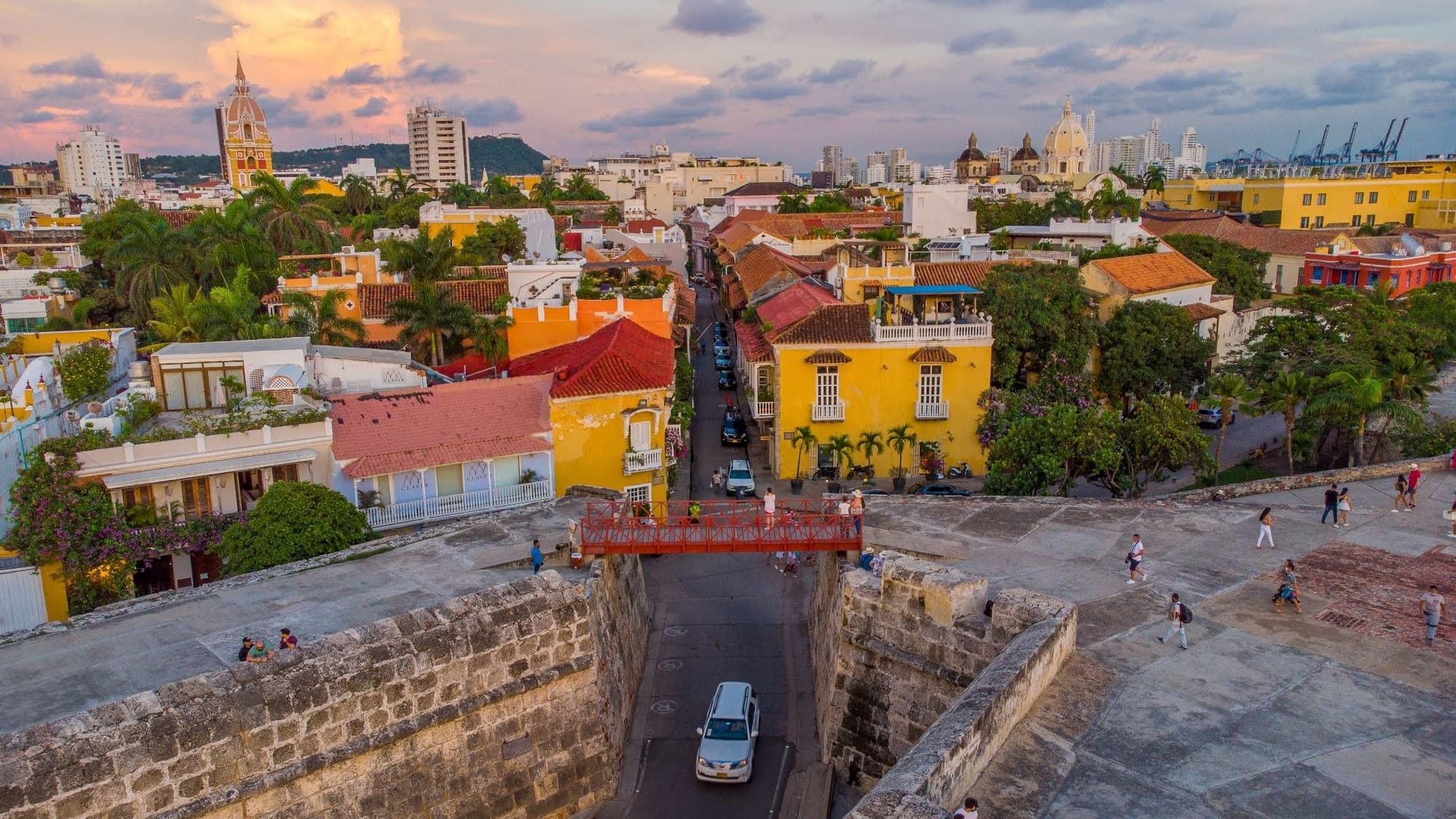
The historic center and heart of the city, Centro is best discovered without a rigid itinerary. Visitors wander through narrow, meandering streets, pausing to admire brightly colored facades, soaring church steeples and perfectly preserved ramparts that have stood since the 16th century. The Puerta del Reloj, or Clock Tower Gate, is the dramatic main entrance into the fortified center and an enduring symbol of Cartagena, leading visitors past the tree-shaded squares of Plaza de la Aduana, Plaza de Bolivar and the iconic yellow Cartagena Cathedral. Centuries of colonial architecture coexist with contemporary sophistication, spontaneous dinners are celebrated at fine restaurants and impromptu gallery visits become natural extensions of an afternoon stroll.
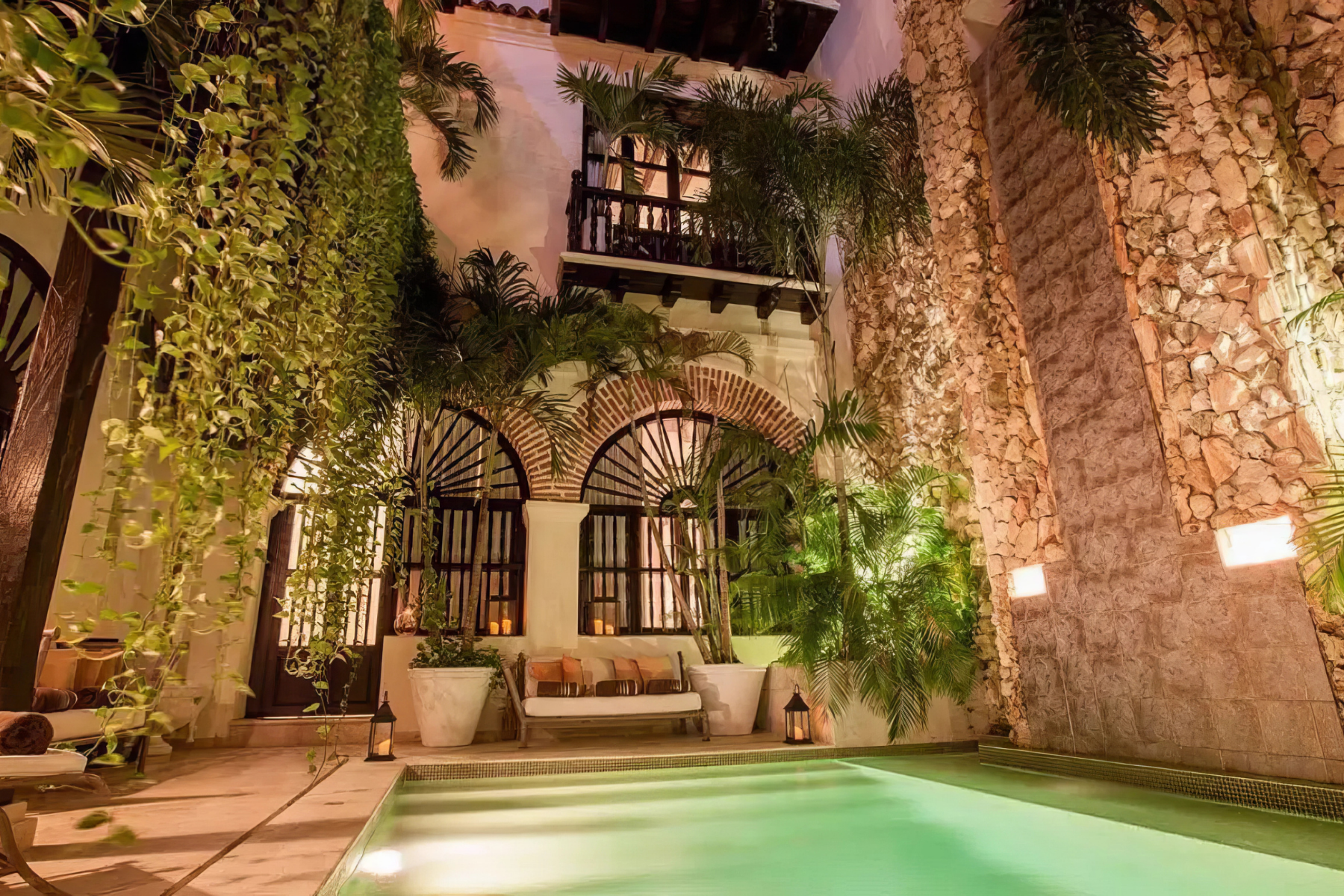
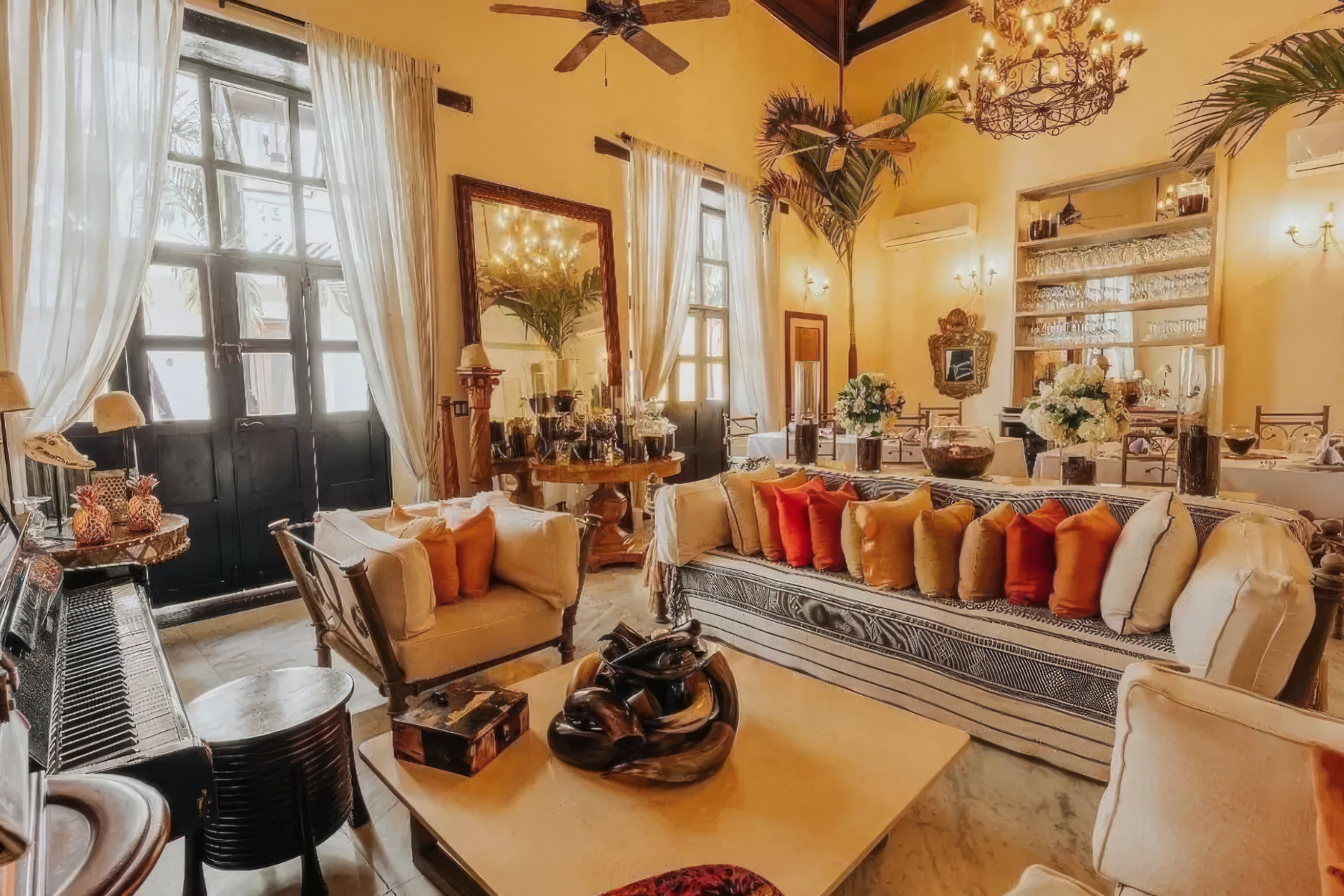
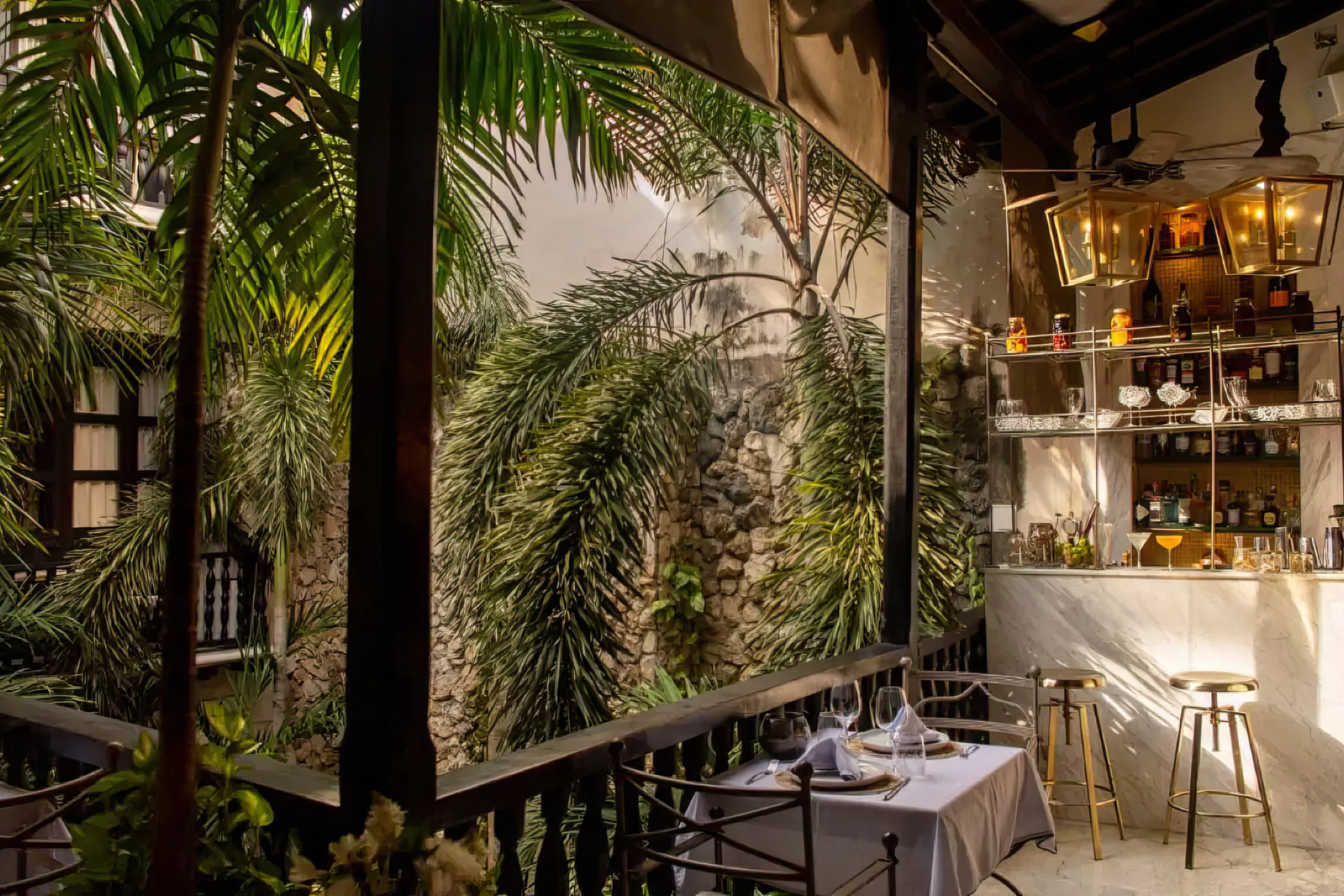
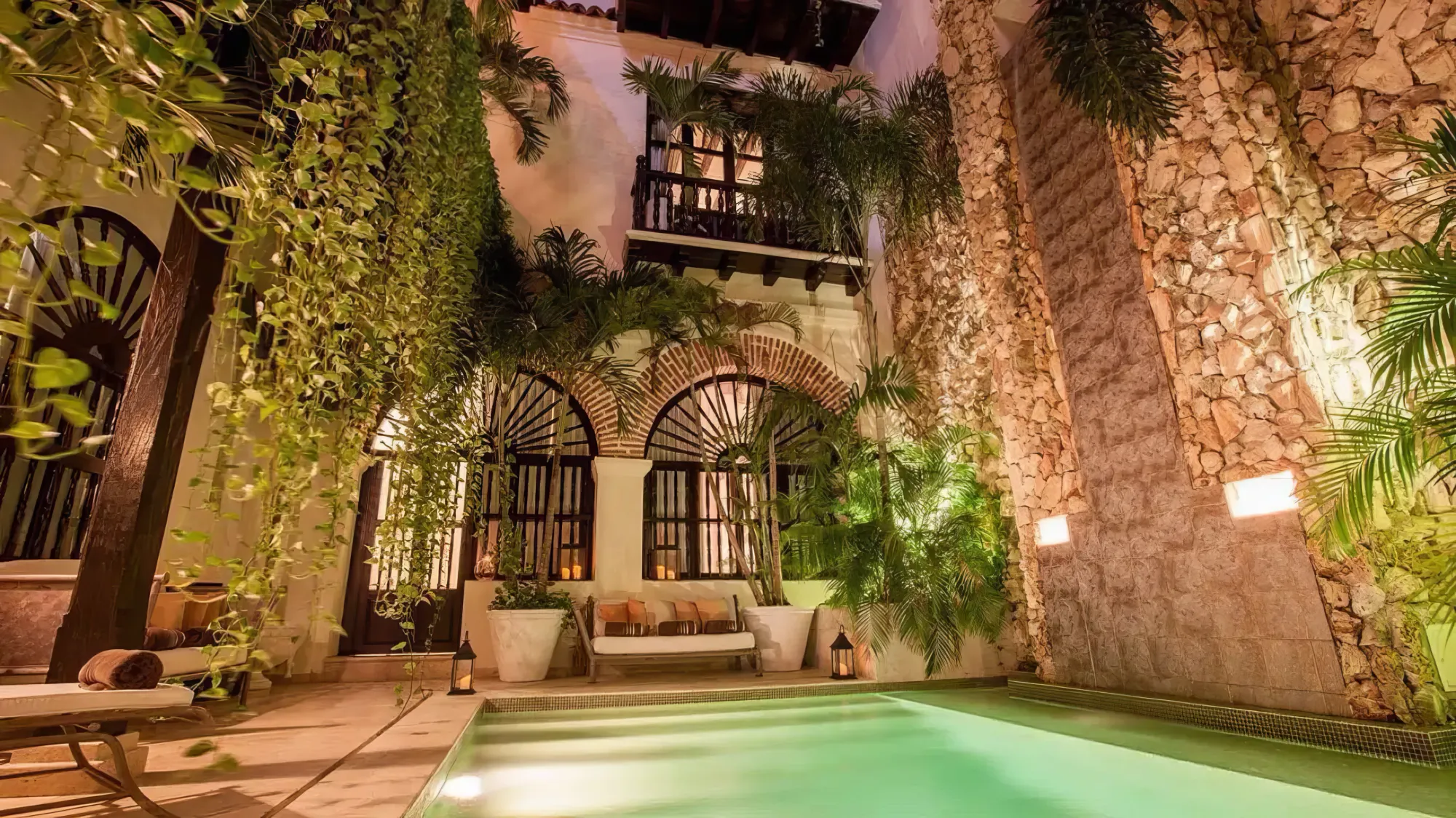
Casa de Alba
Casa de Alba exemplifies the possibilities of living within the walled city of Cartagena, offering refined private spaces while maintaining immediate access to Centro's cultural and social epicenter.
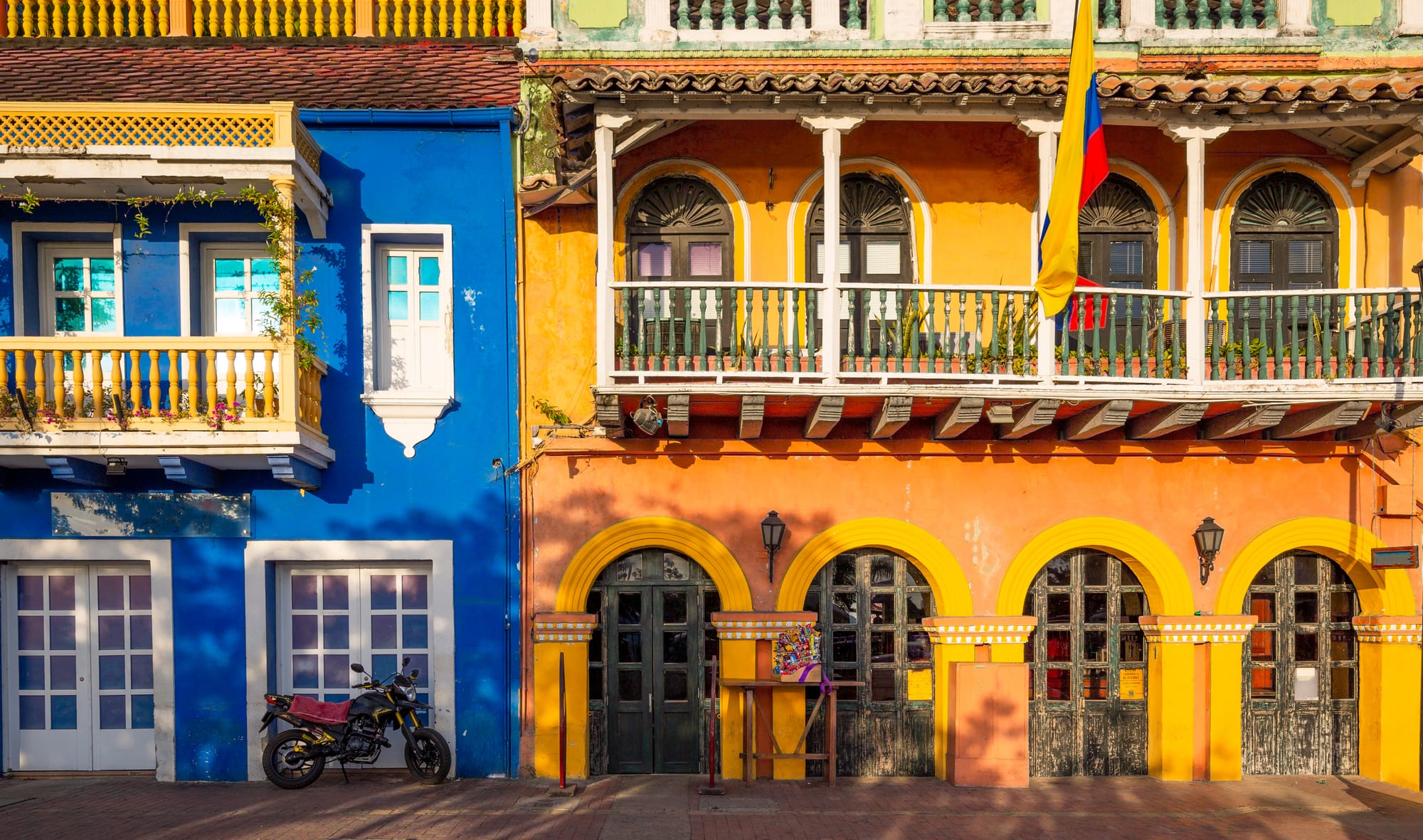
Getsemani
Just outside the old city fortifications, Barrio Getsemani has transformed into Cartagena's youthful cultural hub. The colorful Holy Trinity Square sits at the neighborhood's very heart, a place of spontaneity and congregation where dancing and live music happen nightly. The area's most celebrated feature is its dazzling collection of murals and street art, which have turned Getsemani's walls into what amounts to a vast outdoor gallery, with iconic pieces such as the Maria Mulata bird on Plaza Trinidad sharing space with an ever-changing roster of new work. The neighborhood pulses with dining options, buzzing cafes and the kind of creative energy that comes from centuries of Spanish, African, Indigenous and Italian cultural exchange.
Bocagrande And El Laguito
El Laguito and Bocagrande occupy the sliver of land south from Centro, identifiable by newer residential buildings and the city's most accessible beaches. The long coastline provides ample room for recreational activity and the sand along Bocagrande is a distinctive gray hue caused by the volcano in the area, giving the water a unique texture. The area appeals to those who prefer a more contemporary residential setting while remaining within easy reach of the old city.
Baru
The island of Baru, accessible by boat south of Cartagena, offers an escape into pristine natural surroundings. It is home to the Cartagena Aviary, one of Colombia's most important ecological attractions, with more than 2,000 native birds across three ecosystems. Baru also provides access to exceptional diving sites and uncrowded shores. The island's quieter pace and lush tropical vegetation create a welcome counterpoint to the vibrant energy of the mainland neighborhoods.
Castillogrande
Exclusive mansions and tower blocks of Castillogrande rise over the rest of Cartagena from just 16 seafront blocks connected to Bocagrande. Three exclusive members' clubs — Club Union, Club Naval and Club Cartagena — provide the social life of this compact neighborhood, where the shoreline atmosphere runs quieter and more relaxed than in neighboring Bocagrande. The area is for those seeking a celebrity-worthy retreat with the discretion and polish of a private residential quarter.
For private, luxury residences in these areas, contact LVH to explore available options.
Seasonal Calendar
Cartagena's tropical Caribbean climate delivers warmth year-round, setting it apart from destinations defined by seasonal extremes. Seasons here simply shift the atmosphere and the crowds.
The peak season runs from December through March, when dry skies, gentle breezes and a full cultural calendar converge to create ideal conditions. This is when Cartagena operates at its most vibrant, offering the Hay Arts and Literature Festival, the Cartagena Music Festival and Latin America's oldest film festival all drawing international visitors within weeks of one another. Accommodations and dining reservations require advance planning at this time.
Shoulder months of April through June and November offer warm weather with notably fewer visitors. Occasional afternoon showers bring brief respite from the heat, but mornings remain reliably sunny and beach clubs continue to operate. These months represent a sweet spot for those who prefer tropical ease without peak-season density.
July through October is the green season, when rainfall increases but rarely disrupts entire days. Mornings are typically clear and warm. Travelers comfortable with afternoon showers will find the city generous and uncrowded during these months.
Attractions and Cultural Landmarks
Cartagena’s identity rests on centuries of layered history.Nowhere is that more tangible than in the fortresses, churches, squares and museums that define the city's physical landscape. The main attraction is the walled city itself, which is one of the most complete examples of Spanish colonial military architecture in the Americas.But beyond its ramparts, a wealth of cultural landmarks reveals the complex story of a port that once served as the crown jewel of an empire.
Fortresses And Monuments
Castillo de San Felipe de Barajas
The Castillo de San Felipe de Barajas is the single most impressive fortress ever constructed by the Spanish empire. On San Lazaro hill, this 16th-century citadel was never conquered and its complex network of underground tunnels was designed to amplify the sounds of approaching enemies. It remains a marvel of military engineering. Visitors who book a tour gain access to the fortress's fascinating tactical history.Panoramic views of the city unfolding below make the climb a worthwhile attraction in its own right.
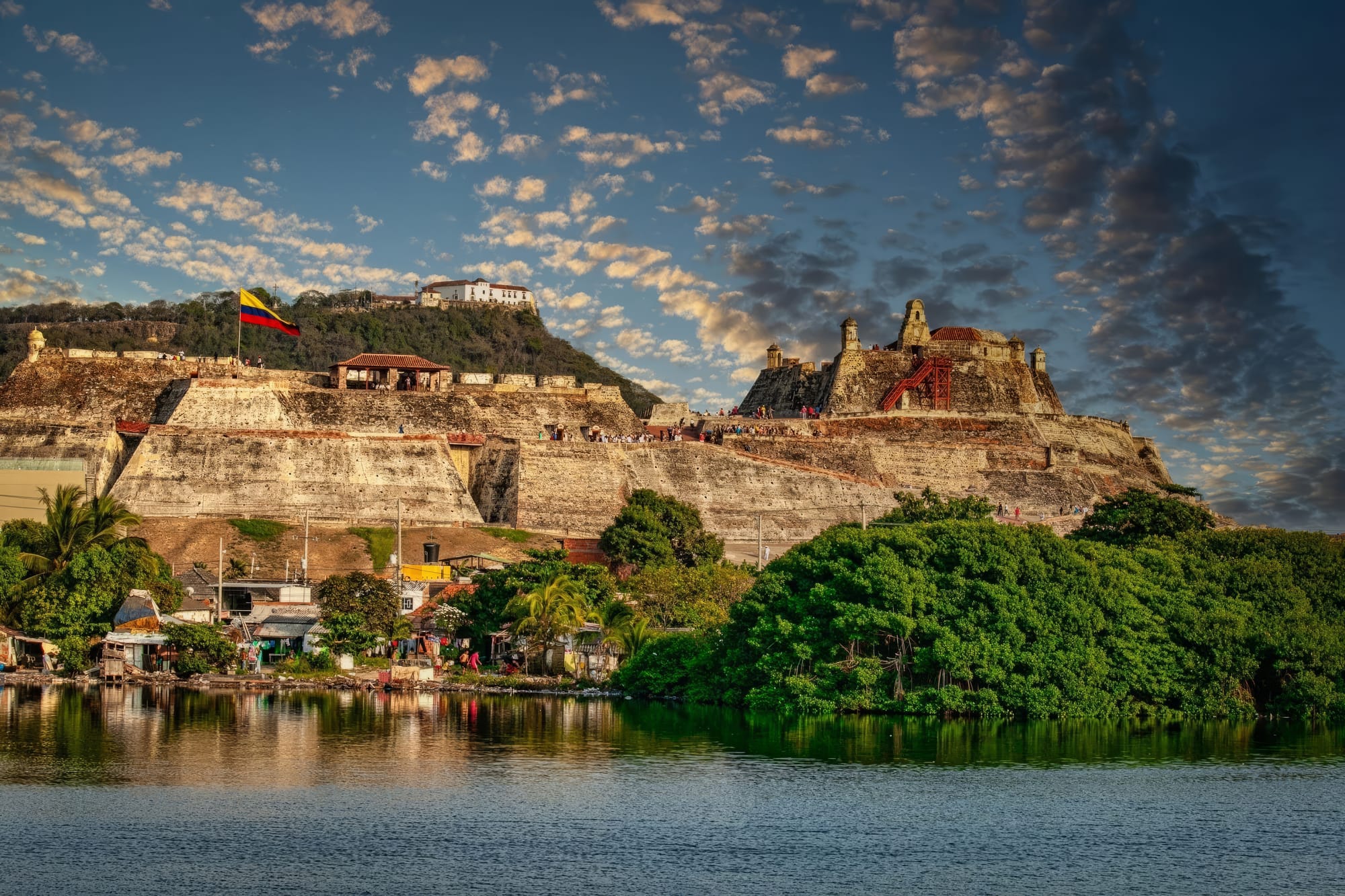
Convento de La Popa
At 150 meters above sea level, the Convento de La Popa is the highest point in Cartagena. Founded in 1607, the convent began as a modest wooden chapel before being replaced by a sturdier stone construction when the hill was fortified two centuries later. Its name literally means the "Convent of the Stern," after the hill's resemblance to a ship's back end. Views from this elevation stretch across the entire city and beyond, offering a perspective of the city from the top that justifies the ascent.
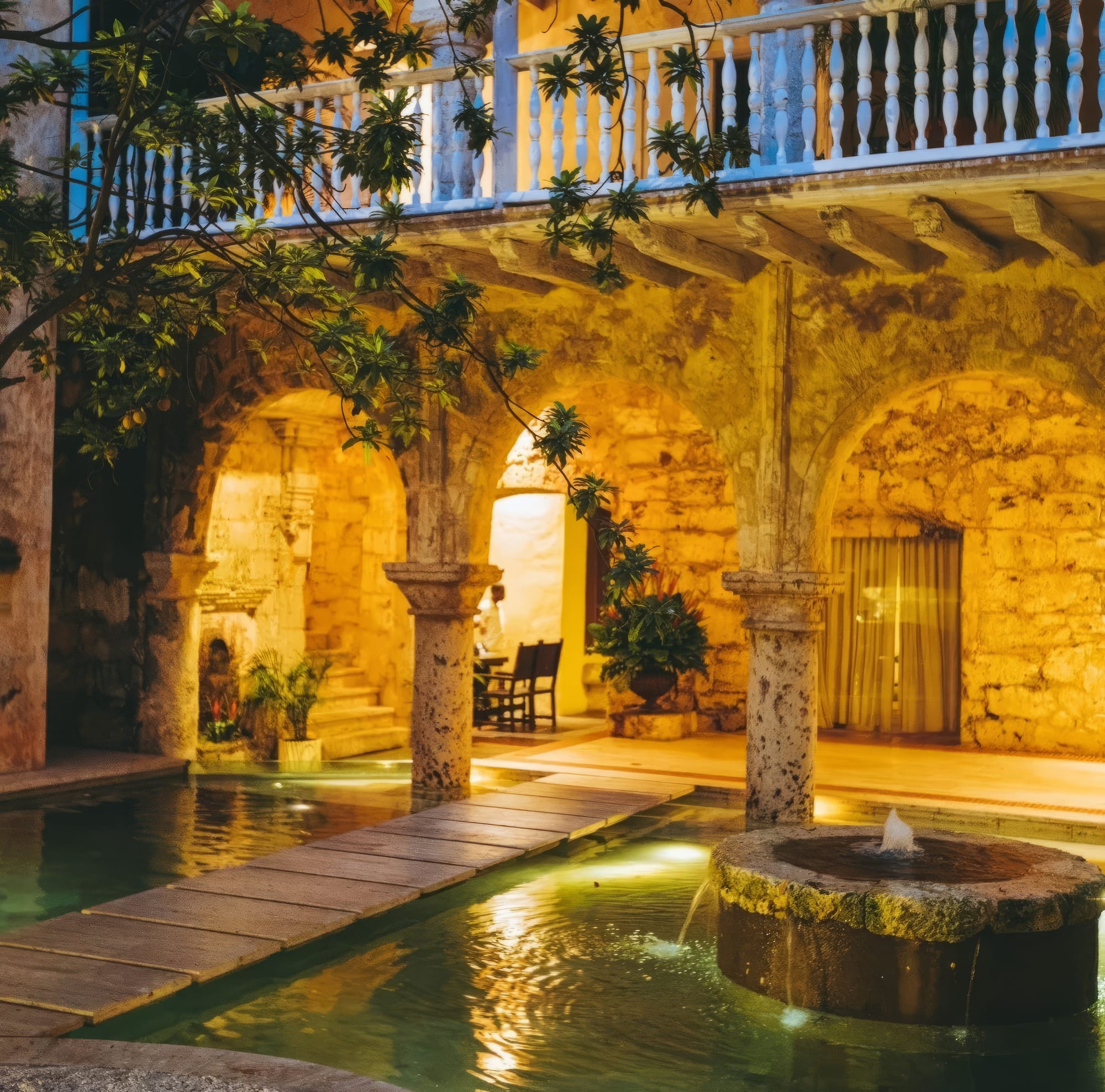
Torre del Reloj and the City Walls
The Torre del Reloj, built in the 1600s, remains the ceremonial gateway into the old city. Set between Plaza de Independencia and Plaza de los Coches, this clock tower marks the threshold between the modern bustle of Cartagena and its colonial interior. From here, the city walls, La Muralla,extend along the east, north and west sides of the historic core. Walking atop these ramparts is one of the most rewarding ways to experience the city, with the route passing watchtowers, baluartes and the souvenir stalls of Las Bovedas before reaching the small but informative Museo de las Fortificaciones.
Museums
Museums clustered within the historic center offer a compact but remarkably diverse journey through the many cultural dimensions of Cartagena.Their proximity to one another makes seeing several things in a single afternoon entirely feasible.
Gold Zenu Museum
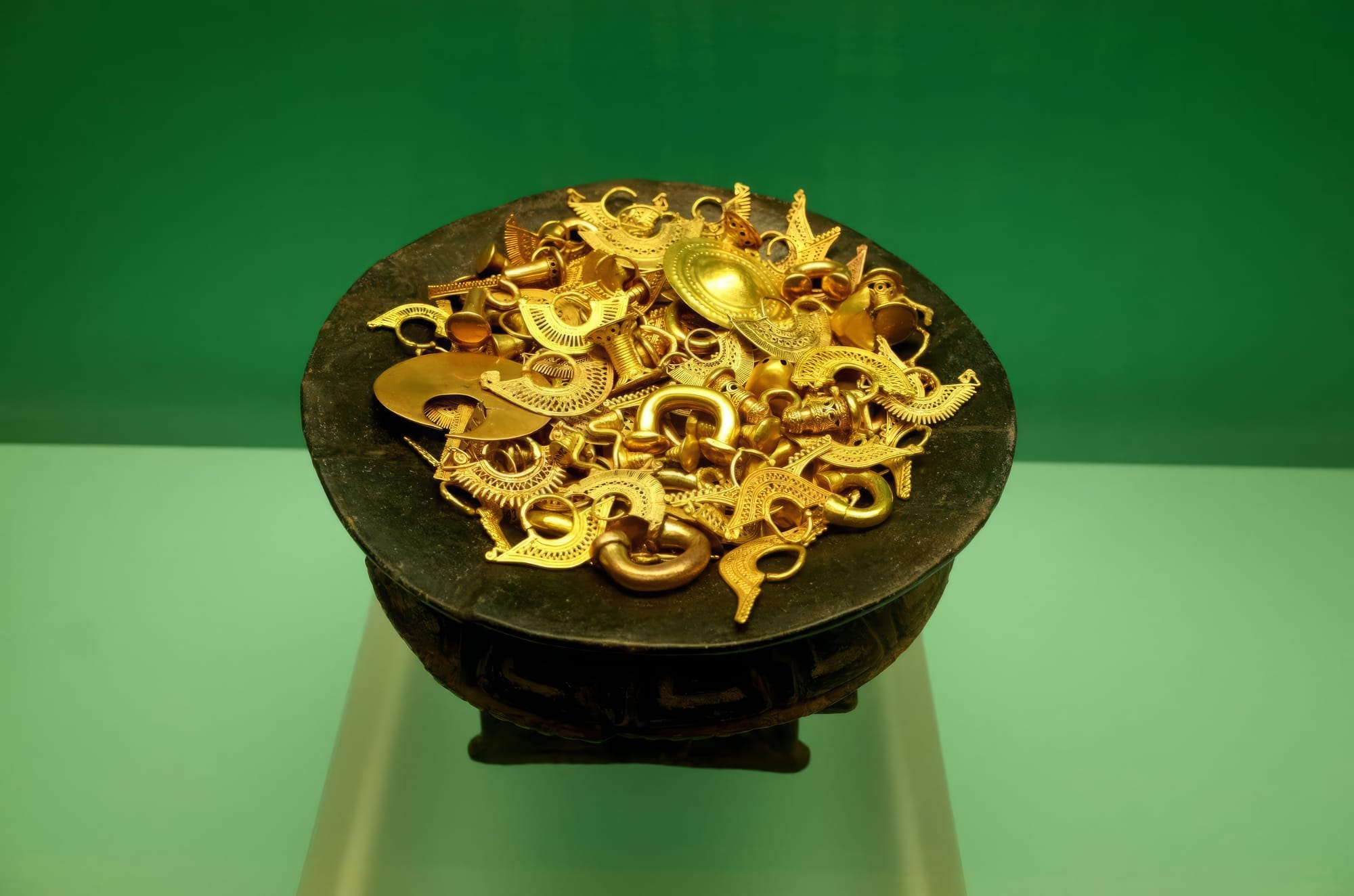
The Gold Zenu Museum is on Plaza Bolivar, where an extraordinary collection of pre-Columbian artifacts speaks to the artistic sophistication of the region's original inhabitants. The Zenu people, known for intricate goldsmithing and jewelry-making techniques, left behind a legacy of coveted objects that reveal the natural splendor of the region through precious metalwork. For newcomers to the city, this museum provides an essential foundation in the cultural heritage that predates the colonial era.
Museo de Arte Moderno
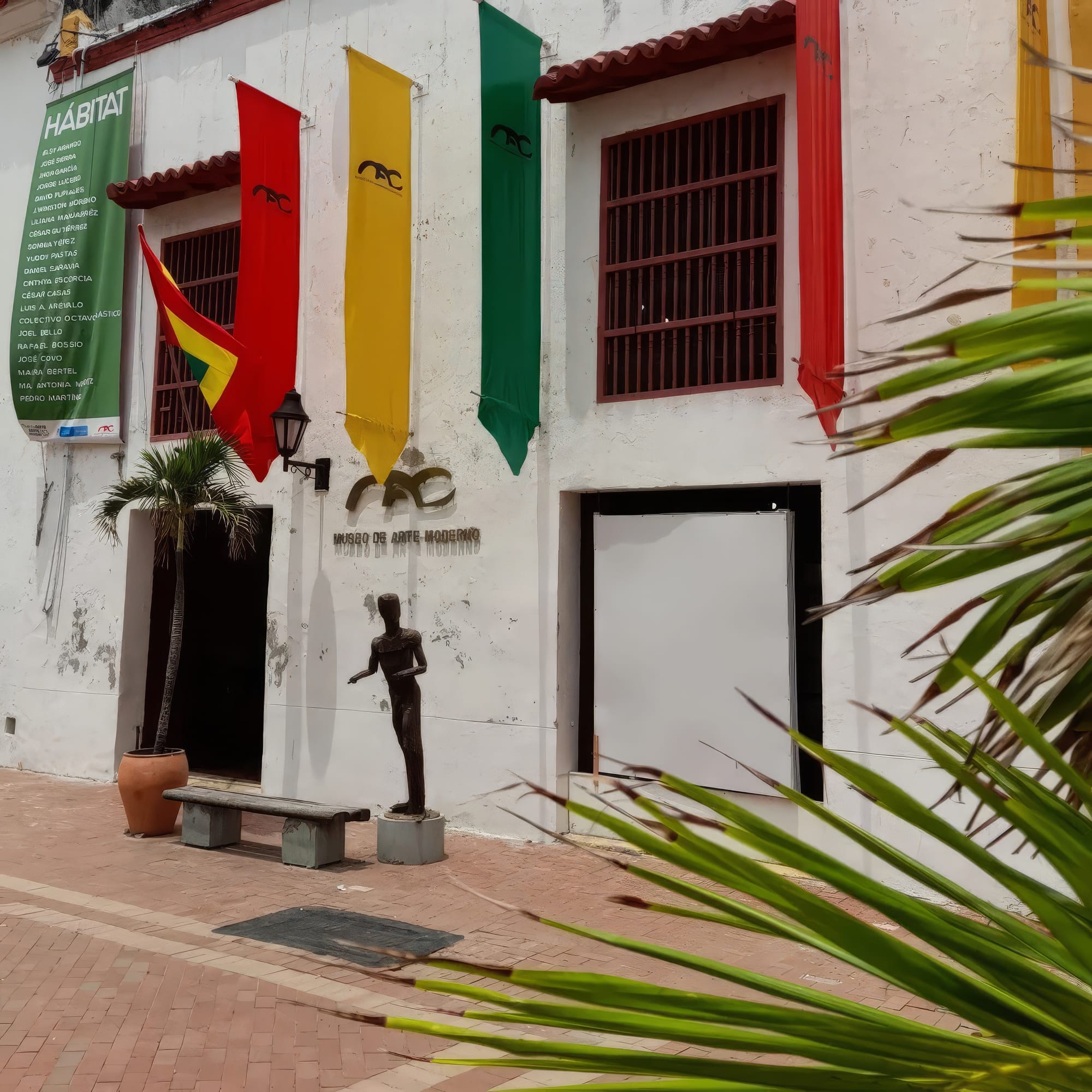
A short walk away on San Pedro Claver square, the Museo de Arte Moderno offers an approachable introduction to the painting traditions of Colombia, with particular emphasis on the 1950s, a period when social and political upheavals found powerful expression on canvas. Works by celebrated artists such as Alejandro Obregon and Enrique Grau anchor the collection, providing a window into the colorful and often turbulent artistic traditions of the nation.
Palace of the Inquisition Museum
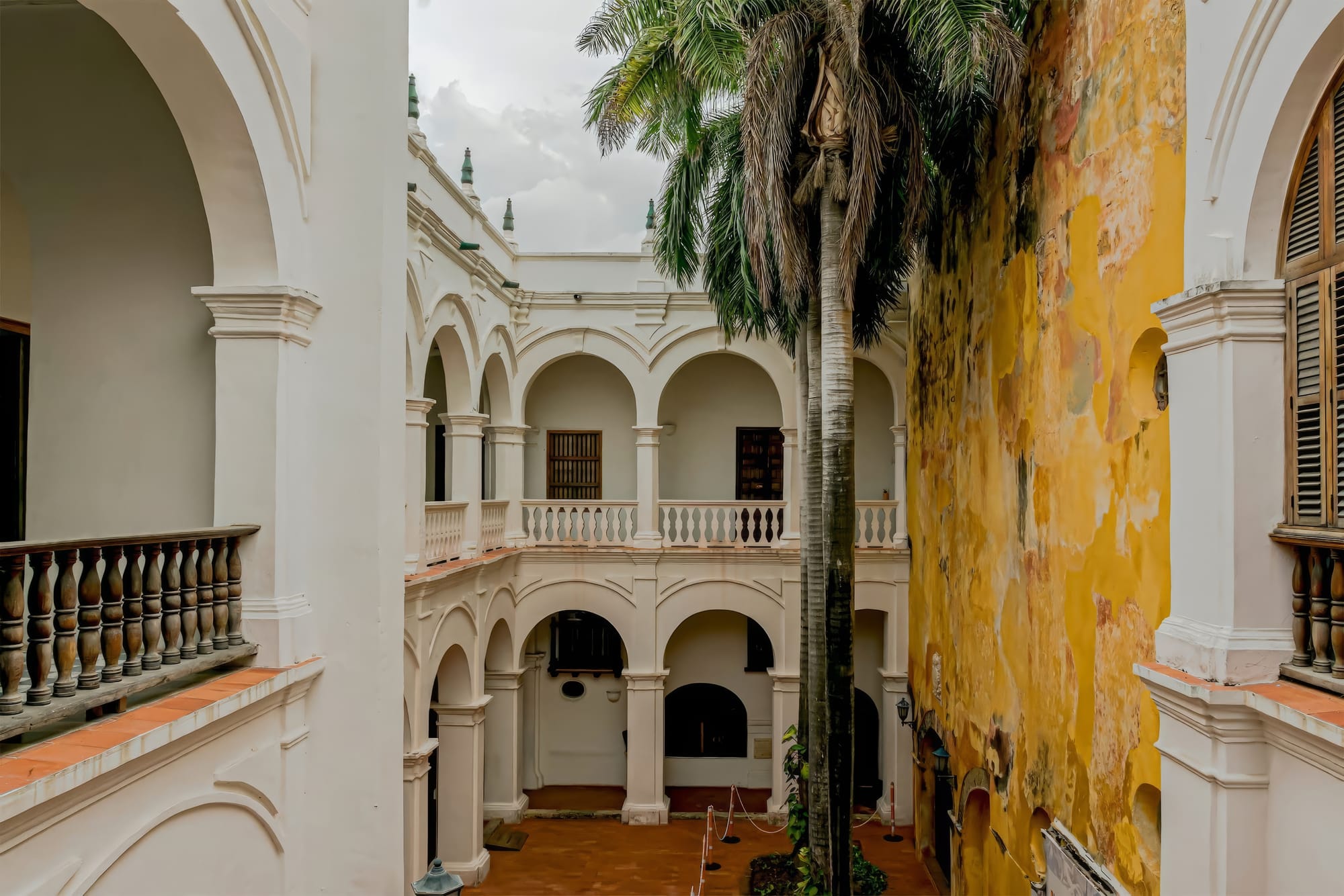
The Palace of the Inquisition Museum, housed behind a quaint baroque entrance on Plaza Bolivar, presents a darker chapter of colonial history. Displays trace the Inquisition's arrival in the city in the early 17th century, a reign of terror intended to eliminate heresy and threats to the church. Instruments of torture share exhibition space with pre-Columbian furnishings and pottery, creating a sobering juxtaposition of the region's ancient heritage and its colonial past.
Pedro Claver's House
Pedro Claver's House, encompassing a church, cloister and museum, commemorates the Jesuit priest who distinguished himself through his defense of Africans trafficked through the slave trade network de Cartagena. Recognized as a humanitarian in a period of immense cruelty, Pedro Claver's remains are preserved within the church.Architecture and artifacts on display penetrate deeply into the most significant and often tragic histories of the city.
Emerald Museum
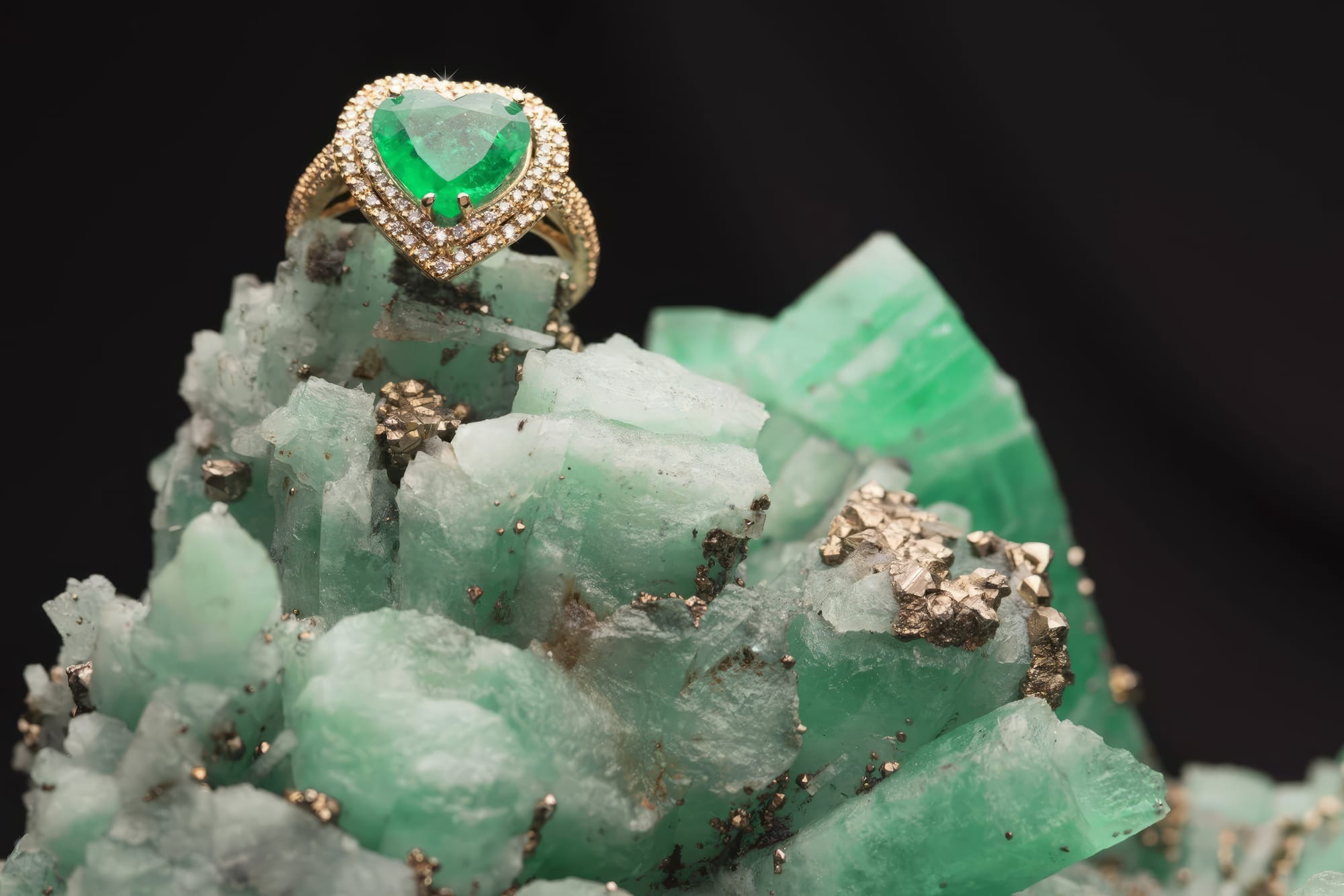
The Emerald Museum, in a colonial house within the old city, showcases the gemstone for which Colombia is most famous. Visitors learn the history of emerald mining in the country, how stones are extracted and the operations of the seven mines in the country.
Museum House of Rafael Nunez
The Museum House of Rafael Nunez, a two-story wooden residence in the El Cabrero neighborhood near the sea, preserves the personal belongings and art collection of the man who served as president of Colombia multiple times and wrote the nation's national anthem. The house retains an atmosphere of elegant simplicity, with balconies offering views across the old city that are alone worth the visit.
The Arts
The artistic life of Cartagena runs as deep as its colonial foundations, shaped by centuries of intercultural exchange that have produced one of the most vibrant creative scenes in Latin America. The city's architecture, Caribbean energy and picturesque landscapes have long attracted artists. Today visitors can engage with that tradition through galleries, murals and direct encounters with working artists.
Nh Galeria
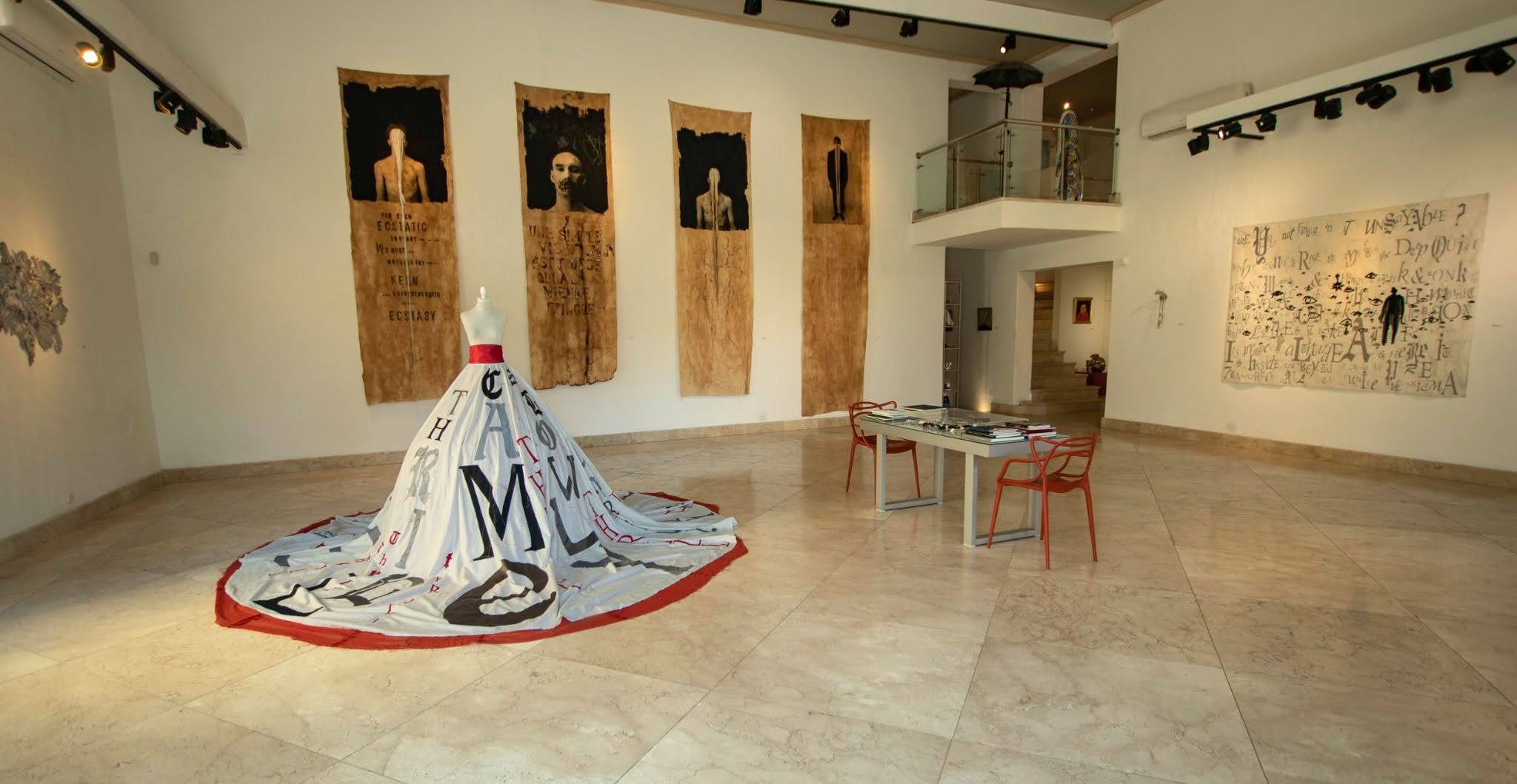
NH Galeria, established in 2011 by Nohra Haime, has become arguably the most important contemporary art space in the city. Working alongside the Nohra Haime Gallery in New York to facilitate artistic and cultural exchange, the gallery exhibits works by both established and emerging artists from Colombia and beyond. The collection includes pieces by Alejandro Obregon, Olga de Amaral and Sophia Vari, making it essential viewing for serious art enthusiasts.
The Walls Of Getsemani
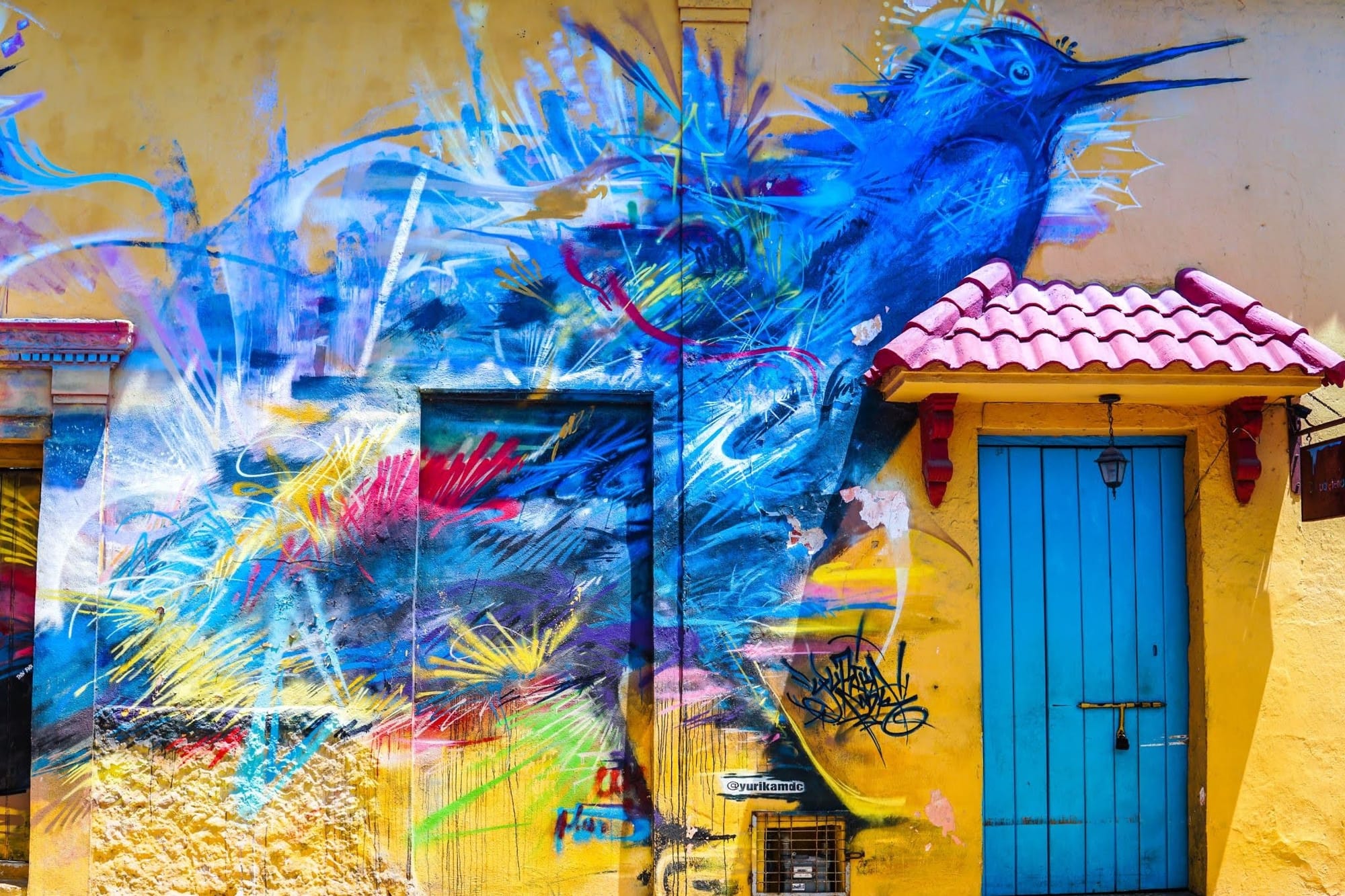
Walls of Getsemani have become a sprawling open-air exhibition, where a burgeoning mural movement has transformed the neighborhood into a living canvas. Iconic works such as the Maria Mulata bird on Plaza Trinidad and the nearby Palenquera figure share space with an ever-rotating collection of new pieces, making each visit a slightly different experience. What was once a neighborhood of mixed reputation has reinvented itself through artistic expression.A stroll through streets here now feels like walking the corridors of a contemporary outdoor museum.
Local Artists
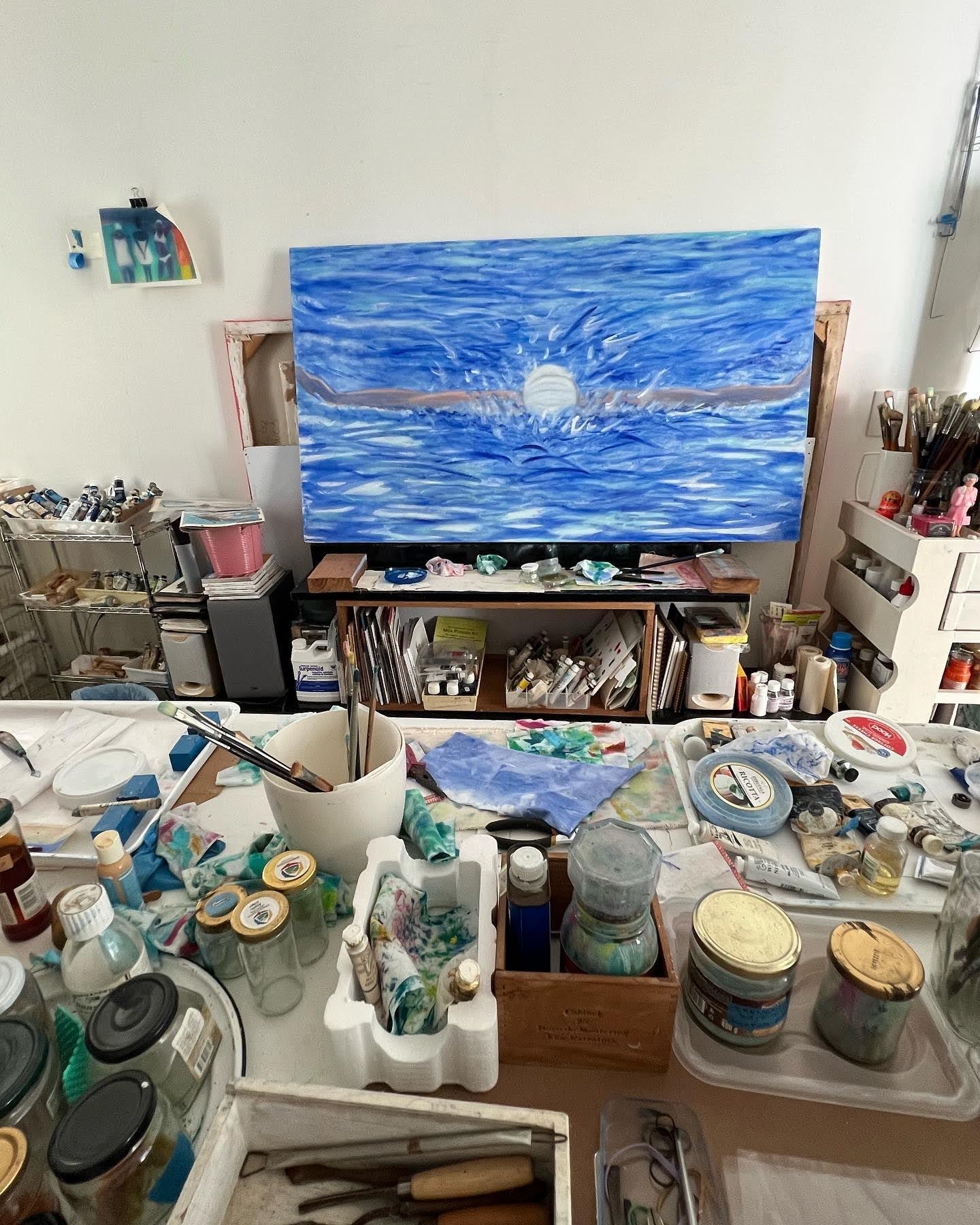
Among the city's working artists, Martha Sanchez channels the tropical sensuality of Cartagena through saturated canvases featuring hot pink dresses, jungle foliage and moody women. Represented internationally by Saatchi Art, Sanchez is a prominent voice in contemporary Caribbean art. Diana Herrera Ordosgoitia, also born in the city, takes a different approach, blending themes of world travel with the restorative hedonism of Caribbean life, often mixing acrylics with unconventional materials such as coffee. Her commissioned portraits capture individual character with the same vibrancy she brings to her broader work.
Gabriel Garcia Marquez
The literary dimension of the artistic identity of Cartagena deserves its own recognition. Gabriel Garcia Marquez, the Nobel Prize-winning novelist whose magical realism drew heavily on the textures, rhythms and histories of the tropical shoreline, chose Cartagena as his final resting place. The city that infused his imagination continues to honor his legacy.Visitors who have read his work will recognize echoes of his prose in the heavy tropical air, colonial mansions whispering with secrets and squares where reality and myth still seem to intertwine.
Beach Clubs
The Caribbean warmth that blankets Cartagena year-round has given rise to a distinctive beach club culture that differs from its Mediterranean counterparts in a meaningful way. Rather than lining a single celebrated coastline, island clubs of the region are scattered across nearby islands of Tierra Bomba, the Rosario Islands and Baru. Each requires a short boat ride that transforms a day on the shore into something closer to a private island escape. The journey itself becomes part of the experience, with turquoise Caribbean waters opening up as the Cartagena skyline recedes behind you.
Amare
Amare is a favorite among discerning locals seeking a day by the shore without crowds or vendors. Situated on Playa Linda, on the far side of Tierra Bomba, the club offers white sand, crystalline water and inventive cocktails recommended by the city's most respected bartenders. Cuisine follows a design-your-own bowl format emphasizing freshness and the entire atmosphere leans toward authentic Cartagenero coastal culture. This is a place for those in the know.
Namaste
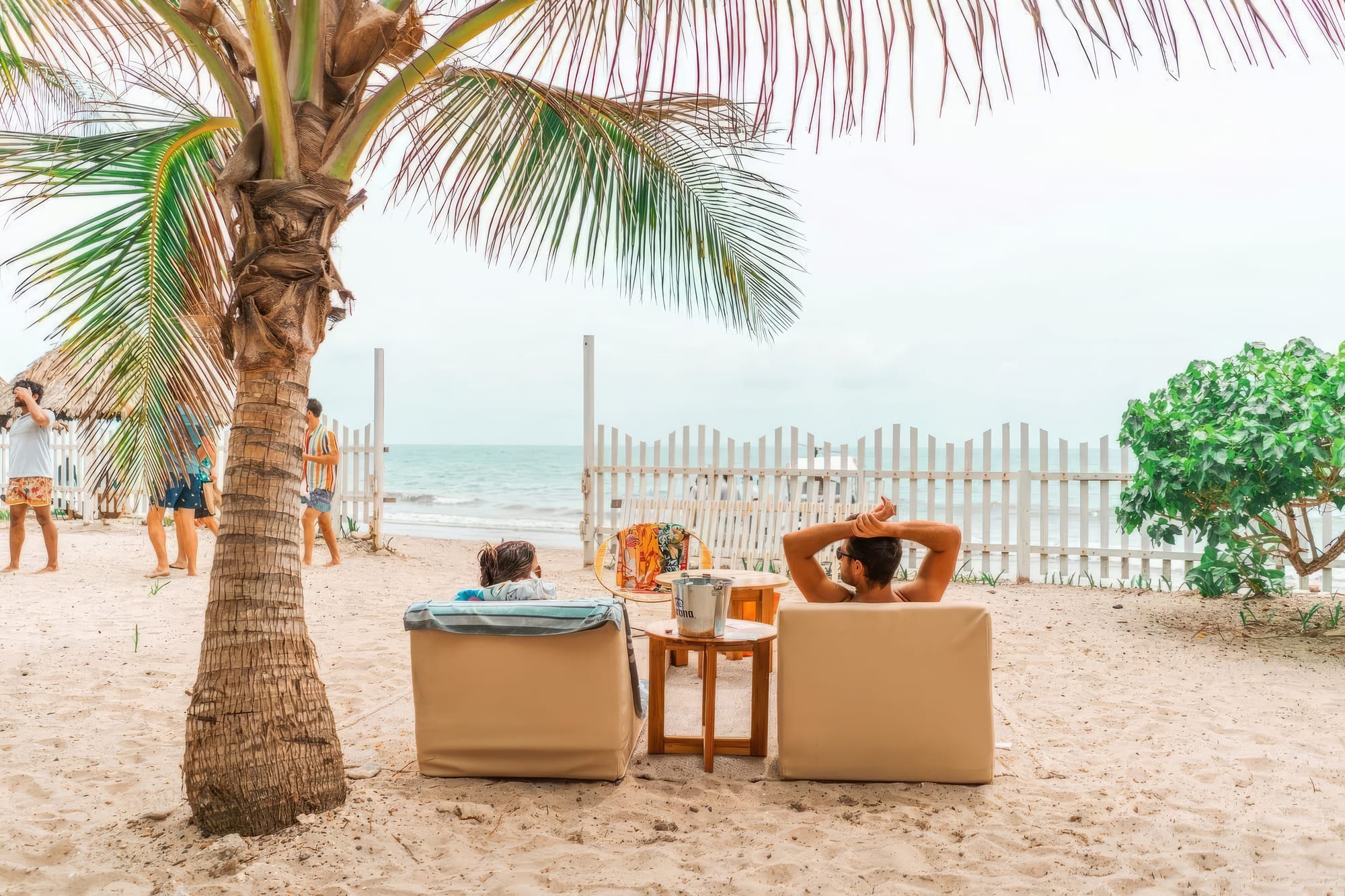
Namaste takes its aesthetic inspiration from the Indian Ocean, transporting guests to an atmosphere of sustainable tranquility on Tierra Bomba, the island closest to the mainland. Swing beds, hammocks and uninterrupted views of Bocagrande across the water create a setting designed for unhurried days, with the short boat transfer making it the most accessible island option for those who prefer to keep travel time minimal.
Fenix Beach
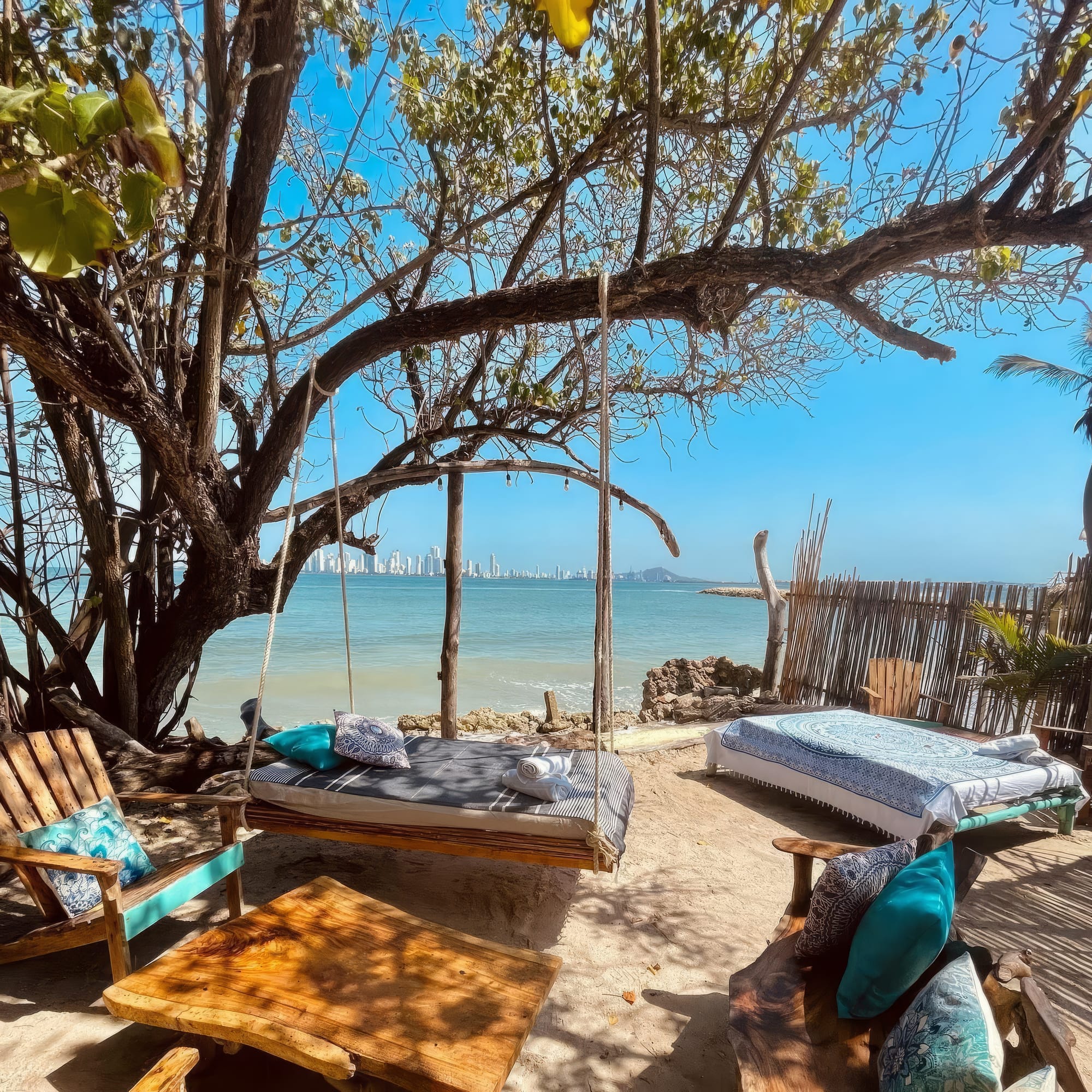
Fenix Beach, reachable in just 10 minutes by boat, delivers a more energetic experience. A large white sandy shore pairs with a surprisingly quiet pool area, while two DJ setups with one at the water's edge, another further back allowing guests to calibrate their preferred level of participation. After dark, a fire pit draws the crowd, offering views of the Cartagena skyline glowing in the distance.
Blue Apple
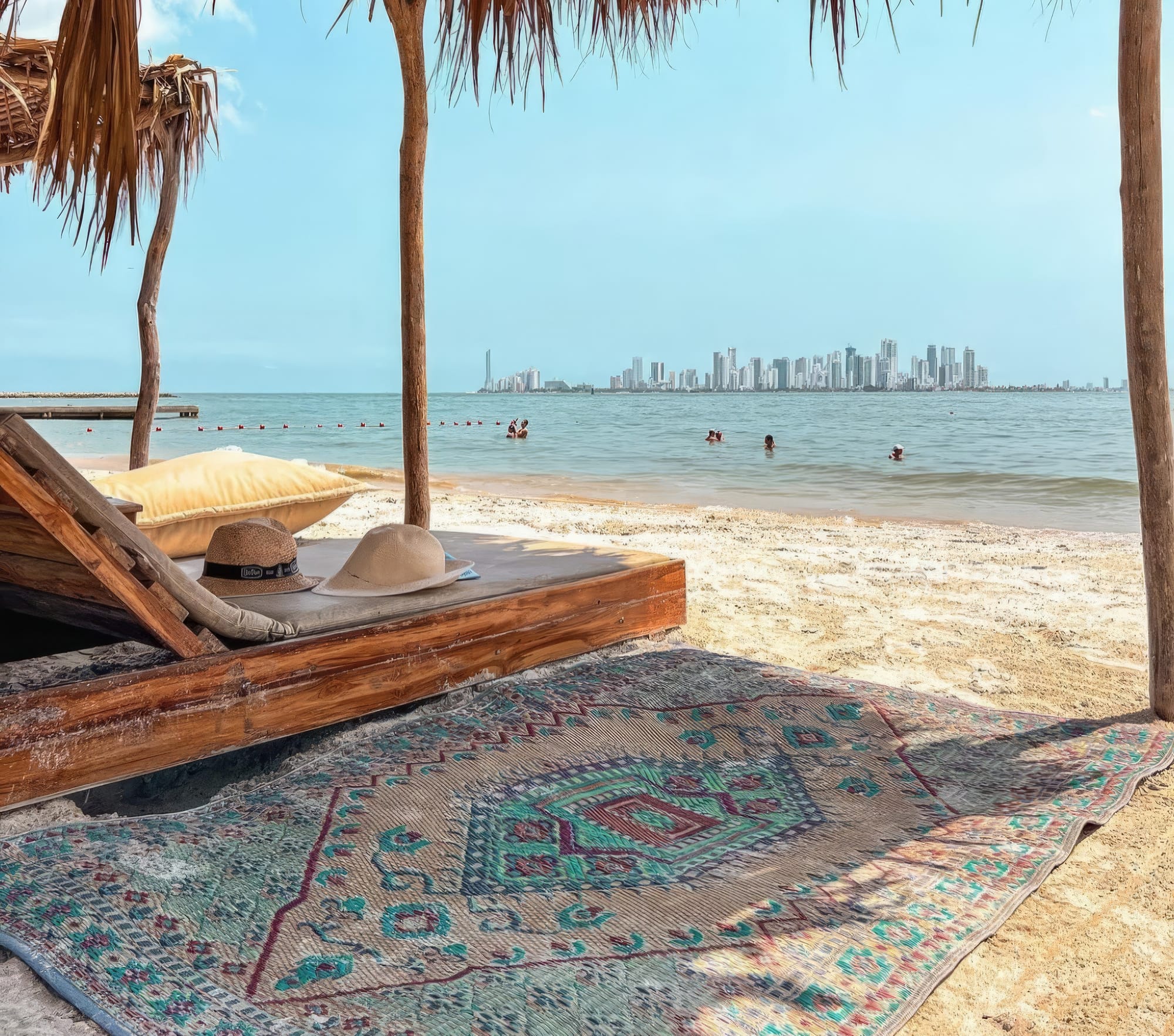
Blue Apple strikes a balance between lively weekend energy and weekday calm, making it versatile enough for different moods and occasions. Beyond the sand and pools, the club offers horseback riding, diving excursions and massage treatments. A tour with Fundacion Green Apple provides insight into how the club creates opportunities for local island communities.
Makani
For those seeking pure indulgence, Makani provides a luxury island retreat on Tierra Bomba featuring one of the largest pools among the beaches in Cartagena.It is complemented by a wellness spa and carefully composed food and cocktail menusand a natural choice for a day devoted to pampering.
Gente De Mar
Gente de Mar, located further out on Isla Grande in the Rosario Islands, is the only island retreat with three separate shorelines, all of them picture-perfect and suited to different activities from snorkeling to kayaking to simply stretching out on untouched sand. The setting is particularly well suited to romantic getaways, especially for those who choose to stay overnight and watch the sunset from a distance that makes the rest of the world feel very far away.
Bora Bora
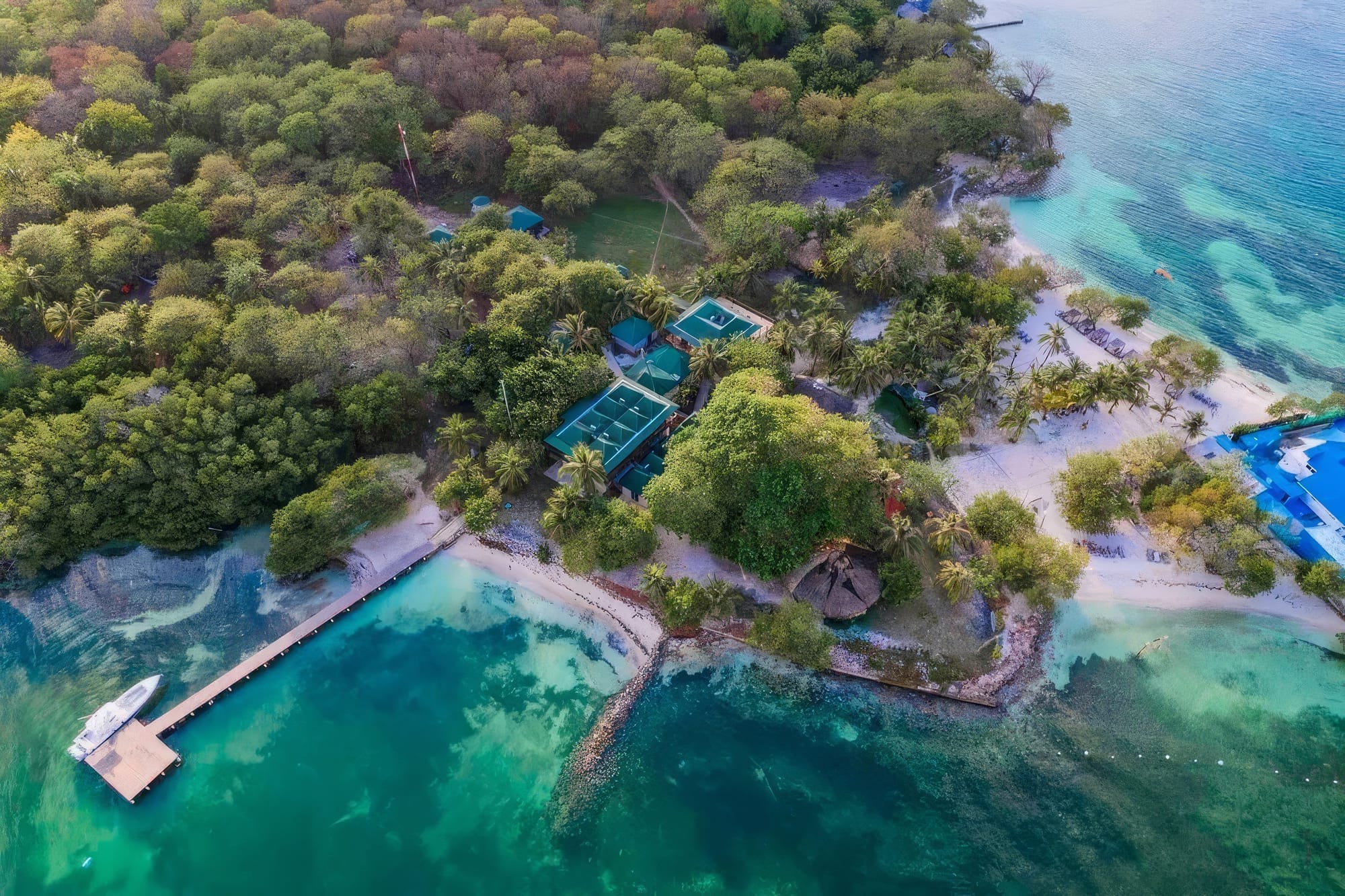
Bora Bora Beach Club occupies its own corner of Isla Grande, roughly 20 minutes from the mainland by boat. The atmosphere here is one of stimulating celebration, blending Caribbean spirit with attentive service in a setting designed for couples, families, friends and solo travelers alike. It is a place to disconnect from routine and reconnect with the simple pleasures of sea, landscape and unhurried time.
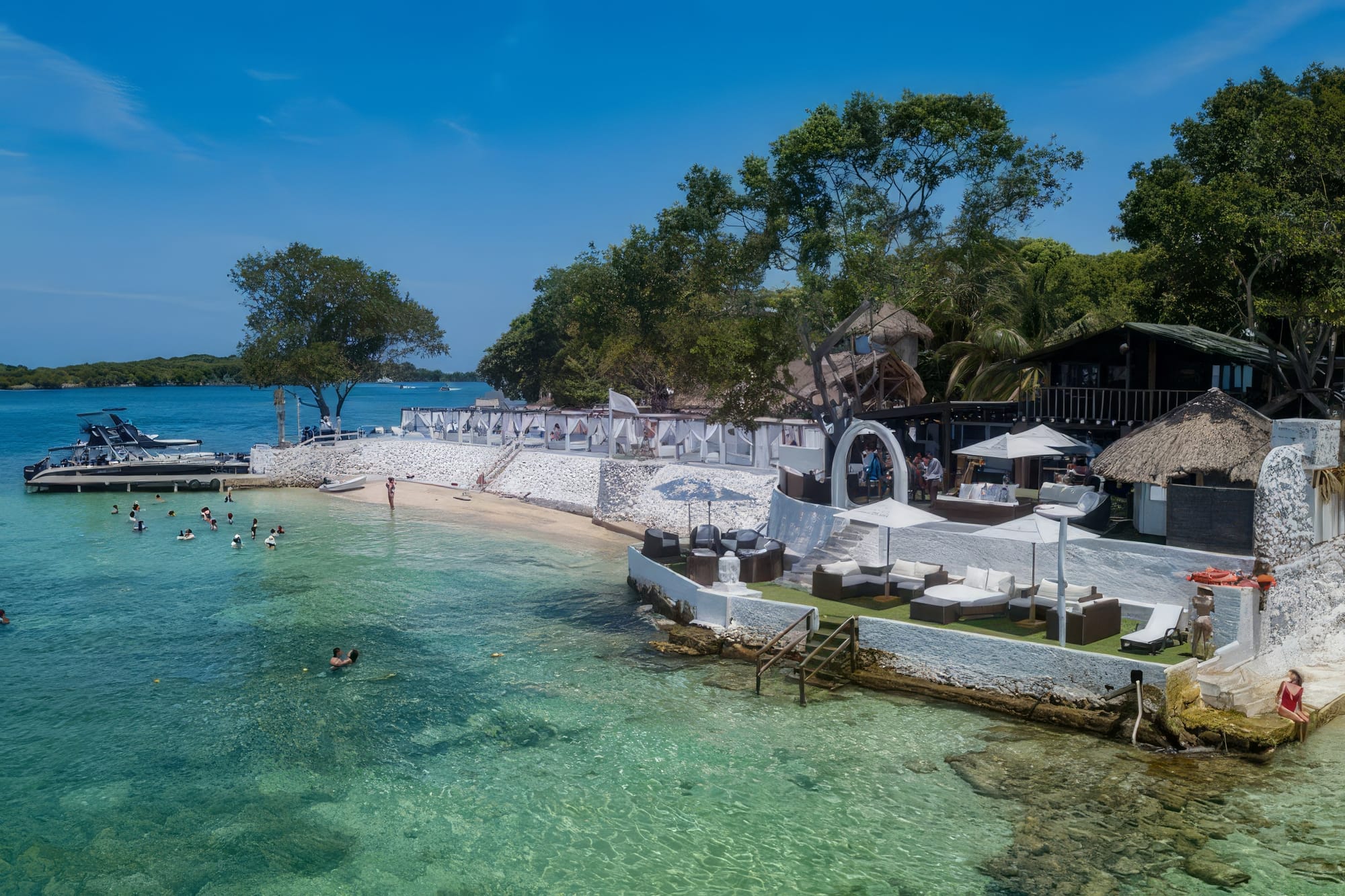
Most island venues require boat transfers of 10-30 minutes, with departures typically arranged from the Cartagena marina or Bocagrande. Planning ahead for transportation ensures a seamless experience.
Fine Dining
The culinary identity of Cartagena has been shaped by its history as a fishing village, its position as a colonial trading port and the mingling of Caribbean, South American and European traditions that have defined the city for centuries. The result is a dining scene of considerable depth and diversity, where celebrated chefs transform daily catches and native ingredients into experiences that honor tradition while embracing innovation. From intimate colonial courtyards to candlelit terraces overlooking cathedral towers, Cartagena restaurants reward those who come with appetite and curiosity in equal measure.
La Vitrola
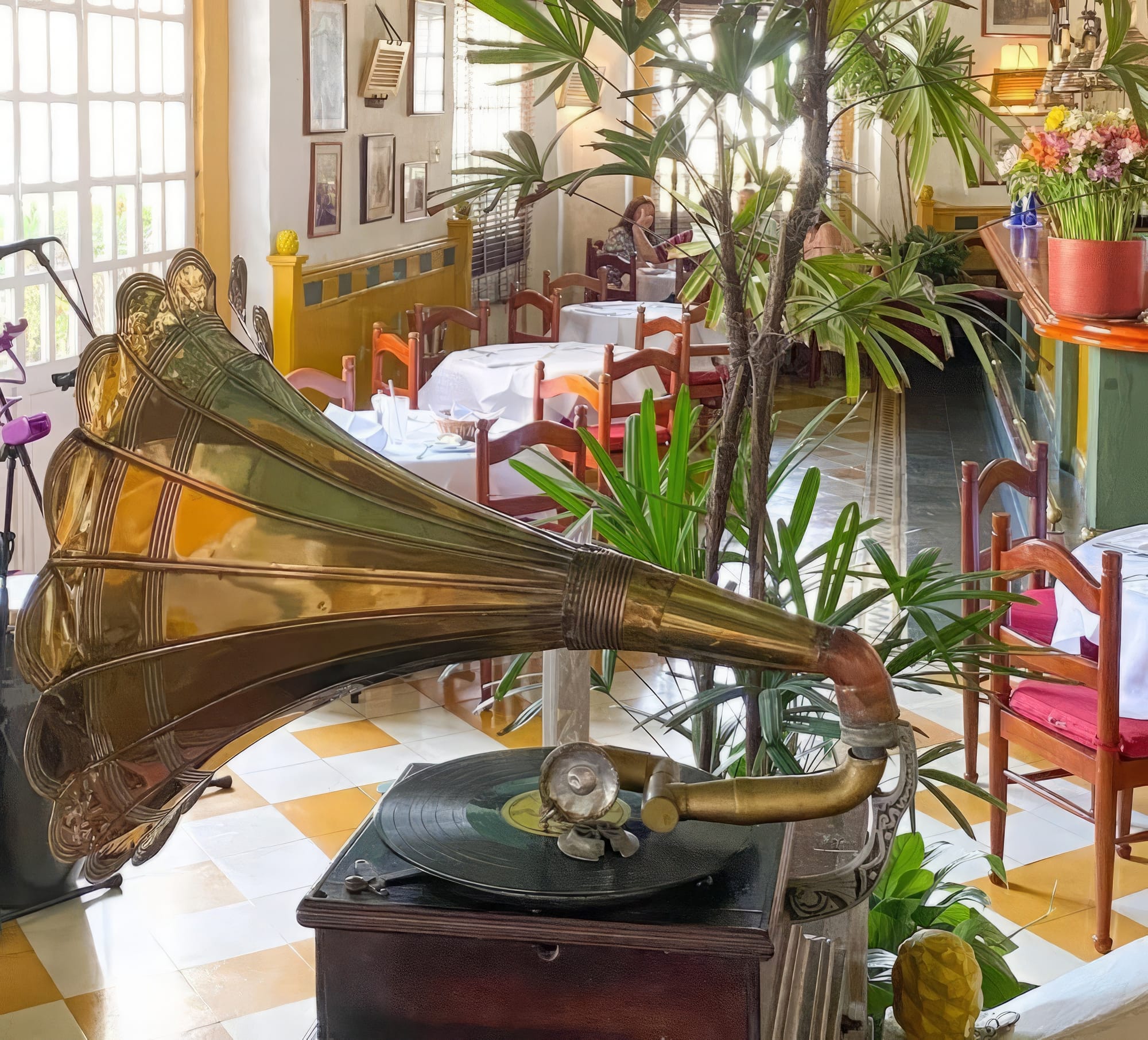
La Vitrola is in a charming 400-year-old Spanish colonial home where beautifully lit interiors decorated with antiques create the sensation of dining inside a living museum. The atmosphere channels 1950s Havana, with contagious Afro-Caribbean rhythms and merengue from a live orchestra setting the mood as guests savor Caribbean seafood, including a standout grouper preparation served with the restaurant's signature tamarind and chili sauce. Fine cuts of beef, carpaccio and pasta round out the menu, though it is the combination of music, history and expertly handled seafood that keeps guests returning.
Carmen
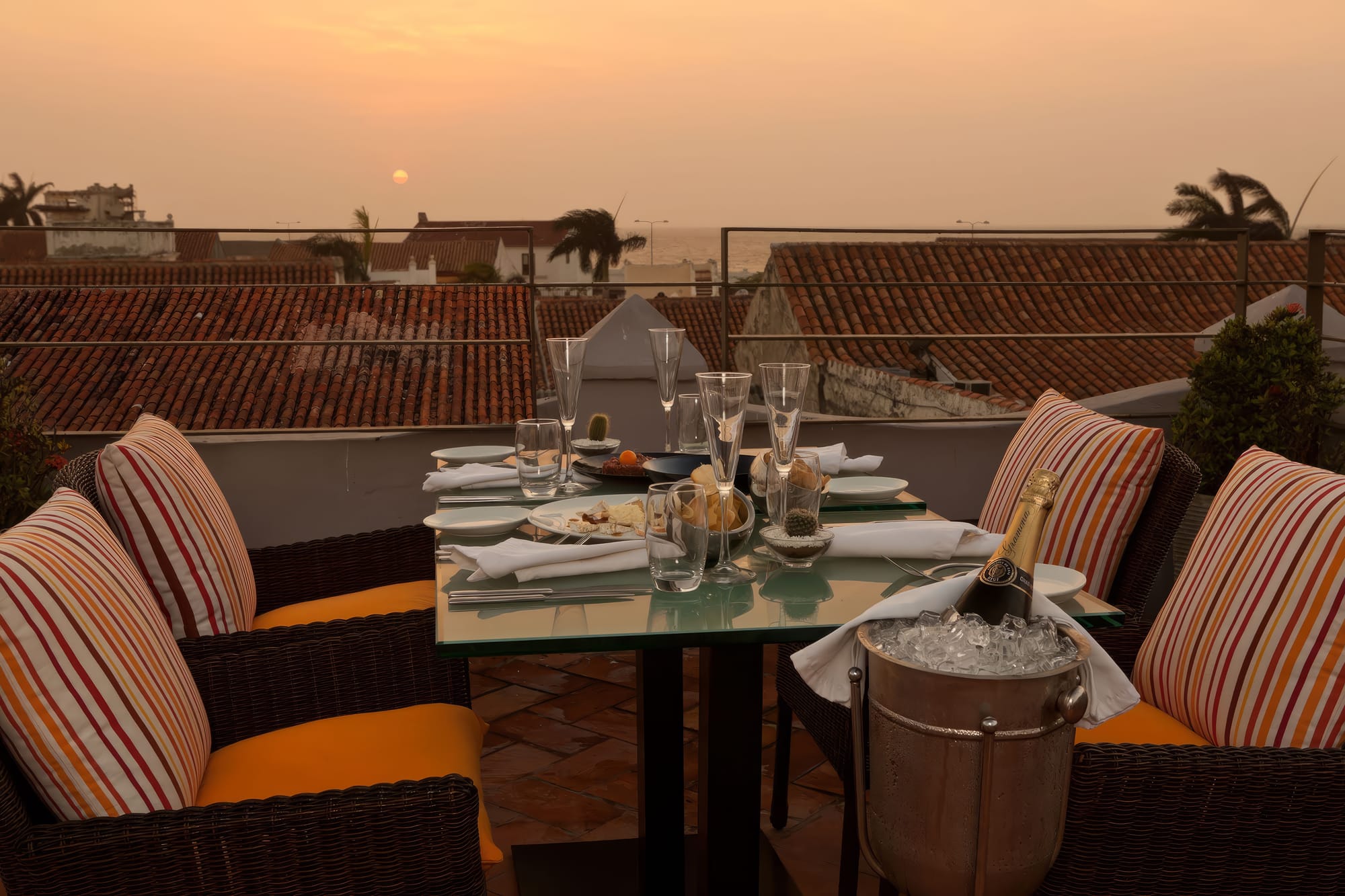
Carmen draws its inspiration from flavors of coastal Colombia, presenting contemporary dishes celebrating local ingredients with a particular passion for seafood. The gastronomic approach is diverse and innovative, rooted in typical coastal preparations yet refined through a modern sensibility. Personalized service in an elegant and serene atmosphere ensures an exclusive and unhurried experience.
Restaurant 1621
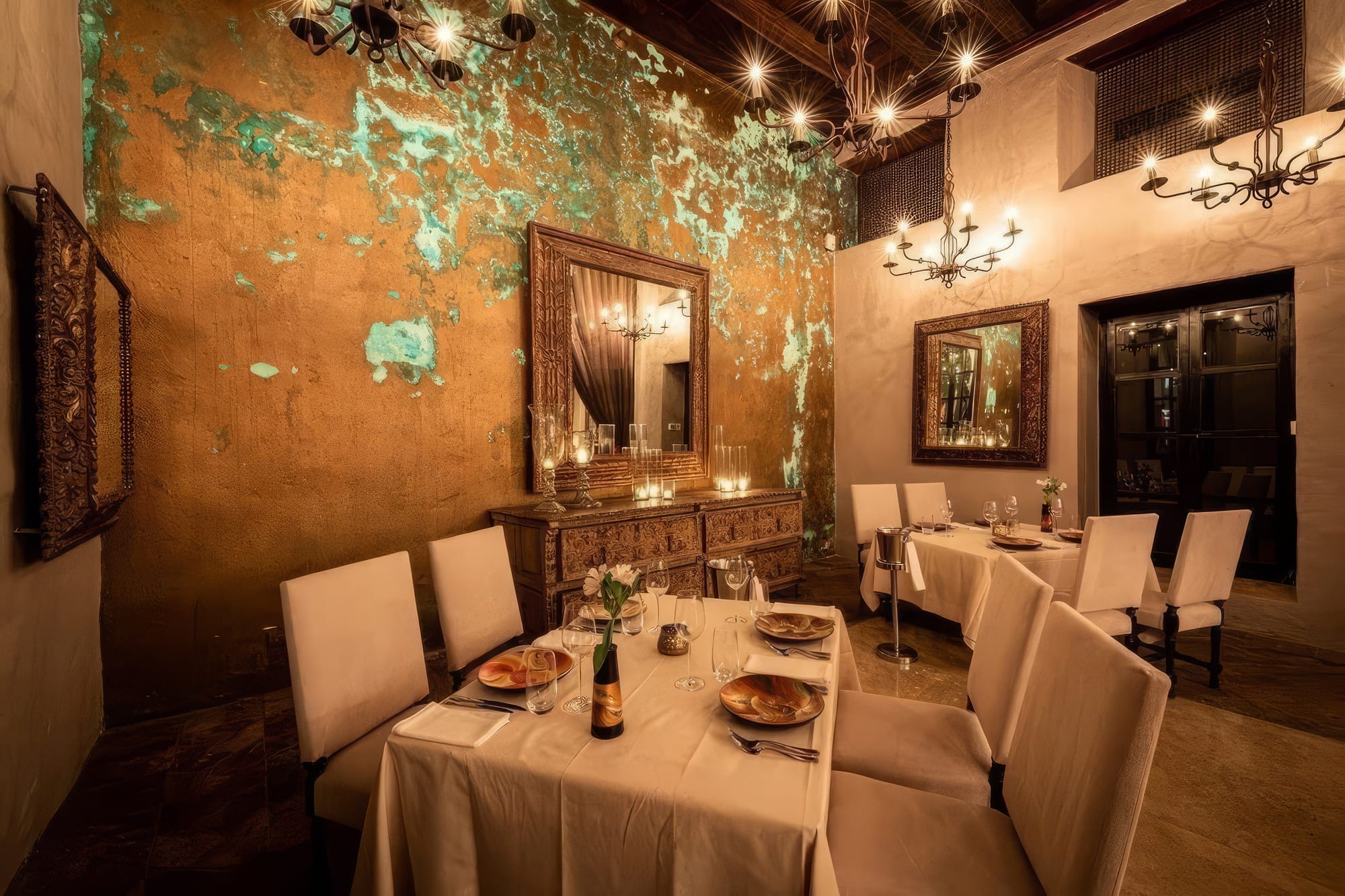
Restaurant 1621,is within the Sofitel Legend Santa Clara, a former convent whose walls hold centuries of mysteries and legends. The dining room once served the nuns of the Clare order and the space retains a gorgeous, sophisticated energy charged by the intensity of its history. The menu represents a marriage of French technique and native ingredients, with the chef and sommelier collaborating on themed menus designed to achieve perfect harmony between wine and plate.
Celele
Celele, under the direction of Chef Jaime Rodriguez, reads as a culinary love letter to the tropical north of the country. Native ingredients and ancestral preparation traditions are transformed into dishes that are rooted and revelatory, with each plate reflecting a deep respect for the region's biodiversity and its people. Ingredients are sourced ethically and in close partnership with local communities, lending the experience a conscience that matches its creativity.
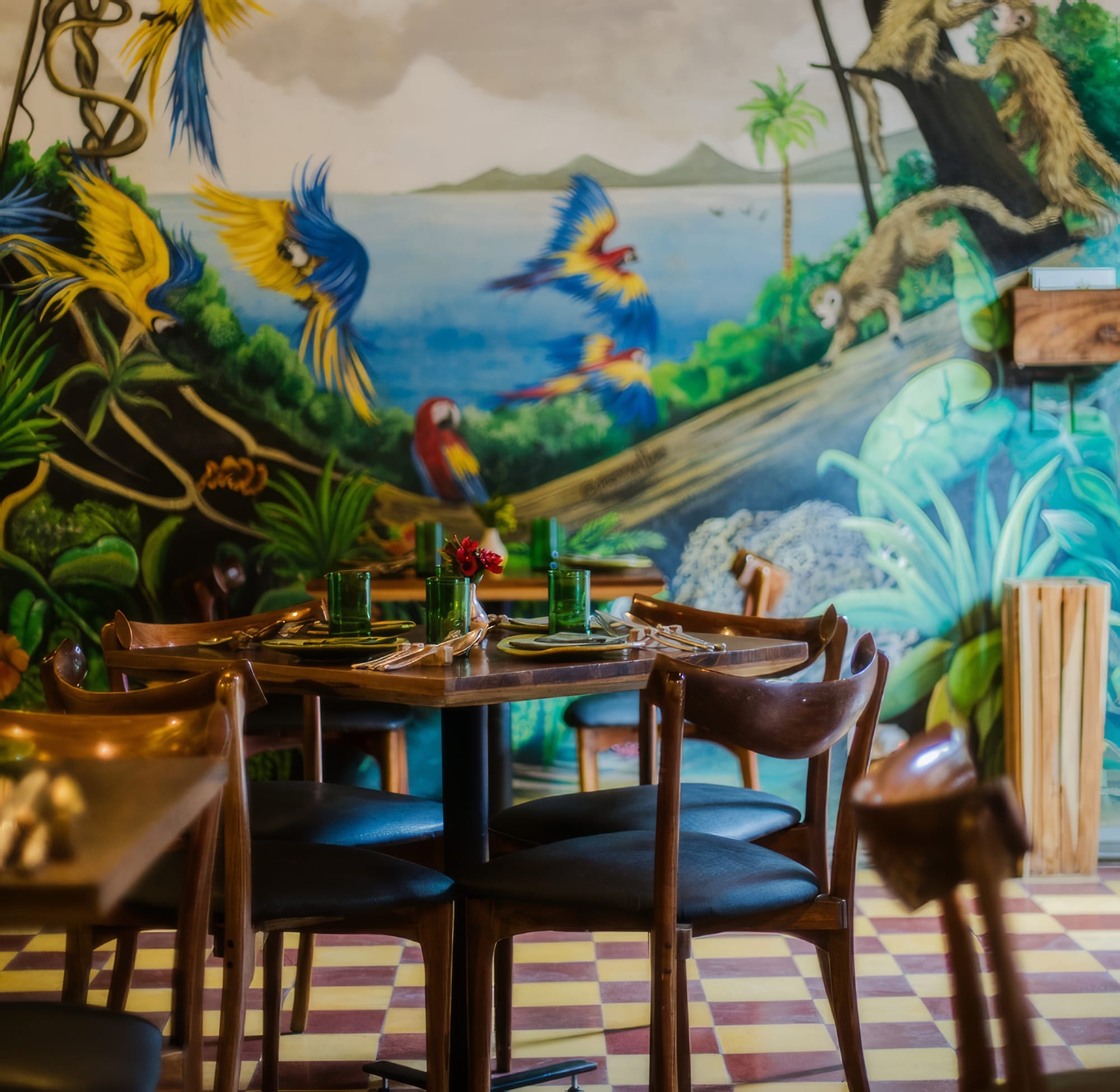
Marea
Marea sits in the heart of the historic center on the Bahia de las Animas, an elegant and contemporary space conceived by acclaimed brothers Jorge and Mark Rausch. Chandeliers illuminate a menu that navigates between Mediterranean and Caribbean flavors, with seafood at its center. Gentle sounds of a piano accompany attentive service, creating an atmosphere of refined calm that belies the energy of the city just beyond the doors.
Vera
Vera is hidden away from the city's bustle within the Tcherassi Hotel and Spa, between San Diego and Centro that feels like a world apart. The kitchen works exclusively with ingredients sourced from Italy, crafting dishes such as fettuccini maiale, a tender beef fillet with cherry and rosemary and traditional lamb with pumpkin and dates. A modern dining space extends into an elegant courtyard complete with a pool.The emphasis on formality and exceptional cuisine has earned the restaurant a reputation as one of the most refined dining experiences in Cartagena.
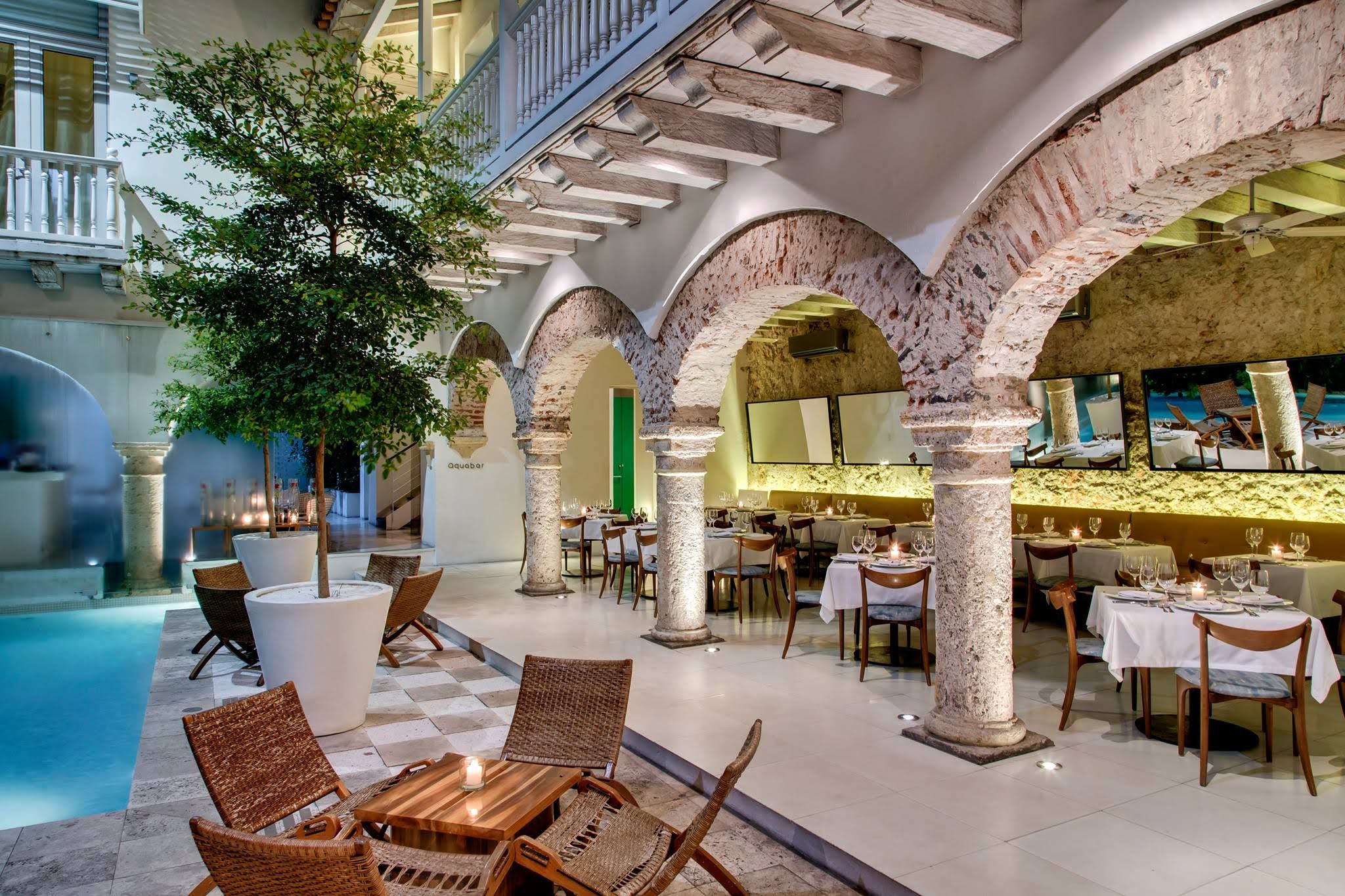
Harry Sasson
Harry Sasson brings a contemporary twist to traditional flavors of the coast, with a menu heavily influenced by the freshest local fish and shellfish. The restaurant's recognition on the exclusive list of Latin America's 50 best restaurants speaks to the skill with which these ingredients are handled — a combination of authentic coastal flavor and high-caliber elegance that has defined this small chain's reputation across the country.
Dona Lola
Dona Lola anchors the dining scene in Getsemani with a romantic atmosphere and an ultra-sophisticated salon with a connection between high art and fine dining. The menu navigates Caribbean, native and Spanish-inspired cuisine with modern flair. The lush tropical vegetation climbing the mansion's facade hints at the striking interiors within. Getsemani's most polished dining address, Dona Lola transforms a meal into an occasion.
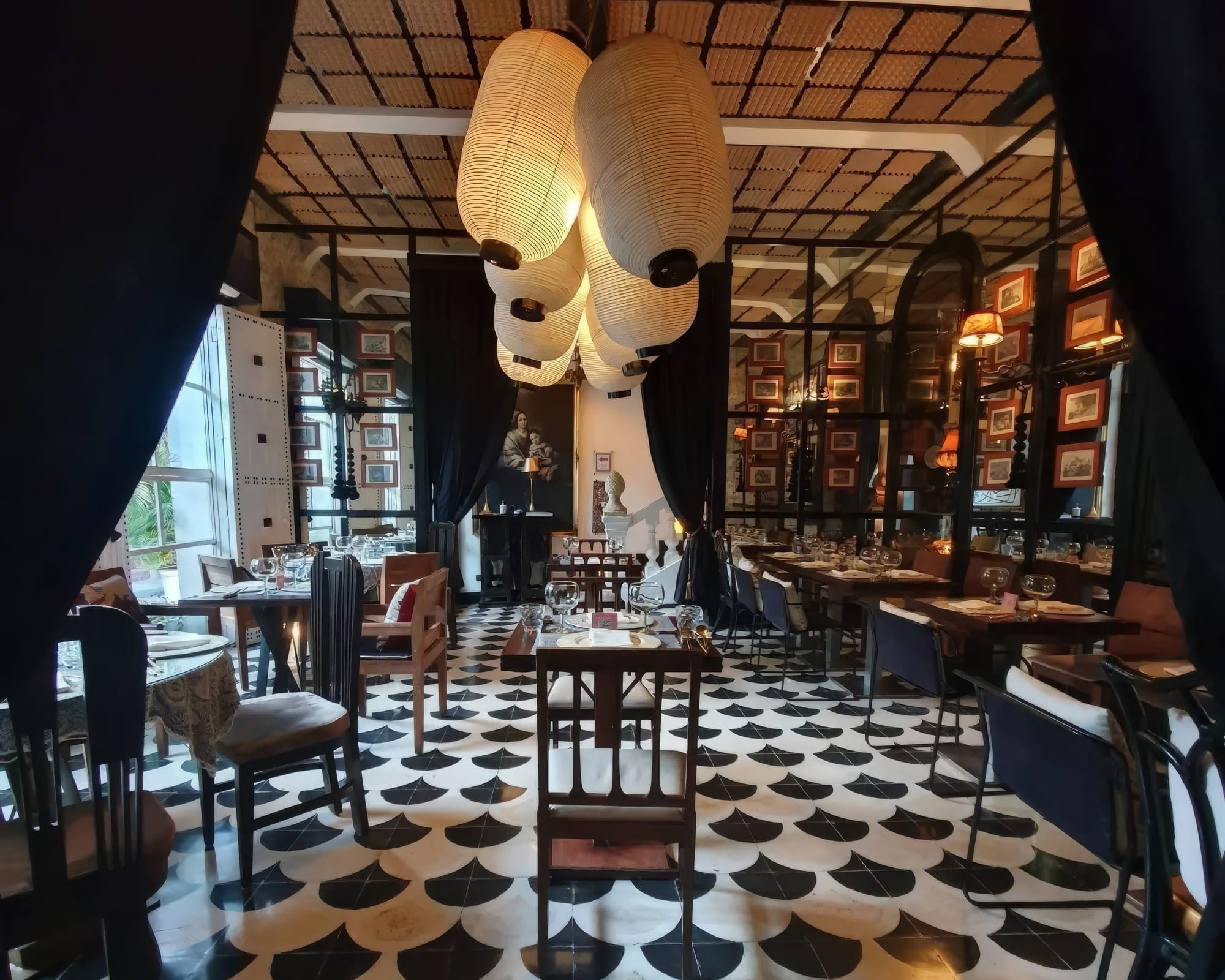
La Cevicheria
La Cevicheria, recognizable by the charming trinkets and lamps adorning its iconic red facade just steps from San Diego plaza, has reinvented the classic Peruvian ceviche with a distinctly Cartagena feel. Chef Jorge Escandon builds his ever-changing menu around the daily catch, ensuring freshness drives every dish. The cozy interior, rendered in crisp white and marine blue, pays homage to the sea that has shaped so much of the city's culinary legacy.
Humo
Humo invites guests on a culinary journey where fire takes center stage, blending Japanese precision with the local soul of Cartagena and Peruvian flair, all refined through delicate French techniques. The menu celebrates seasonality, showcasing the freshest available ingredients in preparations that surprise without sacrificing substance. For those seeking a dining experience at the intersection of multiple culinary traditions, Humo delivers with confidence.
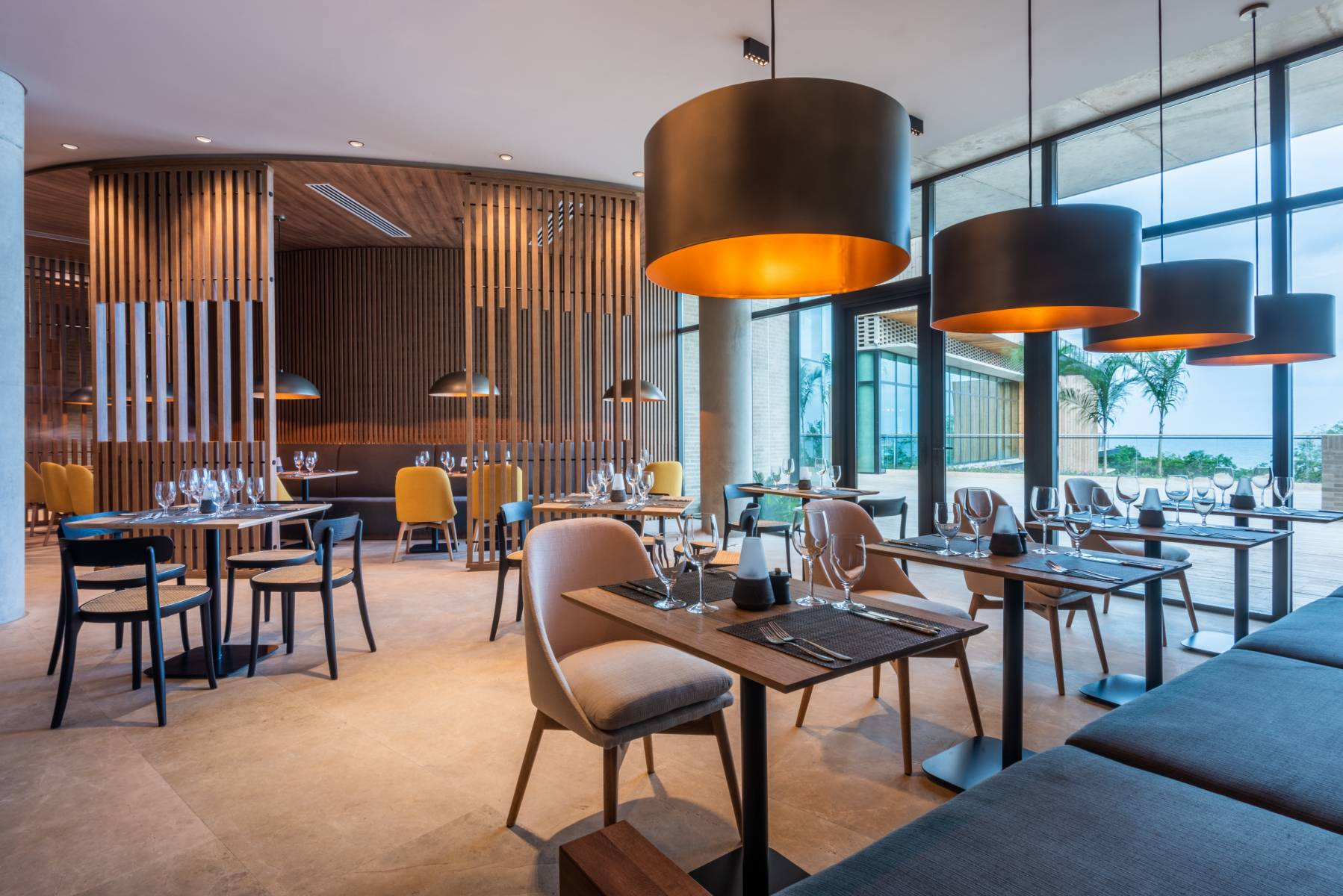
Other Restaurants
Beyond these celebrated establishments, the dining landscape extends to restaurants such as Mar y Zielo, where contemporary cuisine meets stunning nighttime views of the Cartagena Cathedral tower; Quebracho, which brings Argentinean grilling tradition to the Caribbean; and Alma, where the chef reimagines vibrant local flavors in a colonial courtyard framed by the city's ancient aqueduct. DonJuan, a favorite among Colombian politicians and La Langosta, with 25 years of Caribbean seafood expertise, further demonstrate the breadth and depth of the culinary scene.

To elevate your Cartagena experience, let our concierge team arrange a private chef dinner to sample local flavors.
LVH ServicesCafes and Bistros
Morning rituals carry their own significance in the city, where late breakfasts and long brunches are woven into the rhythm of daily life. Cartagena offers a collection of cafes and bistros where local recipes, seasonal fruits and exotic juices take center stage, providing a leisurely foundation for a day of exploration.
Pasteleria Mila
Pasteleria Mila is the old city's most refined patisserie, where distressed walls and wooden beams create a contemporary atmosphere and leather banquettes add a note of grandeur. The combination breakfast including pancakes with dulce de leche, sour cream, scrambled eggs and crispy bacon, provides a menu that ranges from traditional coastal carimañolas and cheese sticks to more elaborate egg preparations accompanied by mimosas. Frequented by prominent personalities, Mila has earned its reputation as the Old Town's foremost morning destination.

Coco Club Social
Coco Club Social channels the aesthetic spirit of Coco Chanel into a dining experience that is anything but ordinary. The French-inspired menu pairs unlimited mimosas with Croque Madame or Croque Monsieur, served alongside asparagus in bearnaise sauce, chips, fruit tarts, mushroom quiche and French toast. The venue's refined design matches the precision of its kitchen.
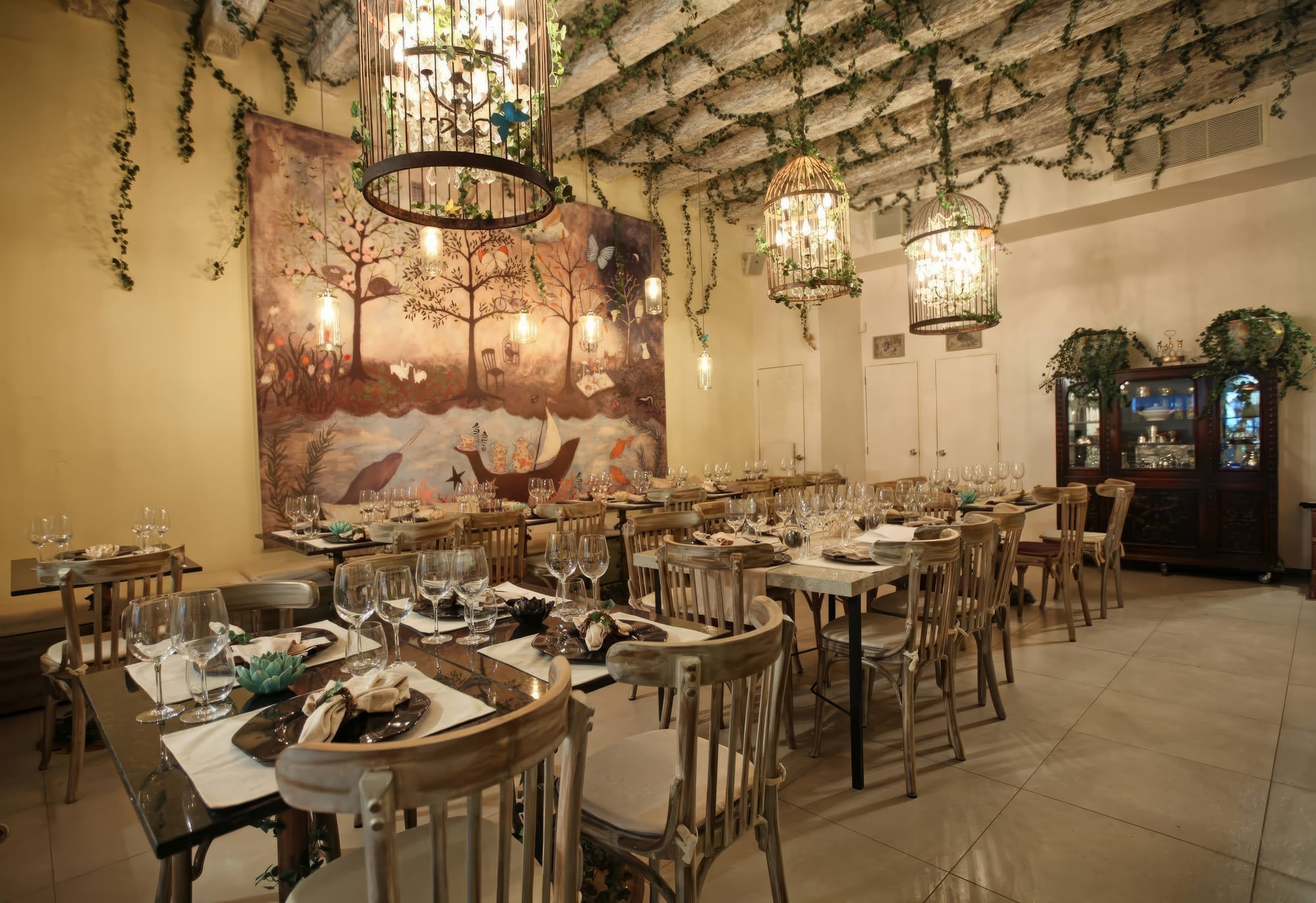
La Diva
La Diva offers an Italian-inflected brunch experience, with baked eggs, prosciutto, mozzarella and Parmigiano cheeses joining mortadella di Bologna sandwiches on a menu that concludes with amaretto gelato. The frizzante drinks,refreshing and effervescent,pair naturally with the Mediterranean warmth of the food.
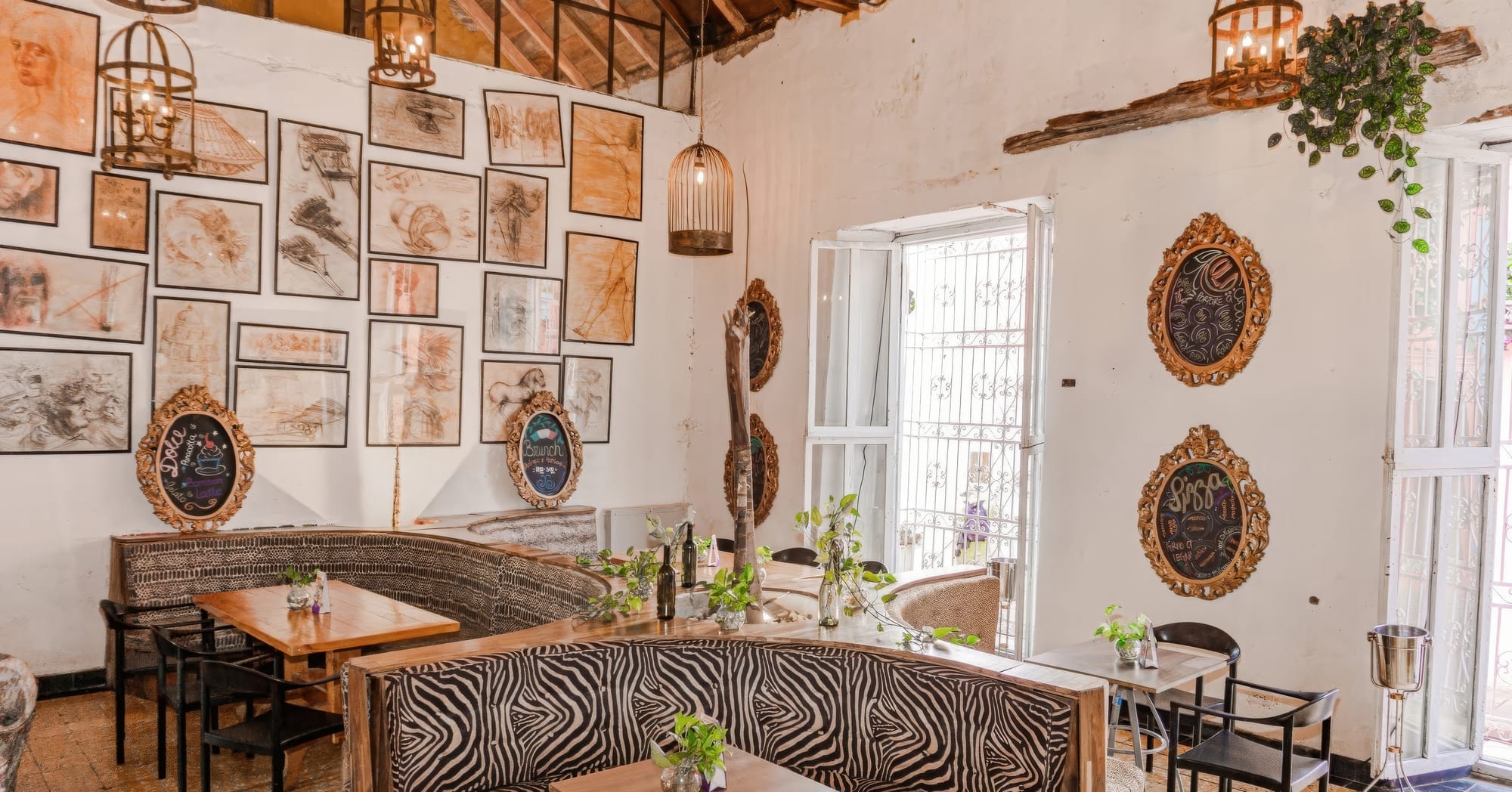
Cafe De La Manana
Cafe de la Manana is the ideal place to start the day simply and well: bright, cozy and equipped with large windows that frame the colonial streetscape. The menu favors healthy and artisanal products such as coffee in all styles, smoothies, natural juices, vegetable quiches, sandwiches and hummus toasts, creating a light and energizing start to a morning in the city.
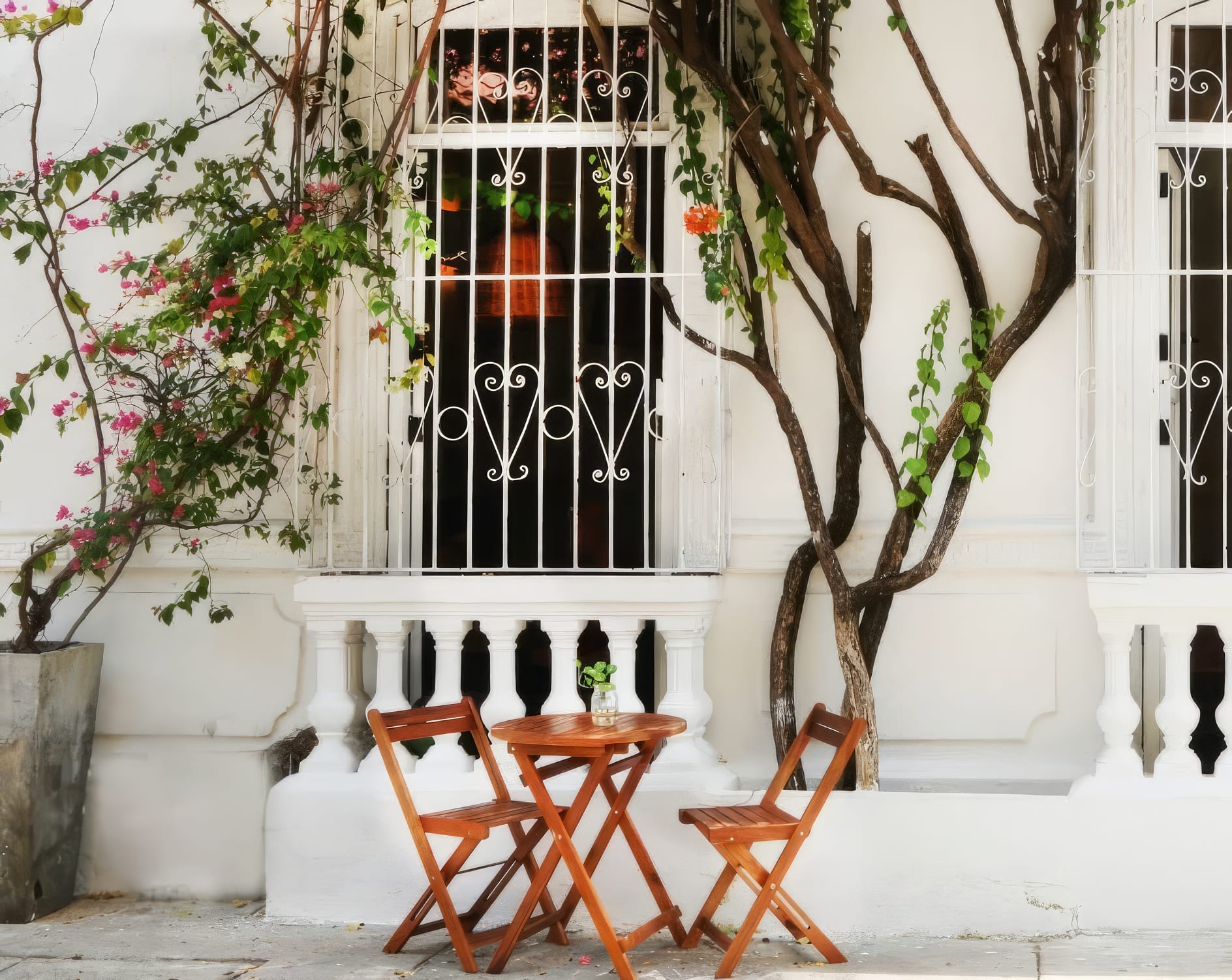
Ohlala Bistro
Ohlala Bistro specializes in coastal recipes distinguishing the culinary culture of Cartagena from the rest of the country. The Cabeza de Gato, a traditional dish of green plantain, whey, onion, coastal cheese and tomatoes, is included on a menu that also features omelets, tortillas and homemade jams made with seasonal fruits such as corozo and tamarind. Ohlala serves breakfast with genuine local character.
Cafe Epoca
For coffee enthusiasts, Cafe Epoca offers an experienced barista who guides guests through the varieties and preparation methods available, while crepes and waffles provide reliable and satisfying brunch options at its locations in the historic center and on San Martin Avenue in Bocagrande.

Nightlife and Bars
Cartagena after dark is a city in full possession of its character. It is nocturnal, vibrant and infused with Afro-Caribbean rhythms, the craft of mixology and the easy sociability of tropical nights. The scene spans rooftop tiki bars, live-music dance clubs, VIP lounges and bohemian tapas locations, concentrated primarily in Getsemani and the historic center. Whether the evening calls for an inventive beverage in Cartagena's world-ranked bars or an uninhibited dance floor until the early hours, the city obliges.
Alquimico
Alquimico was named among the world's 50 best bars in 2020 through a highly conceptual approach to creating cocktails. The venue spans three distinct floors within a renovated mansion in the historic district. The ground floor specializes in signature and custom cocktails, the balcony focuses on classics and a rooftop bar crowns the experience with Caribbean-inflected concoctions. The owners, self-styled alchemists and apothecaries, aim to awaken the senses with original creations.The dress code reflects the establishment's commitment to occasion. This is a venue where guests arrive prepared to be impressed.
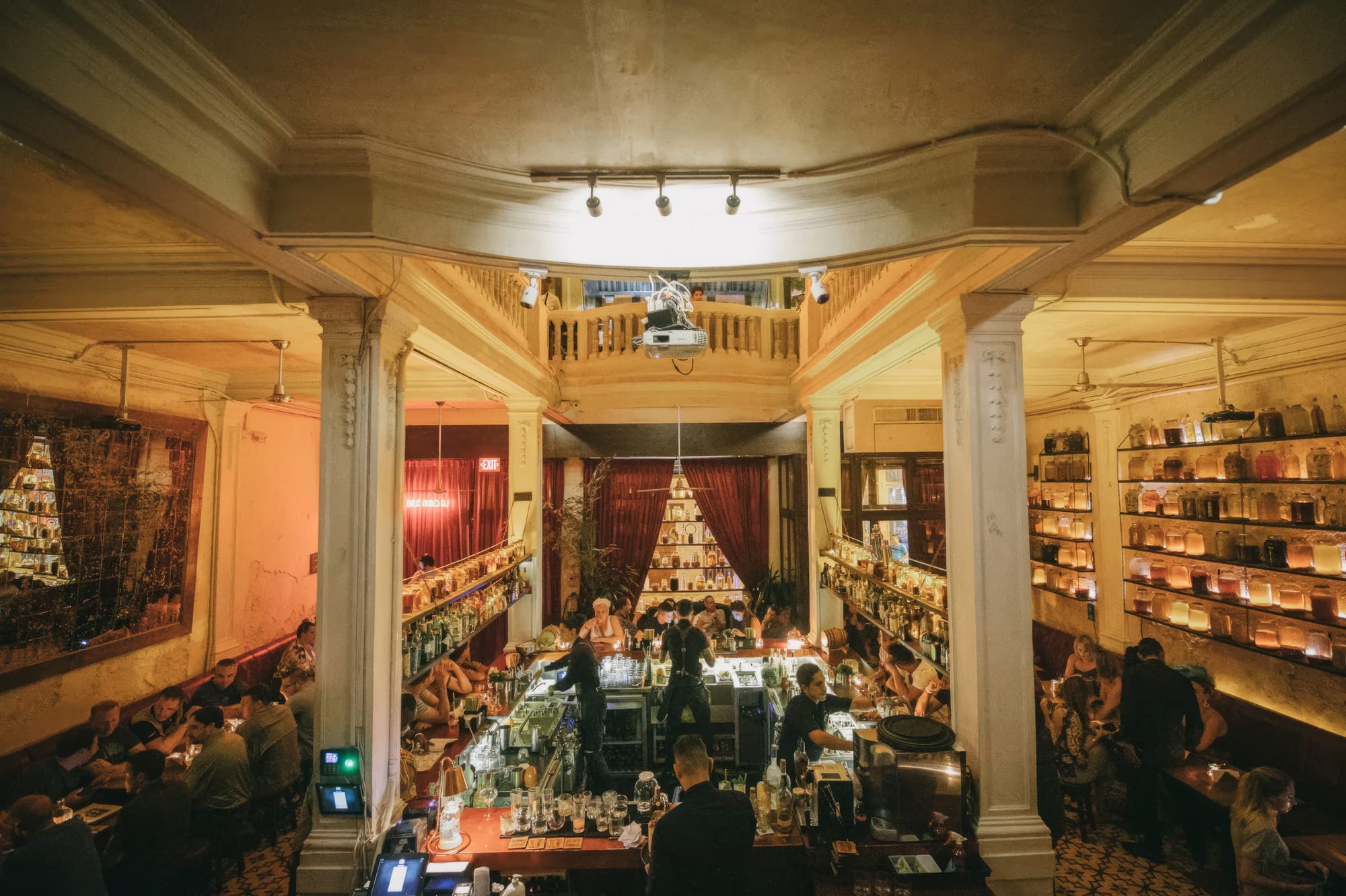
Cafe Havana
Cafe Havana remains the definitive venue for those who want to test their salsa skills in an authentic setting. Located in Getsemani, the undisputed nightlife capital of the city, the club opens five nights a week until four in the morning, with live music filling a beautiful bar equipped with plenty of ceiling fans, a practical necessity for anyone planning to match the energy on the dance floor.
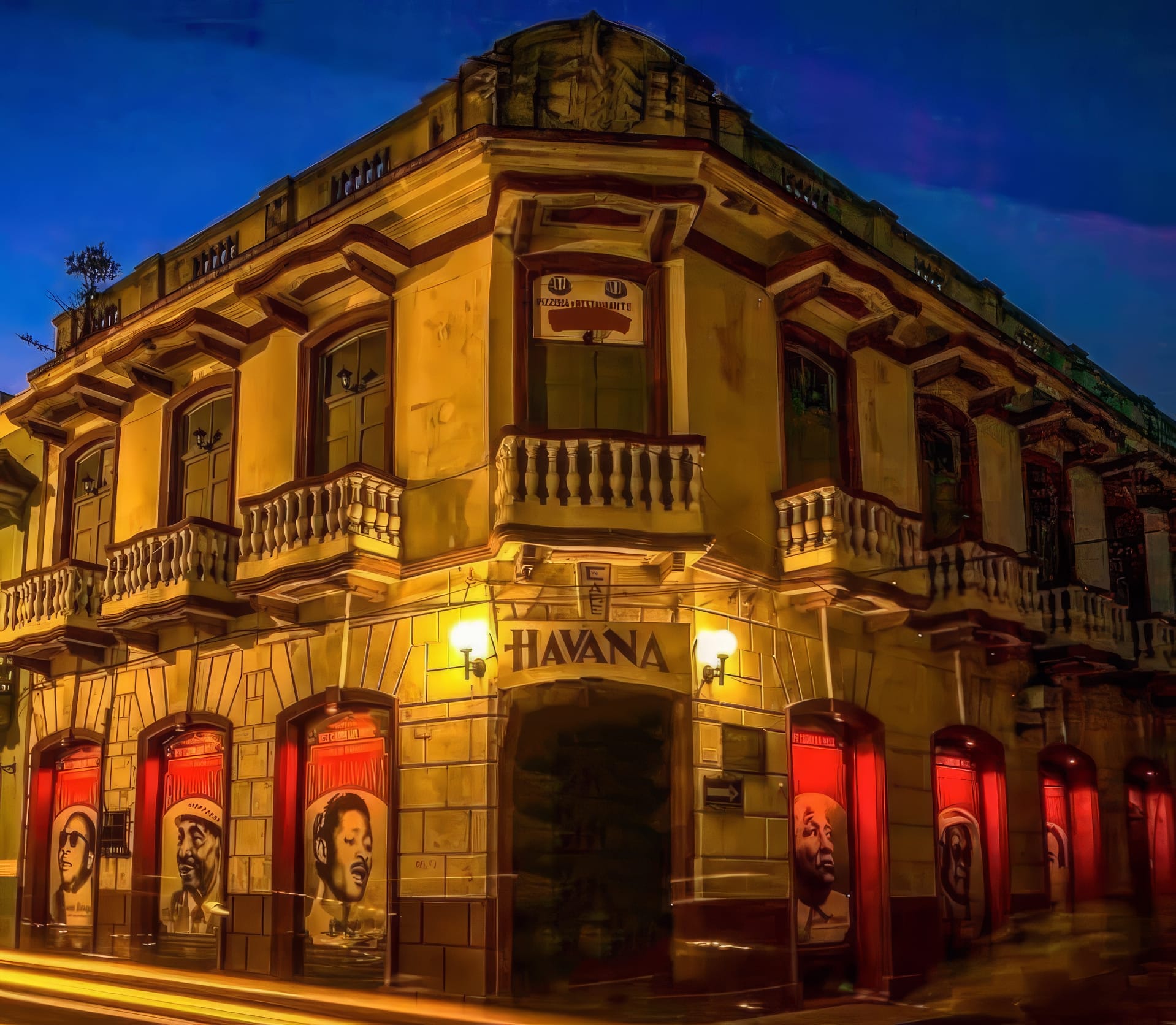
El Coro Lounge Bar
El Coro Lounge Bar, in the Sofitel Legend Santa Clara Hotel, delivers sophistication that befits one of the city's most storied properties. Inventive cocktails flow as live Cuban music builds the tempo through the evening, drawing a polished crowd of discerning locals and international visitors. An exclusive cigar list and an opulent smoking area complete an experience calibrated to the unhurried pleasures of a Caribbean evening.
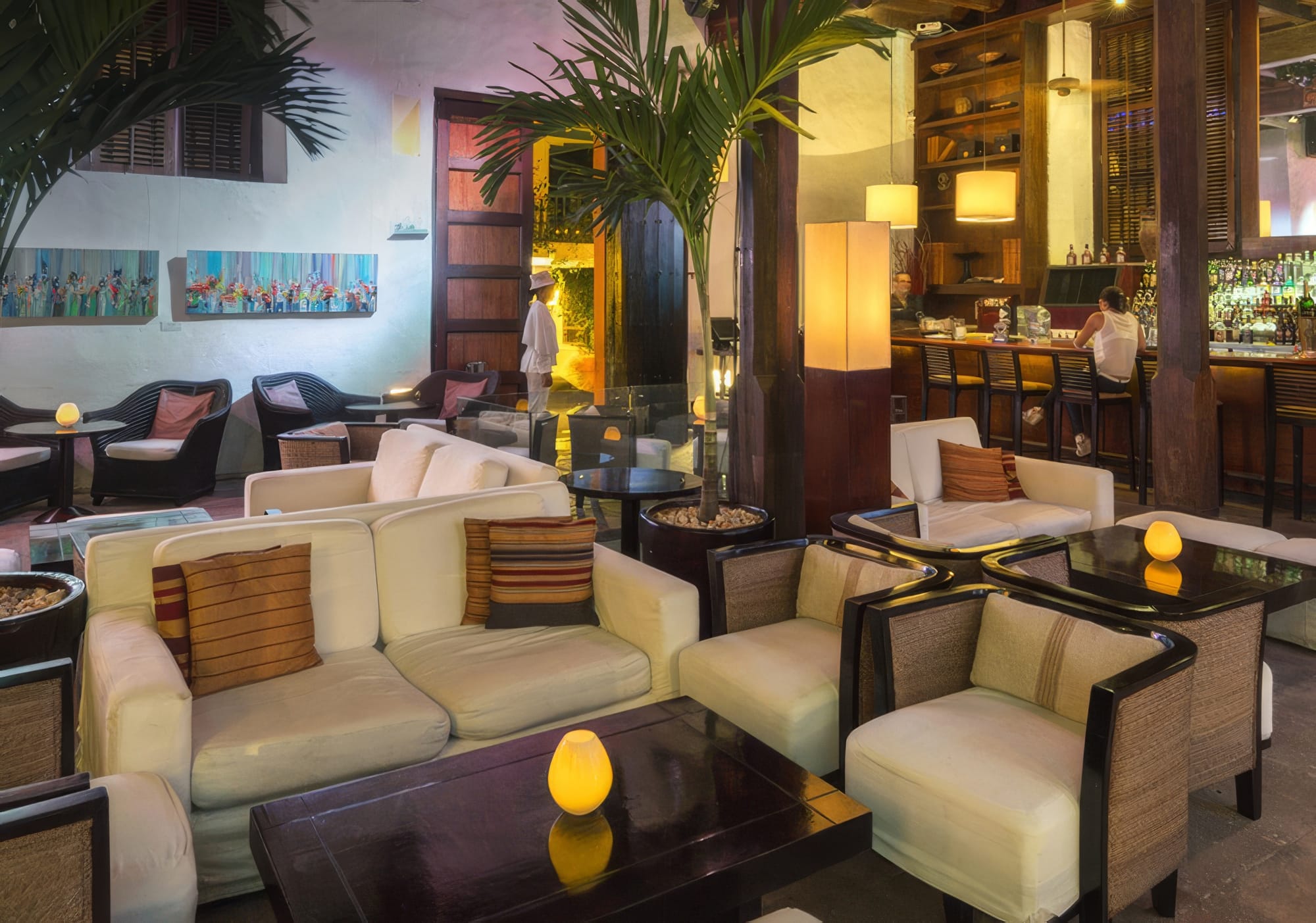
Cuba 1940
Cuba 1940 channels the soul of Havana's golden era from its perch in the San Diego neighborhood. Live tropical music spills onto the streets, enveloping passersby in rhythms reminiscent of those long, hot Cuban nights. Cocktails are excellent, the casual cuisine is satisfying and the tropical ambiance lodges in memory long after departure.
La Jugada Club House
La Jugada Club House exists as the VIP alternative for guests with more exclusive tastes. The space with marble, wrought iron, gold, art-deco mirrors, teetering balconies and hidden alcoves, provides the backdrop for a house DJ, saxophone player and traditional tambour drum performer who collaborate to drive the crowd toward euphoria. The music leans electro and house, elevated by cross-over favorites and live instrumentation.
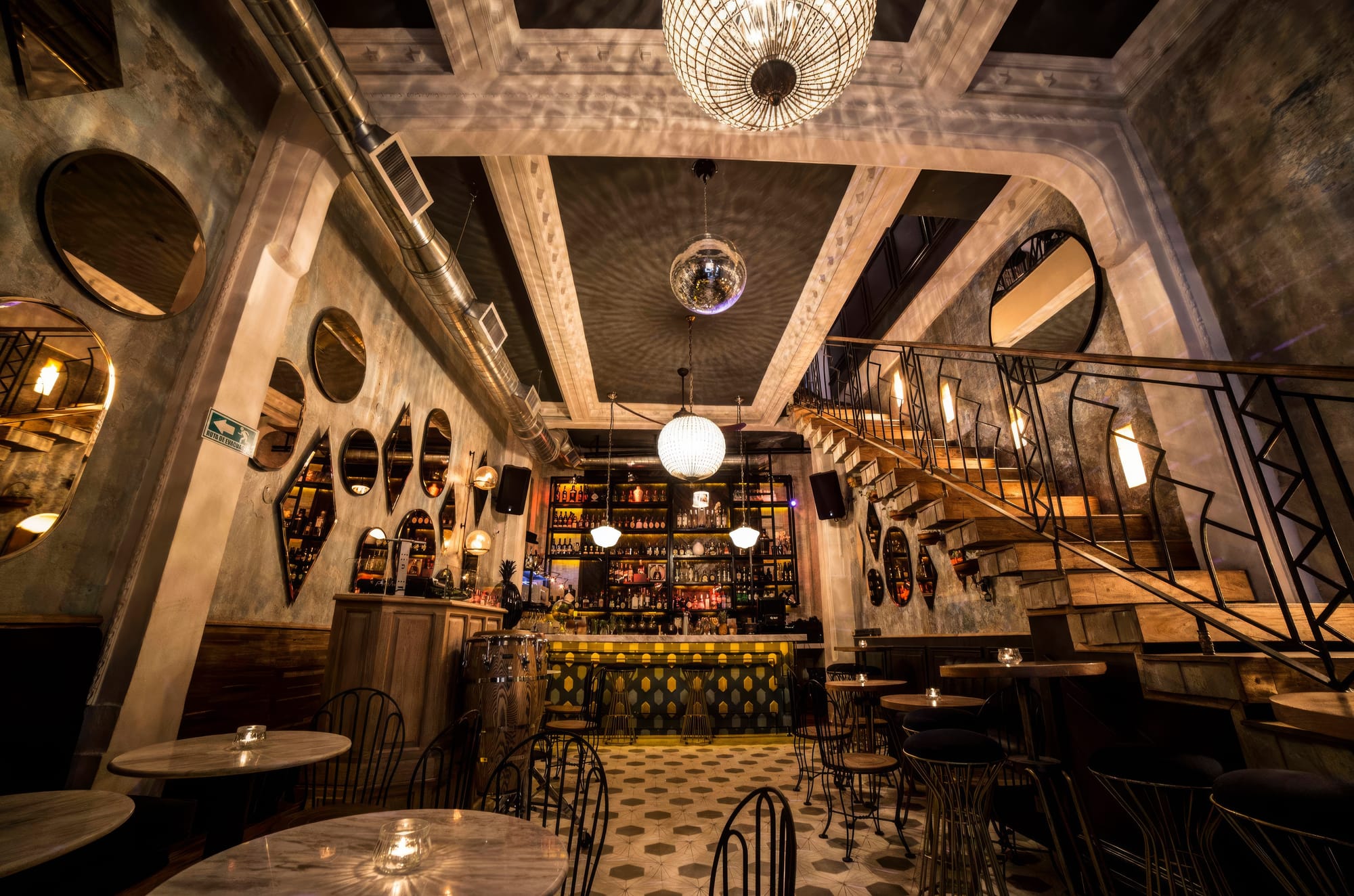
La Movida
La Movida strikes a balance between European refinement and Caribbean allure with a retro-vintage style making it the bar of choice for the city's social elite. A tapas menu by Chef Rodrigo Diaz offers Spanish-inspired small plates.The advice is to arrive early to secure a table before the evening's energy reaches full velocity. This is a venue that rewards dressing well.
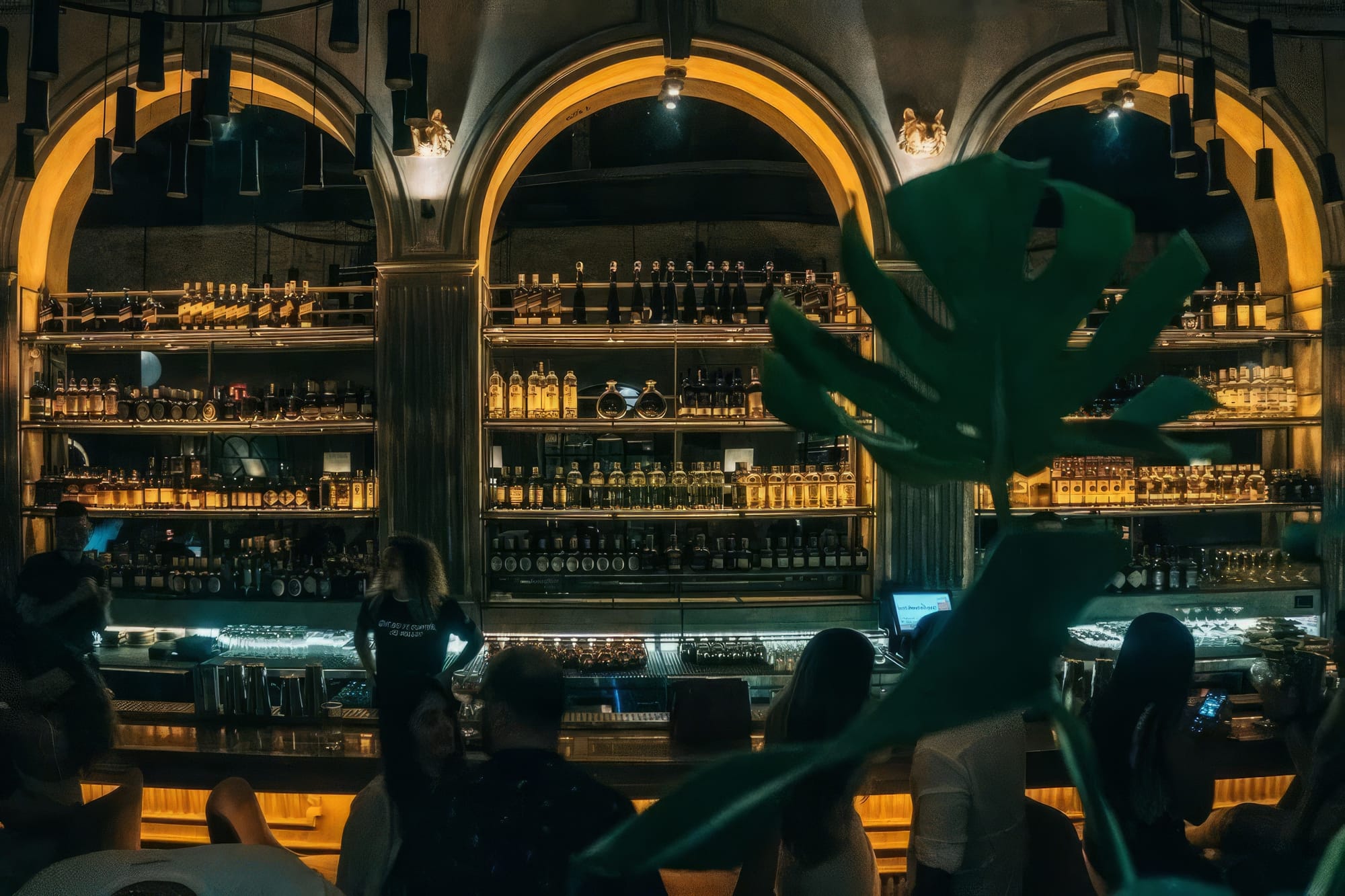
El Baron
El Baron is a more intimate affair with a charming cafe and liquor bar facing San Pedro's church and plaza. Cocktails are made to perfection, the wine list is thoughtful and the coffee, arguably the finest in the city,elevates a simple afternoon visit into something worth lingering over. The venue embodies the magic of the old city in miniatureIt is exclusive, cozy and quietly avant-garde.
Demente Tapas Bar
Demente Tapas Bar channels the bohemian spirit of its Getsemani location through a facade-less building that blends rustic soul with minimalist design. The tapas menu bridges Spanish and Caribbean traditions with patatas bravas, oxtail, fried dumplings and octopus dishes. Theyouthful, spontaneous energy of the neighborhood pulses through the space. For newcomers to Getsemani's nightlife, Demente provides an ideal introduction.
Shopping
The shopping landscape of Cartagena reflects a city that has always been a crossroads of trade and culture. From restored colonial arcades housing local designers to narrow streets lined with international luxury labels, the city rewards those who approach shopping as an exploration. Several products including emeralds, handwoven bags, single-origin coffee and artisanal cigars are so deeply tied to the identity of Colombia that purchasing them here feels less like retail and more like cultural participation.
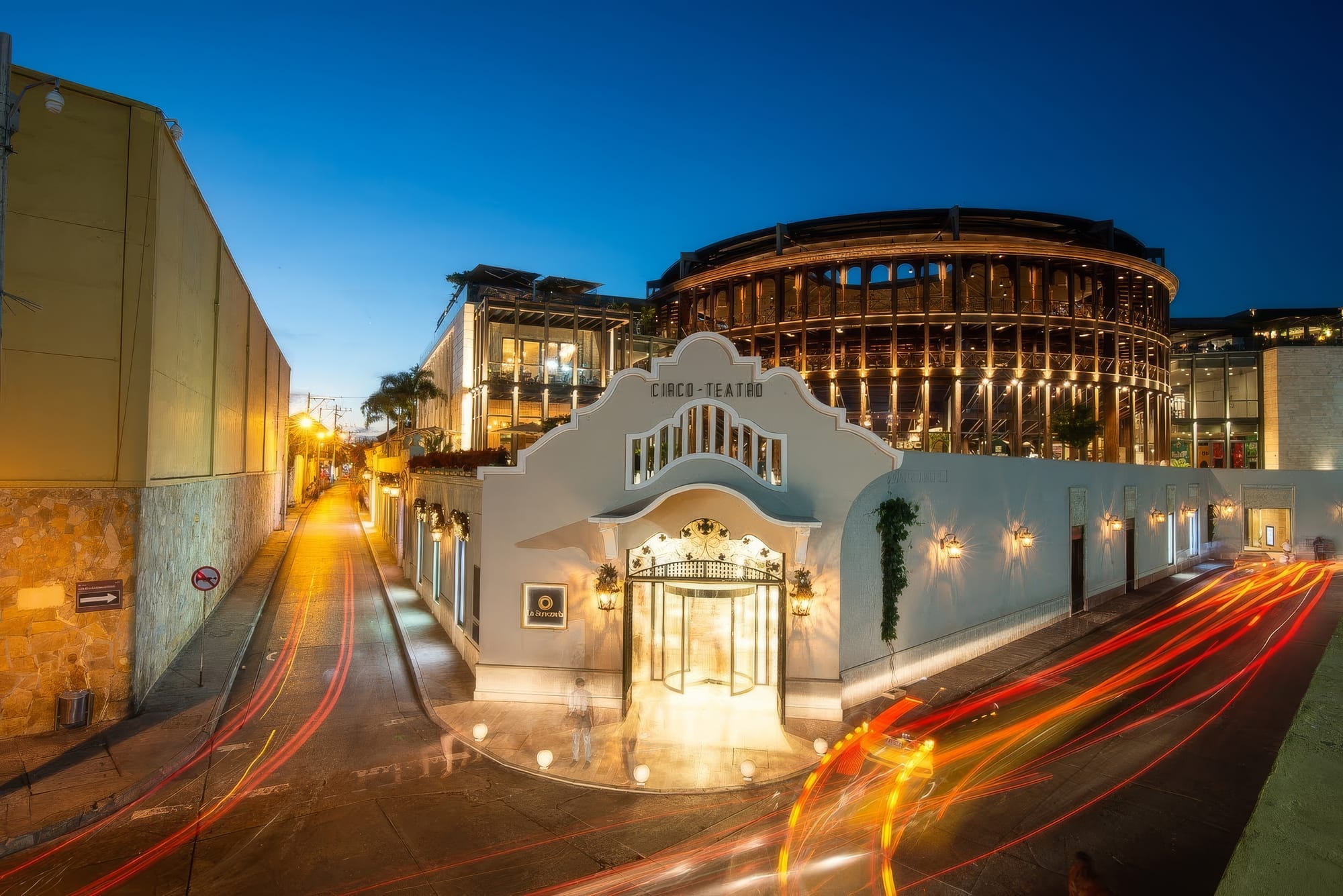
La Serrezuela
La Serrezuela was originally built in 1893 as a bullring and central theater to host bullfights, equestrian displays, plays and boxing tournaments through the 1970s. The structure was devastated by fire before a visionary restoration returned it to prominence as a shopping arcade. Today, La Serrezuela includes a diverse array of local designers and brands not easily found elsewhere, occupying a prime position on the edge of San Diego, just blocks from the Sofitel Santa Clara.
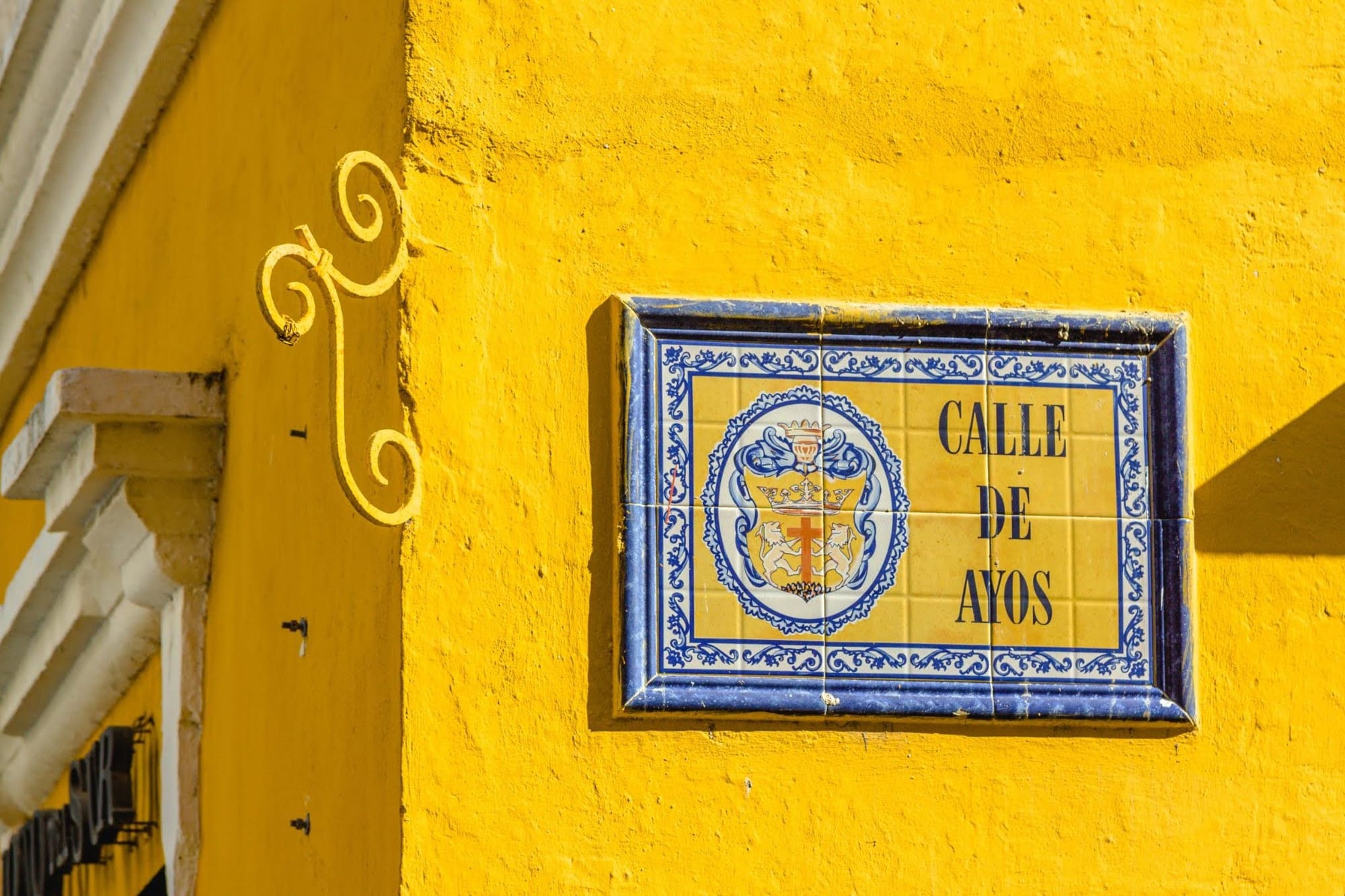
Calle De Ayos
Calle de Ayos is something of a miniature Beverly Hills, with high-end international retailers concentrated along a single elegant street just minutes from Plaza de los Coches and its adjoining Portal de los Dulces arcade. Le Collezioni, Ermenegildo Zegna, Hackett London and Harmont and Blaine share the thoroughfare, creating a walk through international fashion within the walls of the old city.
St. Dom
St. Dom brings together more than 100 local designers under one roof, with curators Alex Srour and Maya Memovic assembling a collection that spans clothes, bags, art, jewelry and accessories. The emphasis on homegrown talent makes it a compelling destination for those who prefer to discover emerging design rather than shop established global brands.
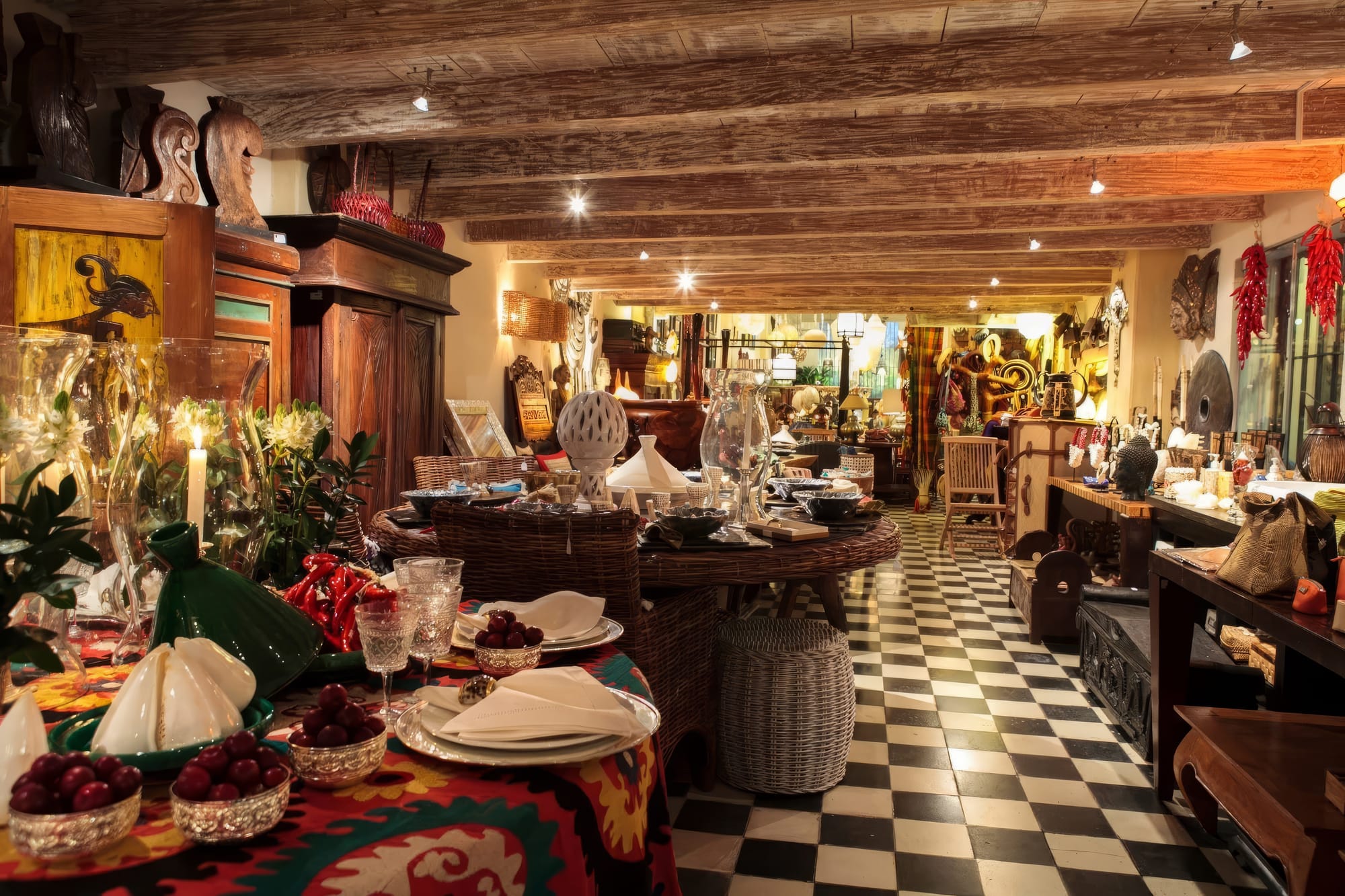
Casa Chiqui
Casa Chiqui is an eccentric treasure trove in the historic center, combining Mexican ceramics, Indonesian lamps and Jordanian jewelry with pieces by local design house Hechizoo whose cashmere hammocks and rugs are stocked here exclusively in Cartagena. The experience is closer to curated discovery than conventional retail.
Lucy Jewelry
Lucy Jewelry, near Plaza Santo Domingo, specializes in the country's most celebrated export: emeralds. The shop offers gemstones and finished jewelry featuring the stone that has drawn miners, merchants and collectors to the region for centuries.

Colombian Specialties
Beyond specific boutiques, several categories of product deserve mention for visitors interested in distinctly local purchases. Mochila Wayuu bags are brightly or neutrally toned, handwoven with striking geometric patterns by Indigenous artisans from La Guajira represent both a fashion statement and a direct contribution to the Indigenous communities of the country. La Cava del Puro offers the finest selection of hand-rolled cigars in the city, with the owner's generous rum tastings and storytelling making the purchase itself an event. Colombian designer swimwear from labels such as Ondademar, Touche, Agua Bendita and Maaji — the last of which was acquired by the Louis Vuitton group — showcases the innovation and craftsmanship of the fashion-forward beachwear industry of Cartagena. Paula Mendoza's sculptural jewelry, which reinterprets pre-Columbian art into bold contemporary pieces, represents another dimension of national design worth seeking out. Freshly roasted coffee, available from roasters such as Cafe del Mural, Epoca and Cafe San Alberto, is perhaps the most portable and universally appreciated souvenir the country offers.
Activities and Day Trips
The position of Cartagena between the Caribbean Sea and the Colombian interior opens a range of experiences that extend well beyond the walled city's cobblestone streets. Whether exploring on foot, by bicycle or by yacht, the landscape around the city offers cultural immersion, natural beauty and the kind of active pursuits that transform a vacation from pleasant to unforgettable.
On Land
Walking Tour of the Walled City
A walking tour of the walled city remains the most essential of the top things any visitor can do. Whether on foot, by bicycle, Segway or horse-drawn carriage, the route reveals flower-filled balconies, silhouettes of watchtowers and forts illuminated by Caribbean sunsets and impeccably preserved wall stretches at Baluarte San Francisco Javier. Hiring a guide for a professionally led tour ensures the essential historical and architectural details are not missed, though a free walking tour led by knowledgeable locals or simply wandering with no fixed agenda can be equally rewarding.
Local Market Tour and Cooking Class
A local market tour and cooking class provides one of the most immersive cultural experiences available. The morning begins at Bazurto market, where the colors, aromas and energy of a working Caribbean market unfold in full. After selecting fresh regional ingredients, participants move to a family home to prepare a traditional coastal meal under the guidance of a local chef.This is an experience that connects visitors to the culinary traditions of the region in the most direct way possible.
Private Salsa Dancing Lessons
Private salsa dancing lessons offer a deeper connection to the rhythm that defines the identity of Cartagena. Music fills every corner of the city, from neighborhood tiendas to late-night clubs.Learning even the fundamentals transforms an evening out from spectator sport to active participation. The instruction is tailored to all levels and skills acquired will serve visitors well at venues like Cafe Havana long after the lesson ends.

Guided Biking Tour
A guided biking tour traces the Caribbean seafront and UNESCO-listed monuments, with stops in Centenario park and the Getsemani neighborhood providing opportunities to observe murals and local daily life at a pace that allows for genuine engagement.
San Basilio de Palenque
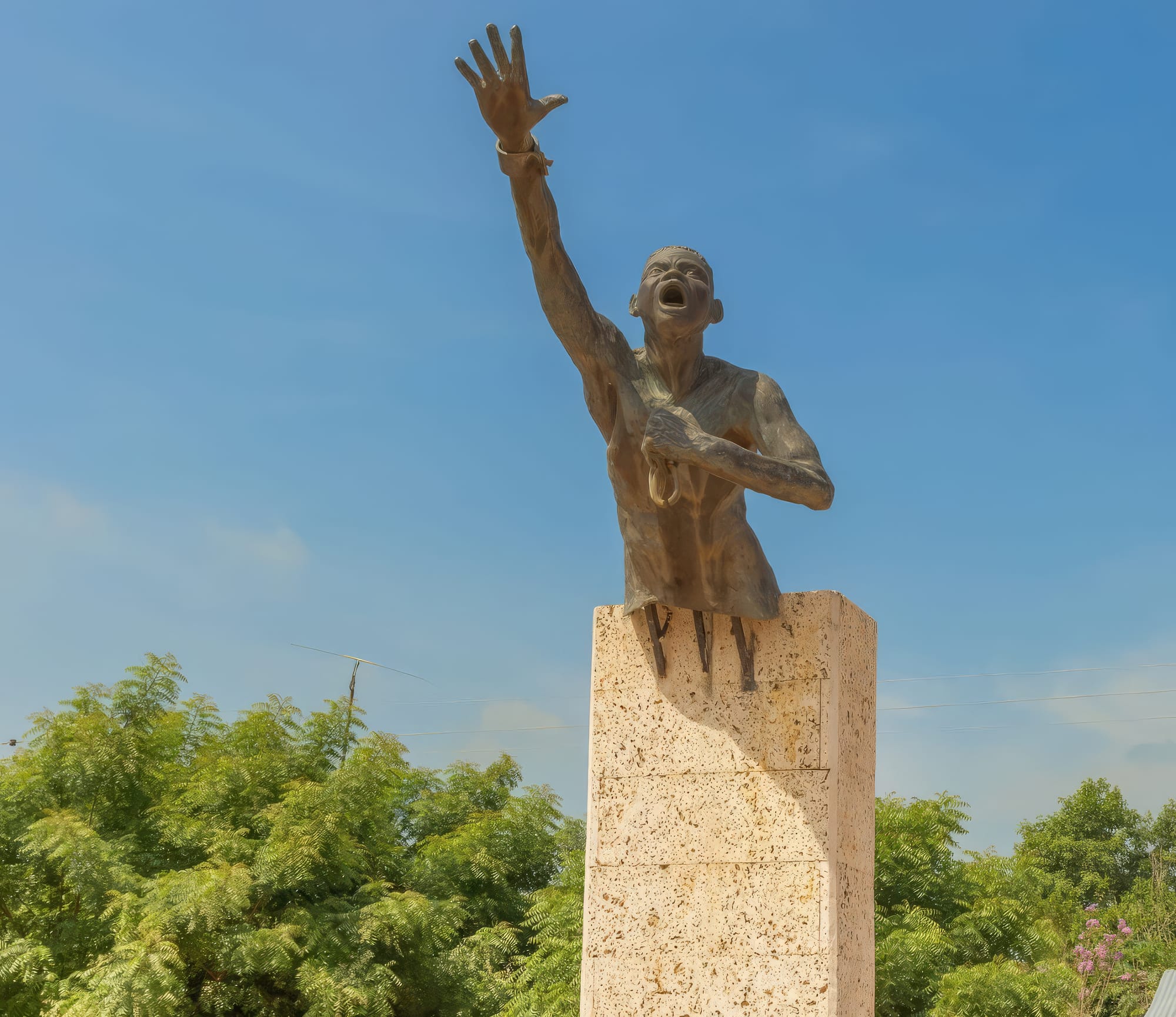
For those with time to venture beyond the city, a visit to San Basilio de Palenque, roughly 90 minutes south, is deeply rewarding. This unique village was the first free African settlement in the Americas, established centuries ago by escaped slaves who forged a community near Cartagena. Today, its preserved cultural identity holds UNESCO Heritage status.The experience of learning about the history of slavery in the region through authentic artifacts and direct community interaction is as moving as it is educational.
On Water And In The Air
Scuba Diving
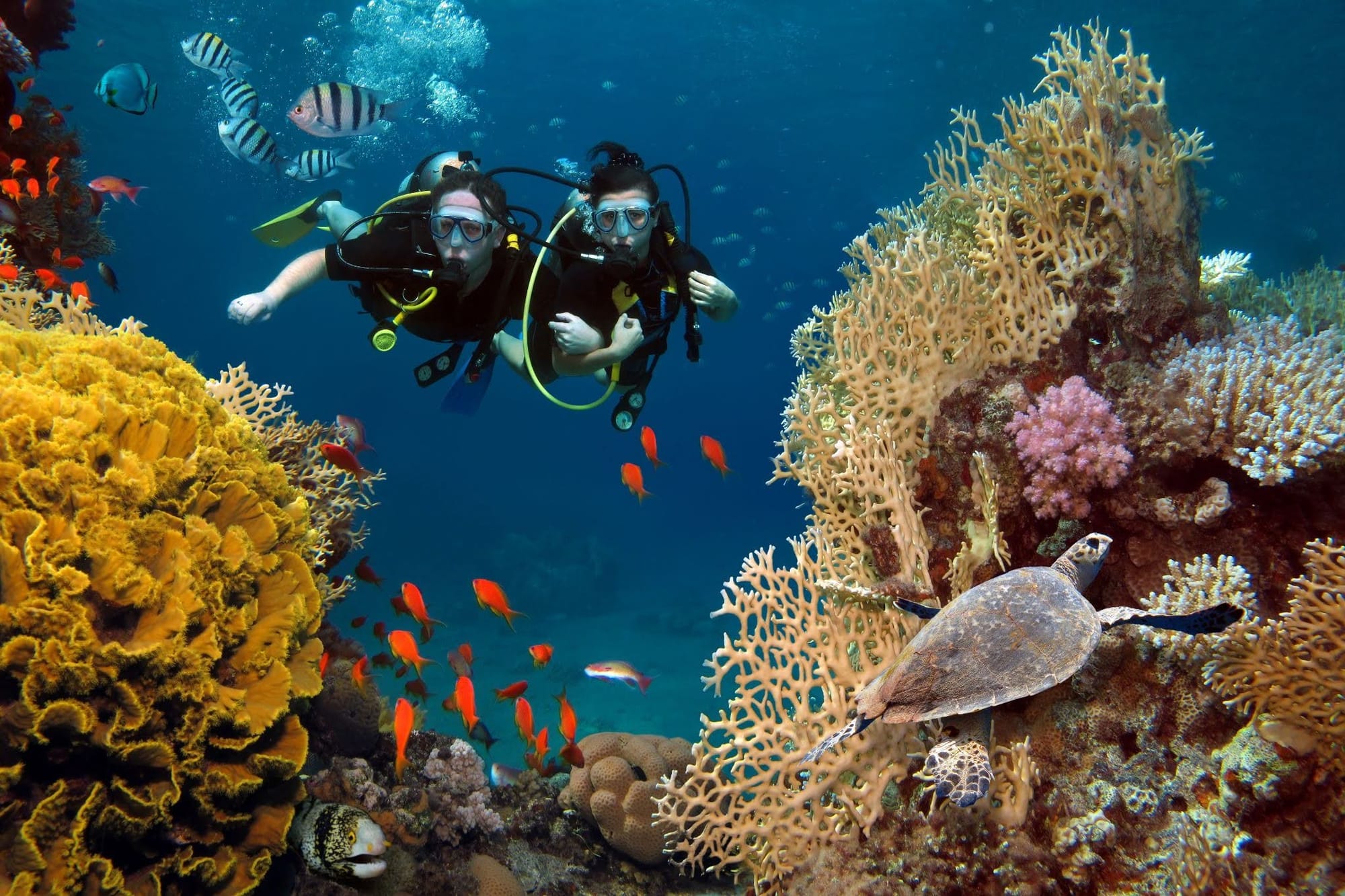
Waters surrounding Cartagena offer exceptional diving, particularly around the Rosario Islands, the San Bernardo Archipelago and Baru. Divers encounter remarkable variety and color in the Caribbean underwater life of the region.Highlights include the Salmedina bank, Bajo Burbujas and the formation known as the Underwater Mountain. Mucura Island, roughly two hours south by boat. It provides another outstanding dive destination for those willing to venture further.
Yacht Charter
Yacht charters transform the seascape into a private playground. Vessels ranging from a 43-foot Leopard catamaran to an 83-foot Sunseeker accommodate different party sizes and preferences, with customizable options including onboard DJ, private chef, bartending service and a full complement of water toys. A day spent island-hopping by yacht, with stops for swimming and lunch at secluded coves, represents one of the most luxurious maritime experiences available to visitors.
Kitesurfing, Surfing and Skydiving
Kitesurfing and surfing lessons, in the waters off El Laguito and Bocagrande, cater to beginners and experienced riders alike, with qualified instructors ensuring both safety and progression. For a more dramatic change of perspective, tandem skydiving with Skydive Colombia offers aerial views of the entire coastline during freefall and canopy descent. Paramotor and paratrike flights provide a gentler alternative, soaring over the city with a professional pilot for an entirely new vantage point on the geography of Cartagena.
Family Activities
The ability of Cartagena to engage younger visitors is one of its most under-appreciated strengths. The city and surrounding islands offer a collection of family-friendly, educational and entertaining experiences immersed in the natural and cultural richness of the Caribbean region.
Cartagena Aviary
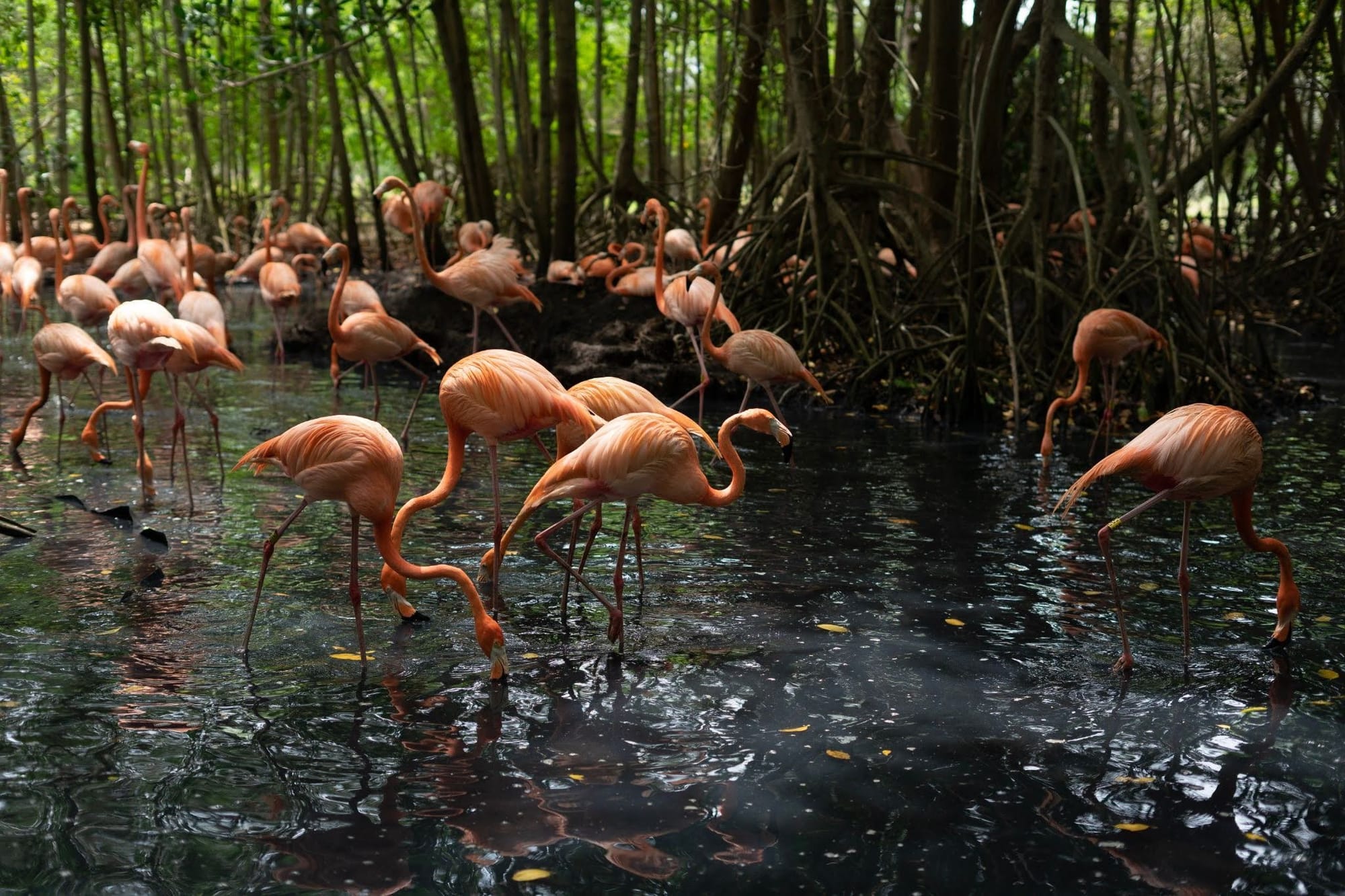
The Cartagena Aviary, roughly 90 minutes south on the island of Baru, showcases more than 2,000 native birds across three ecosystems that faithfully represent the extraordinary biodiversity of the region. Children wander in genuine wonder as eagles, parrots, peacocks and the occasional pink flamingo circle the habitat and sometimes approach for a closer encounter. The facility is interactive and educational, making it an outing that teaches as much as it delights.
Walk Atop The City Walls
Walking Atop the City Walls transforms urban exploration into an adventure suited to all ages. Beginning at Baluarte de San Pedro Martir on the easternmost point, the route follows La Muralla north past the old bullring to Plaza de Las Bovedas, where storerooms built into the walls now house souvenir and craft shops. The adjacent Museo de las Fortificaciones provides child-friendly context for the defensive structures that protected Cartagena for centuries.
The Oceanarium
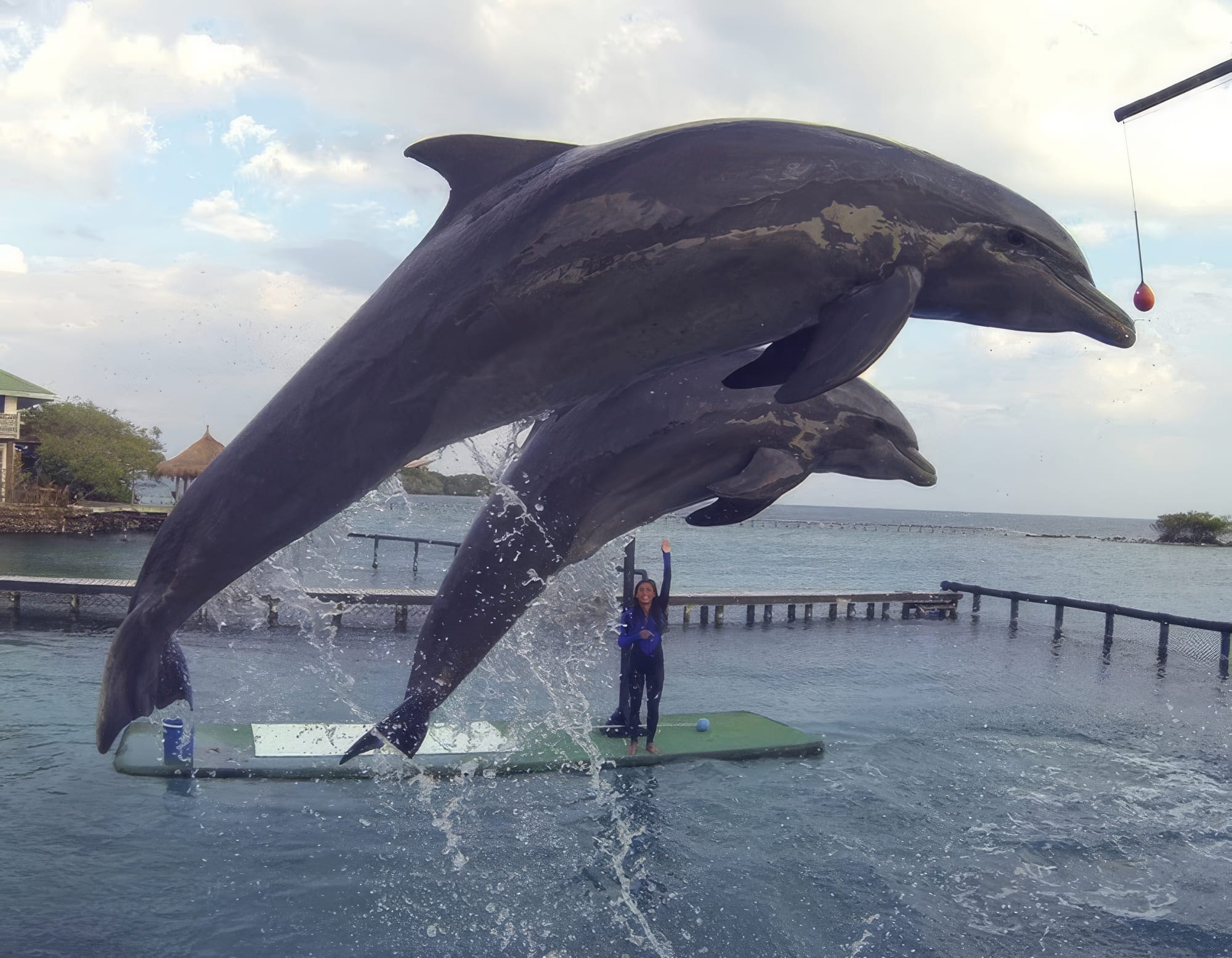
The Oceanarium, nestled on Isla San Martin de Pajarales in the archipelago, brings the marine world to life through dolphin performances, encounters with sea turtles and nurse sharks and a museum displaying seaweed, sponges, seahorses, mollusks and crustaceans. The boat ride to the island adds its own element of excitement and the combination of spectacle and education makes this one of the most popular family excursions from Cartagena.
Horse Drawn Carriage Ride
A horse-drawn carriage ride through the walled city at dusk offers a gentler pace of exploration, with the cobblestone streets, colorful facades and candlelit churches of the historic center taking on a romantic glow that captivates children and adults alike. The clip-clop of hooves through narrow colonial lanes provides a sensory experience that connects families to the rhythm of a much older city.
Botanical Garden Guillermo Pineres
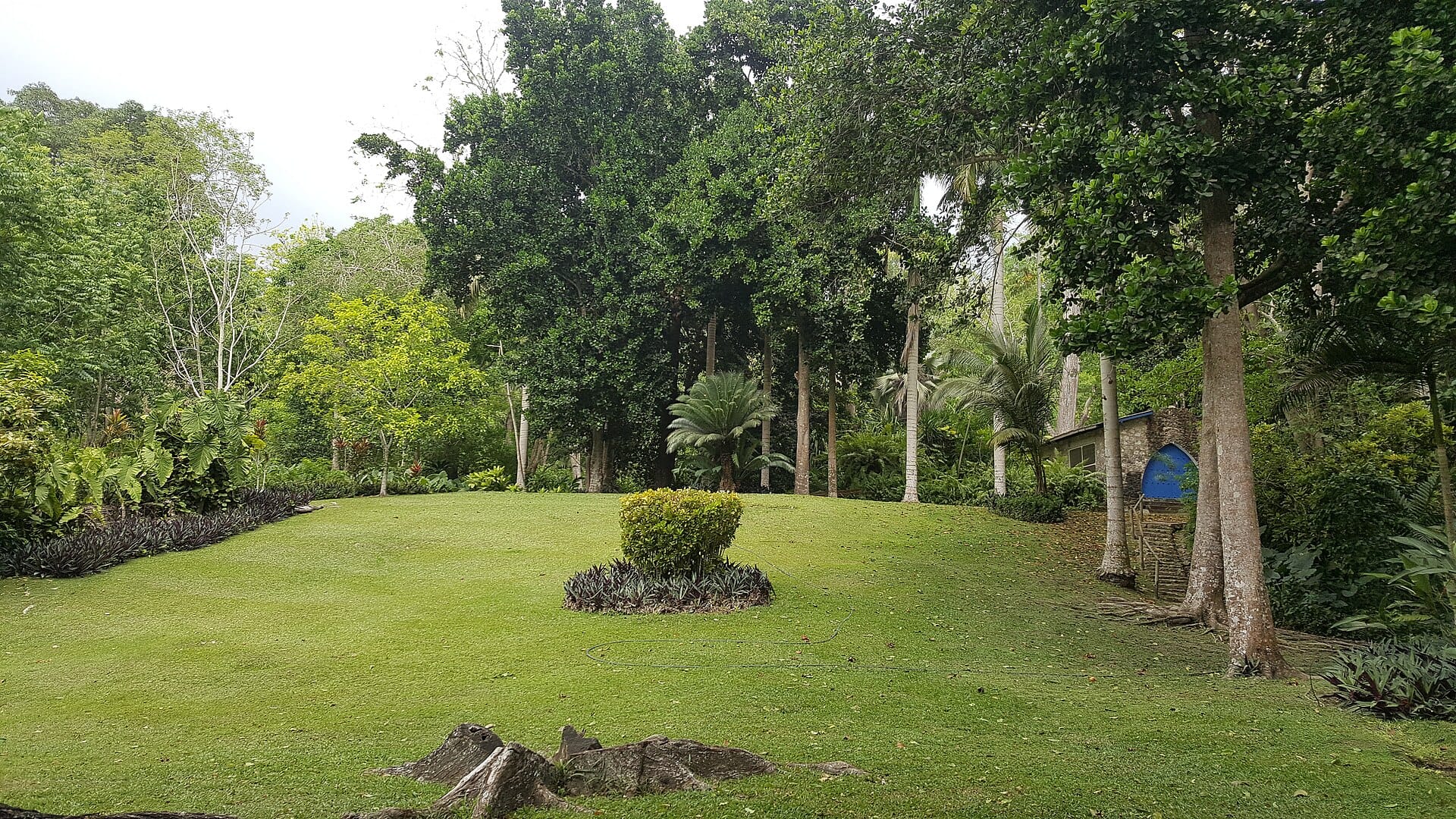
The Botanical Garden Guillermo Pineres, just 30 minutes from the city, preserves more than 300 species of plants from the Caribbean region and one of the few remaining virgin native forests of the area. Two kilometers of trails wind through landscapes of considerable beauty and ecological significance, with a natural spring running year-round. For families with nature enthusiasts, the garden provides a serene and educational half-day excursion.
Additional Activities
Additional options include Parque del Centenario, set between the Old City and Getsemani, where sloths, iguanas and tropical birds inhabit the treetops of a sprawling urban oasis, and the Naval Museum of the Caribbean within the walled city, where rotating exhibitions focused on the maritime heritage of the region engage visitors of all ages.
Events and Festivals
The cultural calendar of the city reflects a place that has long understood the power of gathering, celebration and artistic expression. Four events in particular draw international audiences and can serve as compelling reasons to time a visit.
Hay Arts And Literature Festival
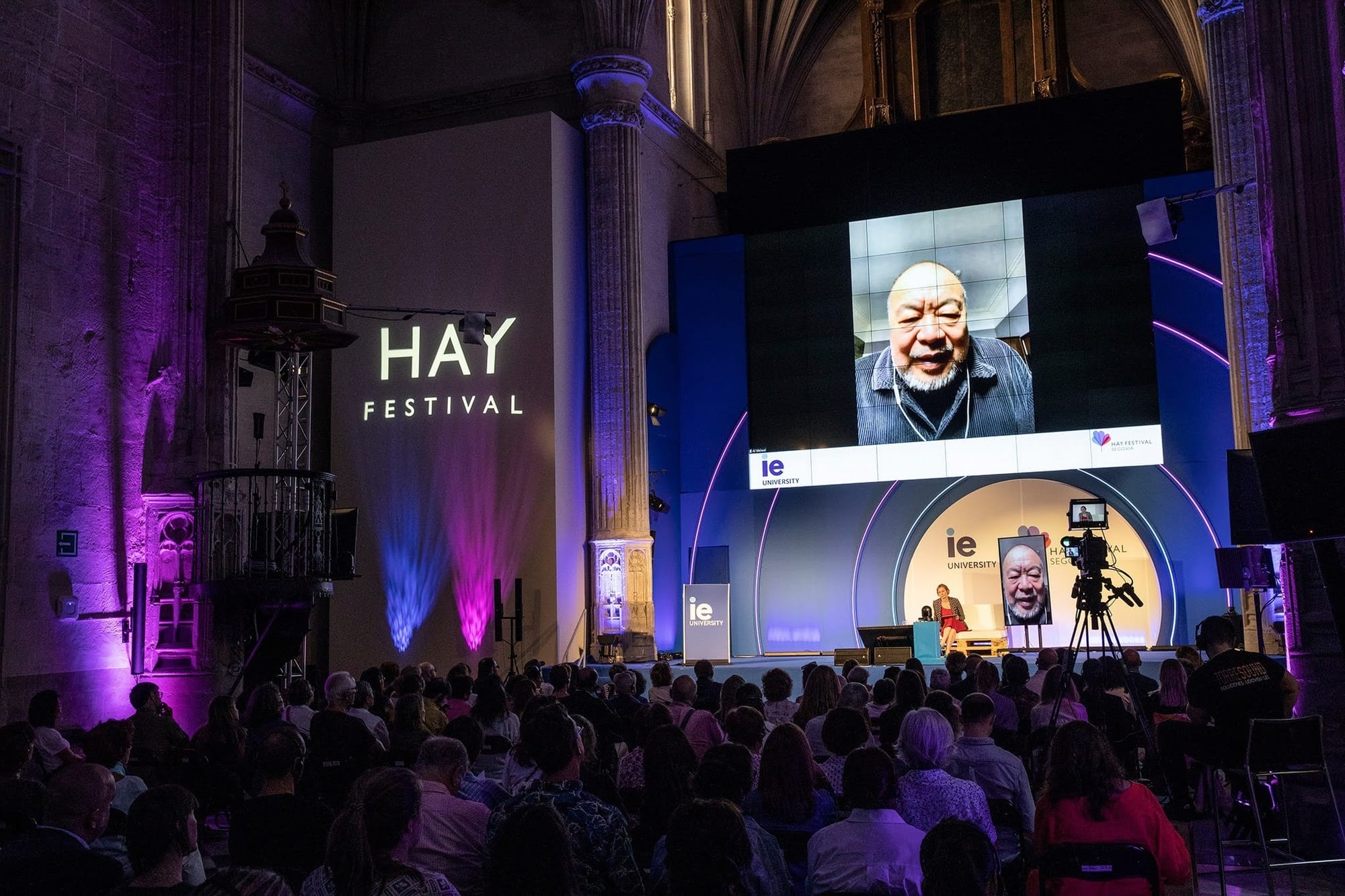
The Hay Arts and Literature Festival descends on Cartagena each year between Jan. 29 and Feb. 1, bringing four days of lectures, workshops, film screenings and performances that make it one of the foremost literary festivals in the Hispanic world. The event embraces a multidisciplinary approach that fuses literature, visual arts, music and journalism under an umbrella of dialogue, with headline presentations from Nobel laureates, world leaders and the most influential storytellers of the moment. The festival has amplified the international cultural reputation of the city considerably.
Cartagena International Film Festival
The Cartagena International Film Festival, held each March, is the oldest film festival in Latin America. For more than six decades, filmmakers, critics and enthusiasts from across the continent have converged on the city for a program that spans red-carpet premieres to intimate screenings, with a particular emphasis on Latin American cinema. The festival contributes to a strong cultural aura defining the destination for the better part of a century.
Cartagena Music Festival
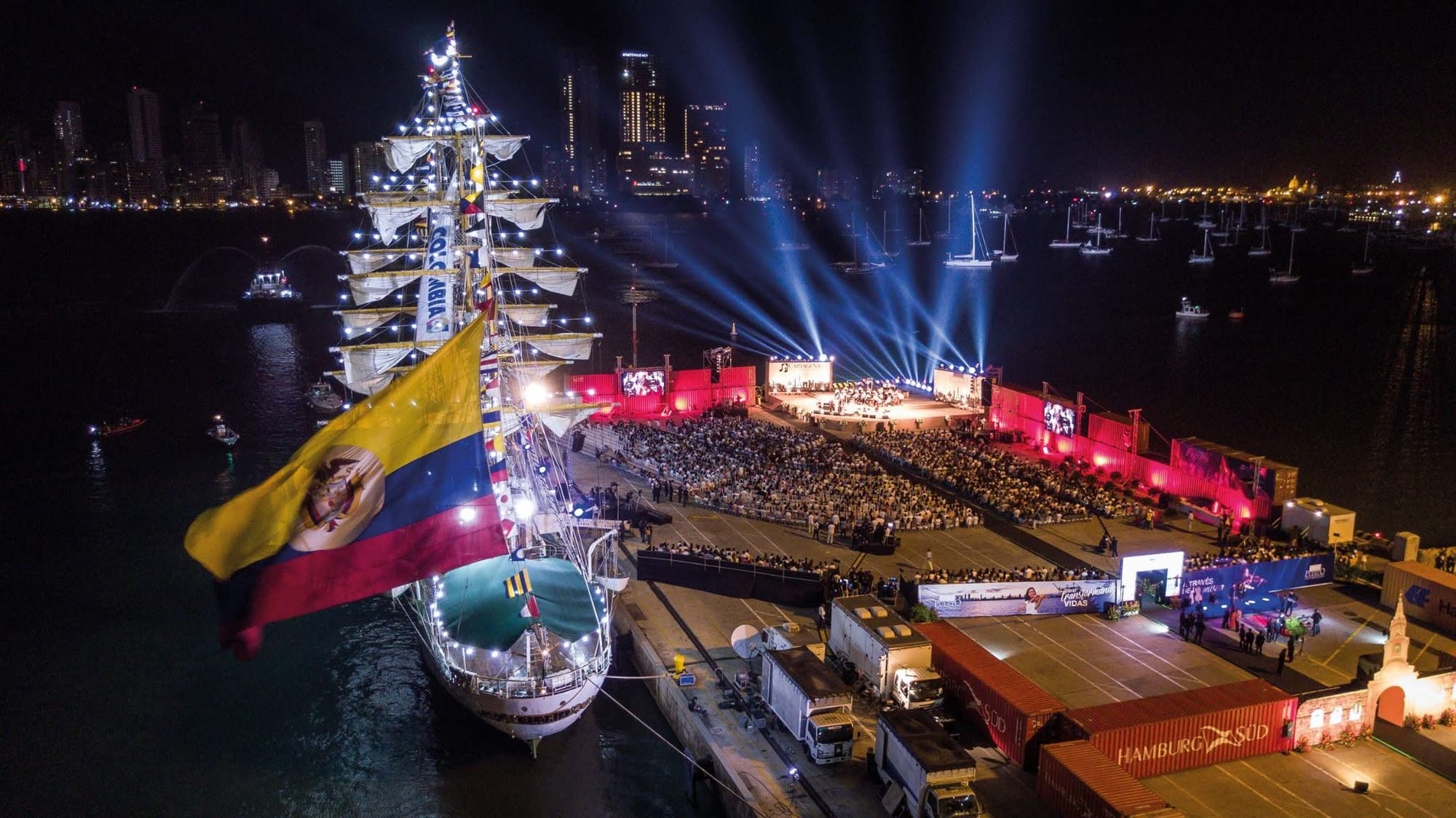
The Cartagena Music Festival in January pairs the grace of classical music with the architectural romanticism of the city's colonial buildings. Performances staged in the pristine acoustics of centuries-old churches, within the dramatic setting of San Felipe castle and atop the commanding Popa Hill create a remarkable convergence of musical excellence and historic splendor. The festival attracts the country's and the world's most accomplished classical musicians and its prestige continues to grow.
Carnival Of Barranquilla
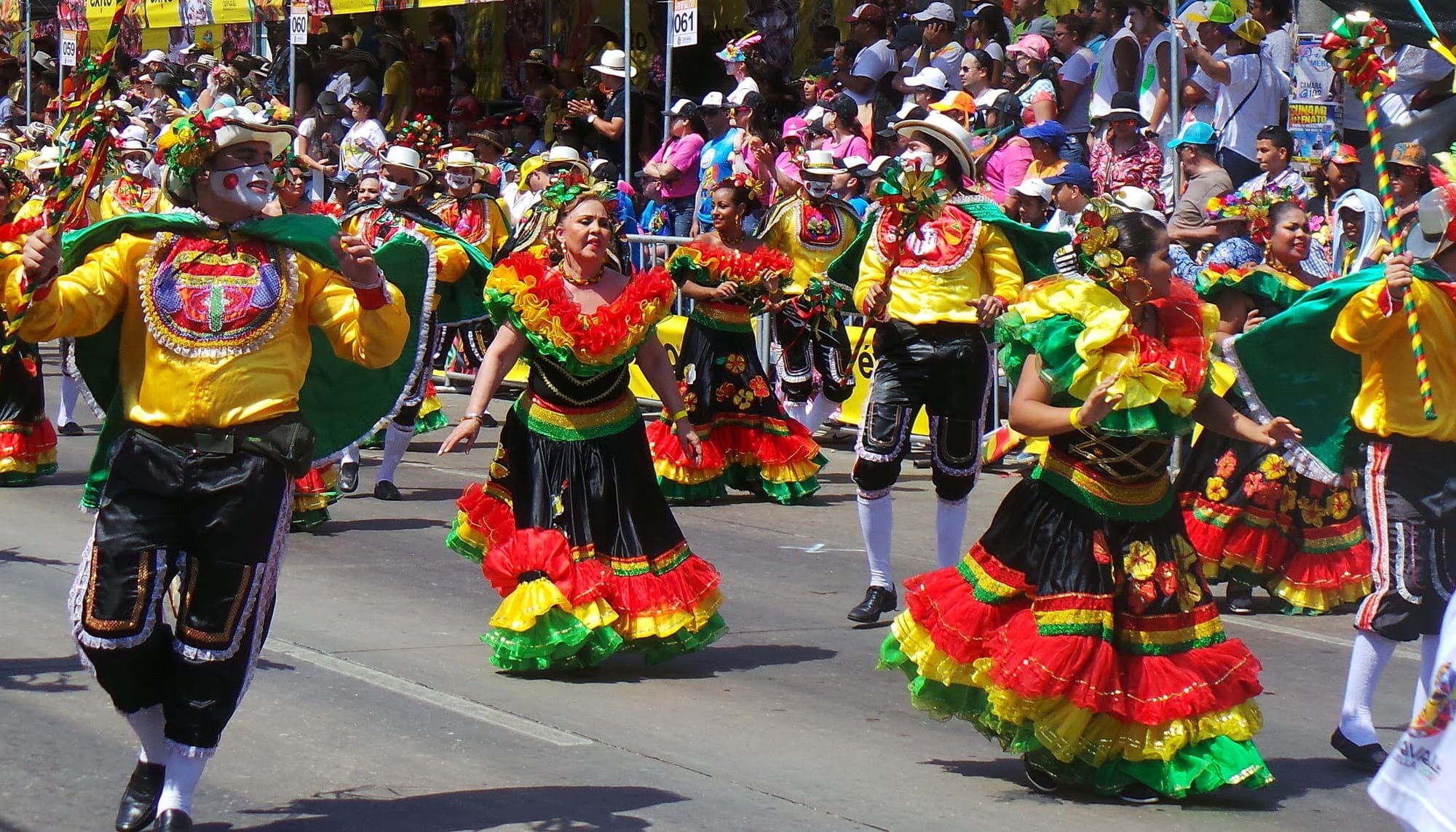
The Carnival of Barranquilla, held each February in the coastal city of Barranquilla roughly two hours by vehicle from Cartagena, has been declared by UNESCO as a Masterpiece of the Oral and Intangible Heritage of Humanity. The largest carnival in the country and the second largest in the world, this four-day explosion of dancing, music, traditional dress, extravagant costumes, colorful floats and masked parades provides the fastest possible immersion into local culture and folklore. The experience is a kaleidoscopic journey through Colombian, Spanish, African and Indigenous traditions, and its proximity to the city makes it an unmissable side trip for visitors present during this period.
Wellness and In-Home Services
The privacy of a luxury villa in Cartagena provides the ideal setting for personalized wellness and lifestyle services, delivered by trained professionals who bring their expertise directly to the guest. This approach transforms the villa experience from accommodation into a fully curated retreat, with services spanning physical wellness, beauty, culinary arts and event support.
Certified massage therapists can offer treatments ranging from therapeutic and sports massage to prenatal and four-hand sessions, each beginning with a consultation to understand individual goals and tailor the experience accordingly. Nail technicians, hair stylists and makeup artists can bring full salon-quality services to the villa, with offerings that include spa manicures and pedicures, blowouts, braids, extensions, eyelash work and spray tans. A professional barber can complete the grooming experience with precision cuts, fades and traditional straight-razor shaves.
On the wellness side, private instruction is available across a range of disciplines. Yoga sessions spanning Vinyasa, Hatha, Power, Restorative and Prenatal styles, can be conducted poolside, on a terrace or in any space within the villa that lends itself to practice. Pilates instructors offer classical, mat, contemporary and clinical approaches for individual or group sessions. Personal trainers, certified across multiple disciplines including boxing and strength conditioning, can design programs suited to vacation intensity levels. Private tennis instruction and guided meditation sessions with practices from chakra cleansing to Qigong,can round out a fitness and mindfulness offering as comprehensive as any destination resort.
The culinary dimension of in-home service elevates villa living further. Private chefs can create full-service dining experiences using international cuisines, health-conscious preparations or traditional coastal fare, adapting to all tastes and dietary requirements. Experienced mixologists can craft cocktails using seasonal ingredients, freshly squeezed citrus and premium spirits, while professional bartenders can manage full bar service for dinners, celebrations and gatherings of any size.
Additional concierge services include professional photographers and drone photographers who can capture vacation moments from every angle, and CPR/AED-certified nanny services that can provide peace of mind for families seeking an evening out or simply a few hours of uninterrupted relaxation.

Elevate Your Wellness Experience
Bring Cartagena's world-class spa experience directly to your villa
LVH In-home Spa ServicesPractical Information: Getting to Cartagena
Cartagena is accessible from major international cities through direct and connecting flights, with travel times that place it comfortably within reach of both North American and European hubs. Arranging a private chauffeur service in advance, confirming entry requirements and securing comprehensive travel insurance,smooth the logistics considerably.
Rafael Nunez International Airport (CTG) is the primary gateway, located just minutes from the historic center and handling both commercial and private aviation. The airport accommodates private jet charters, making it the most convenient option for travelers arriving by air. For situations that require an alternative, Ernesto Cortissoz International Airport (BAQ) in Soledad, near Barranquilla, provides a secondary option, though the additional ground transfer makes it less practical for most itineraries.
Direct flight times from key departure cities provide useful context for planning: New York is about five hours away, Los Angeles, roughly six hours and 45 minutes and London, about 11 hours, with the latter typically involving a connection.
Upon arrival, a professionally licensed English-speaking chauffeur service can ensure seamless transfers and on-call transportation throughout the stay. A fleet of vehicles including the Mercedes-Benz E200, Land Rover Defender, Mercedes V-Class and Toyota Prado TXL accommodates different group sizes and terrain requirements. The chauffeur can remain available throughout the vacation, providing the flexibility to explore beyond the historic center — whether visiting island embarkation points, venturing to San Basilio de Palenque or simply navigating the city's neighborhoods with ease and discretion.
Within the old city itself, most destinations are accessible on foot.The compact scale of Centro, San Diego and Getsemani makes walking the most natural and rewarding way to explore. For visits to island retreats, including boat trips to the Rosario Islands from Cartagena, transfers of 10-30 minutes depart from the marina or Bocagrande, with scheduling arranged in advance to ensure a smooth experience.
Frequently Asked Questions
What are the best things to do in Cartagena?
The city offers an exceptional range of experiences, from exploring the UNESCO-listed walled city and its colonial fortresses to dining at world-class restaurants, visiting island retreats by boat, learning to dance, diving in the Rosario Islands and attending internationally recognized cultural festivals. The breadth of options ensures that every day brings a genuinely different experience.
When is the best time to visit Cartagena?
December through March offers dry weather and the richest cultural calendar, though the shoulder months of April through June and November provide warm conditions with fewer visitors. The year-round tropical climate of the city means there is no truly bad time to go.Even the green season from July to October delivers sunny mornings. Anyone planning a trip to Cartagena should weigh the tradeoffs between peak-season atmosphere and off-peak value.
How do I get to Cartagena?
Rafael Nunez International Airport (CTG) receives direct and connecting flights from major North American, European and Latin American cities. Private jet charters are accommodated at the same airport. Flight times are about five hours from New York, six hours and 45 minutes from Los Angeles and 11 hours from London.
Is Cartagena safe for luxury travelers?
The historic center, tourist areas and upscale neighborhoods of the city are well-patrolled and accustomed to hosting international visitors. As with any major city, common-sense precautions apply. Engaging a professional chauffeur service and staying within established neighborhoods ensures a comfortable and secure experience throughout the visit.
What is the best neighborhood to stay in Cartagena?
Centro places guests in the heart of the colonial old city, with walking access to museums, restaurants and cultural landmarks. San Diego offers a slightly quieter atmosphere with excellent dining and sunset views. Getsemani appeals to those drawn to vibrant street art and nightlife. Bocagrande and Castillogrande provide beachfront settings with a more contemporary residential feel.
How many days do you need in Cartagena?
Five to seven days in Cartagena allows time to explore the walled city thoroughly, enjoy multiple restaurants, visit the island retreats, take a day trip and experience the nightlife. Those planning to incorporate yacht charters, diving excursions or visits to San Basilio de Palenque or the Carnival of Barranquilla should consider extending to 10 days.
What should I wear in Cartagena?
The tropical climate of Cartagena calls for lightweight, breathable fabrics during the day, with linen and cotton particularly well suited to the humidity. Evening dining at upscale restaurants warrants smart-casual to elegant attire, and venues such as Alquimico and La Movida attract crowds that dress with intention. Comfortable walking shoes are essential for navigating cobblestone streets.
Can you do day trips from Cartagena?
Several compelling options extend beyond the city limits and a day trip or longer trip from Cartagena is within easy reach. The Rosario Islands and Baru offer beach and diving excursions alongside other things to do by the water. San Basilio de Palenque, the first free African town in the Americas, is roughly 90 minutes south. The Botanical Garden Guillermo Pineres lies just 30 minutes away. During February, the Carnival of Barranquilla is a two-hour drive and ranks among the most spectacular cultural events in the hemisphere.
Plan Your Cartagena Adventure
Cartagena is a rare intersection of history, culture and Caribbean beauty few destinations in the world can match. As a South American city with a UNESCO-listed walled center, Cartagena preserves centuries of colonial architecture within a living, breathing urban landscape where music echoes through cobblestone squares, where the modern city skyline meets 16th-century ramparts, where Gabriel Garcia Marquez found the inspiration for magical realism and where some of Latin America's most inventive chefs are quietly redefining Caribbean cuisine. Ramparts, island retreats, yacht-worthy waters, vibrant murals and a cultural calendar anchored by internationally recognized festivals extend the experience in every direction.
What distinguishes a Cartagena experience is the depth available at every turn — from pre-Columbian gold artifacts and baroque fortresses to world-ranked cocktail bars and culinary classes in family homes. The best Cartagena has to offer rewards curiosity and every neighborhood, from the bohemian energy of Getsemani to the exclusive calm of Castillogrande, offers its own distinct version of luxury.
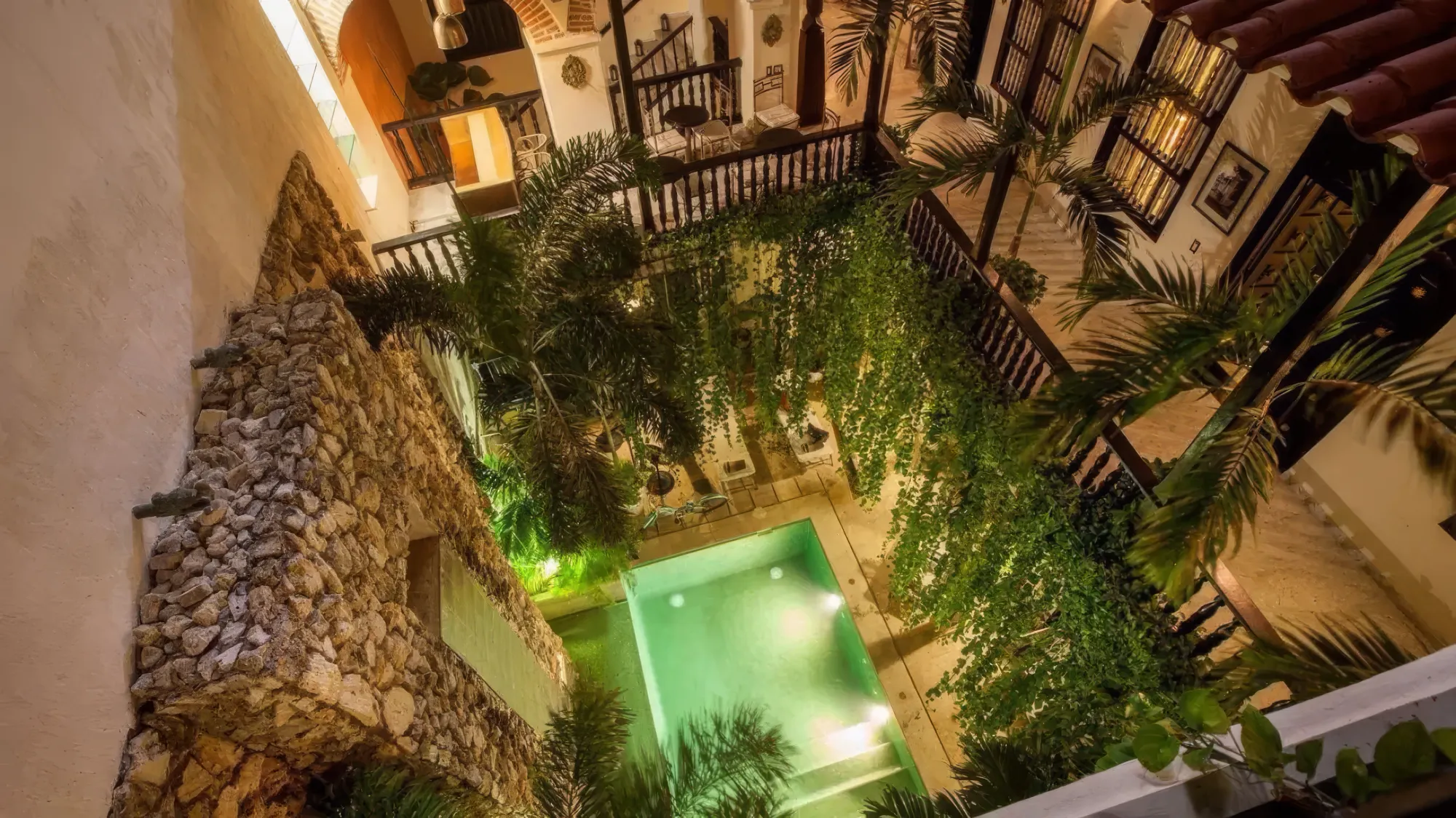
Staying in a private luxury villa within these historic neighborhoods transforms the experience entirely, providing the space, privacy and personalized service. Private chefs and mixologists to in-villa spa treatments and certified childcare allow guests to engage with Cartagena on their own terms.
Your Cartagena Luxury Retreat Awaits
Browse our curated collection of ultra-luxury villas and estates in Cartagena
 Share
Share